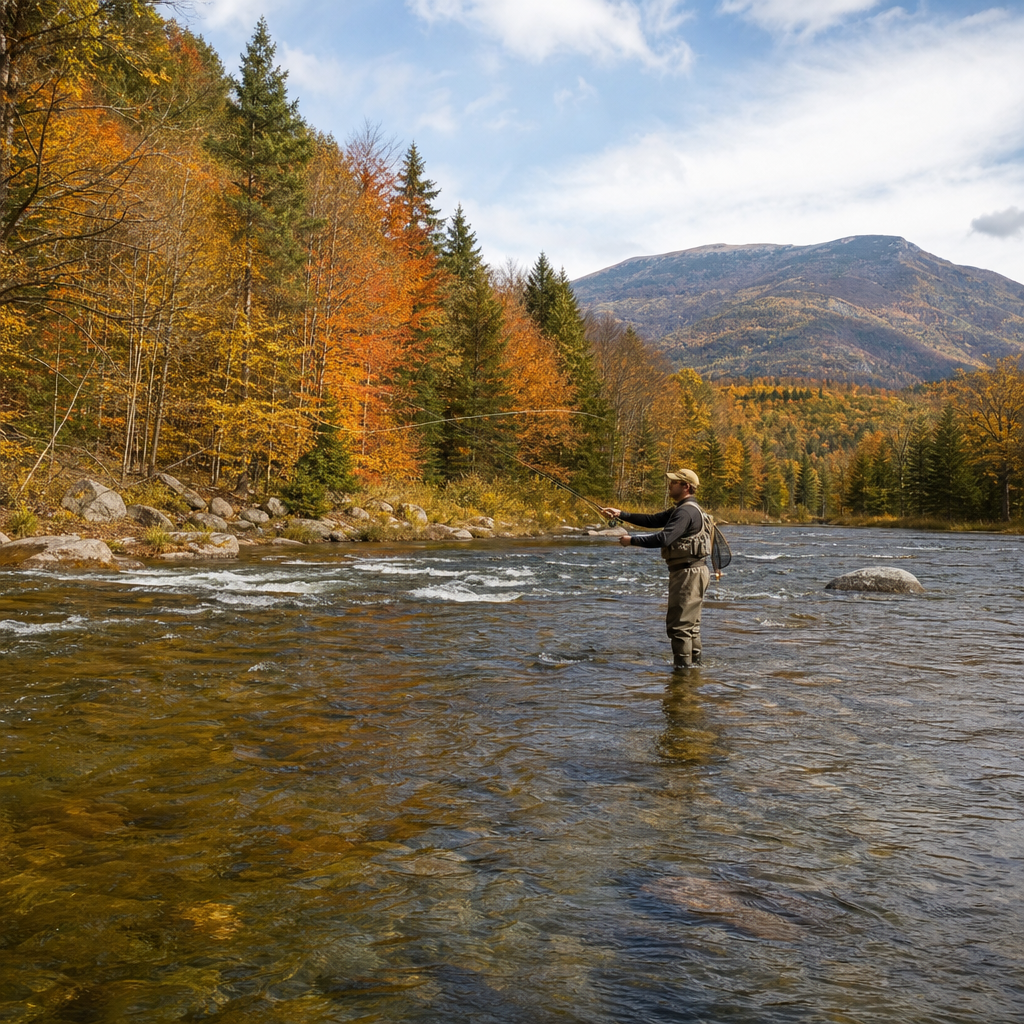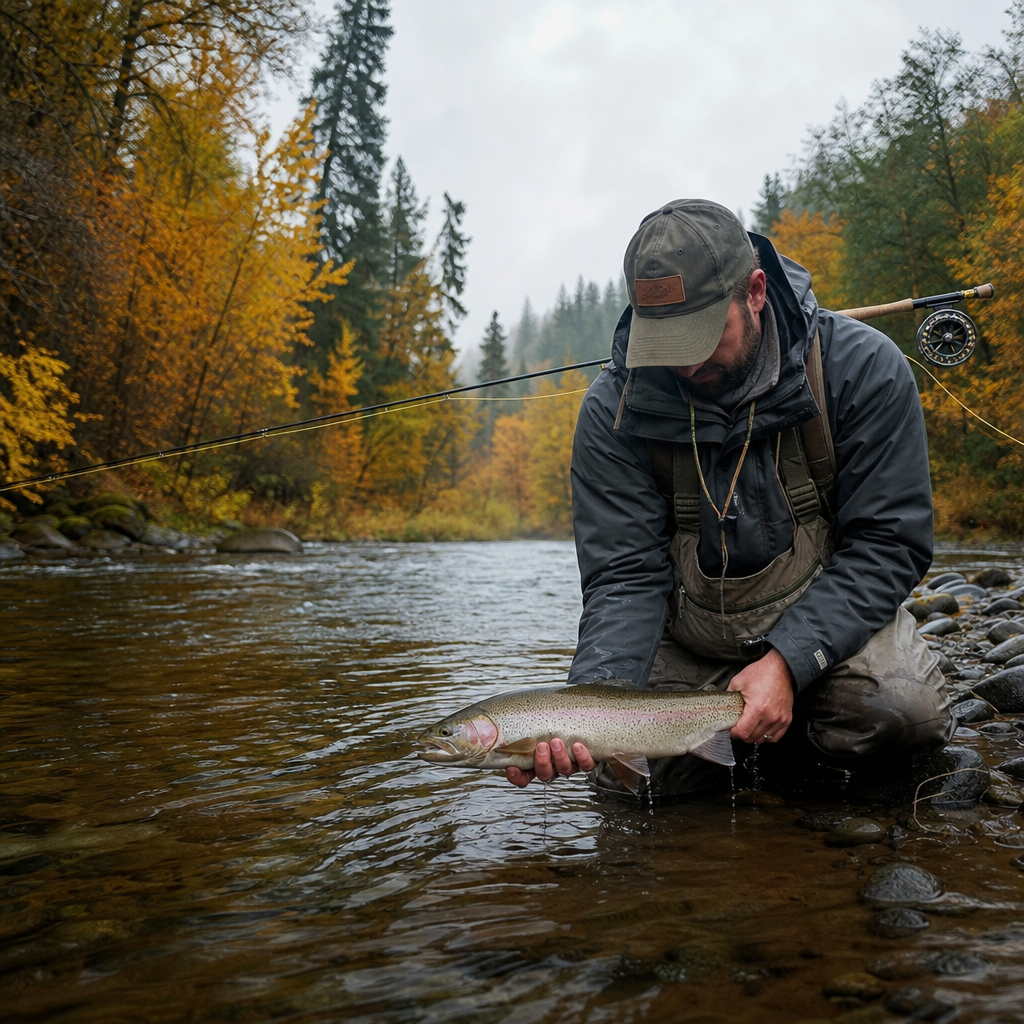
Fly fishing after a storm can be exceptional or frustrating, and the difference usually comes down to understanding how weather conditions reshape water, fish behavior, insect activity, and your presentation. In practical terms, “after a storm” covers several distinct phases: the first hours after heavy rain or wind, the day after a front passes, and the longer recovery period as rivers clear and stabilize. Each phase asks for different tactics. Anglers who treat all post-storm water the same often struggle, while those who read changing conditions closely can find some of the best fishing of the season.
Weather conditions matter because trout, bass, panfish, and many other gamefish respond immediately to shifts in flow, visibility, temperature, dissolved oxygen, and available food. I have seen rivers that looked unfishable at dawn produce aggressive takes by late morning once the color softened and side channels slowed. I have also watched a favorite clear stream become dangerous and effectively dead for hours because runoff carried silt, debris, and rapidly dropping barometric pressure through the system. Success after a storm is rarely random. It comes from judging water safety first, then matching flies and techniques to the fish’s new feeding lanes.
As a hub for weather conditions in fly fishing, this guide covers the full post-storm picture: safety, reading runoff, deciding when to fish, choosing patterns, adjusting leaders, targeting holding water, and understanding species-specific responses. It also connects the bigger idea that weather is not background noise; it is one of the main drivers of where fish hold and how confidently they eat. If you learn to interpret storm effects rather than fear them, you gain a repeatable framework that applies across rivers, creeks, tailwaters, lakes, and warmwater systems throughout the year.
Start with safety, timing, and the type of storm
The first question is not what fly to tie on. It is whether the water is safe and whether fish can reasonably feed in it. Thunderstorms, tropical systems, and long soaking rains affect fisheries differently. A short summer storm may stain a freestone stream just enough to improve trout confidence. A multi-day rain can push flows beyond wadable levels, load the river with debris, and blow out visibility for days. Wind-driven storms on lakes may oxygenate shallow water and push bait to shorelines, yet lightning risk and floating timber can make immediate fishing a poor decision.
In my own planning, I separate storms into three categories. Convective storms are short, intense, and localized. These often create temporary windows on tributaries and smaller rivers, especially when the mainstem rises but protected seams remain fishable. Frontal storms are broader systems tied to pressure changes, cooler air, and sustained wind; they can improve fishing after the front if temperatures normalize and flows stabilize. Prolonged rain events saturate the watershed, causing muddy tributaries, bank erosion, and hydrograph spikes that overwhelm normal holding water. The storm type tells you whether to fish immediately, wait several hours, or skip the day entirely.
Use objective data before you leave home. USGS stream gauges, state river monitoring sites, dam release schedules, weather radar, and lightning maps are more reliable than guesswork. Look for discharge trends, not just the raw number. A river at 900 cubic feet per second and falling can be better than the same river at 700 and rising fast. Water color matters too. “Off-color” is usually productive; “muddy” is usually poor. Off-color water often gives 12 to 24 inches of visibility. In truly muddy water, fish struggle to track a fly unless it passes almost directly in front of them.
How storms change fish behavior and feeding lanes
After a storm, fish reposition to minimize energy use and maximize feeding opportunity. Rising current pushes them away from exposed mid-river lies and into softer edges, inside bends, current breaks behind boulders, flooded banks, side eddies, and tributary mouths. Food also shifts. Worms wash in, sculpins get displaced, drowned terrestrials collect along foam lines, and nymphs lose their grip. Predatory fish know this. Big trout that ignore neat dry-fly drifts in clear conditions may suddenly chase a streamer through stained water because the river is delivering larger, vulnerable prey.
Visibility is the second major variable. In clear post-storm water, fish may resume normal station feeding quickly, especially on tailwaters and spring creeks with stable temperatures. In stained water, they depend more on silhouette, vibration, and proximity. That is why larger nymphs, dark streamers, flies with rubber legs, and patterns with a bright hotspot can outperform tiny imitations. The fish are not becoming less selective in every sense; they are responding to a changed sensory environment. Put the fly where they can find it, and they will often eat decisively.
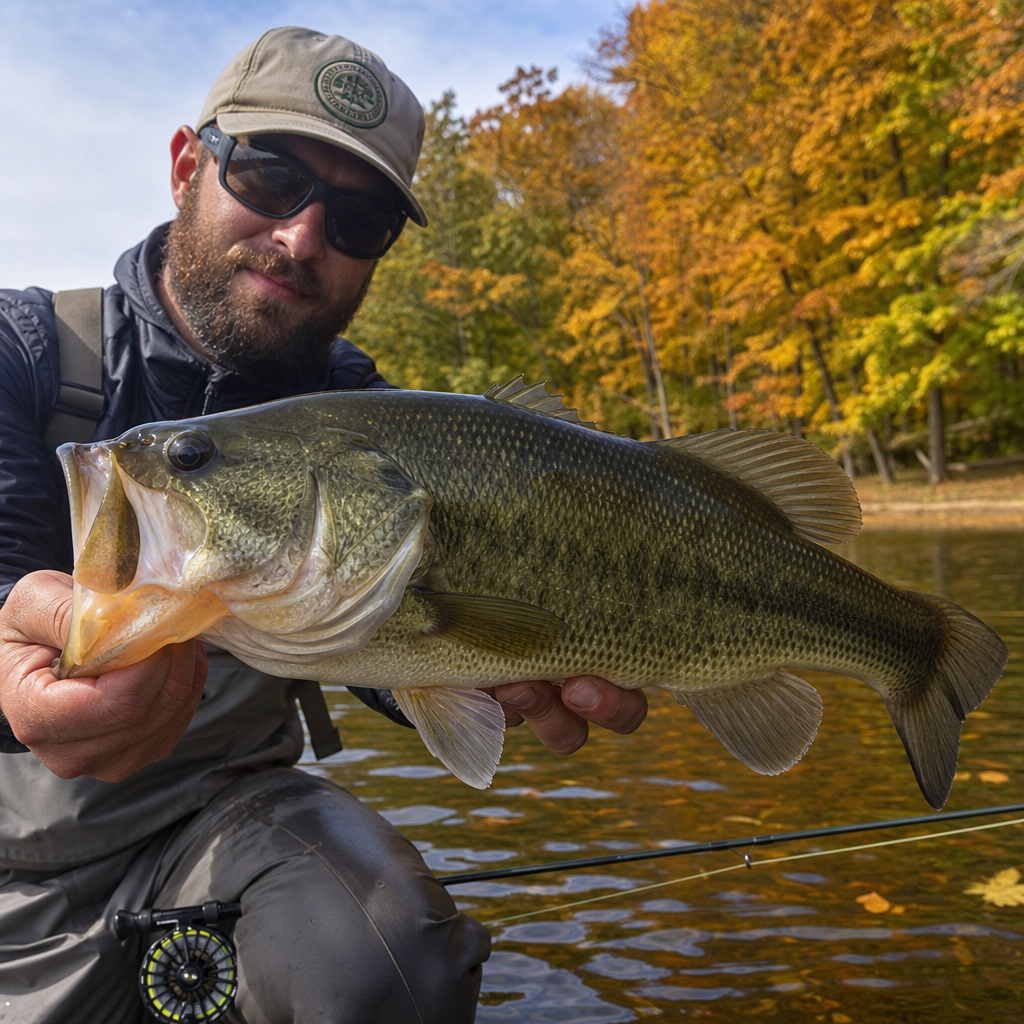
Temperature can improve or ruin the situation. Summer storms often cool overheated streams and add oxygen, which can trigger feeding, especially in the first stable period after the rain. Cold runoff, however, can shock small streams and suppress activity for several hours. In autumn, a storm may bump flows enough to move fish toward spawning tributaries or trigger migratory behavior in species such as steelhead. In warmwater lakes, bass frequently slide shallow after a storm if wind has pushed baitfish, while carp may root confidently in newly flooded margins. The weather conditions determine not only whether fish feed, but also what kind of feeding mode dominates.
Read post-storm water like a map
The best water after a storm is usually not the obvious fast run that looked productive before the rain. Start by scanning for softer current adjacent to structure. Seams where dirty and clearer water meet are especially valuable because fish can hold in manageable flow and intercept drifting food. In rivers with a dam, look below release points and along banks where contour creates slower lanes. In small streams, pocket water behind large rocks can stay fishable even when the main chute is too pushy. On lakes and ponds, windblown banks, inflows, and muddy-to-clear transitions are top targets.
A simple field checklist helps:
| Condition | What it usually means | Best move |
|---|---|---|
| River rising fast | Fish move tight to banks and soft edges | Fish short, controlled drifts near shore |
| River high but dropping | Feeding window often improves | Target seams, eddies, and tailouts |
| 12–24 inches visibility | Ideal stain for larger flies | Nymph or streamer with contrast |
| Less than 6 inches visibility | Fish cannot track well | Try loud streamers or wait |
| Tributary entering clear main river | Temperature and food concentration point | Work the mixing line carefully |
One of the most overlooked clues is debris travel. Leaves, foam, and small sticks show where current slows and where your fly will actually drift. If foam piles against a soft seam, fish often sit just under it. Another clue is bank texture. Undercut grass banks, root wads, and flooded brush become temporary feeding stations because they break current and trap food. I have had excellent post-storm sessions by fishing only the first rod length off the bank and ignoring the middle of the river entirely.
Best fly patterns and tackle adjustments after a storm
Post-storm fly selection should reflect visibility, food displacement, and the fish’s reduced willingness to move far in heavy current. For trout, the most consistent categories are worm patterns, stonefly nymphs, pats rubber legs, jig streamers, woolly buggers, sculpin imitations, and attractor nymphs with tungsten beads. San Juan worms and squirmy-style worm patterns work because real annelids and other soft-bodied food items get washed from banks during rain. That is not a gimmick; it is a direct match to storm-driven food availability. In many regions, a coffee-and-black or olive-and-black streamer is more visible than a natural tan pattern in stained water.
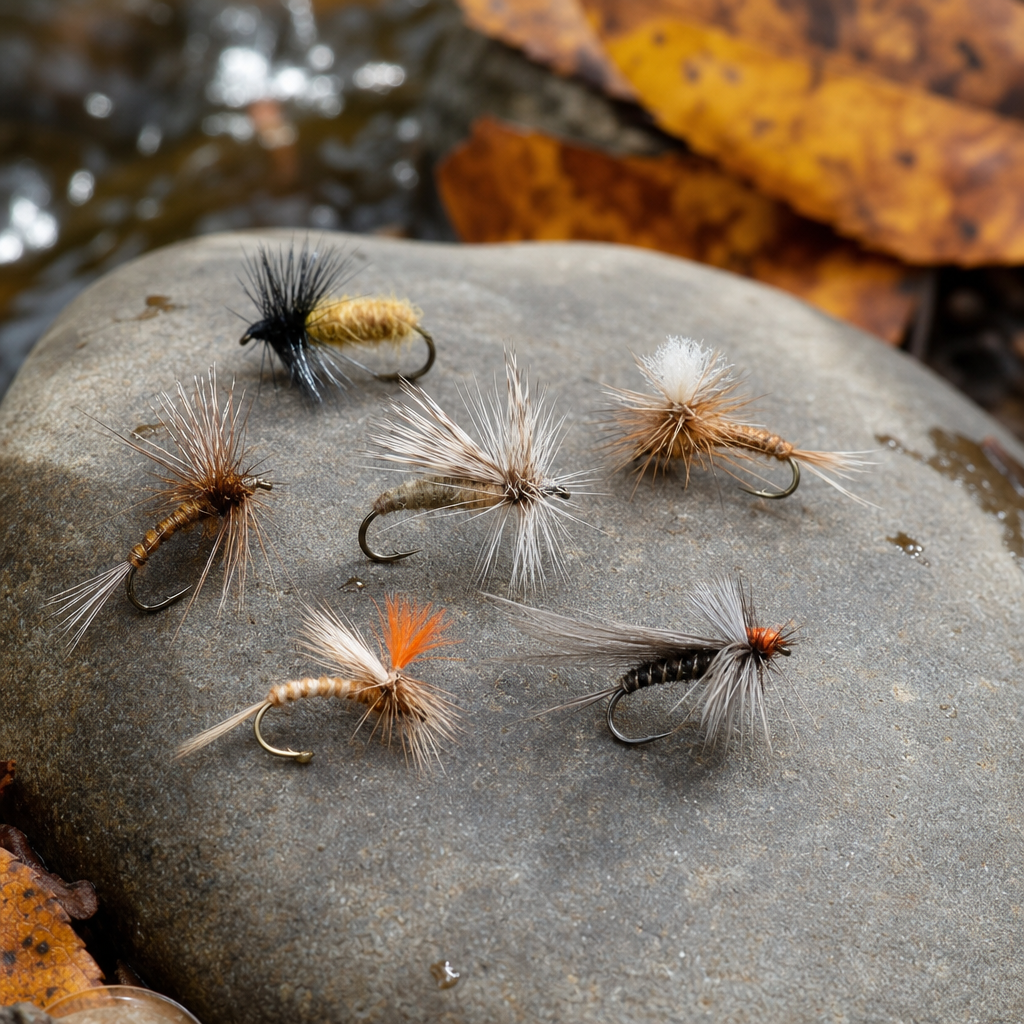
Do not ignore dry flies, but use them selectively. If the storm was brief and warm, terrestrial fallout can be substantial. Beetles, ants, hoppers, and drowned insects often collect along foam lines and near overhanging vegetation. On tailwaters with steady hatches, fish may still rise after a front, especially during cloud cover. In those situations, a high-floating attractor such as a Chubby Chernobyl can double as an indicator with a heavy nymph below. For warmwater species, chartreuse-and-white baitfish patterns, crayfish flies, and deer-hair divers can all be effective depending on water depth and clarity.
Tackle should shift with the conditions. Shorten leaders in stained water to improve turnover and control. A 7.5-foot leader for streamers or an indicator nymph rig is often better than a long technical taper. Add enough split shot or choose tungsten flies to reach fish holding near the bottom behind current breaks. If water is high, a tight-line setup with a heavily weighted point fly can be excellent in confined seams, while an indicator rig covers broad runs more efficiently. Sink-tip lines become valuable when large trout or bass are hugging structure in colored water. The guiding principle is simple: get the fly into the strike zone quickly and keep it there with tension you can manage.
Presentation techniques that work when the river is unsettled
After a storm, perfect long drifts matter less than precision, angle, and depth. Fish are concentrated in smaller pockets of softer water, so make shorter casts and cover likely lies methodically. Start close. Many anglers wade too far and push fish off the exact bank water they should be fishing. On high flows, stand back, keep a low profile, and make quartering casts that let the fly enter the seam naturally. Mend early, not repeatedly, so the rig sinks before it reaches the holding zone.
Nymphing is often the highest-percentage method because dislodged subsurface food is abundant. Run two flies if regulations allow: a larger anchor fly such as a stonefly or worm, with a smaller attractor or mayfly imitation trailing. Adjust depth constantly. If you are not ticking bottom occasionally, you are probably too shallow. Streamers come into play when visibility is limited but not zero and when larger fish are using ambush cover. Use slower strips than you might in clear water. Short pulses and swings across the current often outperform fast retrieves because fish have less time and less visibility to commit.
On lakes and ponds, treat post-storm fishing as a search problem. Cover windblown banks first, then inflows, then newly flooded cover. A slow hand-twist retrieve with a leech or baitfish pattern can be deadly when fish are cruising stained shallows. If the water is muddy near the inflow, back off to the edge where clarity improves. That transition line often holds the most active fish. In all cases, let conditions tell you how aggressive to be. If follows are common but eats are few, downsize or slow down. If fish are pinned tight to cover, put the fly almost against the object and expect a quick take.
Species, seasons, and common mistakes
Different fish respond to storms in different ways, and season changes the pattern again. Trout in freestone streams often feed hardest as flows begin to drop and clarity improves from chocolate to green or tea-colored. Tailwater trout may respond less dramatically to local rain unless tributaries add color or the dam changes generation schedules. Smallmouth bass typically exploit rising water by hunting crayfish and minnows along current breaks. Carp use flooded margins and muddy flats, often becoming easier to approach in a slight stain. Steelhead and salmon anglers actively watch rain because fresh water movement can trigger migrations and open short-lived access windows in smaller tributaries.
Summer post-storm sessions are often the most forgiving because slight color, cooler temperatures, and cloud cover combine well. Spring storms can be excellent but bring the highest wading risks because snowmelt and rain stack together. Fall storms may move larger fish and increase streamer opportunities. Winter storms are more nuanced; in cold regions, runoff may chill smaller streams, but in tailwaters a mild rain can actually stabilize conditions enough for decent fishing. The broader lesson is that no single rule fits every fishery. You need to know how your local watershed reacts, how quickly it clears, and which sections stay fishable during elevated flow.
The biggest mistakes are predictable. Anglers fish unsafe water, confuse muddy with productive stain, use flies that are too small to be noticed, over-wade, and fail to adjust depth. Another common error is ignoring alternative venues. If the main river is blown out, a spring creek, tailwater, pond, or small tributary might be perfect. Keep notes after every trip: gauge height, visibility, air temperature, water temperature, successful flies, and where fish held. Over time, those records become more useful than generic advice because they reveal repeatable patterns in your home waters.
Fly fishing after a storm rewards anglers who treat weather conditions as a system rather than a single event. Safe access comes first, then timing, then water reading, then tactical adjustments in flies, leaders, and presentation. The core pattern is consistent across fisheries: fish slide to softer holding water, visibility shapes fly choice, and the best window often appears as flows stabilize and color begins to clear. If you can identify that window, you can turn difficult-looking water into a highly predictable opportunity.
As the central resource for weather conditions within seasons and conditions, this guide gives you the framework to evaluate rain, runoff, wind, fronts, and recovery periods with confidence. Apply it on your next trip by checking gauges before you leave, targeting seams and banks instead of obvious fast water, and choosing flies that fish can actually find. Then refine the approach with your own records. The storm does not end the fishing day. Very often, it starts the best part of it.
Frequently Asked Questions
Is fly fishing after a storm usually better or worse?
It can be either, and that is exactly why post-storm fishing rewards anglers who read conditions instead of relying on a simple rule. After a storm, rivers, streams, and lakes often go through several short-lived phases. In the first few hours, rising or freshly stained water can push fish tight to banks, seams, softer eddies, and protected structure where they feel secure and can intercept food washed in by rain. That can create excellent fishing, especially if the water is not dangerously high and visibility is still good enough for fish to feed. On the other hand, if runoff is extreme, water temperatures swing suddenly, or the river turns into heavy chocolate-colored flow with lots of debris, fishing may become slow, difficult, or unsafe.
The day after a front passes is often one of the best windows. Flows may begin to stabilize, water can retain a slight stain that gives fish confidence, and displaced insects, worms, and baitfish may still be available. Trout, bass, and other species frequently feed aggressively during this period because the storm has changed current lanes and concentrated food. Then comes the recovery phase, when water gradually clears and fish begin sliding back toward more classic holding lies. During that period, more refined presentations tend to outperform purely opportunistic tactics. In short, post-storm fishing is not automatically good or bad; it is condition-dependent. The key is matching your strategy to the phase of the storm cycle rather than treating every high-water situation the same way.
Where should I look for fish immediately after heavy rain or strong wind?
Right after a storm, fish usually prioritize security and efficient feeding lanes. In rivers and streams, start by targeting softer water near faster current rather than pounding the main flow itself. Banks, inside bends, side channels, current seams, back eddies, foam lines, and pockets behind large rocks or logs all become high-percentage areas. Fish often slide out of their normal midstream lies because the strongest current is too expensive to hold in. Instead, they set up where they can avoid fighting the flow while still grabbing insects, worms, crustaceans, and small baitfish drifting past.
High, stained water often makes shallow edge water surprisingly productive. Trout may hold inches from the bank, especially where overhanging grass, root wads, cut banks, and flooded margins provide cover. Bass and panfish in stillwater or slow rivers often patrol windblown shorelines after a blow because waves and runoff concentrate food there. If a storm brought leaves, sticks, or muddy plumes into the water, focus on the cleaner edges of those transitions. Fish frequently sit just outside the dirtiest water where they can see better and intercept prey being carried out of it.
As conditions begin to improve, widen your search. Tailouts, mid-river seams, riffle drop-offs, and the heads of deeper pools can all come back into play as fish regain confidence. The important principle is to think in terms of reduced energy cost and increased food availability. Post-storm fish rarely distribute themselves randomly. They reposition where current, visibility, cover, and food all line up in their favor.
What flies work best after a storm?
The best flies after a storm are usually the ones that match what the water is delivering and remain visible enough for fish to find. In dirty or lightly stained water, larger patterns generally outperform tiny, delicate imitations because fish have less time and less visibility to inspect them. Streamers, woolly buggers, leeches, sculpin patterns, crawfish imitations, eggs, worm patterns, and heavily weighted nymphs are all strong choices depending on the species and season. These flies suggest the exact types of food that storms commonly dislodge: baitfish, annelids, crayfish, and nymphs swept free from rocks and weed beds.
Color matters, but not in a one-size-fits-all way. In very stained water, dark profiles such as black, olive, or purple can create a clear silhouette, while brighter attractor colors like chartreuse, orange, or pink may help fish locate the fly faster. In moderate stain, natural colors with a bit of flash often strike the best balance. If the water is only slightly off-color and insects are active, do not abandon realism completely. Pheasant tails, hare’s ears, stonefly nymphs, caddis larvae, and soft hackles can be excellent once the initial surge passes and fish begin settling into more normal feeding behavior.
Dry-fly opportunities can also emerge after a storm, especially when cooler air follows summer heat or when overcast, humid conditions extend insect activity. However, many anglers miss the most consistent post-storm pattern by fishing too small and too subtle too soon. A smart approach is to begin with larger, more visible flies and then scale down as the water clears and fish become more selective. Let water color, speed, and the likely food source dictate your box, not habit.
How should I adjust my presentation and leader setup in post-storm water?
Presentation after a storm is usually less about perfect textbook delicacy and more about depth control, angle, and keeping the fly in the strike zone long enough for fish to react. In faster, higher, or stained water, fish often have a narrower feeding window, so your drift or retrieve must pass close to them. That generally means adding weight, using an indicator when appropriate, shortening your drift to target specific soft spots, and making repeated controlled presentations to likely lies. Across-and-down streamer swings, short strip retrieves, tight-line nymphing through seams, and dead drifts along flooded edges can all be effective depending on current speed and water clarity.
Leader setup should reflect the conditions. In dirty or turbulent water, long fine leaders are often unnecessary and can make casting heavier flies more difficult. A shorter, stronger leader can turn over weighted flies better, help you maintain contact, and give you more control around wood, rocks, and strong current. For trout, many anglers do well with slightly heavier tippet than they would use in low, clear water. Fish are often less leader-shy after a storm, and the extra strength helps land fish quickly in difficult flow. For streamers, an even shorter setup may be ideal.
As the river clears, refine your approach. Lengthen the leader, reduce weight if you are hanging bottom too often, and pay more attention to drag-free drifts and subtle takes. Post-storm success often comes from continuously adjusting rather than committing to one style for the entire day. If fish are following but not eating, slow down or change the retrieve. If nymphs are not getting down, add weight or change your angle. If the bank water is empty, move one seam farther out. Small tactical changes matter more than heroic casts in changing water.
What safety and timing factors matter most when fly fishing after a storm?
Safety comes first, because post-storm water can be far more hazardous than it looks from the bank. Rising flows, unstable footing, submerged obstacles, undercut banks, and floating debris all increase risk. A river that was easy to wade yesterday can become dangerous after a night of rain, and discoloration often hides depth changes and slick structure. If the water is still rising rapidly, if you hear rocks rolling, or if debris is moving consistently through the system, it is often wiser to fish from the bank, choose a smaller tributary, target stillwater, or wait another day. No bite window is worth gambling with strong current.
Timing also has a major effect on productivity. The first hours after a storm can be excellent when runoff is manageable and food is actively being washed in, but it can also be the least consistent period if the river blows out completely. The next day is often the sweet spot because flows begin leveling off, visibility improves slightly, and fish remain keyed in on easy feeding opportunities. During the longer recovery period, fishing can stay good, but patterns often become more nuanced as fish spread back into traditional lies and food sources normalize.
It pays to monitor stream gauges, weather radar, dam releases, and water temperature if that information is available in your area. Stable or slowly dropping water is generally more predictable than sharply rising water. Also pay attention to the type of storm. A warm summer thunderstorm, a cold front with hard wind, and a prolonged multi-day rain event all affect fish differently. The best anglers think beyond the phrase “after a storm” and ask a better question: what exactly did this weather event do to water level, clarity, temperature, and food movement? Once you answer that, both your tactics and your safety decisions become much clearer.