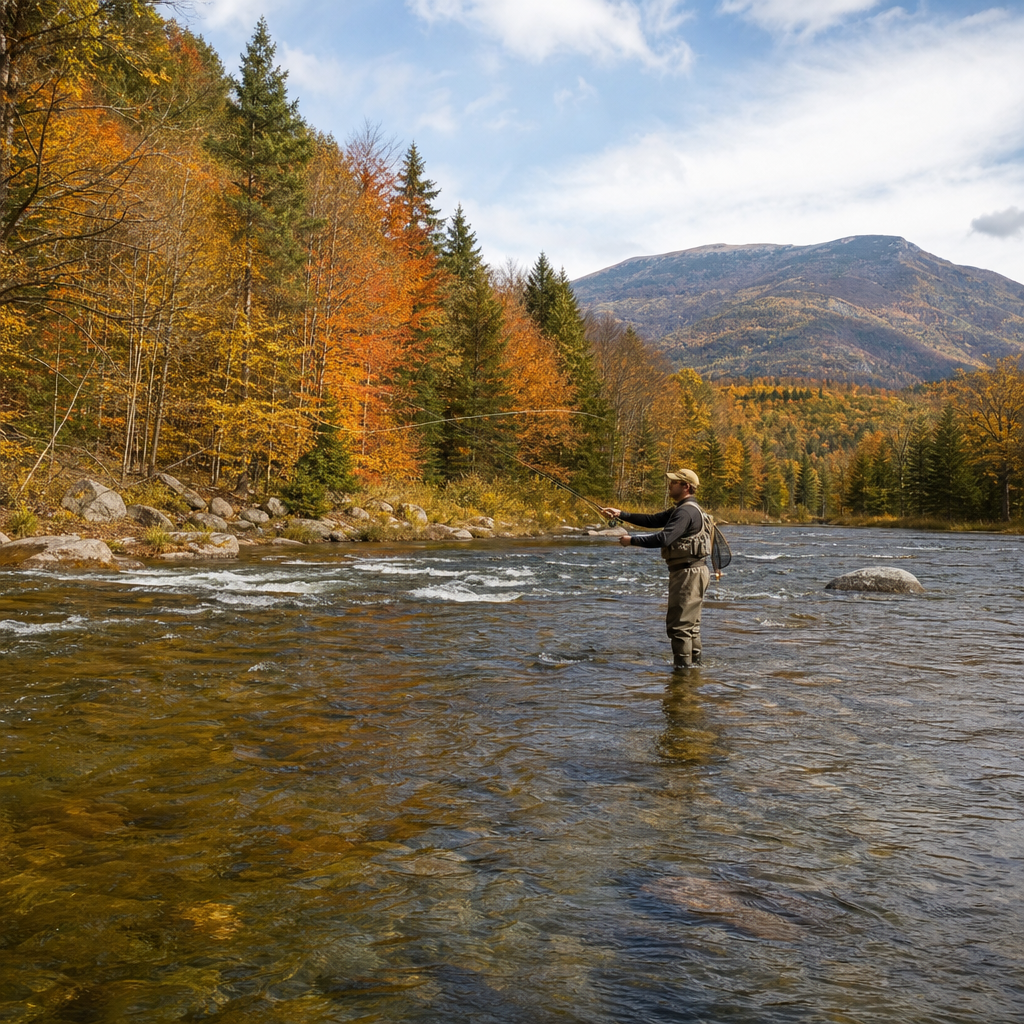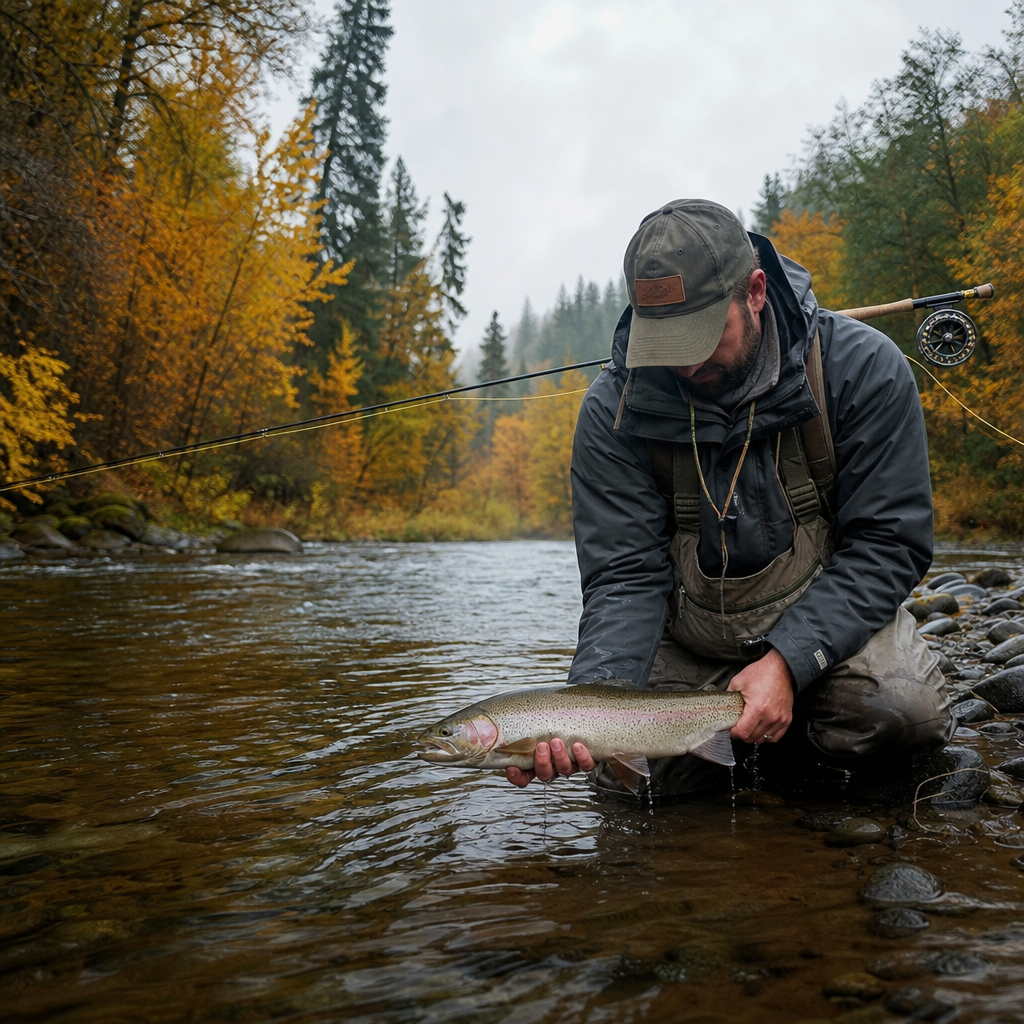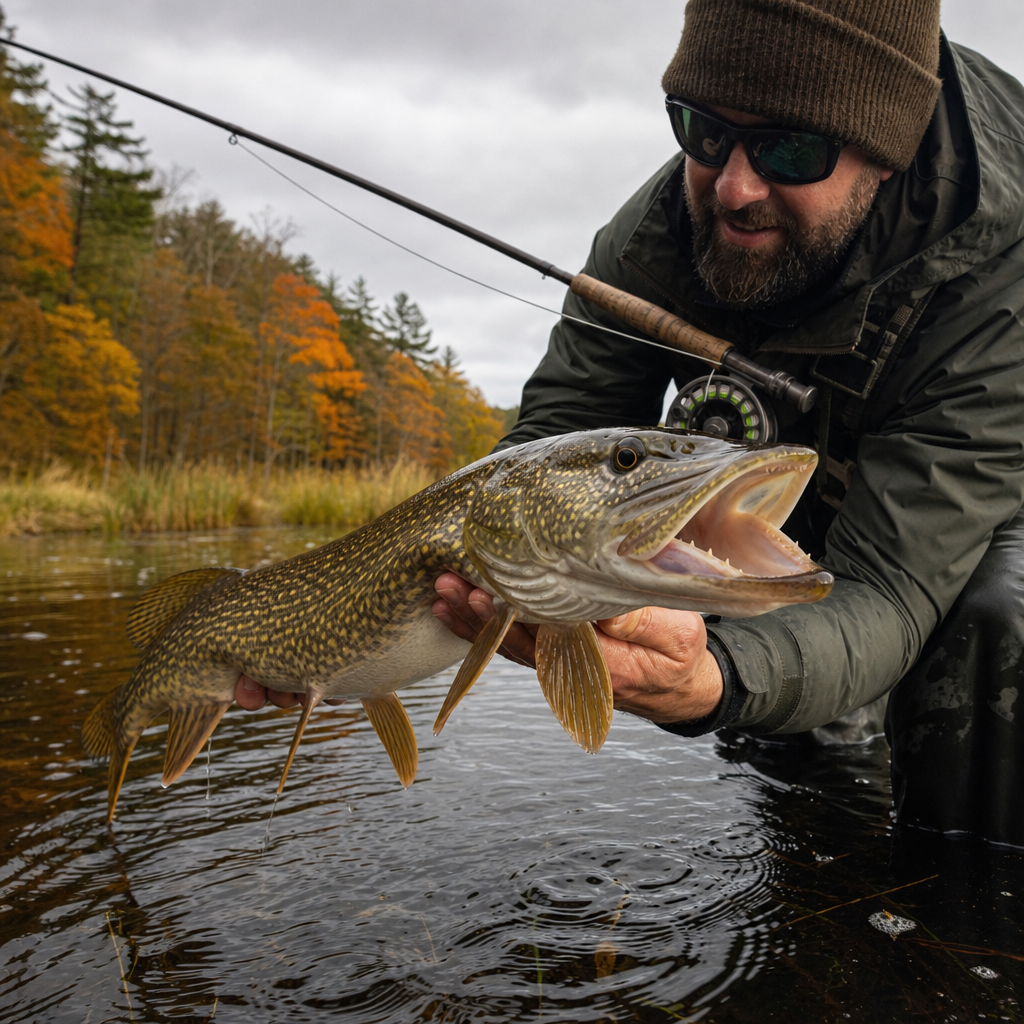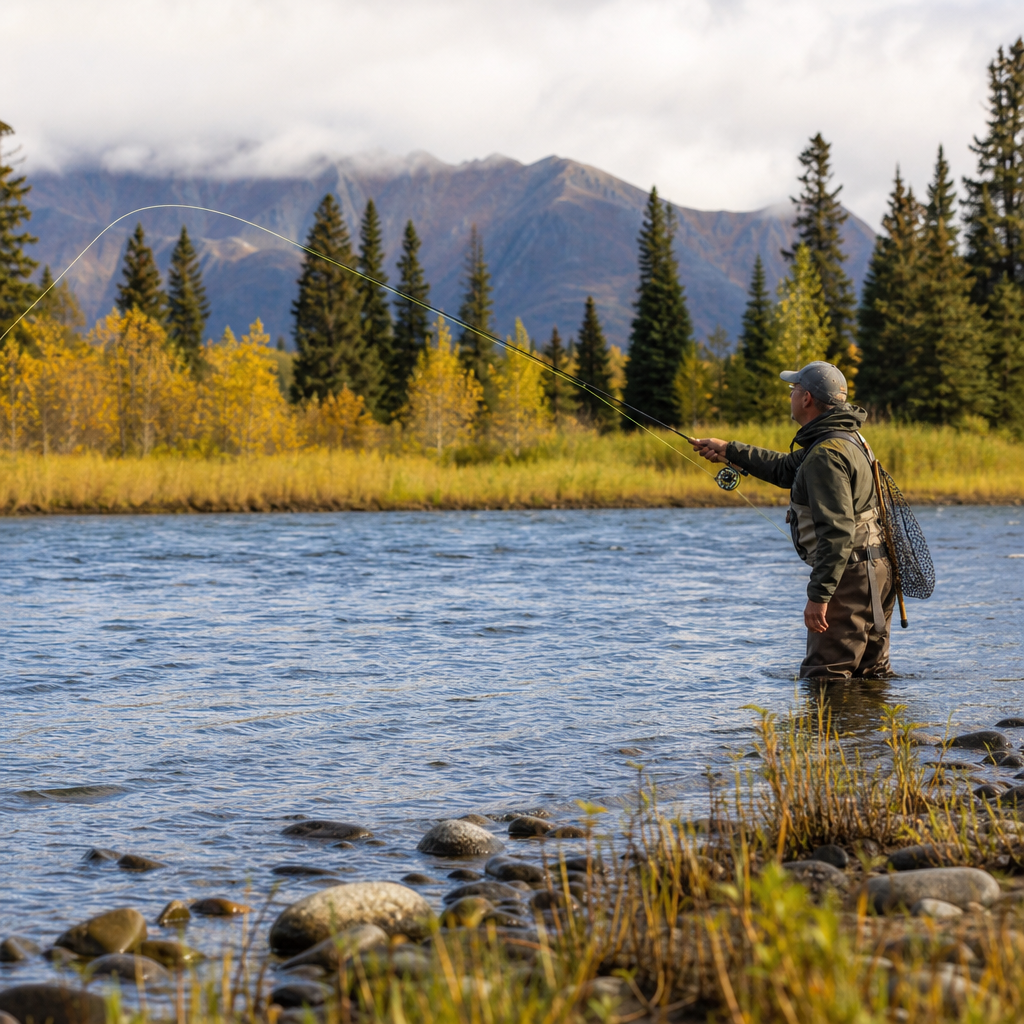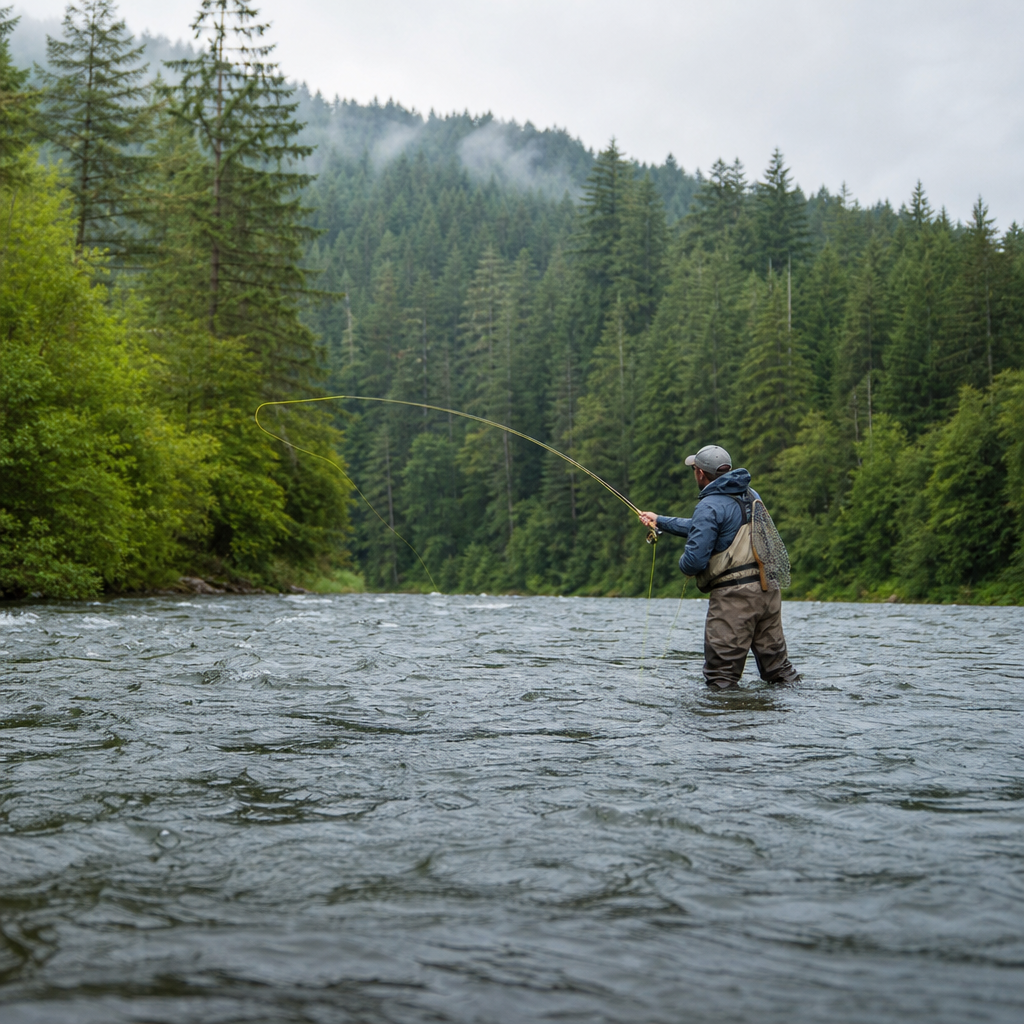
Fly fishing in rising water levels demands a different mindset than fishing stable flows, because trout, bass, and other gamefish react quickly to changes in current speed, water clarity, temperature, and food availability. Rising water levels refer to any period when rivers, streams, or tailwaters are gaining volume from rain, snowmelt, reservoir releases, or tidal influence, often measured as increasing discharge in cubic feet per second on a gauge. In practical terms, even a modest bump can move fish off their usual lies, while a sharp spike can redraw the entire map of holding water in a matter of hours. I have fished enough runoff mornings and post-storm afternoons to know that success rarely comes from casting where fish were yesterday; it comes from understanding where they can hold comfortably right now.
This matters because changing weather conditions are one of the biggest variables in seasonal fly fishing, and rising water is the moment when weather becomes hydraulics. A warming rain on snow can create fast, colored flows. A summer thunderstorm can push a clear freestone stream into a brief, productive stain. A dam release can lift a tailwater without changing local weather at all. Each version of rising water asks the same questions: Where will fish move, what will they eat, and how should you present a fly so it reaches them without dragging unnaturally? Anglers who can answer those questions consistently catch fish when many others stay home or fish unproductive water.
As a hub for weather conditions, this guide focuses on the full decision-making process rather than one narrow tactic. It covers how to read gauges, how different weather events change river behavior, where fish relocate during increasing flows, what flies and rigs work best, and how to manage safety when wading becomes risky. The core principle is simple: fish seek the lowest energy position that still offers access to oxygen and food. Rising water compresses those options, which often makes fish easier to predict if you know the structure to look for. Understanding that relationship between current, cover, and feeding opportunity turns a difficult day into a strategic one.
Before getting into tactics, define three useful terms. Flow is the volume of water moving through a river system, commonly reported by USGS or regional water authorities. Turbidity is the amount of suspended material in the water, which affects visibility and changes fly size, color, and vibration needs. Soft water is any seam, edge, pocket, or inside current where fish can hold with less effort than in the main push. When water rises, productive soft water usually appears near banks, behind obstructions, along flooded grass, and inside broader bends. If you remember nothing else, remember this: during rising water, the best fly fishing usually happens where fast water meets slow water and food gets funneled past sheltered fish.
How weather conditions create rising water
Not all rising water is the same, and your strategy should begin with the cause. Prolonged rain across a watershed generally raises tributaries first, then the main stem, often with increasing stain and floating debris. Short, intense thunderstorms can create dramatic but localized spikes, especially in small creeks with steep gradients. Spring snowmelt raises flows more gradually, though a hot day after a cold night can still create a sharp afternoon bump. Tailwaters below dams behave differently: release schedules may increase flow with little warning, and the water may stay relatively clear and cold even while velocity climbs. Tidal rivers add yet another version, where incoming water can reverse or slacken current temporarily while still pushing levels up.
Each source affects fish behavior in distinct ways. Rain-fed rises usually dislodge worms, cranefly larvae, scuds, baitfish, and terrestrial insects from banks and flooded edges, making opportunistic feeding common. Snowmelt often cools and clouds a river, which can suppress surface activity while improving nymph or streamer fishing along softer margins. Dam releases can flood gravel bars and force fish to the inside edges, but because the water may remain oxygen-rich and temperature-stable, feeding windows can stay strong. As a working rule, the more sudden and dirty the rise, the tighter fish hold to shelter. The steadier and clearer the increase, the more confidently they may slide along seams and mid-depth shelves to intercept food.
Good anglers watch weather upstream, not just overhead. If two inches of rain fell forty miles away, your local bridge may still look manageable while the gauge trend line tells a different story. I rely on USGS hydrographs, dam release notifications, radar history, and water temperature logs before deciding whether a river is about to improve or blow out. The trend matters more than the single number. A river at 900 cfs and climbing hard may fish worse than the same river at 1,200 cfs after it has leveled. Fish adapt to stable high water better than to rapidly changing flows, and that adjustment period is a major part of weather-based planning.
Reading water when levels are climbing
When levels rise, traditional riffle heads and exposed midstream boulders often become too forceful to fish effectively, and fish respond by shifting to refuges with current protection. The prime targets are inside bends, bank eddies, side channels, flooded willow lines, current seams next to grass, backwaters connected to the main flow, and the downstream cushions behind large rocks or timber. On freestone rivers, I often start within one rod length of shore because many anglers instinctively cast too far. Trout that spent yesterday in knee-deep runs may be in twelve inches of softer water today, especially if that thin margin carries enough depth overhead to give them security.
The cleanest way to read a rising river is to break it into three lanes: the main push, the transition seam, and the soft cushion. The main push carries speed and most suspended debris. The transition seam is where food concentrates, especially nymphs, drowned terrestrials, and stunned baitfish. The soft cushion is where fish save energy. Your drift or swing should travel through the seam while your fly remains close enough to the cushion for fish to take it without moving far. This is why high-stick nymphing, tight-line presentations, short streamer casts, and controlled swings across near-bank seams outperform long hero casts in many rising-water situations.
| Water feature | Why fish use it in rising water | Best presentation |
|---|---|---|
| Inside bend | Reduced current speed and concentrated drifting food | Dead-drift nymph under an indicator or tight line |
| Bank eddy | Shelter from main flow with recirculating food | Short cast with mended drift or slow streamer strip |
| Flooded grass edge | Worms, beetles, and baitfish wash from cover | Large nymph, worm pattern, or streamer tight to bank |
| Boulder cushion | Current break with oxygen and protection | Weighted nymph dropped behind structure |
| Side channel seam | Moderate depth and manageable current | Two-fly rig adjusted for mid-depth drift |
Clarity changes how aggressively you should search. In lightly stained water, fish may still inspect a fly carefully, so natural drifts and realistic profiles matter. In heavily colored water, placement and visibility matter more than perfect imitation. I shorten my drifts, cover water systematically, and cast closer to structure because fish will not move far. A useful rule is that if you can only see a boot top deep, fish likely need the fly almost on their nose. If you can see eighteen to twenty-four inches, they may track a streamer or slide a foot or two to a nymph. Reading visibility this way helps determine both target selection and fly choice.
Fly selection, rigs, and presentation adjustments
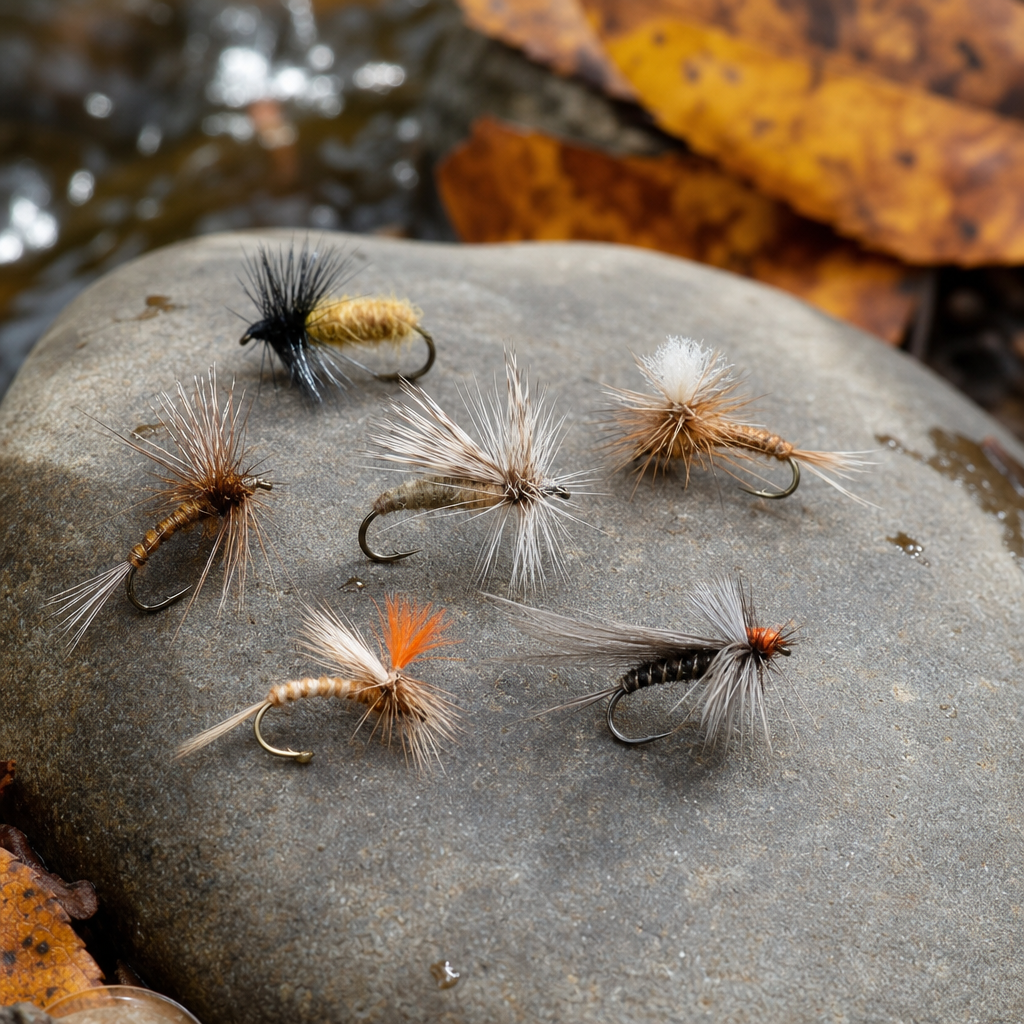
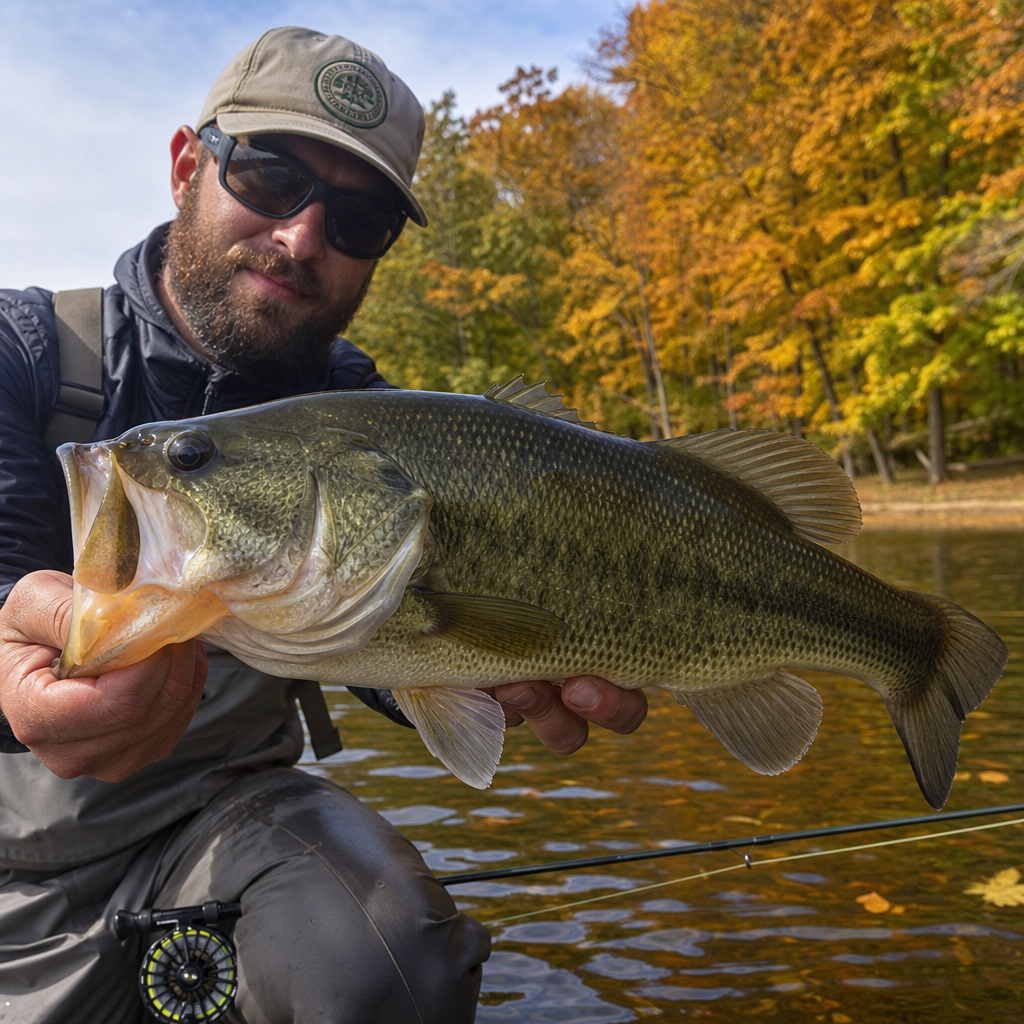
The best flies for rising water match what increased flow dislodges and what fish can find easily. For trout, that usually means stonefly nymphs, San Juan Worms where legal and appropriate, egg patterns in spawning systems, larger mayfly nymphs, sculpin streamers, leeches, and dark attractor patterns with strong silhouettes. For bass and warmwater species, baitfish streamers, crayfish patterns, and bulky rubber-legged flies excel around flooded cover. Color matters more as turbidity increases. Black, olive, purple, and brown often outproduce pale shades because they create a stronger outline, while a hot spot in orange or pink can help fish locate the fly in stained water.
Weight and depth control are more important than exact pattern names. Split shot, tungsten beads, jig hooks, sink-tip lines, and heavier leaders all help put the fly in the narrow feeding lane where fish are holding. I generally fish shorter leaders than I would in summer low water, because turnover and contact matter more than delicacy. On an indicator rig, move the indicator closer than you think if the target seam is short and near shore; long drifts are often unnecessary. In tight-line setups, keep the sighter off conflicting currents as much as possible so the flies sink immediately. For streamers, use quartering casts and controlled strips rather than broadside presentations that allow the fly to skate above the strike zone.
Presentation should match fish mood and river pace. In the first stage of a rise, before water becomes very dirty, fish often feed aggressively on drifting subsurface food, and dead drifts with occasional lift can be excellent. As flows continue upward and clarity drops, a slower, more deliberate streamer presentation near banks, root wads, or soft ledges can trigger reaction eats. On tailwaters with increased release but decent clarity, swinging soft hackles or wet flies through inside seams can be deadly because fish line up along predictable edges. Whatever the method, keep changing only one variable at a time: depth first, then angle, then fly size, then color. That sequence solves problems faster than random switching.
Safety, timing, and common mistakes
Rising water can create outstanding fishing, but it also creates the most preventable accidents in river angling. The hazard is not just depth; it is force. A rise of a few inches can double the difficulty of a crossing if the channel narrows or the bottom is slick. Debris, undercut banks, and cold inflows increase the risk. I treat any fast-rising river as a bank-fishing day first and a wading day second. Wear a wading belt, use a staff, and keep an exit route in mind whenever fishing bars that may flood behind you. On tailwaters, never assume generation schedules are final; unexpected release changes happen, and sirens do not reach every bend.
Timing matters almost as much as technique. Many rivers fish best on the front edge of a rise or just after flows stop increasing rapidly. During the front edge, food gets displaced before the river becomes too dirty. After the peak, fish often settle into stable soft water and feed with more consistency. The least productive period is often the chaotic middle, when levels are jumping, debris is thick, and fish are still repositioning. Morning versus afternoon can also matter in snowmelt systems because overnight cooling may lower runoff temporarily, while warm afternoons accelerate it. In rain events, the opposite may happen if a storm cell arrives late and pushes water up overnight.
The most common mistake is fishing where the river looks familiar instead of where fish can actually hold. The second is over-wading and casting beyond the most productive seam near shore. The third is using flies that are too small or too light for the conditions. Another frequent error is ignoring local regulations during dirty-water opportunism; some anglers drift bait-like patterns through spawning closures or protected tributary mouths, which is both unethical and often illegal. Finally, do not confuse stained water with unfishable water. A river with eighteen inches of visibility can be excellent. A river carrying logs and chocolate mud usually is not. Check gauges, adjust your plan, and fish the edges with purpose the next time levels rise.
Fly fishing in rising water levels rewards anglers who think like river readers rather than routine casters. The key takeaways are consistent across seasons and weather patterns: identify why the water is rising, watch the trend instead of one gauge number, target soft water beside fast current, and adjust flies for visibility and depth before changing everything else. Fish move to conserve energy, not to disappear. If you can map current breaks, seams, and flooded feeding lanes, you can predict their location with surprising accuracy. That makes rising water less of a gamble and more of a tactical opportunity, whether you are chasing trout in a freestone runoff bump, bass along flooded banks, or tailwater fish responding to a release increase.
As the central guide to weather conditions within a broader seasonal approach, this topic connects naturally to decisions about rain, wind, cold fronts, heat, snowmelt, and barometric shifts. Rising water is where those variables become visible on the river, and learning to interpret them improves every future outing. Start by studying one home water closely. Compare rainfall totals to gauge changes, note where fish appear during different stages, and keep a simple log of clarity, temperature, and productive structure. Over time, patterns emerge that no generic advice can replace. The benefit is confidence: instead of canceling trips when the river changes, you will know how to adapt. The next time water starts climbing, fish smart, stay safe, and put these strategies to work.
Frequently Asked Questions
What changes in fish behavior should anglers expect when water levels are rising?
When water levels begin to rise, fish usually stop behaving like they do under stable, predictable flows. Trout, bass, and other gamefish often shift out of the fastest main current and look for places where they can conserve energy while still intercepting food. That typically means softer seams, current breaks behind rocks, inside bends, flooded banks, side channels, eddies, and slower water along the edges. As discharge increases, fish may slide surprisingly close to shore, especially if the middle of the river becomes too powerful to hold comfortably. In many cases, feeding windows can actually improve for a period because rising water dislodges nymphs, worms, baitfish, crayfish, and other forage. Fish recognize that influx of food and may feed aggressively, but they usually do it from safer positions rather than from the open flow. Water clarity also plays a major role. If the river is only slightly stained, fish may become less wary and more willing to chase larger flies. If the water turns heavily off-color, they will often feed by feel and proximity, making presentation angle, fly profile, vibration, and depth more important than exact imitation. The key is to stop thinking about where fish were yesterday and start reading where they can rest and feed today.
Where are the best places to cast during rising flows?
The best water during rising levels is rarely the obvious fast run or deep middle channel that looks fishy under normal conditions. Instead, focus on “refuge water” that gives fish protection from heavy current while still delivering food. Productive targets include soft seams next to fast lanes, pockets behind boulders, submerged timber edges, undercut banks, tailouts that are not yet blown out, and flooded grassy margins where current slows enough for fish to hold. On larger rivers, look for back eddies, side channels, creek mouths, and transition zones where dirty and clearer water meet. In tailwaters, changes in release volume can push fish toward banks, gravel bars, and inside bends that create softer holding water. On freestone streams, newly inundated edges can be especially effective because terrestrials, worms, and dislodged insects get swept into those margins. Make your casts short and deliberate before you cast far, because many fish move closer than anglers expect during elevated flows. Cover water methodically from the bank outward, paying close attention to any place where fast water meets slow water. Those transition lines act like conveyor belts of food, and fish often position just inches off the main push to feed efficiently.
What fly patterns and rigging setups work best in stained or rising water?
In rising water, your fly selection should match two things above all else: visibility and food availability. As flows increase, many successful anglers lean into larger, more noticeable patterns that fish can find quickly. For trout, that often means stonefly nymphs, San Juan worms, egg patterns where appropriate, larger mayfly nymphs, leeches, and streamers with a strong silhouette. For bass and other warmwater species, crawfish patterns, baitfish imitations, darker streamers, and flies with bulk and movement tend to perform well. Color choices matter too. In slightly stained water, natural olives, browns, blacks, and tans often remain effective. As turbidity increases, high-contrast colors such as black, purple, chartreuse, or combinations with flash can help fish locate the fly. Rigging should prioritize depth control and strike detection. A heavier nymph setup with split shot or tungsten flies is often necessary to get down quickly in faster, denser flow. Under an indicator, shorten the drift range so you maintain better contact and avoid excessive drag. If streamer fishing, use sink tips or weighted flies to keep the presentation in the strike zone rather than letting it skate above fish. In dirty water, fish usually will not move as far, so your drift or retrieve needs to put the fly close to them. Think less about subtlety and more about getting a visible, believable meal in front of fish that are holding tight.
How should anglers adjust their presentation and approach as water continues to rise?
Presentation in rising water is usually about control, efficiency, and adapting quickly. Start by slowing down your approach and fishing closer targets first. Elevated water often pushes fish toward the edges, so wading aggressively into the river can put you on top of the very fish you are trying to catch. Keep a low profile, work from downstream when possible, and make short drifts into soft holding water before extending farther into the run. Depth is critical, so if you are not occasionally ticking bottom with nymphs in likely lies, you may not be deep enough. Adjust weight often rather than assuming one setup will work across the entire river. With streamers, change your retrieve to match fish mood and water temperature: sometimes a steady swing works, but in many rising-water situations, short strips, pauses, and broadside movement near cover are more effective. Mending becomes more important as current speed differences increase, because drag develops quickly when fast and slow lanes sit side by side. You should also pay close attention to how rapidly conditions are changing. A river that is fishable and productive in the morning can become muddy, pushy, or unsafe by afternoon. Successful anglers monitor the trend, not just the moment, and keep adjusting fly size, weight, angle, and target water as the river evolves.
What safety considerations matter most when fly fishing during rising water conditions?
Safety should be the first consideration anytime flows are increasing, because rising water can change from manageable to hazardous faster than many anglers expect. Stronger current, reduced visibility, unstable footing, floating debris, and rapidly disappearing crossing routes all increase risk. Before fishing, check stream gauges, weather radar, dam release schedules, and local river reports so you understand whether the rise is gradual, sudden, or still accelerating. Even a modest increase in cubic feet per second can make familiar wades dangerous, especially in rivers with slick bottoms or narrow channels that concentrate force. Once on the water, avoid crossing unless absolutely necessary, use a wading staff, wear a belt, and give yourself a strict limit for current speed and depth. If the water is rising against the bank where you entered, that is a sign to reassess immediately. In storm-fed systems, watch for rapidly darkening water, floating grass, and increased debris, all of which can signal a bigger surge upstream. In tailwaters, never ignore sirens, horn warnings, or posted generation notices. Fishing from the bank more than usual is often the smartest choice during unstable conditions. Good anglers know that productive water is never worth a dangerous decision, and the best rising-water strategy is one that gets you home safely while still allowing you to fish intelligently.