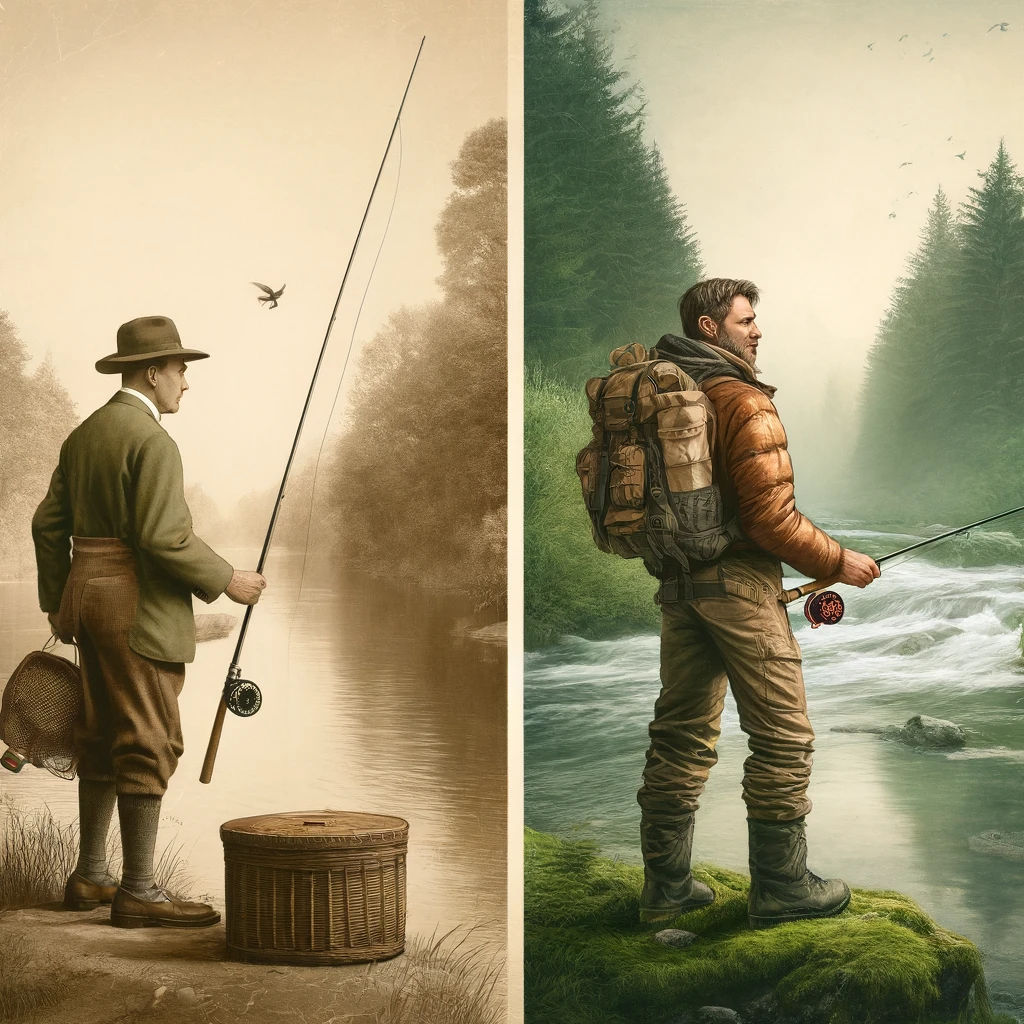
If you’re just getting started with fly fishing or even if you’re an experienced angler refining your craft, having the right gear and equipment can make all the difference. This article lays out an essential list of fly fishing accessories you won’t want to leave home without. From rods and reels to flies and waders— we’ll cover it all.
Introduction to Fly Fishing Accessories
Fly fishing is more than just a hobby; it’s an art form. Yet, like any art, it requires the right tools. Whether you’re casting on a sparkling mountain stream, a quiet lake, or a roaring river, your gear is crucial to your success and enjoyment. The beauty of fly fishing lies not only in its simplicity but also in the intricacies of its required equipment. Let’s dive into what makes a complete fly fishing setup.
The building blocks of any fly fishing setup start with your rod and reel. However, to truly enjoy and excel in this sport, you’ll need to go beyond these two fundamental items. From backing and lines to leaders and tippets, there’s an array of gear designed to enhance your experience.
For newcomers, the multitude of items can be overwhelming. Seasoned anglers, too, can get lost in the gear labyrinth. This guide aims to simplify these complexities, providing you with a clear understanding of what you need and why you need it. Covering the basics helps you make informed decisions, ensuring your fly fishing adventures are both successful and enjoyable.
Essential Rods and Reels
The backbone of fly fishing is undoubtedly the rod and reel. Selecting the right rod involves understanding its weight, length, and action, which are tailored to specific fishing conditions and target fish.
The Rod
Fly rods are categorized by weight (WT), usually ranging from 1WT to 12WT. For instance, a 5WT rod is versatile for a variety of conditions and species, making it an excellent choice for beginners. Most rods generally range from 7 to 10 feet in length, with longer rods aiding distance casting and shorter rods offering better control in tight spaces.
The Reel
Next comes the reel, designed to complement the rod in weight and balance. Reels vary based on drag systems and capacity. For freshwater fishing, a click-and-pawl drag system, which is simple and straightforward, is often sufficient. However, for larger fish and saltwater environments, a disc drag system offers more stopping power and control.
In addition to weight and drag, consider the reel’s arbor size. Large arbor reels pick up line quickly, which is helpful when a fish makes a powerful run. Middle and small arbor reels might be slower but are more compact and easier to manage for smaller species.
Lines, Leaders, and Tippets
With your rod and reel sorted, the next step is to focus on the line, leader, and tippet—three crucial components of your fly fishing setup.
Fly Line
Fly lines come in different tapers and weights. For beginners, weight forward (WF) lines are generally the best choice due to their versatility and ease of casting. The line weight should match the rod weight for balance. There’s also a floating line, which is the most versatile for various conditions.
Leader
The leader is a clear, tapered length of line that transfers energy from the fly line to the fly, providing a delicate presentation. Leaders are usually between 7.5 to 9 feet long. The thickness of the leader diminishes from the fly line to the fly, helping to turn over the fly smoothly.
Tippet
The tippet is the final section of the leader system, directly tied to the fly. Think of it as an expendable piece; it helps in presenting the fly and maintaining the leader’s length without continuously replacing it. Tippet material varies in size (X system), with smaller numbers indicating thicker diameters. For example, a 5X tippet is thinner than a 2X.

Flies: The Imitation Game
Choosing the right fly is an art in itself. The type of fly used can mean the difference between a successful day on the water and going home empty-handed.
Dry Flies
Dry flies float on the water surface, mimicking adult insects like mayflies, caddisflies, or stoneflies. Common dry flies include the Adams, Elk Hair Caddis, and Royal Wulff. They are particularly effective during insect hatches when fish feed on the surface.
Nymphs
Nymphs imitate the underwater stages of aquatic insects. Unlike dry flies, nymphs are fished below the surface. Popular patterns include the Pheasant Tail, Hare’s Ear, and Prince Nymph. These are effective year-round and especially crucial when fish feed sub-surface.
Streamers
Streamers resemble larger prey like minnows or leeches. They are fished by casting and retrieving the fly, mimicking the motions of small fish. Well-known streamer patterns include the Woolly Bugger, Clouser Minnow, and Muddler Minnow. These are effective for targeting larger fish.
Terrestrials and Wet Flies
Terrestrials imitate land insects that fall into the water, such as ants, beetles, and grasshoppers. Meanwhile, wet flies mimic submerged insects and can be fished at various depths. Popular wet flies include the Soft Hackle and the Winged Coachman.
Having a variety of these fly types in your box ensures that you’re ready for any fishing situation you encounter, catering to the diverse feeding habits of fish.
Waders and Boots
Waders and boots might not be the first thing that comes to mind when thinking about fly fishing, but they are essential for accessing those hard-to-reach spots.
Waders
Waders come in various materials like neoprene or breathable fabrics. Neoprene waders are great for cold water due to their insulating properties. Breathable waders, made from Gore-Tex or similar materials, are versatile for various conditions and allow moisture to escape, keeping you comfortable during long outings.
Boots
Fly fishing boots are designed for wading through slippery, rocky riverbeds. They should offer good ankle support and a firm grip. Felt soles provide excellent traction on wet surfaces but can carry invasive species between watersheds. Rubber-soled boots outfitted with metal studs offer a balance between grip and prevent cross-contamination issues.
Accessories
Adding gravel guards to your waders helps prevent debris from entering your boots, and using wading belts provides extra safety and security, helping to keep water out if you take a tumble.
Tools and Accessories
Having the right tools and accessories can make your fly fishing trips smoother and more enjoyable.
Nippers and Forceps
Nippers are essential for cutting tippet material cleanly. Forceps, on the other hand, are multipurpose tools useful for removing hooks, pinching barbs, and dealing with tangled lines. Both are small yet indispensable items that fit easily into your vest or pack.
Fly Box
A well-organized fly box keeps your flies safe and sorted. Choose a waterproof fly box to avoid the hassle of drying and replacing wet flies. Having separate compartments or foam slits helps in organizing different types and sizes of flies efficiently.
Landing Net
A landing net with a rubber or soft mesh bag helps ensure you land fish safely and reduce stress or injury to the fish. Using a net can also aid in managing fish more effectively when catching and releasing. A good net often comes with a secure clip to attach to your vest or pack.
Conclusion
In conclusion, having the right fly fishing accessories can significantly enhance both your comfort and success while out on the water. From selecting the appropriate rod and reel to choosing the right fly, and ensuring you have the necessary tools and waders, each element plays a critical role in your overall fly fishing experience. Remember, the goal is to enjoy the journey as much as the catch. Fly fishing is about connecting with nature, refining your skills, and of course, catching fish. Equipping yourself with the right gear allows you to focus on these joys rather than struggling with inadequate equipment.
Whether you’re a newcomer gearing up for your first outing or a seasoned angler looking to refresh your setup, use this guide as your foundation. With the right gear, you’re all set for countless hours of successful, enjoyable fly fishing. Tight lines!