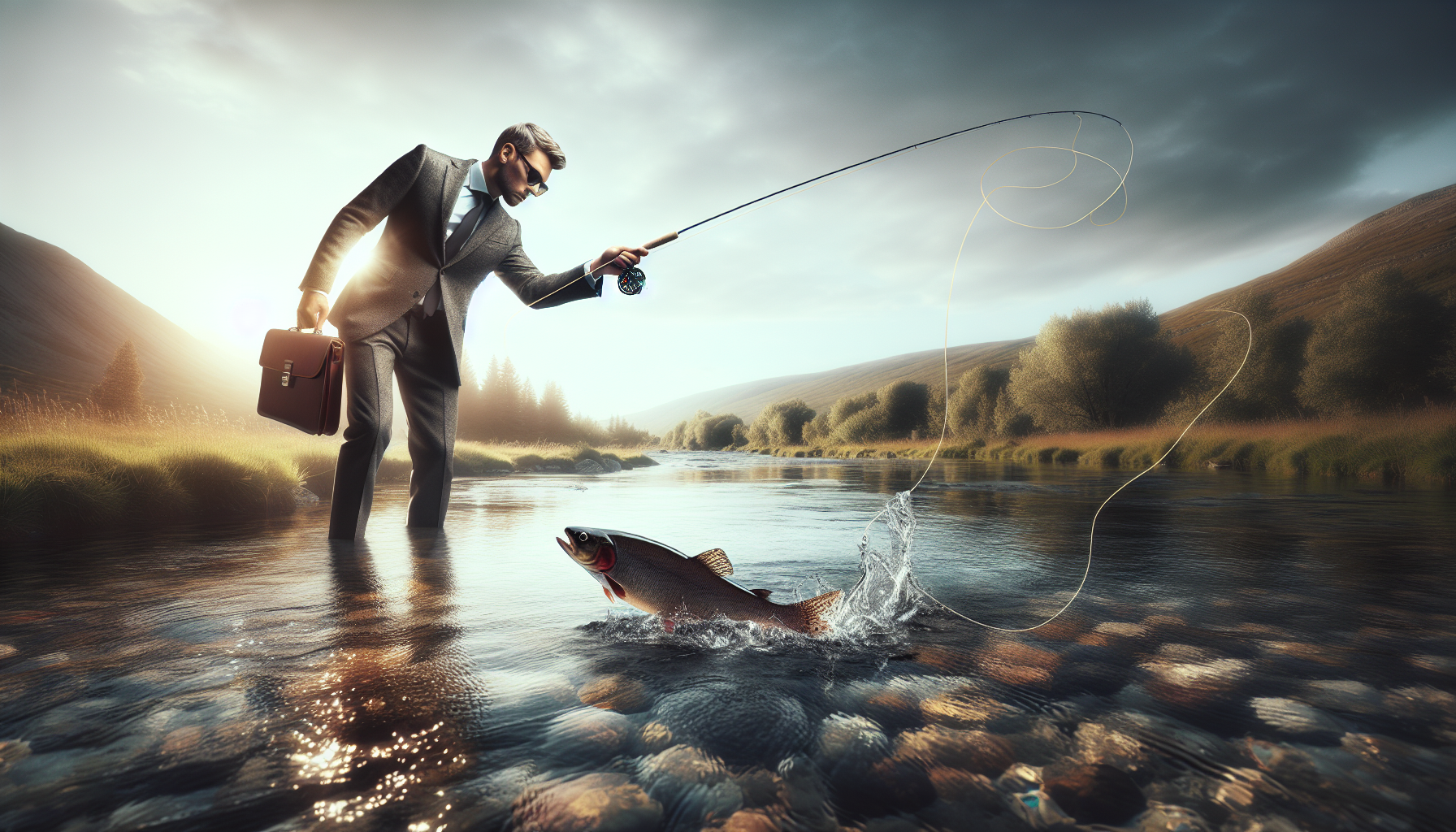
Catch and release is a fisheries conservation practice in which an angler captures a fish, handles it as briefly and carefully as possible, and returns it to the water alive. In practical terms, effective catch and release means more than simply letting a fish go. It includes tackle selection, landing speed, hook removal, air exposure limits, revival technique, and species-specific handling. I have seen strong fish swim off only to roll over minutes later because they were overplayed, squeezed, or held out of the water for photos. Done well, catch and release protects breeding stock, sustains popular fisheries, and supports ethical angling without ending harvest entirely where regulations allow.
The reason this topic matters is straightforward: released fish do not all survive, and mortality rates can vary dramatically by species, water temperature, hook type, and handling method. Research from agencies such as NOAA Fisheries, state fish and wildlife departments, and peer-reviewed fisheries journals consistently shows that survival improves when anglers reduce fight time, keep fish wet, avoid damaging gills, and use gear matched to the target species. A trout released in cold, oxygen-rich water after a quick netting may recover well. A deep-caught bass fizzing at the surface, or a warm-water muskie fought to exhaustion, faces a more difficult outcome. Good intentions are not enough; technique determines results.
As a sub-pillar within conservation and ethics, this catch and release hub article is designed to give anglers a complete framework they can apply across freshwater and saltwater species. It defines the core principles, explains why some fish require special treatment, and highlights where methods diverge between trout, bass, pike, muskie, catfish, salmon, redfish, snook, tarpon, bonefish, and reef species. It also addresses common questions directly: What gear reduces injury? Are barbless hooks always better? How long can a fish safely stay out of water? When should you avoid catch and release altogether? If you fish regularly, these decisions come up on every trip. Getting them right is one of the clearest ways to align successful angling with long-term fishery health.
Core Principles of Catch and Release
The best catch and release technique begins before the cast. Use tackle heavy enough to land fish quickly, because long fights build lactic acid, reduce equilibrium, and increase post-release mortality. Pair rod power, line strength, drag setting, and hook style to the fish you expect, not the fish you hope for. Circle hooks are a strong choice when fishing natural bait for species likely to swallow deeply, including catfish, striped bass, redfish, and many inshore saltwater species. Single hooks generally cause less damage and are easier to remove than trebles, although trebles remain common on hard baits. When regulations permit, pinching barbs speeds release and reduces tissue damage.
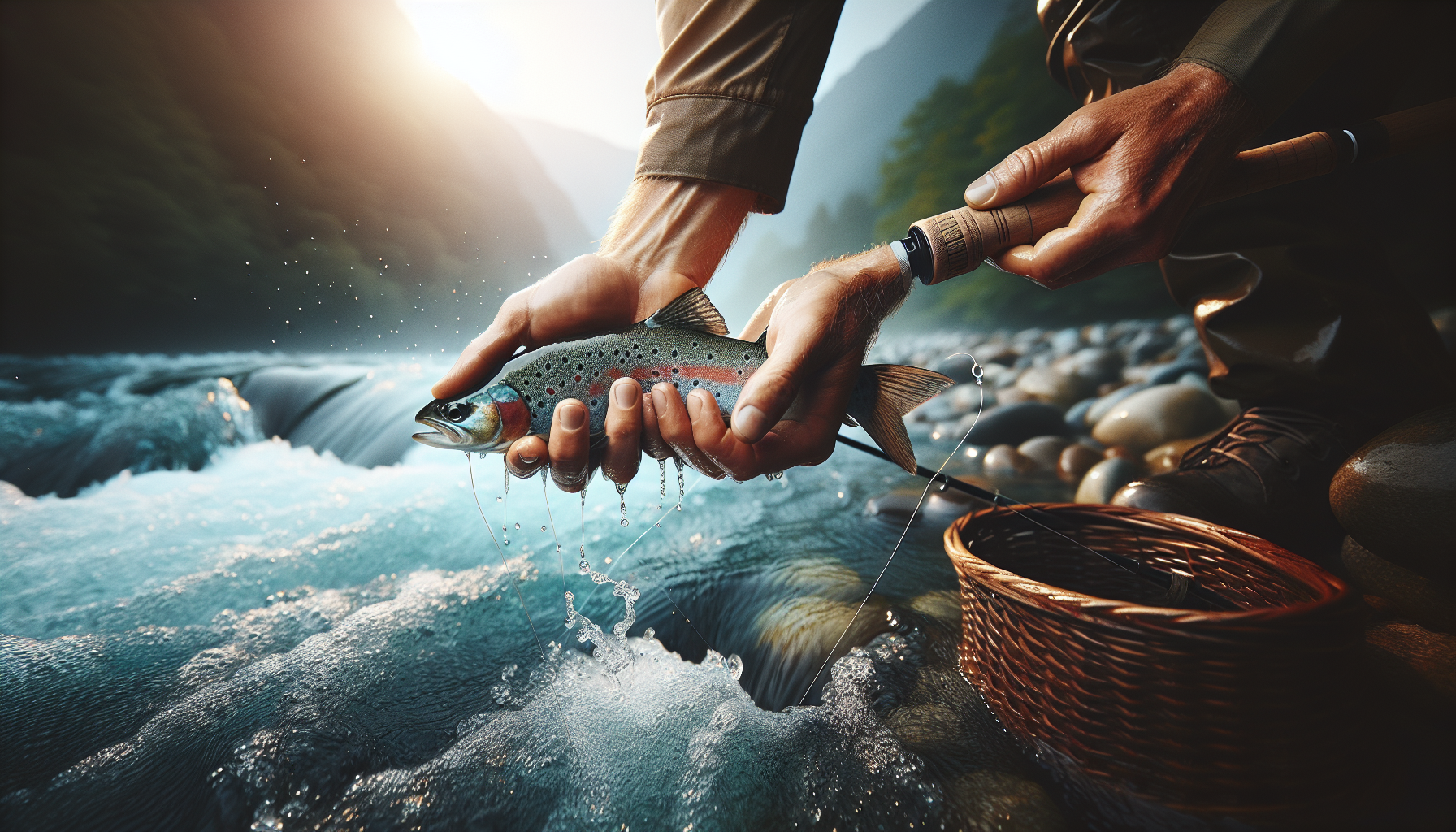
Landing tools matter. A rubberized, knotless net protects scales, fins, and slime better than old nylon mesh, which can abrade skin and tangle hooks. Long-nose pliers, hemostats, hook cutters, and dehooking tools should be within reach, not buried in a tackle bag. Once the fish is landed, support it horizontally whenever possible. Large fish handled vertically by the jaw can suffer injury to the mouth, gill arches, or internal organs. Never insert fingers into the gills unless regulations, species, and immediate harvest clearly justify it. Wet hands before touching fish with delicate skin coatings such as trout, salmon, bonefish, and snook, because the mucus layer helps resist infection.
Air exposure is a major controllable risk. A practical standard many guides use is to keep total air exposure under ten seconds when possible, especially in warm water or for sensitive species. If you want a photo, prepare the camera first, lift the fish briefly, then return it to the water. Revival is not simply holding a fish in place for a long time; it is stabilizing the fish until it can maintain balance and swim away with force. In rivers, face the fish into moderate current. In boats, idle carefully if needed to move water across the gills, but never force a fish backward at speed. If a fish cannot remain upright after careful revival, conditions may already be beyond safe release.
Species-Specific Catch and Release Techniques
Different species respond differently to stress, handling, and environmental conditions. Trout are among the most temperature-sensitive sport fish. In many wild trout streams, water above about 68 degrees Fahrenheit creates a serious release risk because dissolved oxygen falls as temperatures rise. During summer, experienced trout anglers shift to early morning, use heavier tippet to shorten fights, and sometimes stop fishing entirely during thermal stress periods. Keep trout submerged as much as possible, use a rubber net, and avoid squeezing the abdomen. If a hook is deeply embedded, cutting the line may be safer than prolonged extraction.
Bass are comparatively resilient, which is one reason catch and release helped build trophy largemouth and smallmouth fisheries across North America. Even so, resilience has limits. During the spawn, bedded bass released far from the nest may lose eggs or fry to predators. Deep-hooked fish caught on live bait face elevated mortality, and bass pulled from deep structure can suffer barotrauma, particularly spotted bass and smallmouth in reservoirs. Anglers should learn to recognize bulging eyes, an everted stomach, or inability to descend. In many cases, descending devices are preferable to improvised methods. For pike and muskie, speed and tools are everything: jaw spreaders used correctly, long pliers, hook cutters, and large cradles reduce chaos and injury around multiple trebles and powerful fish.
Catfish, carp, and sturgeon require a different mindset. These fish are strong, durable in some respects, but vulnerable to poor support because of their size. Flathead catfish, blue catfish, and large common carp should be held horizontally with two hands, not suspended by the jaw or lip grips alone. Sturgeon handling is tightly regulated in many fisheries; some jurisdictions prohibit removing them from the water entirely. Salmon and steelhead need careful treatment during upriver migrations, when energy reserves are already committed. Saltwater species add another layer. Bonefish, permit, and tarpon are iconic release fisheries, yet each has a specific risk profile. Bonefish should be kept in the water and never placed on dry sand. Tarpon can often be controlled boat-side for a quick release without hauling them over the gunwale. Snook, redfish, and striped bass benefit from wet handling and rapid release, particularly during hot weather.
Best Techniques by Species Group
| Species group | Primary risk | Best practice | Common mistake |
|---|---|---|---|
| Trout and char | Warm water stress, slime loss | Use rubber nets, wet hands, minimal air exposure, stop fishing during high temperatures | Dry-hand handling and long photo sessions |
| Largemouth and smallmouth bass | Deep hooking, spawning disruption, barotrauma in deep water | Use appropriate hooks, land quickly, return bedding fish near capture site, use descenders when needed | Transporting fish around for weigh-style photos |
| Pike and muskie | Hook entanglement, prolonged net time | Have cutters and pliers ready, keep fish in large net or cradle while unhooking | Trying to save every hook instead of cutting trebles |
| Catfish, carp, sturgeon | Structural injury from poor support | Support the belly, use two hands, follow local handling rules strictly | Holding large fish vertically for photos |
| Bonefish, redfish, snook, tarpon | Air exposure, predation after release, heat stress | Keep fish in water, revive fully, release away from sharks when possible | Dragging fish onto shore or deck |
| Deepwater reef fish | Barotrauma | Use descending devices and recompression methods approved locally | Floating fish on the surface after release |
Freshwater and Saltwater Scenarios Anglers Face
Real-world catch and release decisions often happen fast. In a drift boat on a western river, the challenge is usually current, hook position, and keeping trout wet while controlling the boat. In a bass tournament, the issue may be livewell management, fizzing protocols where legal and appropriate, and minimizing cumulative stress before release. In a muskie boat, one fish can turn the deck into a hazard zone of hooks, net mesh, and thrashing power. The disciplined approach is to leave the fish in the water in a large bagged net, cut hooks first, then lift only if a brief measurement or photo is clearly safe.
Saltwater presents additional complexities that many inland anglers underestimate. Predation after release is a documented issue in some tarpon, bonefish, and reef fisheries, especially where sharks congregate near boats, bridges, or channels. That means “strong swim-off” is not the only standard; location matters. Move the fight away from predators when possible and release fish where they have a realistic chance to recover. For reef species such as snapper and grouper, depth can be the defining factor. NOAA and Gulf state guidance strongly support descending devices because many fish cannot overcome barotrauma unaided. Simply venting with a hollow needle is no longer the default recommendation in many fisheries due to risk of injury and operator error.
Seasonal conditions also shape outcomes. Winter catch and release can be excellent for some species because colder water holds more oxygen, but freezing air can damage gills and eyes if fish are exposed. Summer is often the most dangerous period for trout, striped bass, and any species in low-oxygen water. During heat waves, ethical anglers adjust by fishing at dawn, avoiding long fights on light tackle, and skipping target species that are under thermal stress. These decisions rarely make social media, but they matter more than any release photo. Conservation ethics is often quiet: choosing not to fish a species when survival odds are poor.
Gear, Regulations, and Ethical Limits
The most effective catch and release gear is simple and deliberate. Carry hook cutters strong enough for saltwater trebles, not just panfish pliers. Use nets sized for the target species, with coated mesh that will not strip slime. Replace rusty hooks, tune drag systems, and inspect leaders so a fight does not become prolonged because of preventable tackle failure. For fly anglers, heavier tippet often improves survival by reducing fight time, even if it feels less sporting. For bait anglers, non-offset circle hooks significantly reduce gut hooking when used properly, especially with steady pressure rather than a hard hookset.
Regulations are part of ethical technique, not a separate issue. Many jurisdictions specify seasonal closures, temperature-based advisories, mandatory descending devices, hook restrictions, or no-targeting periods for spawning fish. Those rules usually reflect local biological data. For example, some trout waters impose hoot-owl closures during summer afternoons; some saltwater fisheries require inline circle hooks when using natural bait; some sturgeon systems prohibit beaching or lifting fish from the water. Anglers who want to practice responsible catch and release should read agency guidance before each season, because species status, water conditions, and handling recommendations change.
There are also times when catch and release is not the ethical answer. A mortally injured fish, where lawful harvest is allowed and the fish is within regulation, may be better kept than wasted. Conversely, protected species must still be released, making prevention even more important through gear choice and avoidance strategies. The central principle is honesty. If conditions, tackle, or target choice make survival unlikely, changing tactics is the responsible move. Catch and release works best when anglers treat release as a biological outcome to manage, not a slogan to display.
Catch and release techniques for different species are not complicated once anglers understand the patterns. Match gear to the fish so fights stay short. Keep fish wet, support them properly, and limit air exposure. Use species-appropriate tools, from rubber nets for trout to hook cutters and large cradles for pike and muskie, and descending devices for deepwater reef fish. Recognize that trout in warm water, bass from depth, migrating salmonids, and inshore saltwater fish around predators each require different decisions. The common thread is respect for physiology: oxygen demand, body structure, hook location, and recovery capacity determine survival far more than intention alone.
As the hub page for catch and release within conservation and ethics, this article establishes the foundation that every specialized guide should build on. The details matter because fisheries are local, seasonal, and species-driven. A method that works for a farm-pond largemouth can injure a wild brown trout; a quick deck photo that seems harmless with a channel cat can be costly for a bonefish or snook. Responsible anglers learn these differences, carry the right tools, and adapt when water temperature, depth, or spawning behavior changes the risk. Better release practices protect trophy potential, preserve breeding fish, and improve the quality of angling over time.
If you want to make an immediate difference, start with three habits on your next trip: upgrade to fish-friendly landing tools, prepare for release before you cast, and stop targeting vulnerable species when conditions turn against them. Those choices save fish. They also make you a more disciplined, credible angler—someone who values the resource as much as the catch. Use this hub as your baseline, then apply species-specific guidance every time you fish.
Frequently Asked Questions
What does effective catch and release actually involve beyond simply putting the fish back in the water?
Effective catch and release is a full process, not a single moment at the end of the fight. The goal is to minimize physical injury, physiological stress, and delayed mortality so the fish has a realistic chance of surviving after release. That starts with using tackle that matches the species and conditions so the fish can be landed quickly instead of being exhausted over a long fight. It also means preparing ahead of time by having pliers, a net, and camera ready before the fish is brought close. Once landed, the fish should be handled with wet hands or a rubberized knotless net to protect its slime coat, which acts as a barrier against infection and disease.
Good catch and release also requires careful hook removal, avoiding contact with the gills and eyes, and limiting the time the fish spends out of the water. In many cases, keeping the fish partially submerged while unhooking is the best option. If a photo is desired, it should be quick and planned, with the fish supported properly rather than held vertically for extended periods. Release itself matters too. A fish that appears strong can still be too stressed to recover if it was overplayed, squeezed, or deprived of oxygen for too long. In current or calm water, proper revival may be needed so the fish can regain balance and steady gill movement before swimming off under its own power. In short, effective catch and release is about reducing stress at every step, from hookset to release.
How should catch and release techniques change for different fish species?
Species-specific handling is one of the most important parts of successful catch and release because not all fish respond to capture stress in the same way. Trout, for example, are especially sensitive to warm water and low oxygen conditions. They should be landed quickly on appropriate tackle, kept in the water as much as possible, and released immediately if water temperatures are high. Bass are generally tougher, but that does not mean they can be mishandled. Larger bass, especially heavy females, should be supported horizontally when lifted to avoid jaw and spinal strain. Pike, musky, and other toothy predators require long pliers, jaw spreaders only when used carefully and sparingly, and a landing system that keeps both angler and fish safe without extending handling time.
Fish such as walleye, redfish, snook, tarpon, salmon, and catfish each bring their own concerns. Tarpon and other large gamefish often should not be removed from the water at all, especially when regulations prohibit it, because their size and weight make out-of-water handling dangerous. Salmon and steelhead can be highly vulnerable during warm conditions and spawning periods, so they benefit from minimal handling and fast release. Catfish may be hardy, but they can still suffer from rough treatment, hot surfaces, and prolonged air exposure. Saltwater species can also be affected by pressure changes when brought up from depth, making release considerations more complex. The most reliable approach is to learn the vulnerabilities of the target species before fishing and match your gear, net, hook style, and release method accordingly.
What are the best practices for landing, unhooking, and handling a fish without causing unnecessary harm?
The best practices begin before the fish is ever hooked. Use tackle heavy enough to control the fish efficiently, and consider barbless hooks or crimped barbs when appropriate and legal, since they usually make hook removal faster and cleaner. During the fight, avoid dragging it out for sport. Prolonged battles increase lactic acid buildup, reduce oxygen availability, and leave the fish too depleted to recover well. Once the fish is close, use a rubberized knotless net if possible rather than abrasive mesh or dry surfaces. If the fish must be touched, wet your hands first and avoid gripping it tightly. Never squeeze the body, clamp the gill plate unless a species-specific method safely allows it, or place fingers in delicate gill tissues.
When removing the hook, keep the fish calm and stable. Back the hook out gently with pliers, hemostats, or a dehooking tool. If the hook is deeply embedded and removal would cause more trauma, cutting the leader close to the hook may be the better option. Keep air exposure extremely short, ideally just a few seconds if the fish needs to be lifted at all. If taking a photo, have the photographer ready in advance so there is no delay. Hold the fish level with proper support under the body, especially for larger fish, and return it to the water immediately afterward. Avoid placing fish on rocks, boat carpet, docks, or dry sand, all of which can remove slime and damage fins and skin. Small details in handling often make the difference between a fish that survives and one that does not.
How long can a fish safely stay out of the water, and what is the right way to revive it before release?
As a rule, the less air exposure, the better. There is no universal “safe” number of seconds that applies to every species, water temperature, and fight condition, but keeping a fish out of the water for the absolute minimum time should always be the standard. Fish that have been fought hard, caught in warm water, or belong to sensitive species may be in trouble even after a brief air exposure. That is why many experienced anglers treat out-of-water time as an emergency window rather than a photo opportunity. If the fish can be unhooked in the water, that is usually preferable. If it must be lifted, do everything in one quick, deliberate sequence and return it immediately.
Revival should be done calmly and correctly. Hold the fish upright in the water and allow it to recover balance and regular gill movement. In moving water, face the fish into the current so oxygen-rich water flows naturally across the gills. In still water, support the fish gently and move it only enough to maintain stability; aggressively pushing it back and forth can do more harm than good because it does not mimic normal respiration and can stress the fish further. Watch for signs of readiness such as stronger body tension, a stable upright posture, and purposeful attempts to swim away. Do not let go just because the fish gives one burst of movement if it still seems disoriented. A proper release happens when the fish leaves under its own power and can maintain control in the water column.
What mistakes most often lead to delayed mortality after release, even when the fish appears to swim away strongly?
One of the most common mistakes is overplaying the fish. A fish that fights too long can accumulate extreme metabolic stress, and even if it kicks away at release, it may later lose equilibrium and die from exhaustion or oxygen debt. Excessive air exposure is another major problem. Anglers often underestimate how much damage is done by a long photo session, fumbling for tools, or holding the fish out while deciding what to do next. Rough handling also contributes significantly to delayed mortality. Squeezing the fish, touching the gills, dropping it onto hard surfaces, using dry hands or towels, and suspending heavy fish vertically can all cause injuries that are not immediately obvious.
Other frequent issues include using gear that is too light, fishing for sensitive species in high water temperatures, and failing to account for species-specific needs. Deep hooking, especially with natural bait, can cause bleeding and internal injury, which is one reason many catch-and-release anglers prefer certain artificial presentations or circle hooks in applicable situations. In some fisheries, fish caught from deeper water may also suffer from barotrauma, which complicates release and requires specialized knowledge. The key point is that a strong initial swim-off does not guarantee survival. Successful catch and release depends on reducing stress before, during, and after landing, so the fish is not just released, but released in a condition that gives it a genuine chance to live.