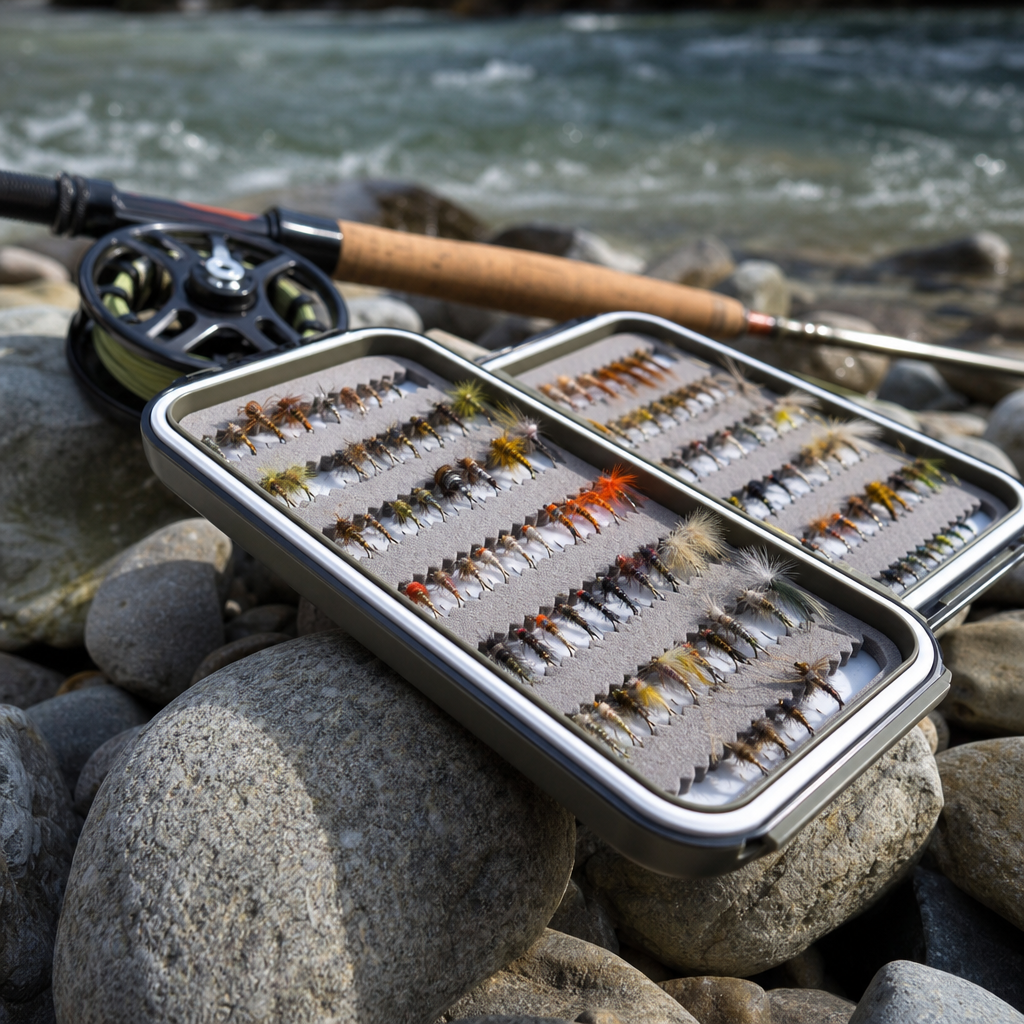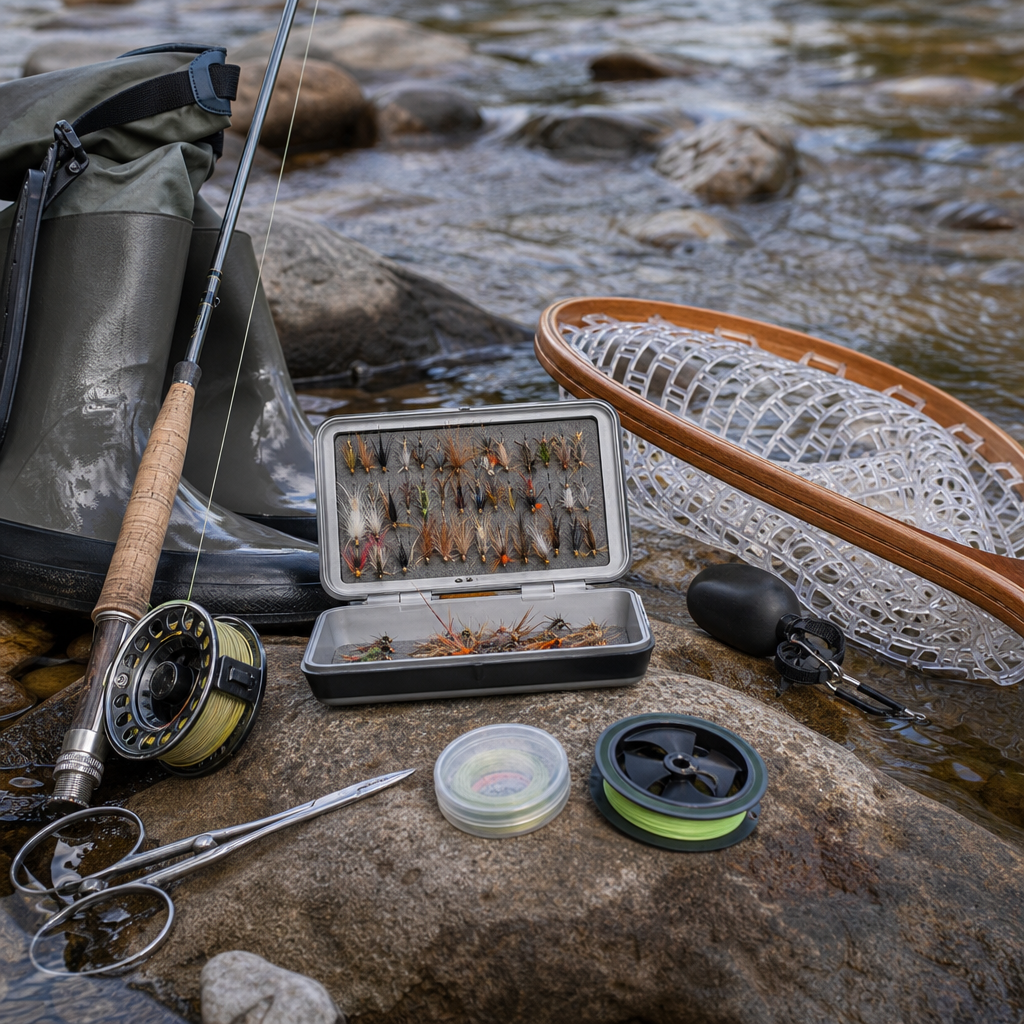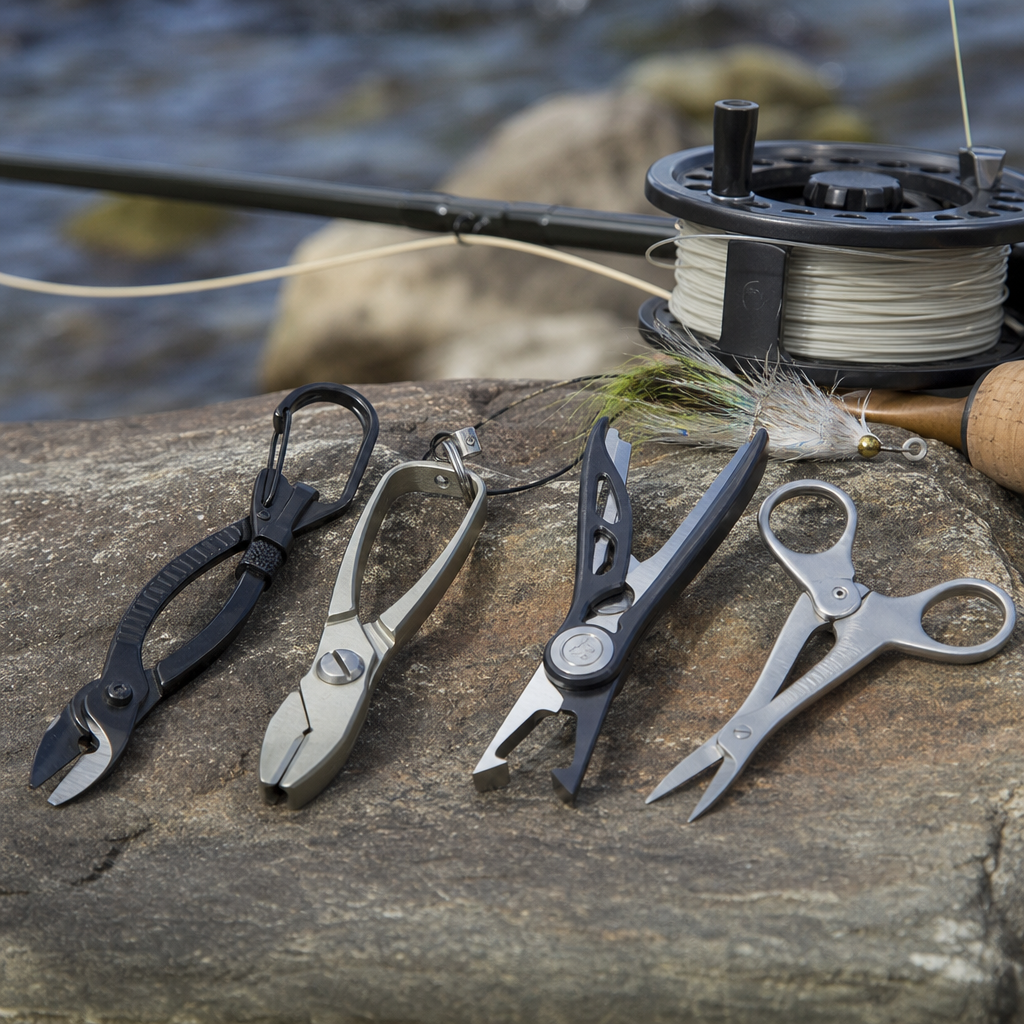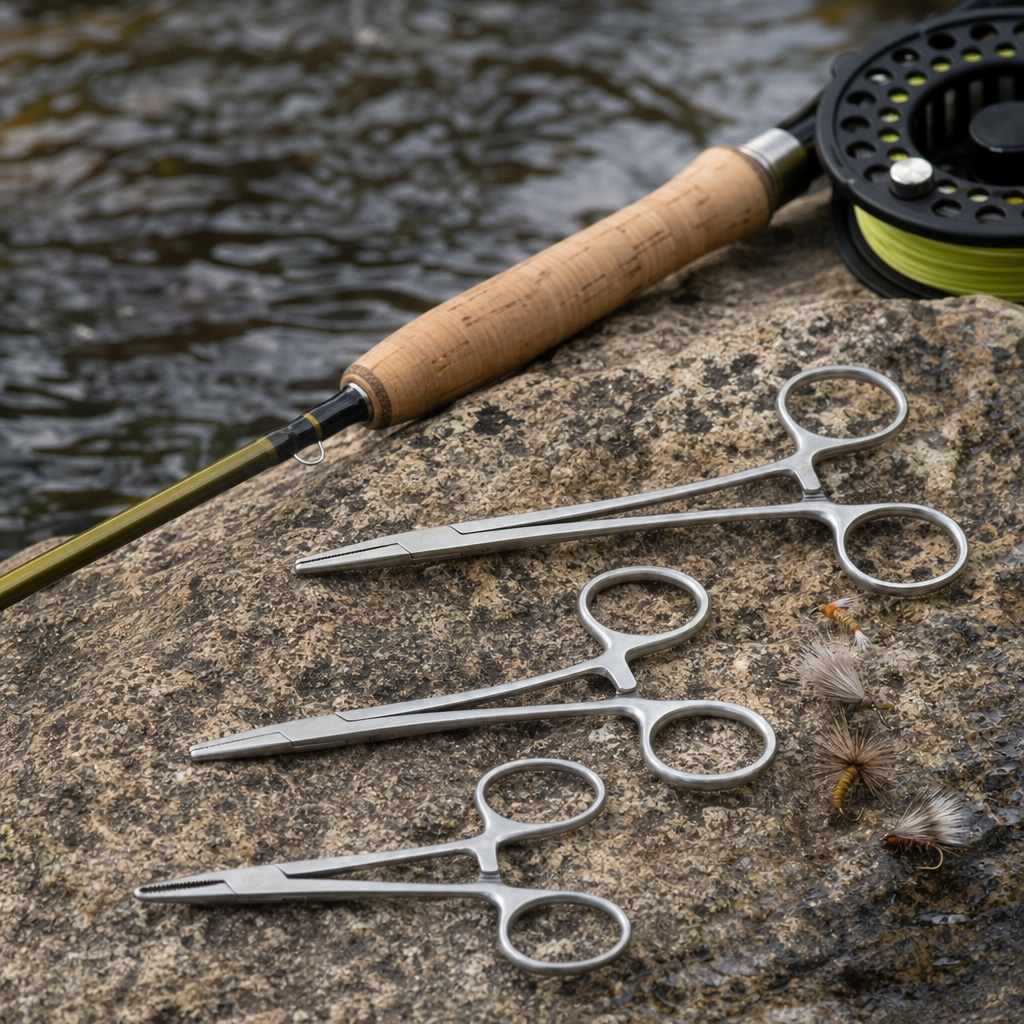
Choosing the best fly tying kits for beginners can shorten the learning curve, reduce wasted money, and make the first flies you tie fishable instead of frustrating. A beginner fly tying kit is a bundled set of tools and materials designed to help a new tier learn core patterns such as Woolly Buggers, Hare’s Ear nymphs, Pheasant Tail nymphs, Zebra Midges, and basic dry flies without buying every item separately. In practical terms, the right kit gives you a usable vise, essential hand tools, starter hooks, thread, wire, dubbing, hackle, and enough guidance to complete a few proven patterns. The wrong kit gives you dull scissors, weak hackle pliers, poor hooks, brittle thread, and materials that look full in the box but fail at the bench.
I have set up beginner benches with premium tools and with budget bundles, and the difference is immediate. New tiers do not quit because fly tying is inherently difficult; they quit because bad tools create avoidable problems. A vise that slips when you tighten thread, a bobbin with rough tube edges that fray 8/0 thread, or feathers too poor to wrap neatly can turn a simple lesson into a mess. That matters because fly tying is one of the few parts of fishing where precision and repetition reward you quickly. Tie a dozen serviceable flies, catch a fish on one, and the habit sticks. Fight your tools for two evenings, and the box goes into a closet.
This hub article covers gear reviews and recommendations for beginner fly tying kits in a way that helps you choose once and choose well. You will see what a good starter kit must include, which brands consistently deliver value, what corners can be cut safely, and which components should never be compromised. You will also learn how these kits fit into a larger gear review strategy, including when to buy a complete set, when to build your own setup, and how to use this page as the central guide for related product reviews. If your goal is to start tying trout flies, panfish flies, bass bugs, or simple saltwater patterns, the principles are the same: stable tools, useful materials, clear instructions, and a sensible upgrade path.
For beginners, the best fly tying kits are the ones that balance usability, material quality, and room to grow. They are not always the cheapest. They are also not always the most complete on paper. Countless kits advertise fifty or one hundred pieces, but half the contents may be filler: odd hooks you will never use, poor feathers, or duplicate tools of questionable quality. A better benchmark is whether the kit can tie a small number of common fish-catching patterns cleanly and repeatedly. If it can produce a dozen durable nymphs and streamers with control and consistency, it is a strong beginner choice.
What a beginner fly tying kit should include
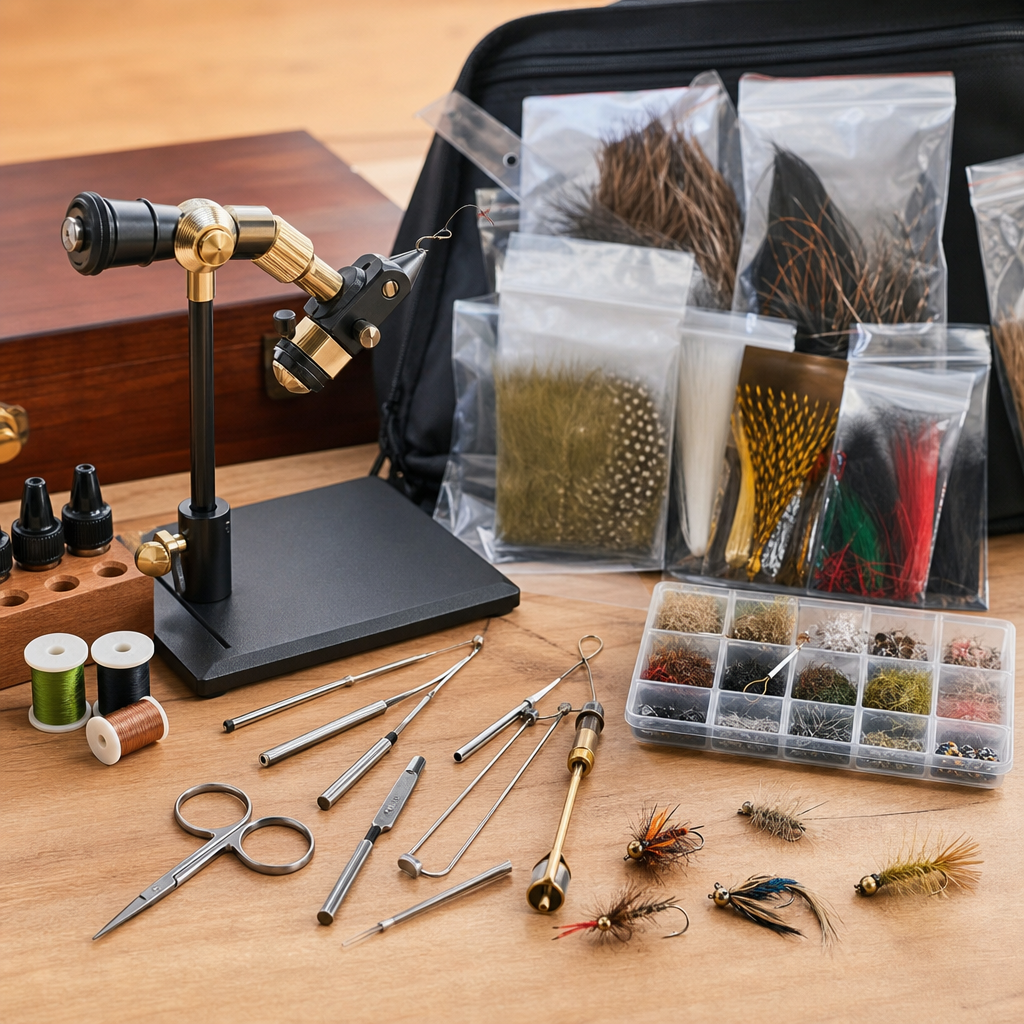
The best beginner fly tying kits include seven essentials: a stable vise, bobbin, scissors, whip finisher, bodkin, hackle pliers, and hair stacker or threader depending on the patterns included. The vise matters most. A true rotary vise is helpful, but for beginners a secure fixed-head or entry rotary model is enough if it grips hooks from about size 8 to size 18 reliably. Good starter vises use hardened jaws and have a consistent cam or screw mechanism. If the jaws twist under pressure, skip the kit, no matter how attractive the materials look.
The bobbin is the second make-or-break tool. Ceramic inserts are strongly preferred because they reduce thread wear and improve control. I have watched beginners blame themselves for broken thread when the real problem was a rough metal tube. Scissors should have fine points and meet cleanly at the tips for trimming thread and delicate materials. A whip finisher is useful, though many beginners hand-finish at first. A bodkin helps with head cement, picking out dubbing, and clearing hook eyes. Hackle pliers should grip feathers without cutting them, and that is a higher standard than many bargain kits meet.
Materials should match realistic starter patterns. Look for hooks in common nymph and streamer sizes, black and olive thread, peacock herl, pheasant tail, marabou, chenille, dubbing, brass or tungsten beads, lead-free wire, tinsel, and a small but usable selection of dry-fly hackle or soft hackle. If a kit includes a bright pile of random craft fur but no pheasant tail, no peacock herl, and no decent hooks, it is not built around learning proven flies. Instruction also matters. A printed manual or clear video library with pattern recipes, proportions, and sequencing can save hours of confusion.
Best fly tying kits for beginners by category
Not every beginner needs the same kit. A trout angler learning classic nymphs and dries benefits from different materials than a warmwater angler tying Woolly Buggers and foam poppers. In gear reviews, I separate beginner kits into four useful categories: all-in-one teaching kits, trout-focused kits, budget starter kits, and tool-first kits. All-in-one teaching kits are best for someone who wants instructions, tools, and enough material to tie a set list of flies. Trout-focused kits are ideal when the goal is specifically mayfly nymphs, midges, and small streamers. Budget starter kits work when you want to test the hobby without overcommitting, but they require careful screening. Tool-first kits, where you buy quality tools and add selective materials, are often the smartest long-term value.
Loon Outdoors, Wapsi, Hareline, Dr. Slick, Renzetti, Griffin, and Colorado Anglers all appear regularly in worthwhile beginner setups, though not always in one box. Loon and Dr. Slick make dependable hand tools. Renzetti and Griffin are trusted for vises with better upgrade longevity. Wapsi and Hareline supply the material ecosystem found in many fly shops, which matters because it is easier to replenish exactly what you learn on. Colorado Anglers has offered entry-level kits that are accessible for new tiers, though quality can vary by model and production run. For a true beginner, consistency matters more than brand prestige, but these names are useful anchors when comparing options.
| Kit Type | Best For | Main Strength | Main Limitation |
|---|---|---|---|
| All-in-one teaching kit | First-time tiers | Includes tools, materials, and guided patterns | Tool quality may be uneven |
| Trout-focused kit | Nymph and dry fly learners | Materials match common trout patterns | Less useful for bass or saltwater flies |
| Budget starter kit | Testing the hobby cheaply | Low upfront cost | Often contains weak vise and filler materials |
| Tool-first setup | Beginners planning to stick with tying | Better long-term value and cleaner tying experience | Higher initial cost and more separate purchases |
If I am advising a true beginner who wants one purchase, I usually recommend an all-in-one kit only if the vise and bobbin pass inspection and the materials support at least five staple patterns. If the bundled tools are poor, a tool-first setup wins. A Griffin Odyssey Spider vise paired with a ceramic bobbin, Dr. Slick scissors, and basic Wapsi or Hareline materials costs more than a bargain kit, but it saves money by avoiding immediate replacement. That is a recurring theme across gear reviews: durable basics beat bulky bundles.
How to evaluate vise quality, tools, and materials
The easiest way to judge a beginner kit is to evaluate it in the order that affects success most: vise, bobbin, scissors, hooks, and then everything else. Start with the vise jaws. They should hold a size 12 streamer hook and a size 16 nymph hook without slipping when thread tension increases. Ask whether the jaws are hardened steel, whether replacement parts exist, and whether the base is heavy enough to resist wobble. Clamp-style vises can be excellent, but many beginners prefer a pedestal because it works on kitchen tables and temporary benches. If a kit never specifies hook range or jaw material, that omission is a warning sign.
Next, inspect the bobbin and scissors. Ceramic bobbins are the standard recommendation because thread control improves immediately. Scissors should cut thread flush without chewing, and their tips should allow precise trimming around heads and hackle stems. Hooks should come from a known supplier or at least show consistent temper and finish. Cheap hooks open, dull quickly, or have poorly formed eyes that snag thread. Materials should be recognizable and pattern-specific. For example, marabou should have usable fiber length, chenille should not shed excessively, and peacock herl should have enough intact barbules for thoraxes and bodies. Dry-fly hackle in beginner kits is often the weakest category, so if you care about small dries, buy that component separately from a reputable source.
Instruction quality is the underrated factor. The best kits explain not just what to do but why proportions matter. A Woolly Bugger tail roughly equal to hook shank length, a Hare’s Ear thorax slightly fuller than the abdomen, and thread wraps that taper rather than bunch are details that determine whether a fly fishes and lasts. Good videos show hand position, thread angle, and material control. Poor instructions reduce the kit to a pile of parts. For a hub article focused on gear reviews, this matters because tools are only as useful as the learning system that comes with them.
Top beginner patterns a good kit should let you tie
A beginner does not need one hundred patterns. A good starter kit should let you tie five to eight flies that teach transferable skills. The Woolly Bugger teaches marabou tailing, chenille bodies, hackle palmering, and rib reinforcement. The Zebra Midge teaches bead seating, slim thread bodies, wire ribbing, and whip finishing on small hooks. The Pheasant Tail Nymph teaches tail alignment, abdomen taper, thorax building, and wing case management. The Hare’s Ear Nymph adds dubbing control and guard hair texture. An Elk Hair Caddis or simple parachute dry introduces dry-fly proportions, hackle management, and wing handling. Together, these patterns cover most beginner techniques.
When I review beginner kits, I look for whether the included hooks and materials can tie multiple variations of these staples. Olive and black thread can cover many nymphs and streamers. Copper wire works across midges, nymphs, and buggers. Pheasant tail fibers and peacock herl appear in dozens of confidence patterns. Marabou in black, olive, or white supports trout streamers, panfish jigs, and bass patterns. This overlap is what makes a kit economical. A box filled with novelty materials may look generous, but it teaches less because the parts do not connect across practical flies. Beginners improve faster when one material appears in several recipes and they learn how behavior changes with tension, moisture, and trimming.
Common mistakes when buying a beginner fly tying kit
The most common mistake is buying by piece count instead of by fishable output. A seventy-piece kit sounds better than a twenty-piece kit until you realize the extra pieces are redundant tools, glitter chenille you will not use, or low-grade feathers. Another mistake is overvaluing rotary marketing. True rotary capability is useful for applying materials evenly and inspecting flies, but a mediocre rotary vise is worse than a solid non-rotary vise. Beginners also buy kits based on one attractive fly photo without checking whether the materials can tie the flies they actually fish. A trout angler on tailwaters needs different starter materials than a pond angler tying bluegill bugs.
Skipping refill availability is another problem. If the thread, hooks, or beads in your kit are generic and cannot be matched later, you create friction right when the habit should be forming. The best kits use standard components from suppliers stocked in fly shops and online retailers. Finally, many beginners underestimate lighting and workspace needs. Even the best fly tying kit performs poorly under dim light on a shaky table. A daylight LED lamp, a clean white work surface, and simple material organization often improve early results more than an extra pack of feathers. That perspective belongs in gear reviews because the bench system matters as much as the boxed kit.
How this hub fits your gear review research
As the central page for gear reviews within product reviews and recommendations, this hub should guide your next decision instead of ending it. Use it to narrow your path. If you want one-box convenience, focus on kits with a competent vise, ceramic bobbin, and staple trout or warmwater materials. If you care about long-term value, compare a bundled kit against a tool-first setup built from proven brands. If small dries are your goal, prioritize hackle quality and instruction. If streamers and nymphs are your starting point, spend more on vise stability and hooks than on exotic materials.
The key takeaway is simple: the best fly tying kits for beginners are the kits that help you tie proven flies cleanly, confidently, and repeatedly. Start with tool function, verify material relevance, and ignore inflated piece counts. A beginner kit should teach technique, not create obstacles. Choose one that matches the species you fish, add good light and a stable bench, and tie a short list of effective patterns until your hands learn the sequence. Then build from there. If you are comparing options now, use this hub as your checklist and move on to the specific reviews that match your budget, target fish, and commitment level.
Frequently Asked Questions
What should a beginner look for in the best fly tying kits?
The best fly tying kits for beginners should include three things: a dependable vise, a complete set of basic tools, and enough useful materials to tie proven starter patterns. The vise matters most because it holds the hook securely while you learn thread control, material placement, and finishing techniques. A beginner does not need the most expensive vise on the market, but it should grip common hook sizes well and stay stable on a table. A kit with a weak or poorly aligned vise often creates unnecessary frustration and can make learning feel harder than it really is.
Beyond the vise, look for core tools such as a bobbin, scissors, whip finisher, hackle pliers, bodkin, and hair stacker. These are the tools used on almost every fly, and having them included saves money compared with piecing them together one by one. Good beginner kits also include thread, hooks, beads or wire, dubbing, chenille, marabou, pheasant tail, hare’s mask or dubbing, peacock herl, hackle, and a few other versatile materials. Those items are enough to practice foundational flies like Woolly Buggers, Hare’s Ear nymphs, Pheasant Tail nymphs, Zebra Midges, and simple dry flies.
It also helps if the kit includes instructions or pattern recipes aimed at beginners. A lot of starter kits advertise a large number of materials, but quantity alone does not equal value. A smaller kit with better tools and practical materials is usually more useful than a giant box of low-grade supplies you may never use. For most new tiers, the right kit is one that teaches the basics well, ties fishable flies immediately, and leaves room to upgrade later without replacing everything at once.
Are fly tying kits actually worth it for beginners, or is it better to buy tools and materials separately?
For most beginners, a fly tying kit is absolutely worth it because it reduces both cost and confusion at the start. Fly tying can feel overwhelming when you try to buy every item separately. New tiers often do not yet know which tools are essential, which materials are versatile, or which hooks and threads fit the flies they want to learn. A beginner kit solves that problem by bundling the basics into one purchase, which shortens the learning curve and helps you start tying sooner.
Kits are especially valuable because they prevent wasted money on random materials that may not fit beginner-friendly patterns. Instead of building a huge inventory right away, you can focus on a handful of proven flies that teach important techniques. Tying Woolly Buggers helps you learn tailing, body construction, and palmering hackle. Hare’s Ear and Pheasant Tail nymphs teach proportion, dubbing, ribbing, and wing cases. Zebra Midges introduce wire ribbing and bead-head basics. Those patterns build real skills, and a well-designed kit supports exactly that kind of progression.
That said, buying separately can make sense if you already know you are committed to the hobby and want higher-end tools from day one. Some inexpensive kits cut corners on the vise or scissors, and those weak points may lead to faster upgrades. Still, for someone completely new to tying, a solid beginner fly tying kit is usually the smartest entry point. It keeps the first experience simpler, more affordable, and more productive, which is exactly what most beginners need.
Which flies should a beginner be able to tie with a good starter kit?
A good beginner fly tying kit should allow you to tie several foundational patterns that catch fish in many waters and teach the techniques used in more advanced flies. At a minimum, a useful kit should support Woolly Buggers, Hare’s Ear nymphs, Pheasant Tail nymphs, Zebra Midges, and a basic dry fly such as an Elk Hair Caddis or simple Adams-style variation. These patterns are popular for a reason: they are effective, widely recognized, and excellent teaching tools.
Woolly Buggers are one of the best first flies because they are forgiving and help beginners practice proportion, marabou tails, chenille or dubbed bodies, and palmered hackle. Hare’s Ear and Pheasant Tail nymphs are slightly more technical, but they introduce some of the most important fly tying skills in the sport. You learn how to control thread tension, create tapered bodies, rib materials for durability, and tie in natural fibers cleanly. Zebra Midges are simpler in appearance but excellent for mastering thread wraps, bead placement, and fine wire ribbing on small hooks.
Basic dry flies are also important because they teach hackling, wing placement, and float-focused proportions. Even if your first dry flies are not perfect, the process helps you build precision. A beginner kit does not need to support every trout pattern ever invented. It needs to cover a small group of dependable flies that teach the fundamentals. If a kit can help you tie these core patterns well, it is doing its job.
How important is the vise in a beginner fly tying kit?
The vise is the single most important part of any beginner fly tying kit because it affects every fly you tie. A beginner can work around average materials and even basic hand tools for a while, but a vise that slips, wobbles, or fails to hold hooks securely turns simple practice into constant frustration. Learning fly tying already involves developing hand coordination, understanding proportions, and managing thread tension. If the hook rotates unexpectedly or falls out under pressure, it becomes much harder to tell whether mistakes are from your technique or from the equipment.
For a beginner, the ideal vise should securely hold the hook sizes commonly used for starter patterns, usually around sizes 8 through 18. It should clamp or sit firmly on the tying surface and provide easy access to the hook shank. Rotary capability can be helpful, but true rotary performance is not essential for a first kit. What matters most is dependable hook retention, good jaw alignment, and enough stability to let you focus on learning. A simple, solid vise usually beats a flashy but poorly made one.
If you are comparing kits, pay close attention to the vise before you get distracted by the number of materials included. Many low-quality kits try to impress buyers with lots of feathers and fur while hiding the fact that the vise is the weakest part of the package. In practical terms, a decent vise shortens the learning curve, helps you produce cleaner flies, and makes the entire hobby more enjoyable. When beginners say they are frustrated with fly tying, the vise is often one of the first places to look.
How long will a beginner fly tying kit last before upgrades are needed?
A quality beginner fly tying kit can last a surprisingly long time, but different parts of the kit wear out or get replaced at different stages. The materials usually go first because you actively consume them. Thread, hooks, beads, dubbing, chenille, marabou, and feathers all get used up as you practice and improve. That is normal, and in many ways it is a good sign because it means you are tying enough flies to develop skill. Most beginners quickly discover which patterns they enjoy tying and fishing most, and then they start buying refill materials in those categories.
The tools can last much longer if they are decent quality. Scissors, bobbins, whip finishers, bodkins, and hackle pliers may serve you well for years, especially if you keep them clean and use them properly. The vise is the item most likely to determine whether you upgrade early. If the vise is stable and grips hooks well, you may use it for a long time before feeling limited. If it struggles with smaller hooks, heavier pressure, or consistent alignment, you may choose to upgrade once you know the hobby has become a real part of your fishing routine.
In general, a beginner should view a fly tying kit as a starting system rather than a one-time, forever purchase. A good kit should get you through the most important early stage: learning techniques, tying fishable flies, and figuring out what kinds of patterns you actually want to produce. If it does that well, it has real value, even if you eventually upgrade some pieces. The best beginner kits are not meant to lock you into entry-level gear forever. They are meant to help you learn efficiently, avoid wasted money, and build confidence from the very first flies.