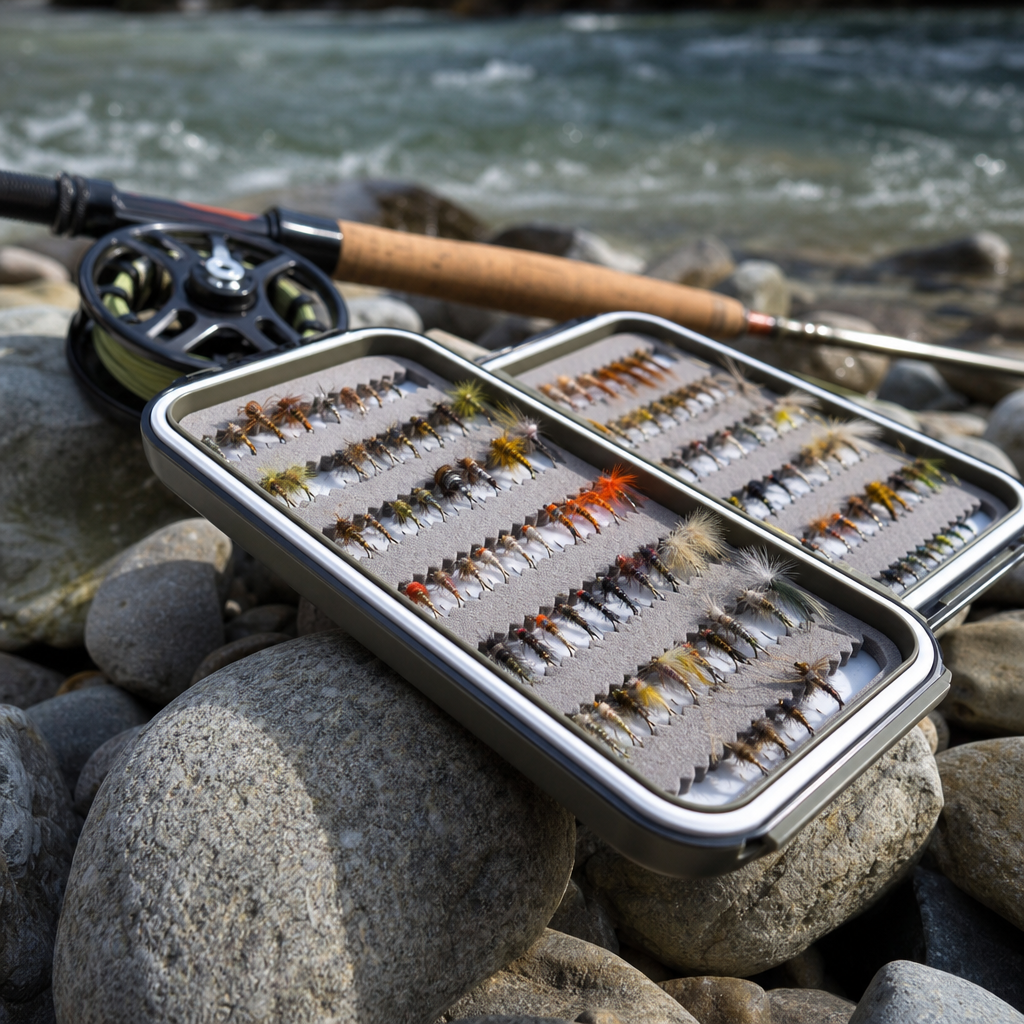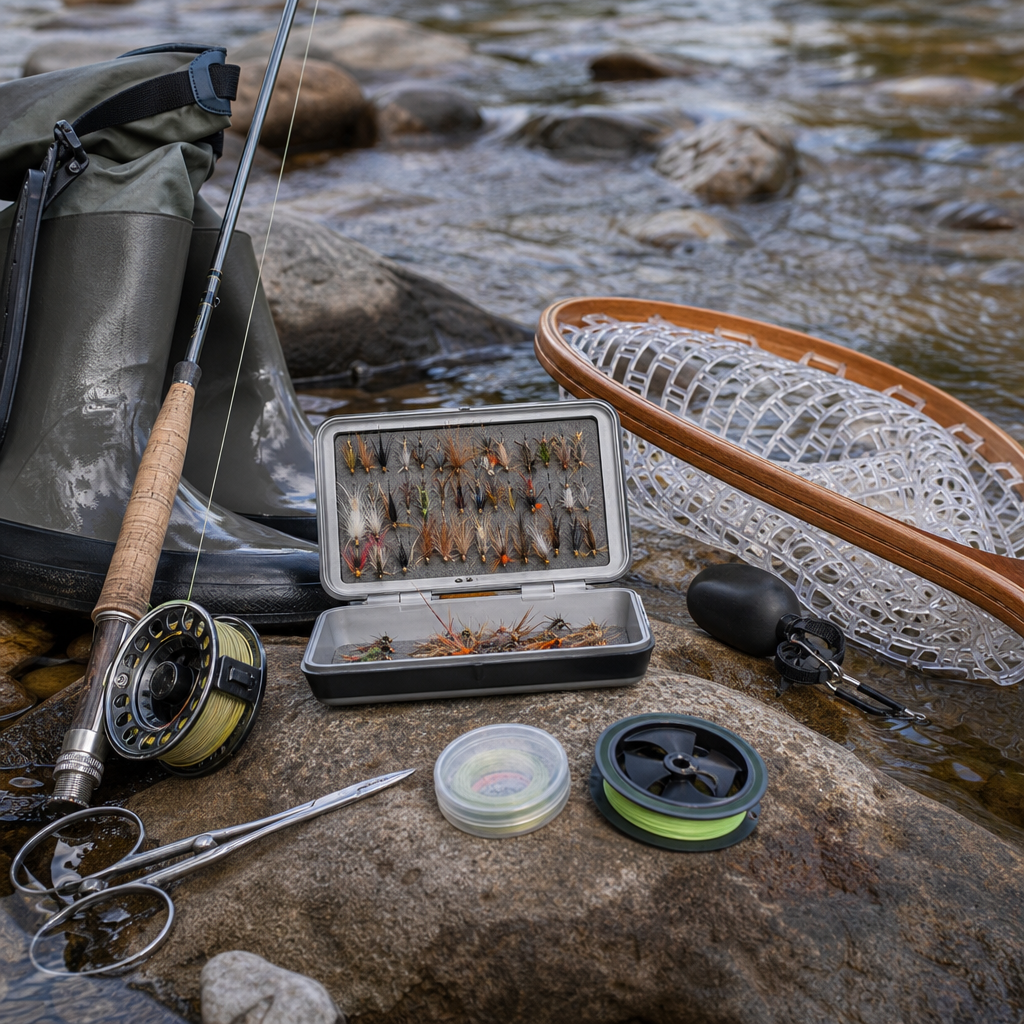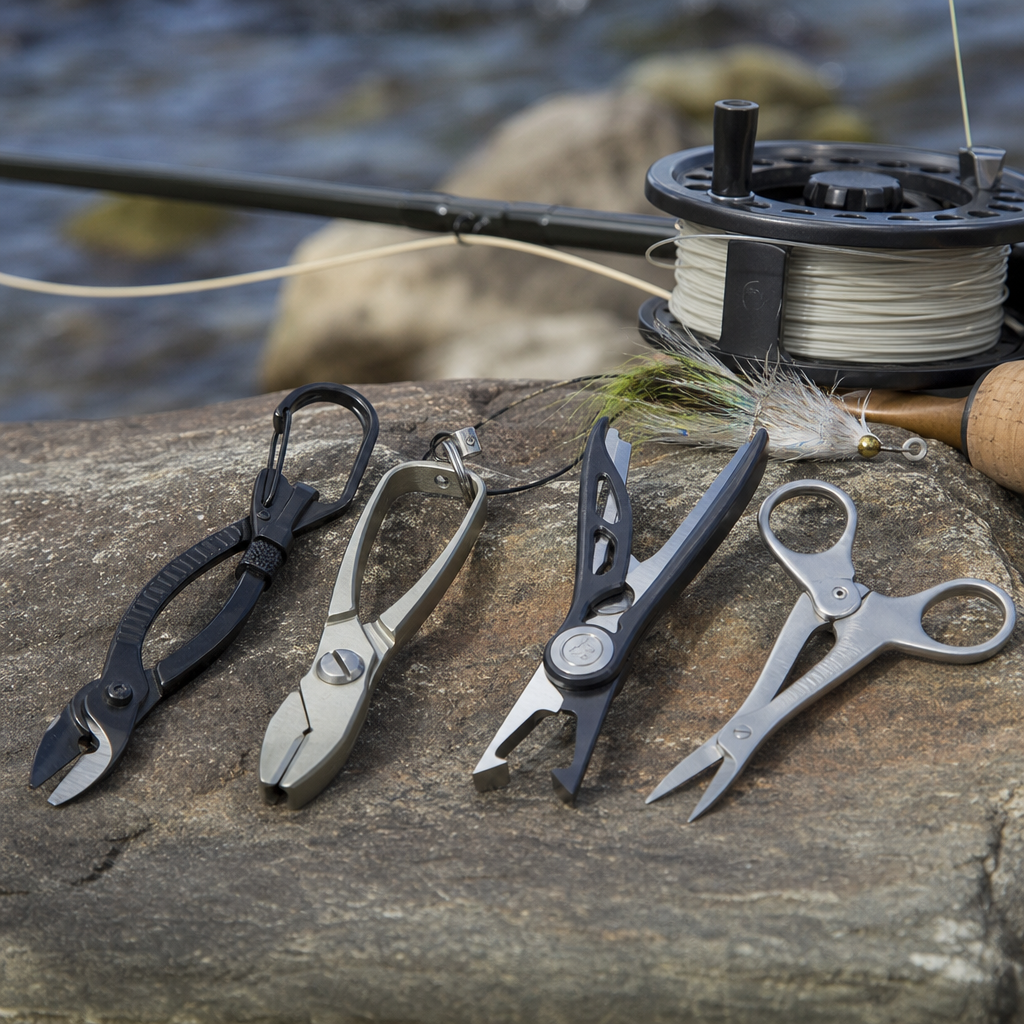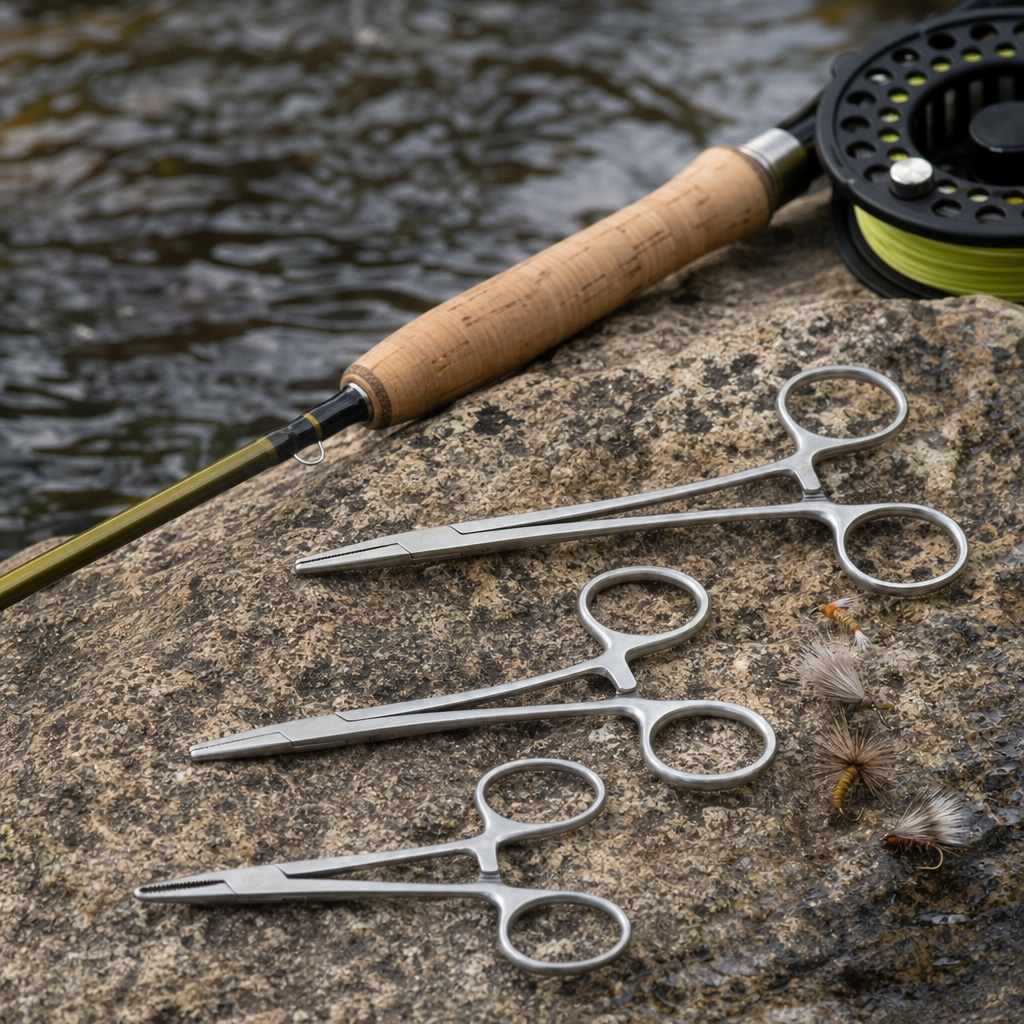
A fly fishing vest is more than a garment; it is the control center for every cast, knot change, fly swap, and on-the-water adjustment you make. When anglers search for the best fly fishing vests for organization, they usually want one practical outcome: quicker access to essential gear without adding bulk, noise, or distraction. In clothing reviews, organization matters because poor storage design wastes time, tangles leaders, and turns a focused day on the river into a constant search through crowded pockets. I have tested vests on spring creeks, drift boats, and small freestone streams, and the best models all solve the same problem in slightly different ways: they keep the right tool in the right place, every time.
Fly fishing vests are purpose-built upper-body storage systems designed to carry fly boxes, tippet spools, floatant, indicators, hemostats, nippers, split shot, forceps, leaders, and small accessories. Organization refers to how intelligently a vest distributes those items through pockets, docking stations, retractors, D-rings, zingers, and rear compartments. A well-organized vest balances accessibility, weight distribution, weather resistance, ventilation, and fit. That balance is why this category remains relevant even as chest packs, hip packs, and sling packs grow more popular. For many anglers, especially those who wade and change flies often, nothing beats having everything visible and within one hand’s reach.
This hub page covers clothing reviews through the lens of organization first. Instead of treating a vest as generic apparel, it helps you evaluate design details that affect real fishing performance. The best fly fishing vest for a guide on a technical tailwater is not automatically the best choice for a backpacking angler on alpine streams. Material, pocket architecture, collar shape, adjustability, and load-carrying stability all matter. Understanding those differences helps you choose once instead of buying a vest that looks capable online but feels chaotic and uncomfortable after four hours on the water.
Good organization also supports safety and fish handling. When your pliers, net magnet, and tippet are always in fixed positions, you spend less time fumbling with a trout out of the water. When rain starts or light fades, muscle memory matters. That is why serious clothing reviews should go beyond style, color, or brand reputation. They should assess layout logic, closure quality, and how a vest performs while moving, casting, kneeling, and landing fish. This article explains exactly how to judge those factors and highlights the leading vest styles and models worth considering.
What Makes a Fly Fishing Vest Organized
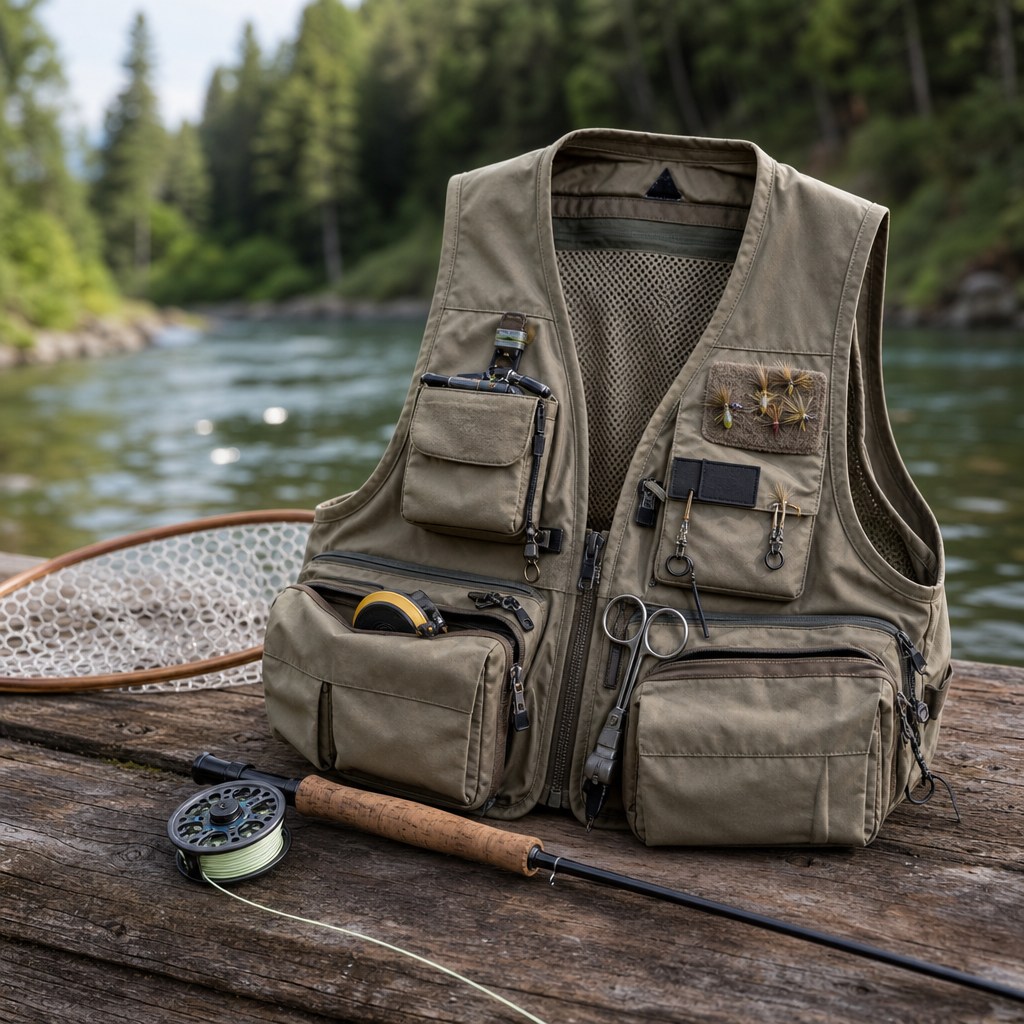
The most organized fly fishing vests share a few design principles. First, the front pockets are sized for actual fly boxes, not just listed dimensions. In practice, that means one or two larger lower pockets should hold modern slim and midsize boxes securely without forcing the fabric to bulge outward. Second, the top chest area should support tools and small accessories. I look for docking points for nippers and forceps, plus zip or hook-and-loop pockets for indicators, floatant, and strike putty. Third, the rear storage should serve a defined purpose, usually a rain shell, water bottle, lunch, or spare fly boxes, without pulling the vest backward.
Closure systems matter more than many buyers expect. Zippers are generally more secure than hook-and-loop closures for fly boxes and weighted accessories, especially when bushwhacking or kneeling in current. Hook-and-loop remains useful for quick-access pockets, but low-quality panels lose grip after grit, sand, and repeated wet-dry cycles. Good organization also depends on pocket depth and gusset structure. A shallow pocket may look tidy on a hanger, yet spill tackle when unzipped. A well-designed gusset creates volume while keeping contents controlled.
Weight distribution is another organizational feature, not just a comfort issue. If all major pockets sit low and heavy, the vest swings during casting and drags on your neck. The better designs use shoulder structure, breathable mesh, and side adjustment to keep loads stable. Simms, Fishpond, Orvis, and Patagonia have all improved modern vests by reducing dead space and adding purpose-built attachment points instead of simply adding more pockets. More storage is not the same as better storage. The best layout is the one that lets you identify and retrieve gear by touch.
Ventilation can support organization too. Hot, sweaty anglers often unzip or loosen a poorly ventilated vest, which changes how the pockets sit and can make gear shift. Mesh-backed or hybrid-panel designs maintain airflow while preserving pocket alignment. That sounds minor until you spend a July afternoon wading in direct sun. Organized fishing depends on consistency, and consistency starts with a vest you will actually wear correctly all day.
Best Fly Fishing Vests for Different Organizational Needs
No single vest leads every category, so the best fly fishing vest for organization depends on how you fish. If you carry several fly box sizes, lots of tippet, and multiple tools, a traditional high-capacity vest remains the best choice. Models such as the Simms Guide Vest and Fishpond Sagebrush Pro Vest are strong examples because they provide large front storage, multiple zip pockets, and enough external docking points to create a repeatable system. These are excellent options for guides, stillwater anglers, and technical trout fishers who need many patterns close at hand.
If you prefer mobility and lighter loads, streamlined vests like the Patagonia Stealth Convertible Vest or Orvis Pro LT Vest make more sense. These designs focus on fewer, smarter compartments and cleaner front profiles. In testing, this style works especially well on small streams where you only need two fly boxes, 4X through 6X tippet, floatant, nippers, and forceps. They reduce clutter and cast interference while still keeping essentials accessible. Organization here is about disciplined carry, not maximum capacity.
Women’s-specific fly fishing vests deserve separate consideration because fit strongly affects storage performance. A vest that rides high, gaps at the chest, or shifts at the shoulders turns every pocket into a moving target. Brands that offer tailored shaping and better strap adjustment usually produce a more stable, more organized carry. That is why clothing reviews should account for fit architecture, not just item counts or listed pocket numbers.
| Vest Type | Best For | Organizational Strength | Tradeoff |
|---|---|---|---|
| Traditional full vest | Guides, stillwater, gear-heavy anglers | Maximum pocket capacity and clear front access | Can feel warm and bulky when overloaded |
| Lightweight technical vest | Small streams, minimalist trout fishing | Cleaner layout and less casting interference | Limited spare storage |
| Hybrid vest-pack design | Long walks and mixed conditions | Better rear carry for layers, water, and lunch | More complex fit adjustment |
| Women’s-specific vest | Anglers needing tailored fit | More stable pocket placement during movement | Fewer model choices in some markets |
Value matters as well. Some budget fly fishing vests offer many pockets but weak zippers, poor stitching, and inconsistent sizing. That usually leads to sagging and disorganized carry after a season. Paying more often buys stronger materials, corrosion-resistant hardware, better mesh, and a layout that has clearly been designed by people who fish. For a hub article under product reviews and recommendations, that is the core buying insight: durability and organization are linked.
How to Evaluate Vest Features in Clothing Reviews
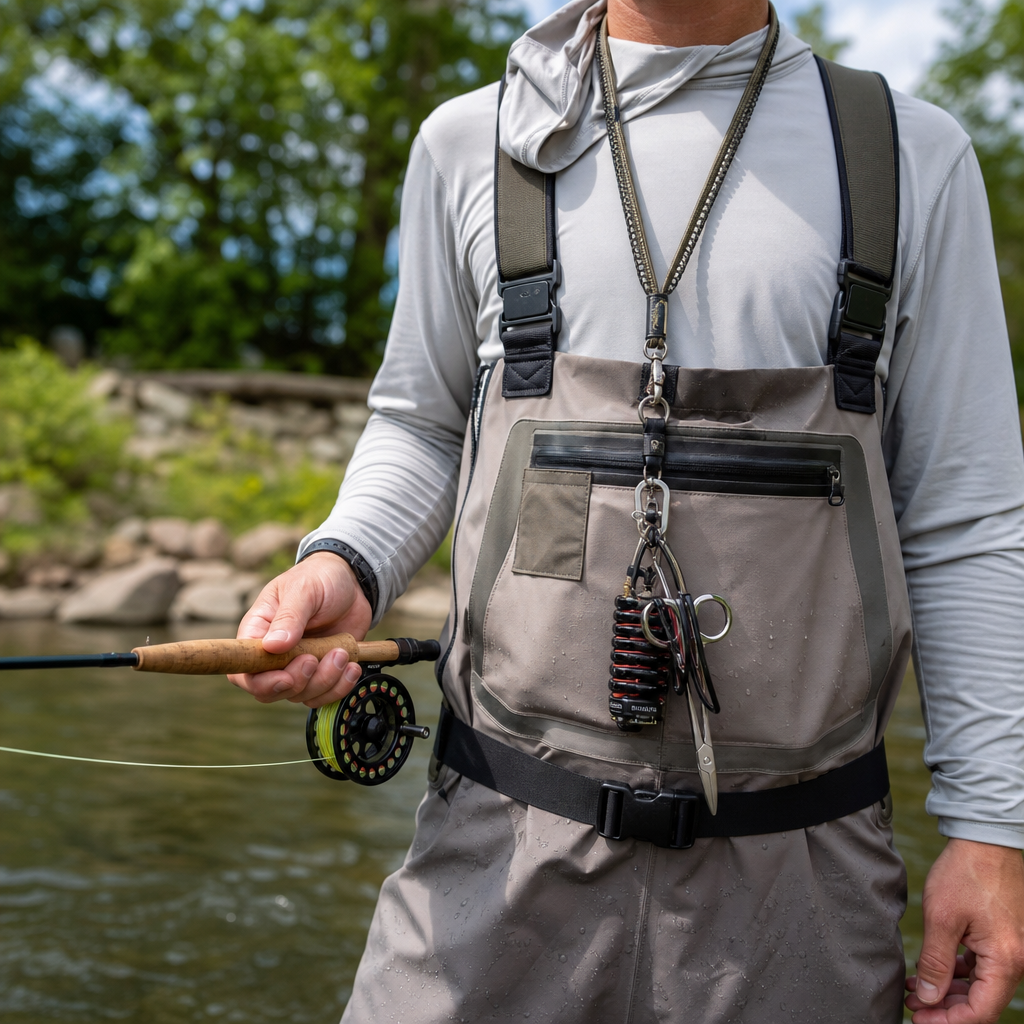
When reading clothing reviews, start with pocket map logic. Count how many front pockets are truly usable with the fly boxes you own. A vest may advertise sixteen pockets, but if only four fit standard boxes and two are blocked by tool attachments, the number is meaningless. Next, inspect tool management. The best fly fishing vests for organization provide dedicated attachment points for hemostats, nippers, and zingers, ideally positioned high enough to avoid line snags yet low enough to reach with either hand.
Fabric choice influences both comfort and storage reliability. Nylon with reinforced stress points tends to resist abrasion from boat decks, brush, and repeated fly box insertion. Mesh panels improve ventilation but should not be so soft that loaded pockets collapse inward. Premium models often combine structured woven panels where storage lives and lighter mesh where heat builds. That construction keeps organization intact under load. YKK zippers, bartack reinforcement, and coated hardware are useful signs of a vest built for repeated wet use.
Fit should be tested over your actual layering system. A vest that feels perfect over a T-shirt may become restrictive over a rain shell or insulated jacket. I prefer models with side or shoulder adjustments that can be tuned on the water. The point is not just comfort; it is keeping pockets flat and accessible. If a vest becomes too tight, zippers strain and tool tabs rotate inward. If it is too loose, the lower half swings as you walk or cast. In either case, organization breaks down.
Finally, assess rear storage honestly. Anglers often overvalue giant back compartments, then regret carrying too much. A useful rear pocket should hold a packable rain jacket, lunch, or spare leader wallet without becoming a dump pouch. Some of the best clothing reviews now compare loaded and unloaded performance because storage quality only reveals itself when the vest is actually used. That standard should guide every buying decision in this subtopic.
Top Brands and Standout Models Worth Considering
Simms remains one of the most credible names in fly fishing clothing because its vests usually reflect real guide feedback. The Simms Guide Vest has long been popular for anglers who want high capacity and a traditional front-heavy organizational system. Large box pockets, integrated tool stations, and solid construction make it a dependable option for day-long trout sessions. Its main limitation is warmth in hot weather when fully loaded, but for pure accessibility it stays near the top of the category.
Fishpond takes a slightly different approach, blending fishing function with eco-conscious materials and smart attachment systems. Models like the Sagebrush Pro Vest have earned attention for generous storage, breathable structure, and thoughtful external integration with net release systems and accessories. Fishpond designs often suit anglers who carry more than the bare minimum yet still want balance and comfort during wading.
Orvis has improved vest refinement in recent generations, especially for anglers who want a cleaner profile. The Orvis Pro series emphasizes technical fabrics, considered pocket placement, and lower bulk. Patagonia’s Stealth line is similarly attractive for minimalist organization, with enough storage for essentials but less clutter overall. If your fishing style leans toward efficient carry rather than maximum capacity, these lighter technical models deserve close attention.
It is also worth watching emerging and niche brands, but use caution with very low-cost marketplace options. In my experience, they often copy the look of premium vests without matching layout quality, stitching strength, or hardware reliability. On a short trip that may seem acceptable. Over a full season of wet use, failed zippers and sagging pockets become expensive frustrations. Reliable organization is a product of design discipline, not marketing copy.
Choosing the Right Vest for Your Fishing Style
The right vest starts with your water type and gear habits. On spring creeks and technical tailwaters, anglers usually benefit from precise front access because fly changes are frequent and small accessories matter. Here, a traditional vest with several chest and lower front pockets is ideal. On brushy mountain streams, slimmer vests reduce snagging and move better through tight cover. If you hike significant distances, every unnecessary fly box becomes noticeable, so compact technical vests usually outperform larger models.
Boat anglers can tolerate more storage because weight matters less while moving between spots, but organization still matters when fish appear fast. Wading anglers need tighter load control, especially in current. Cold-weather anglers should prioritize adjustability and shoulder comfort because layers change how the vest rides. Warm-weather anglers should emphasize ventilation and lower bulk. These are clothing review criteria, but they are also fishing performance criteria.
Think in terms of kit categories: flies, terminal tackle, tools, apparel, food, and safety. If your vest has a home for each category, you will fish faster and with less stress. If not, the vest will become a mixed-storage pouch that slows every decision. The best fly fishing vests for organization are the ones that support a system you can repeat trip after trip. Before buying, lay out the gear you actually carry and match it to the vest’s pocket architecture. That simple exercise prevents most disappointing purchases.
The best fly fishing vest for organization is the one that turns your gear into a reliable system rather than a collection of loose items. Across clothing reviews, the strongest performers share the same traits: logical pocket sizing, secure closures, stable fit, useful tool attachment points, durable materials, and enough ventilation to stay wearable through a full day. Traditional high-capacity vests still lead for guides and gear-heavy anglers, while lightweight technical designs are often better for minimalist wading and small-stream fishing. Fit, load distribution, and real pocket usability matter more than raw pocket counts.
As the hub for clothing reviews within product reviews and recommendations, this page should help you narrow the field quickly and evaluate future model-specific articles with a sharper eye. Use it as your framework: identify your fishing style, map your essential gear, compare vest architecture, and prioritize organization over novelty. A well-chosen vest saves time, protects focus, and makes every adjustment on the water more efficient. If you are building or upgrading your kit, start by choosing the vest layout that matches how you truly fish, then explore model-specific reviews from there.
Frequently Asked Questions
What makes a fly fishing vest truly well-organized?
A well-organized fly fishing vest does more than provide a lot of pockets. The best designs create a logical system that lets you reach the right tool, fly, tippet spool, or accessory without hesitation. In practice, that means frequently used items should sit in easy-access front pockets, while less-used gear can be stored higher, deeper, or in rear compartments. Good organization starts with pocket placement, but it also depends on pocket size, closure type, internal dividers, attachment points, and how evenly the vest distributes weight across your shoulders and torso.
The most useful vests usually include a mix of large zippered pockets for fly boxes, smaller stash pockets for floatant and split shot, dedicated hemostat or nipper docks, D-rings for tools, and secure rear storage for rain layers or extra leaders. A vest becomes more efficient when each category of gear has a designated location. That reduces wasted movement and helps you build muscle memory on the water. Instead of digging around while a hatch is happening, you know exactly where your dry flies, indicator materials, or forceps are stored.
Another sign of strong organization is restraint. Too many oversized compartments can lead to overpacking, which creates bulk and makes everything harder to find. The best fly fishing vests for organization balance capacity with accessibility. They help you carry what you actually need, keep it separated by function, and prevent the tangles, snagging, and frustration that come from poorly planned storage. In short, a truly organized vest works like a mobile workstation: efficient, balanced, quiet, and easy to use in changing river conditions.
How many pockets do I really need in a fly fishing vest?
More pockets do not automatically mean better organization. What matters is whether the vest has the right number of pockets for your fishing style and whether those pockets are usable. For many anglers, a vest with a moderate number of well-designed compartments is far more effective than one overloaded with random storage. If you primarily fish small streams with a simple setup, you may only need room for one or two fly boxes, tippet, floatant, indicators, and a few tools. If you fish larger rivers, switch techniques often, or carry dry flies, nymph rigs, streamers, leaders, sink tips, and accessories, you will need a broader storage layout.
A practical rule is to look for enough compartments to separate your core gear by category. For example, one or two main front pockets for fly boxes, smaller upper pockets for tippet and floatant, dedicated tool attachment points, and a rear pocket for extra layers or backup tackle is usually a strong starting point. Internal organizers can be just as valuable as extra pockets because they prevent small items from bunching together at the bottom of a compartment. Zippered closures also tend to keep gear more secure and orderly than open-top designs, especially when wading through brush or moving quickly between spots.
If you constantly forget where items are stored, your vest likely has too many compartments or an unintuitive layout. If everything is jammed into two overloaded pockets, you likely do not have enough. The ideal vest gives every essential item a home without encouraging clutter. Organization on the water is not about maximum storage; it is about fast, consistent access. That is why the best vest is usually the one that matches your actual carry load rather than the one with the longest feature list.
How should I organize gear inside a fly fishing vest for the fastest access?
The fastest system is one built around frequency of use. Items you reach for repeatedly during a day of fishing should be stored in the most accessible front zones, ideally where you can reach them with either hand and without looking down for long. For most anglers, that means keeping primary fly boxes in lower front pockets, tippet spools in upper chest pockets or integrated spool tenders, and tools like nippers, hemostats, and zingers clipped to external attachment points. Floatant, sink paste, strike indicators, and split shot should sit in smaller side or chest pockets that open easily but still close securely.
It also helps to divide your gear by task rather than by item type alone. One pocket can be dedicated to rigging essentials such as leaders, tippet, indicators, and weights. Another can hold fly treatment products. A main compartment can carry active fly boxes, while a separate pocket holds backup patterns or less-used options. This approach reduces mental clutter because each pocket supports a specific job. When you need to change flies, rebuild a rig, or adjust depth, you know exactly where to go.
Rear compartments should be reserved for bulkier or infrequently used items such as a compact rain jacket, gloves, lunch, or spare spools. Avoid putting must-have tools in hard-to-reach rear storage because that slows down every adjustment. It is also smart to avoid overstuffing front pockets, since bulky pockets interfere with casting comfort and make smaller items harder to retrieve. The most organized anglers periodically reset their layout, removing gear they never use and refining placement based on the type of water they fish most often. A vest should support your rhythm, not interrupt it.
Is a traditional fly fishing vest better for organization than a chest pack or sling pack?
For many anglers focused specifically on organization, a traditional fly fishing vest still offers one of the most efficient storage systems available. That is because a vest spreads gear across multiple front-facing compartments, allowing you to separate items clearly while keeping them within immediate reach. With a chest pack or sling pack, gear is often consolidated into fewer larger compartments. That can work well for minimalist setups, but it may lead to more rummaging when you carry multiple fly boxes, accessories, and rigging tools.
A vest also has an advantage in weight distribution. Instead of concentrating your load on one shoulder or the center of your chest, a well-fitted vest disperses it more evenly. That can make a noticeable difference during long days on the river, especially when you need to carry several small items in a way that remains accessible and balanced. From an organizational standpoint, the ability to assign dedicated spaces across both sides of the vest often creates a smoother workflow than rotating a sling around or opening a chest pack repeatedly.
That said, the best choice depends on how much gear you carry and how you fish. Minimalist anglers who use only a couple of fly boxes and a few tools may prefer the lighter profile of a chest pack or sling. But for anglers who want immediate access to a wider range of gear, traditional vests are often easier to organize in a consistent, intuitive way. They are especially strong when the goal is not just storage, but fast retrieval without disrupting focus. If organization is your top priority, a vest remains one of the most practical and proven options.
What features should I look for when buying the best fly fishing vest for organization?
Start with layout before you look at extras. The best fly fishing vest for organization should have a smart front-pocket arrangement that allows you to separate fly boxes, tippet, tools, and accessories without overlap. Look for a combination of large and small compartments, ideally with a clear purpose. Zippered pockets are excellent for security, while stretch or quick-access pockets can be useful for frequently handled items. Internal dividers, mesh stash sections, and dedicated docking points for tools often improve usability more than simply adding more storage space.
Fit is equally important. Even the best pocket design will fail if the vest sags, shifts, or feels overloaded. An adjustable shoulder and side system helps keep the vest stable and makes the contents easier to access. Weight distribution matters because poor balance can turn organization into clutter. A vest that rides comfortably when loaded will feel more efficient in real fishing conditions than one that looks impressive empty. Breathable materials are also worth prioritizing, especially for warm-weather fishing, because comfort affects how long you can wear the vest without distraction.
Additional features that often improve organization include retractor stations for tools, patch areas for drying flies, secure rear cargo pockets for layers, and well-placed D-rings or loops for nets and accessories. Durability matters too, since weak zippers, stretched pockets, or poorly stitched attachment points can undermine the entire storage system over time. Ultimately, the best vest is one that supports a repeatable setup: every item has a place, essential tools stay close at hand, and the vest remains comfortable and quiet while you move, cast, and wade. When shopping, think less about how much the vest can carry and more about how quickly and cleanly it lets you fish.