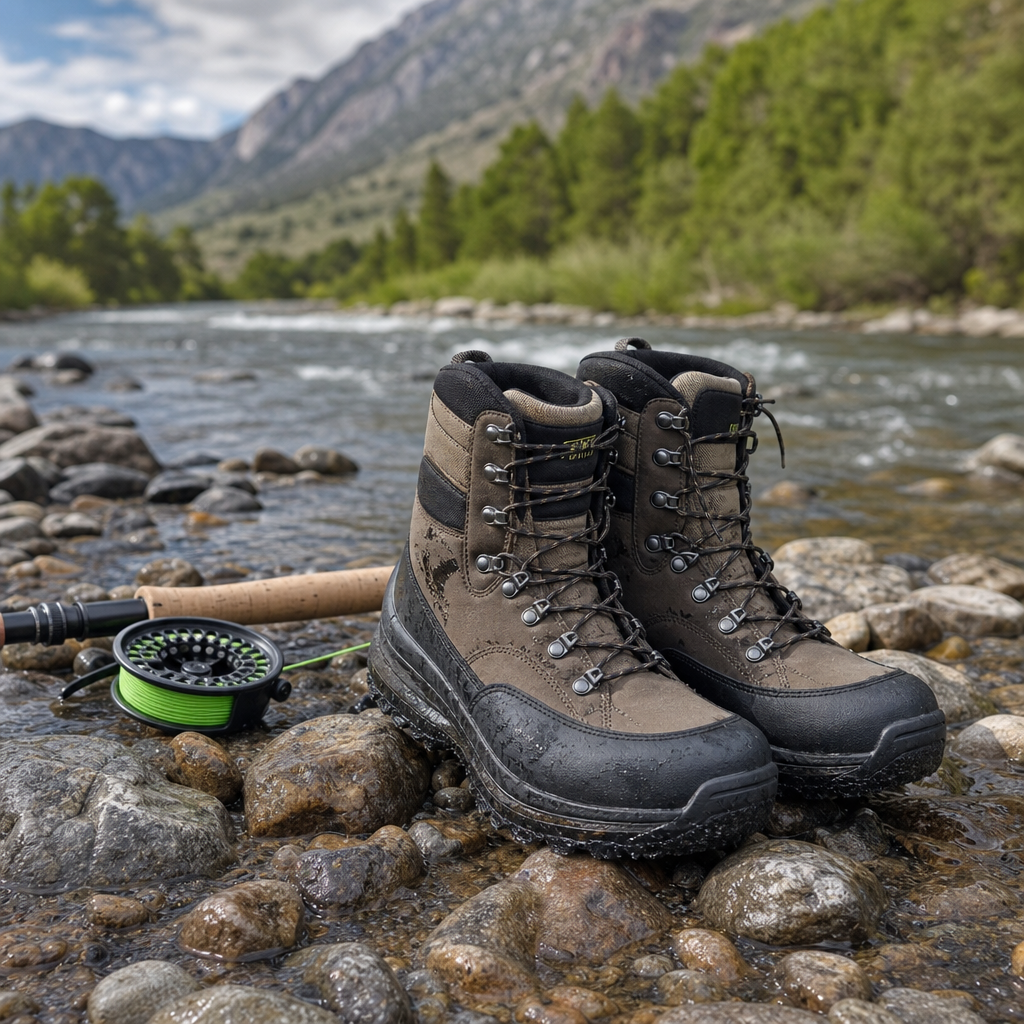
Top fly fishing boots for comfort and support are not just another gear purchase; they are the foundation of safe wading, all-day endurance, and confident movement on slick riverbeds. In clothing reviews, boots deserve hub-level attention because they connect every other apparel choice to real performance: breathable waders fail if the gravel guard rides up over a poorly shaped collar, wool socks bunch inside an ill-fitted heel pocket, and even the best rain shell cannot compensate for fatigue caused by unstable footing. Fly fishing boots are purpose-built wading footwear designed to deliver traction, ankle support, drainage, abrasion resistance, and compatibility with stockingfoot waders. The comfort side comes from fit, cushioning, weight, and break-in behavior; the support side comes from upper structure, midsole rigidity, underfoot grip, and how securely the boot holds the foot when crossing uneven current seams.
I have tested boots on freestone rivers, spring creeks, and boulder-strewn tailwaters, and the same pattern repeats: anglers who prioritize only traction often end up with heavy, clumsy footwear, while those who buy for low weight alone discover that fatigue and ankle roll become serious problems by midday. That is why a strong clothing reviews hub has to explain the tradeoffs among felt and rubber soles, stitched versus welded construction, boot height, drainage ports, stud compatibility, and long-term durability. This topic matters because wading injuries are common, replacement costs are high, and a good pair of boots improves not only safety but casting focus and time on the water. If you want to choose the best fly fishing boots for comfort and support, you need a clear framework grounded in fit, fishing conditions, and realistic use rather than marketing claims.
What Makes a Great Fly Fishing Boot
The best fly fishing boots balance five attributes: fit, traction, support, drainage, and durability. Fit comes first because no sole compound can overcome heel lift or toe crowding. A quality boot should lock the heel without crushing the forefoot, leave enough room for neoprene booties and wading socks, and maintain that hold after several hours in cold water. Support is more nuanced than simple stiffness. On cobble-bottom rivers, moderate torsional rigidity helps reduce foot fatigue, while on steep banks a higher cuff and secure lacing system improve ankle control. Comfort depends on how these elements work together. A lighter boot feels agile, but if the midsole is too soft, the foot works harder on jagged substrate.
Traction is where most buyers focus, and for good reason. Felt soles still provide excellent grip on slimy rock in many regions, but regulations in some states and provinces restrict felt because of invasive species concerns. Rubber soles have improved dramatically, especially when paired with carbide or aluminum studs. Vibram-based outsoles used by brands such as Simms, Patagonia, and Orvis perform best when the lug pattern sheds mud and accepts studs in high-pressure zones. Drainage matters more than many anglers realize. Boots that trap water become heavy and cold, and slow drying accelerates odor and material breakdown. Good drainage ports, hydrophobic materials, and non-absorbent uppers reduce carry weight after every step. Durability, finally, comes down to stitch quality, rand reinforcement, lace hardware, and whether the toe box resists abrasion from kneeling on gravel and scrambling over riprap.
Best Boot Categories for Different Anglers
There is no single best fly fishing boot for everyone. The right choice depends on where you fish, how far you walk, how often you travel, and whether you prioritize cushioning or structure. In my experience, beginners benefit most from stable midweight boots with forgiving fit and optional stud compatibility. They are learning foot placement and need a platform that inspires confidence. Anglers who hike long distances into alpine creeks usually prefer lightweight boots with fast drainage and flexible uppers, accepting slightly less underfoot protection in exchange for less fatigue. Guides and frequent anglers often choose more substantial models because they stand in current for long periods and burn through lighter boots too quickly.
Travel anglers face another set of constraints. They need boots that pack relatively flat, dry quickly in hotel rooms, and work across varied fisheries. Saltwater crossover users may want wading boots that resist corrosion and shed sand well, though dedicated flats boots are often better for tropical use. Cold-weather trout anglers should look closely at volume. A boot that feels perfect in summer can become restrictive with thick merino socks and layered neoprene. Women-specific lasts have also improved meaningfully. Brands that build from a true women’s fit rather than just relabeling smaller men’s sizes usually deliver better heel hold and instep security. For a clothing reviews hub, that distinction matters because comfort problems in boots often begin with the last shape, not with sole choice or cushioning claims.
Top Fly Fishing Boots for Comfort and Support Compared
Several models consistently stand out because they solve the comfort-and-support equation better than average. Simms G3 Guide Wading Boots remain a benchmark for anglers who want high ankle stability, durable construction, and dependable fit with stockingfoot waders. They are not the lightest option, but on rough rivers they reduce foot fatigue because the platform stays composed on uneven rock. Orvis Pro Wading Boots offer similarly strong support with excellent hardware and a secure lacing layout that tightens evenly through the midfoot. Patagonia Forra Wading Boots lean slightly lighter while still providing a supportive chassis and quick drainage, making them appealing to anglers who hike before they wade. Korkers Devil’s Canyon has a distinct advantage for versatility because the interchangeable sole system lets anglers switch from felt to rubber or studded setups based on regulations and river conditions. That modularity is practical, not gimmicky, especially for travelers.
| Boot model | Best for | Key comfort feature | Key support feature | Main tradeoff |
|---|---|---|---|---|
| Simms G3 Guide | Frequent wading on rocky rivers | Cushioned, stable midsole | High cuff and rigid platform | Heavier than hike-focused models |
| Orvis Pro | All-around trout fishing | Secure heel hold | Excellent lateral stability | Premium price |
| Patagonia Forra | Anglers who hike to water | Lower carry weight, fast drainage | Supportive chassis for its class | Less burly than guide-grade boots |
| Korkers Devil’s Canyon | Travel and mixed regulations | Adaptable outsole options | Structured upper with snug fit | Sole system adds complexity |
| Redington Benchmark | Value-conscious anglers | Comfortable fit out of box | Solid ankle coverage | Shorter lifespan under hard use |
Redington Benchmark Wading Boots deserve mention for anglers shopping in the value tier. They generally offer better initial comfort than many entry-level boots and enough support for occasional trout fishing, though long-term durability is not usually on the same level as premium guide-grade models. If you compare options honestly, the decision usually comes down to how many days per year you fish and how technical your wading is. Premium boots are easier to justify when you fish often, spend time on bowling-ball riverbeds, or regularly hike in and out of steep access points. Budget models can be perfectly serviceable for moderate use, but they often compress faster in the midsole, loosen at the heel, or lose outsole bite sooner.
How to Choose the Right Sole, Fit, and Materials
The most common question anglers ask is whether felt or rubber is better. The direct answer is that felt still grips algae-coated rock exceptionally well, while rubber is more versatile, travel-friendly, and regulation-safe. Studded rubber has become the default recommendation for many trout anglers because it performs capably across rock, mud, boat ramps, and trails. Aluminum bars or studs bite especially well on slick stone but can feel awkward on hard surfaces. Carbide lasts longer and is common in stud kits from Simms, Orvis, and Korkers. If you fish from drift boats and step on finished surfaces, consider the wear and noise tradeoff before installing aggressive traction hardware.
Fit should be dialed in with the socks and waders you actually use. Most anglers need to size up from street shoes to account for neoprene booties, but not by guessing. Check brand sizing charts and, if possible, test for heel lift on stairs or a sloped surface. The toes should have room to wiggle, yet the forefoot should not slide laterally when the boot is laced firmly. Modern uppers use synthetic leather, TPU overlays, mesh panels, and welded reinforcements to reduce water absorption while maintaining structure. Full leather can still be durable, but it dries more slowly and often weighs more when saturated. Pay attention to lace hooks and eyelets. Corrosion-resistant metal hardware and locking lace positions improve support more than many anglers expect because they keep tension consistent through the day.
Comfort, Support, and Long-Term Use on the Water
Comfort in fly fishing boots is not the same as sneaker comfort. On the water, true comfort means reduced fatigue, predictable footing, and no hot spots after hours of pressure from current, uneven stones, and repeated climbing in and out of the river. Support also needs to be understood in context. A very rigid boot may feel reassuring on boulder gardens but clumsy on long approaches. A very soft boot may feel pleasant in the parking lot but force the foot to stabilize constantly over rough substrate. The best models tune stiffness so the boot protects the foot without disconnecting you from the bottom.
Long-term use reveals quality fast. I pay attention to whether the heel counter softens prematurely, whether the rand begins to peel, and whether drainage ports clog with sediment. Stitching around the flex points near the forefoot is another weak area on many cheaper boots. Proper care makes a measurable difference. Rinse boots after use, especially after salt exposure or silty rivers, loosen laces fully to dry the tongue and vamp, and avoid storing them wet in a sealed tote. If invasive species protocols apply in your area, drying and disinfection matter as much as longevity. As this clothing reviews hub expands into socks, waders, layering systems, and outerwear, boots remain the anchor category because every clothing system performs better when your footing is secure and your feet finish the day strong.
The best fly fishing boots for comfort and support are the ones that match your fishing reality rather than an abstract ideal. Start with fit, because a secure heel and properly sized forefoot determine whether comfort and support are even possible. Then choose the outsole for your regulations and river conditions, decide how much structure you need based on terrain and fishing frequency, and compare durability honestly against your budget. For many anglers, a premium boot such as the Simms G3 Guide or Orvis Pro pays off through stability and lifespan; for hikers, a lighter option such as the Patagonia Forra may be the smarter call; for versatility, Korkers remains compelling because changing sole conditions is a real-world need.
This hub under Product Reviews and Recommendations is built to help you assess clothing reviews as a system, not as isolated products. Boots influence sock choice, wader fit, layering comfort, and even how long you can stay focused on reading water instead of watching every step. If you are shopping now, shortlist two or three models, verify sizing with your waders, and choose the pair that gives you the most confident footing in the places you actually fish. Better boots mean safer wading, less fatigue, and more effective days on the river. Explore the related clothing reviews in this subtopic and build your kit from the ground up.
Frequently Asked Questions
What should I look for in fly fishing boots if comfort and support are my top priorities?
The best fly fishing boots balance cushioning, ankle stability, precise fit, and durable underfoot protection. Comfort starts with how the boot wraps the foot: a secure heel pocket helps prevent slipping on long walks, while a roomy but controlled toe box allows natural movement without letting your foot slide forward on descents. Support comes from a combination of midsole structure, ankle reinforcement, and outsole stiffness. A boot that is too soft may feel pleasant in the shop, but on uneven riverbeds it can leave your feet and lower legs working harder than they should, which leads to fatigue and less confident footing.
Materials matter as well. Synthetic uppers generally dry faster and weigh less than traditional leather, making them attractive for anglers who value mobility and reduced water retention. Leather or reinforced hybrid constructions, on the other hand, can offer a more locked-in feel and excellent long-term durability. Another major factor is compatibility with your waders and socks. A well-designed collar should work smoothly with gravel guards, and the interior volume should accommodate quality wool or technical socks without creating pressure points. In practice, the most comfortable fly fishing boot is not just the softest one; it is the one that stays stable, fits consistently when wet, and supports your feet through hours of hiking, wading, and standing in current.
How important is boot fit when wearing waders and thick fishing socks?
Fit is absolutely critical, and it is one of the most overlooked reasons anglers end up uncomfortable on the water. Fly fishing boots are almost always worn over neoprene stockingfoot waders, which already add bulk, and most anglers also wear medium- to heavyweight socks for warmth, moisture control, and blister prevention. If the boot is too tight, you can lose circulation, create hot spots, and make cold-water days even more uncomfortable. If it is too loose, your heel can lift, your toes can bang into the front on uneven terrain, and your overall stability in moving water will suffer.
That is why sizing should always be considered in the full system: wader booties, socks, and boot shape all work together. A proper fit should feel secure around the heel and midfoot, snug enough to prevent internal movement, but not so tight that your forefoot is compressed. Your toes should have enough space to wiggle, especially because feet can swell during long days on the river. It is also worth paying close attention to collar height, lacing range, and the shape of the instep area. These details affect how well the boot locks your foot in place and how comfortably it interfaces with your waders. A correctly fitted boot improves traction, reduces fatigue, and makes every other piece of apparel perform better.
Are felt soles or rubber soles better for fly fishing boots?
Both have strengths, and the better choice depends on where and how you fish. Felt soles have long been valued for their excellent grip on slick, algae-covered rocks, especially in classic freestone rivers where submerged stones can be surprisingly polished. Many anglers still appreciate the confident, planted feel felt can provide in technical wading situations. However, felt has limitations. It can perform poorly on muddy banks, wet grass, and long hikes, and in some states or fisheries it is restricted or banned because of concerns about transporting invasive organisms between watersheds.
Rubber soles have become increasingly popular because they are versatile, durable, and often better for mixed-use conditions that include trails, gravel bars, boat ramps, and muddy shorelines. Modern rubber compounds can offer excellent traction, and many boots can be fitted with studs for added bite on slick riverbeds. For anglers who want one pair of boots for a wide range of destinations, rubber is often the more practical option. If your fishing frequently involves especially slippery rock, a high-quality rubber sole with strategically placed studs may provide the best all-around balance of comfort, support, and traction. Ultimately, the right sole is the one that matches your local regulations, typical river conditions, and tolerance for hiking versus pure in-stream grip.
How do fly fishing boots affect safety and endurance during long days on the water?
Fly fishing boots directly influence both safety and physical stamina because they are your only point of contact with unstable, wet, uneven terrain. In moving water, good support helps you stay balanced when stepping between rocks, crossing current seams, or side-hilling along uneven banks. A supportive midsole reduces foot collapse on sharp cobble, while ankle reinforcement can help control awkward movements that might otherwise lead to strains or near falls. Reliable traction also allows you to move more deliberately, which is important when current pressure and poor visibility make every step count.
Endurance is just as important. A boot with poor cushioning or weak structure can leave your feet, calves, knees, and hips working harder over the course of a day. That fatigue builds gradually, and by the final hours it often shows up as slower reactions, less stable footing, and a tendency to avoid productive water because getting there feels too taxing. Comfortable, supportive boots preserve energy by improving stride efficiency during approaches and reducing stress when standing for long periods in current. In practical terms, that means better concentration, safer wading decisions, and more time fishing effectively. For anglers who spend full days on the river, boots are not a minor accessory; they are a core performance and safety tool.
How can I make my fly fishing boots last longer while maintaining comfort and support?
Longevity starts with proper care after every trip. Rinse your boots thoroughly to remove silt, sand, and organic debris, especially around stitching, lace hardware, sole edges, and drainage ports. Let them dry completely in a well-ventilated area, but avoid placing them directly against intense heat sources, which can damage adhesives, warp materials, and shorten the life of supportive components like midsoles and collars. If you fish multiple days in a row, giving boots time to dry between outings helps preserve interior materials and reduces odor and breakdown.
It is also important to monitor wear before it affects performance. Flattened midsoles, loose heel counters, worn lugs, failing studs, and stretched lacing systems can all reduce comfort and stability long before a boot looks completely worn out. Replacing laces, insoles, or studs when needed can noticeably extend useful life and restore fit. Store boots clean and dry, and avoid cramming them under heavy gear where their shape can deform. If your boots begin causing heel lift, arch fatigue, or decreased confidence on slick bottom structure, those are signs the supportive elements may be breaking down. Well-maintained boots not only last longer, but continue delivering the comfort, traction, and secure fit that make long days on the river safer and more enjoyable.