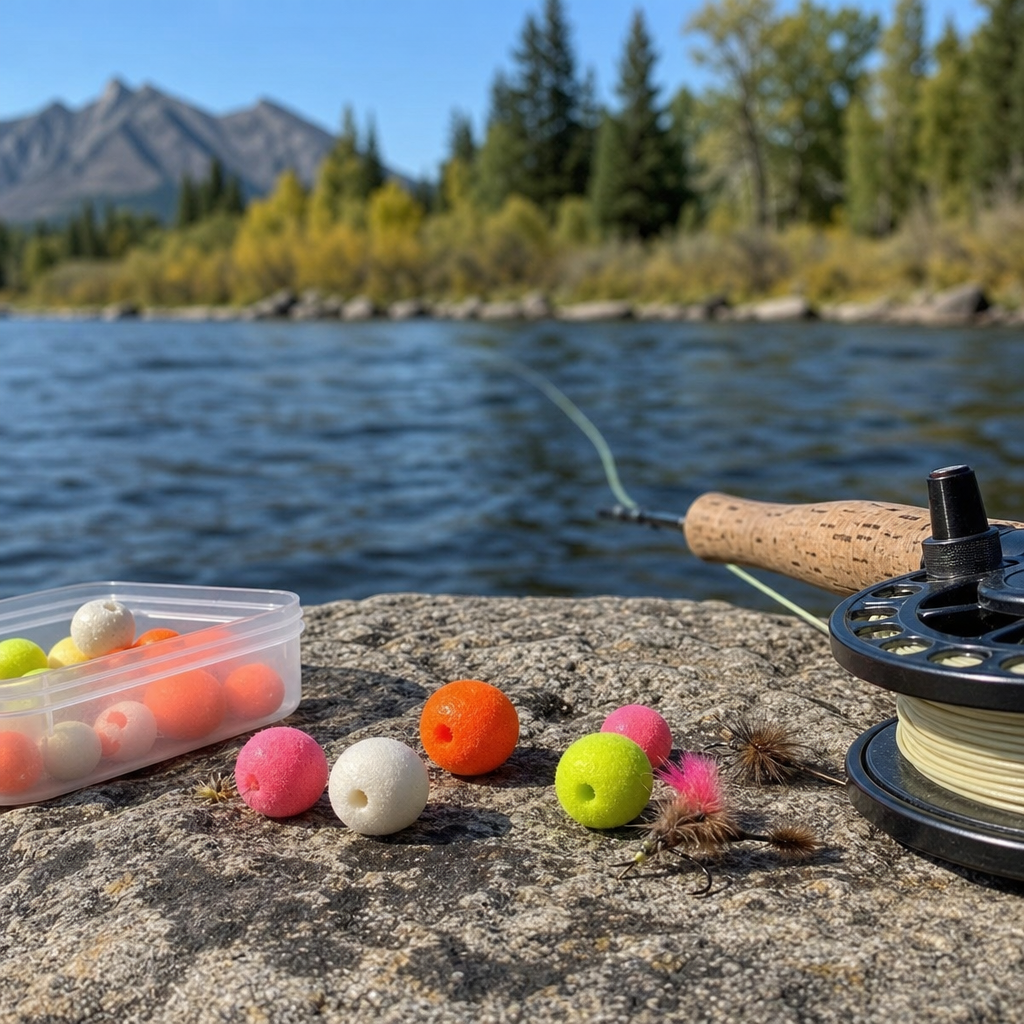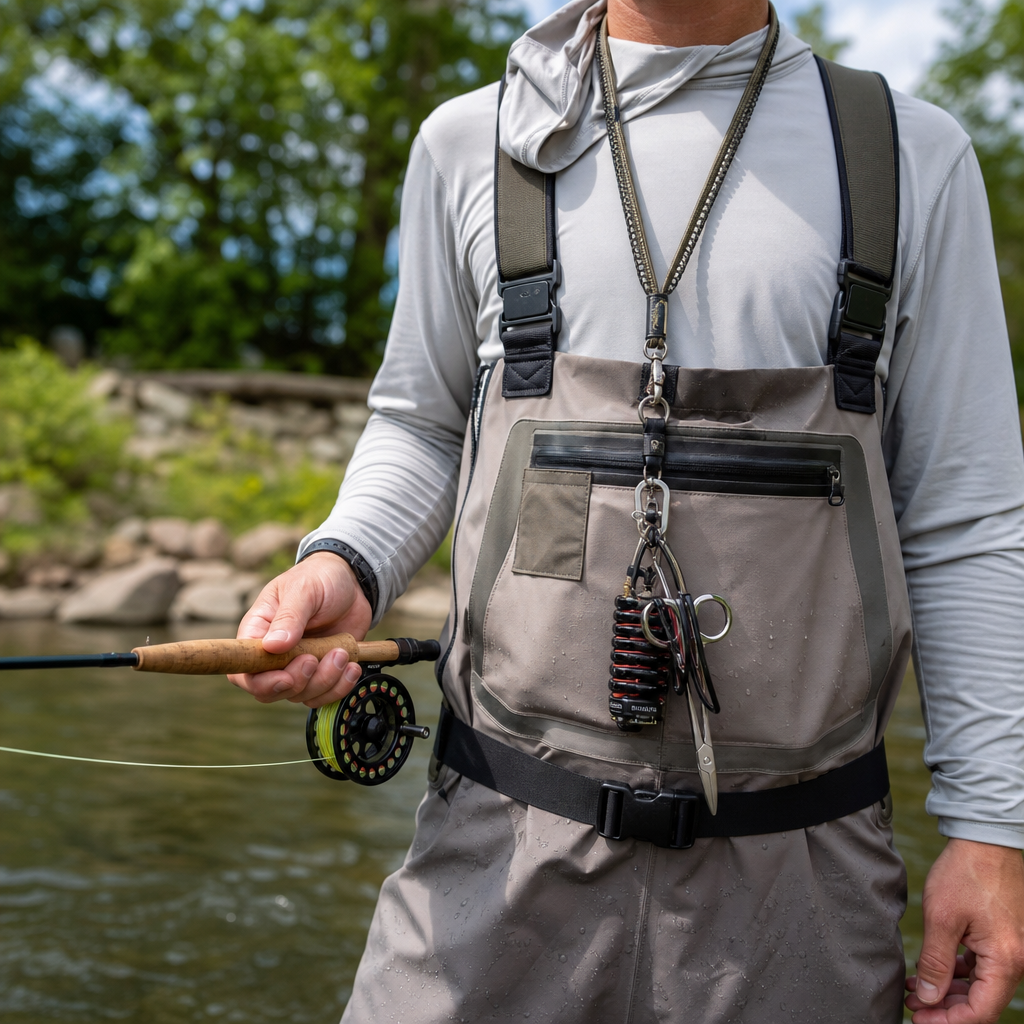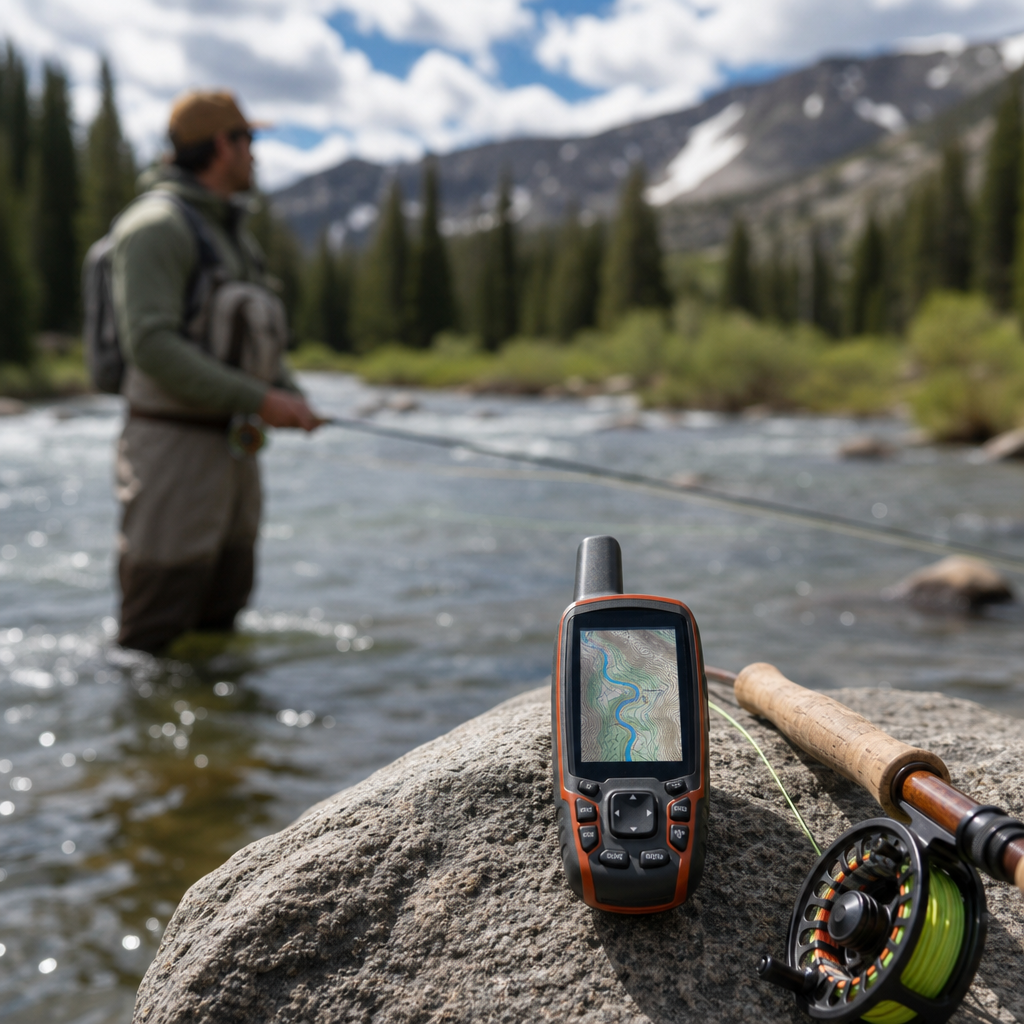
Best fly fishing GPS devices help anglers navigate unfamiliar water, mark productive runs, track weather changes, and return safely after dark. In fly fishing, a GPS device can mean a dedicated handheld unit, a smartwatch with navigation, or a phone-based mapping tool used with offline charts and rugged protection. I have tested all three approaches on trout rivers, tailwaters, stillwaters, and tidal flats, and the right choice always depends on where you fish, how far you hike, and how much precision you need. This matters because modern fly anglers do far more than walk to a visible pool and cast. We scout access points, monitor river gradients, save insect hatch locations, log drifts, and avoid private land boundaries. A good GPS device reduces guesswork and can prevent serious mistakes. It also saves time, which is often the difference between reaching the evening hatch and missing it. For anglers building a dependable kit, understanding the strengths and limits of current navigation technology is as important as choosing the right rod, waders, or fly line.
The category has expanded quickly. Ten years ago, most serious anglers looking for the best fly fishing GPS devices bought a handheld Garmin and accepted its bulk in exchange for reliability. Today, the market includes touchscreen handhelds, compact satellite communicators with mapping features, multisport watches that display breadcrumb trails, and sophisticated mobile apps such as onX Hunt, onX Backcountry, Gaia GPS, TroutRoutes, and Navionics for boats and flats skiffs. Each option solves a different problem. A backcountry angler bushwhacking into alpine lakes needs battery endurance, offline topographic maps, and waypoint accuracy. A drift boat guide may prioritize quick marking, weather data, and route visibility. A flats angler running a skiff in changing tides needs chart detail and clear screen visibility in hard sun. If you want one recommendation up front, dedicated handheld GPS units remain the best overall choice for serious remote fly fishing, while smartwatches and phones work best as lightweight companions or day-trip tools.
What Makes a GPS Device Good for Fly Fishing
The best fly fishing GPS devices share five essential traits: strong satellite reception, readable mapping, durable construction, dependable battery life, and fast waypoint management. Satellite performance matters because river valleys, canyon walls, heavy timber, and storm cover can degrade weaker receivers. Modern multi-band, multi-GNSS chipsets using GPS, GLONASS, Galileo, and sometimes BeiDou lock faster and hold position better in difficult terrain. In practical use, that means your device is less likely to drift your saved waypoint fifty yards downstream or place a trail line on the wrong side of a steep drainage.
Readable mapping is equally important. Fly anglers do not just need a blue line indicating a river. They need contour lines, access roads, trailheads, land ownership overlays, boat ramps, hazard markers, and ideally stream names and forks visible at useful zoom levels. On western rivers with a patchwork of public and private land, property overlays can be the deciding feature. On eastern freestone streams, detailed topo lines and road crossings matter more because access can be fragmented and cell service inconsistent. A device should let you drop a waypoint in seconds, rename it later, and sort locations by trip, species, season, or water type.
Durability and battery life separate fishing tools from casual hiking gadgets. Look for an IPX7 or better water-resistance rating, glove-friendly controls, and enough battery life for a full day with tracking enabled. Replaceable AA batteries still matter in remote fishing because they remove charging anxiety. Rechargeable lithium units are excellent, but only if you carry a power bank and understand cold-weather drain. I have seen phones lose half their charge in a winter steelhead session while a handheld unit continued for days. Finally, waypoint management needs to be simple. Marking a pod of rising fish, a safe crossing, a campsite, or a productive drop-off should take one or two button presses, not a menu dive.
Dedicated Handheld GPS Units: Best Overall for Serious Anglers
For anglers who regularly fish remote rivers, mountain lakes, or backcountry canyons, dedicated handheld units are still the best fly fishing GPS devices. The strongest examples come from Garmin, especially the GPSMAP and eTrex lines. The Garmin GPSMAP 67 and GPSMAP 66sr are standouts because they combine highly accurate multi-band positioning, robust battery life, physical buttons that work in rain, and compatibility with Garmin Explore mapping. These units are not cheap, but they are built for exactly the kind of wet, cold, glove-on use that exposes the weaknesses of consumer electronics.
The practical advantage of a handheld GPS is confidence. On a six-mile hike into a brook trout stream, I want a device that can survive a dunking, show topo contours without hesitation, and guide me back to a dark trailhead after sunset. Handhelds do that better than watches or phones because they are easier to read, easier to control, and less vulnerable to accidental battery drain from photography, messaging, or background apps. Many models also allow detailed waypoint notes, route planning, and trackback features. Trackback is particularly useful on braided rivers, salt marshes, and featureless flats where the route out looks different from the route in.
The main drawback is bulk. A GPSMAP clipped to a pack strap adds weight and feels like one more object to manage alongside nippers, forceps, fly boxes, and rain gear. Screen interfaces are also less polished than smartphone apps. But in serious field conditions, reliability matters more than elegance. If your fly fishing includes wilderness access, solo trips, or any chance of returning in low visibility, a dedicated handheld is the benchmark against which other navigation tools should be judged.
Smartwatches and Wearables: Best for Minimalist Day Trips
Smartwatches have become surprisingly capable navigation tools, and for some anglers they rank among the best fly fishing GPS devices. Garmin’s Fenix and Instinct series, Coros Vertix models, and the Apple Watch Ultra all offer GPS tracking, breadcrumb navigation, and waypoint functions. Their biggest advantage is convenience. A watch is always accessible, so checking your route, distance walked, sunrise time, or heading does not require taking off a pack or digging into a wader pocket. For walk-and-wade trout anglers covering lots of water, that speed is genuinely useful.
In practice, a watch works best as a supplement rather than a primary navigation tool. On a local tailwater or a well-known freestone stream, I often use a Garmin watch to track entry and exit points, distance covered, and productive bends while relying on memory and paper maps for broader context. Watches shine when you want fast location awareness without carrying another device. They also help anglers who already train with them and understand the interface. Battery life on the better models can be excellent, especially in expedition or low-power modes, but full-resolution tracking and map usage reduce runtime quickly.
The limitation is obvious: screen size. Even excellent watches cannot display topo, hydrology, and access information as clearly as a handheld or phone. Touchscreens can also become unreliable with wet hands, and physical-button models are easier on the water. If your trips are short, routes familiar, and weight a priority, a smartwatch is a smart choice. If mistakes could become safety issues, step up to a handheld or pair the watch with a phone app and offline maps.
Smartphones and Mapping Apps: Best Value and Best Interface
For many anglers, the most cost-effective route to the best fly fishing GPS devices is using a smartphone with high-quality mapping apps. Modern phones have accurate GPS chips, bright screens, and enough processing power to run detailed offline maps. The user experience is often superior to dedicated handhelds. Pinch-to-zoom, fast search, satellite imagery, and layered overlays make trip planning easier and faster. When paired with a waterproof case, tether, and power bank, a smartphone can be an excellent fishing navigation platform.
The best apps depend on where and how you fish. onX Hunt is widely used for land ownership and access verification, which matters enormously around western rivers bordered by private ranches. Gaia GPS offers deep topo and route planning features and is especially useful for backcountry lake anglers. TroutRoutes has become valuable for trout anglers because it emphasizes stream access, regulations, and reach-specific information. Navionics remains a strong option for boats, stillwaters, and inshore saltwater use where contour charts and navigation markers matter. Google Maps is not enough for serious fly fishing because it lacks the specialized overlays and offline field functionality needed once roads end.
| Device type | Best use case | Main strengths | Main limitations |
|---|---|---|---|
| Handheld GPS | Remote rivers, backcountry lakes, solo trips | Durability, battery life, reliable controls, strong reception | Bulkier, more expensive, less intuitive interface |
| Smartwatch | Minimalist day trips, familiar water, fitness tracking | Instant access, low carry weight, useful breadcrumb navigation | Small screen, limited mapping detail, shorter runtime in full GPS mode |
| Smartphone with apps | General trout fishing, trip planning, access research | Best maps, easiest interface, strong overall value | Battery drain, fragility, dependence on protective accessories |
The biggest weakness of phones is energy management. Bright screens, cold weather, camera use, and poor signal areas all drain batteries quickly. Airplane mode with offline maps helps a lot, but serious anglers should still carry backup power. Water exposure is the second risk. Even water-resistant phones can fail after repeated wet handling or a submerged pocket. Used thoughtfully, though, a phone app setup can cover the needs of a large share of fly anglers at a lower total cost than a premium handheld.
Key Buying Factors, Recommended Models, and Real-World Tradeoffs
If you are choosing among the best fly fishing GPS devices, start with your fishing style instead of specifications alone. Ask four questions. First, how remote is the water? Second, how long are you usually out? Third, do you need land ownership data? Fourth, will this device also serve hiking, hunting, boating, or travel needs? Those answers narrow the field quickly.
For the best dedicated handheld, the Garmin GPSMAP 67 is currently one of the strongest choices because it offers excellent multi-band reception, long battery life, and reliable mapping support. For anglers who want satellite messaging as well as navigation, the Garmin inReach Mini 2 is valuable, though it is better viewed as a communicator with navigation support than a full mapping replacement. For budget-minded anglers, certain Garmin eTrex models still make sense if you can accept smaller screens and older interfaces. For wearable users, the Garmin Instinct 2X Solar is compelling because battery life is outstanding, durability is high, and controls are field-friendly. For premium watch buyers, the Garmin Fenix series is more mapping-capable, while the Apple Watch Ultra is strong for ecosystem users who fish mostly on day trips and value display quality and cellular integration.
On phones, app selection matters more than the handset itself. I recommend onX for access, Gaia GPS for route planning, and TroutRoutes for stream-specific trout information. Many anglers end up using two apps because no single platform does everything best. That is normal. The tradeoff is subscription cost. A dedicated handheld is a one-time hardware purchase plus optional map costs, while apps create recurring annual fees. Over several years, the economics can narrow more than buyers expect.
No GPS device replaces judgment. Satellite location can still drift under canopy, maps can be outdated, and access rules can change seasonally. Carry a paper backup map on true backcountry trips, verify regulations with the managing agency, and do not assume every visible road or bank is legal access. The best fly fishing GPS devices are force multipliers, not substitutes for planning. Used correctly, they help you fish longer, move smarter, respect boundaries, and return safely with better records of where success happened.
The best fly fishing GPS devices are the ones that match your water, your risk tolerance, and your style of fishing. Dedicated handhelds remain the top choice for remote, high-consequence trips because they offer the best reliability, battery endurance, and field control. Smartwatches are excellent for anglers who value speed, low weight, and quick reference on familiar water. Smartphones deliver the best interface and the broadest mapping ecosystem, especially when paired with strong offline apps and protective gear. There is no single perfect option for every angler, but there is a clear pattern: the farther you go and the more variables you face, the more valuable a purpose-built GPS becomes.
If you are building a navigation setup today, buy based on the toughest trip you realistically take each season, not the easiest one. A local trout angler can do very well with a phone and app subscriptions. A backcountry explorer should invest in a dedicated handheld, and often a satellite communicator as well. A minimalist walk-and-wade angler may find that a durable GPS watch covers most needs. Choose carefully, practice with the device before the trip, and save waypoints consistently. Better navigation means safer access, faster decisions, and more time with a fly in the water.
Frequently Asked Questions
What is the best type of GPS device for fly fishing: a handheld unit, a smartwatch, or a phone app?
The best fly fishing GPS device depends less on brand names and more on where you fish, how far you travel from the truck, and how much reliability you need when conditions get tough. Dedicated handheld GPS units are usually the strongest choice for anglers who fish remote rivers, hike into backcountry lakes, or spend long days on unfamiliar water where losing navigation could become a real safety issue. They typically offer better battery life, stronger satellite reception, physical buttons that work with wet or cold hands, and more durable waterproof construction than a phone or watch.
Smartwatches with navigation features work well for anglers who want fast, glanceable information without constantly pulling out another device. They are especially useful for tracking routes, marking quick waypoints, checking elevation, and following a breadcrumb trail back to the launch or trailhead. For day trips, walk-and-wade sessions, and anglers who already wear a GPS watch for hiking or training, this can be a very practical middle ground. The main limitation is screen size. Small displays make it harder to study contour lines, side channels, access points, or property boundaries in detail.
Phone-based GPS and mapping apps are often the most affordable and easiest to use, and they can be excellent when paired with offline maps, a waterproof case, and a backup power source. A phone gives you the largest screen, which is a major advantage when reading river bends, lake shorelines, marsh edges, or satellite imagery. For roadside access fishing, float trips with easy exits, and destinations where you can preload maps before you leave service, a phone can be more than enough. The tradeoff is durability and power management. Phones are more vulnerable to water, impact, bright sunlight, and battery drain, especially if you are running mapping, screen brightness, and weather updates all day.
In practical terms, many experienced anglers end up using a combination. A handheld GPS for primary navigation, a phone for detailed mapping, and a smartwatch for quick reference can be an ideal setup. If you want one simple recommendation, choose a handheld GPS for remote or technical fishing, a phone app for convenience and value, and a smartwatch only if your navigation needs are relatively light or it will serve as a companion rather than your only tool.
What features matter most in a GPS device for fly fishing?
The most important GPS features for fly fishing are offline mapping, waypoint marking, reliable satellite tracking, battery life, weather awareness, and durable waterproof construction. Everything else is secondary. Fly anglers are often moving through canyons, timber, braided river systems, marshes, or low-light conditions where cell service is limited or nonexistent, so a GPS that depends too heavily on a data connection is not the right tool. Offline maps are essential because they let you navigate even when your phone shows no bars or your watch cannot sync live data.
Waypoint marking is another core feature because it directly improves fishing efficiency. A good GPS device lets you save productive runs, side channels, spring creeks, access trails, launch sites, and safe crossings. Over time, that builds a personal map of spots that produce fish in specific flows, temperatures, and seasons. This is especially useful on larger trout rivers, tailwaters with changing release schedules, stillwaters with multiple access banks, and tidal flats where subtle routes can look very different on the way back.
Battery performance matters more than many anglers realize. GPS use, backlit screens, weather overlays, and constant tracking all consume power. If you fish sunrise to after dark or hike several miles from your vehicle, short battery life turns convenience into liability. Dedicated handheld units generally lead here, but some smartwatches and phones can perform well if you use battery-saving settings and carry backup power.
Map clarity is also important. You want something that helps you interpret water and terrain quickly, not something that buries you in clutter. Topographic detail, shoreline outlines, trails, access roads, public land boundaries, and downloadable regional map layers all add value. On some rivers and flats, satellite imagery can help identify structure, side channels, weed edges, or likely access points before you ever step in the water.
Finally, do not overlook physical usability. Wet fingers, rain, cold weather, glare, and fish slime all affect how well a device functions on the water. Buttons can be better than touchscreens in rough conditions. A bright display, secure mounting options, and true waterproofing all matter. The best fly fishing GPS devices are the ones that remain readable, dependable, and easy to operate when conditions are far from ideal.
Can I rely on a smartphone as my only GPS for fly fishing trips?
You can rely on a smartphone as your only GPS for some fly fishing trips, but whether that is wise depends on the environment and the consequences of failure. For local rivers, easily accessed stillwaters, guided trips, and day sessions near roads or established trails, a phone with a strong offline mapping app can work very well. Modern phones have accurate GPS chips, excellent screens, and access to detailed map layers that can outperform many dedicated devices in terms of visual information.
Where anglers run into trouble is assuming that GPS accuracy and practical field reliability are the same thing. A phone may know exactly where you are, but if the battery drains, the screen becomes unreadable in hard sun, the device overheats, or it gets soaked during a crossing, that accuracy no longer matters. Fly fishing can be rough on electronics. Wading, rain, mud, boat spray, falls on rocky banks, and long stretches of screen use all expose a phone’s weaknesses compared with a dedicated handheld unit.
If you plan to use a phone as your main GPS, preparation is everything. Download maps before leaving home, verify they are actually available offline, and save key waypoints such as parking areas, trailheads, emergency exit routes, and access points. Carry the phone in a waterproof case or dry bag, and bring a reliable power bank if you expect a full day of tracking. It also helps to switch to airplane mode while keeping GPS enabled, reduce screen brightness when possible, and close battery-hungry background apps.
For remote backcountry streams, long float trips, large flats, or any trip where getting turned around could become dangerous, a phone should usually be considered one layer of navigation rather than the only one. In those cases, pairing it with a handheld GPS, smartwatch, paper map, or even a simple preplanned route adds a margin of safety. So yes, a smartphone can absolutely be a capable fly fishing GPS tool, but the farther you get from easy access and fast help, the more important backup navigation becomes.
How useful is GPS for marking fishing spots, access points, and safe routes on the water?
GPS is extremely useful for fly fishing because it helps turn one-off discoveries into repeatable success. Most anglers first think about GPS in terms of finding their way, but the real long-term value often comes from marking specific locations and building a personal record of the water. When you save productive riffles, seams, drop-offs, undercut banks, weed edges, flats channels, or lake shoals, you create a reliable reference that can shorten future scouting and help you return at the right season or flow level.
Access points are equally important. A small pullout, informal trail, boat ramp, walk-in gate, or legal crossing can be easy to miss, especially in low light or on a first visit. Marking these spots reduces wasted time and helps avoid trespass issues when fishing rivers with a mix of public and private land. On tailwaters and larger trout systems, marking take-out points, emergency exits, and alternate crossings can also improve safety if weather shifts or water conditions change faster than expected.
Safe route marking becomes especially valuable after dark or in featureless terrain. On tidal flats, marshes, and broad gravel bars, the route in can look completely different on the way out. In those places, breadcrumb tracking or route recording may be one of the most important features your GPS offers. Instead of guessing your line back to the skiff, launch, or truck, you can follow your recorded path with confidence. The same applies to trail systems in timber, canyon access paths, and side-channel river corridors where multiple similar-looking routes branch away from each other.
The best way to use GPS for spot marking is with some structure. Name waypoints clearly, organize them by river or region, and add notes if your device or app allows it. Include details like water level, season, hatch timing, tide stage, or the type of fish activity you saw. Over time, your GPS becomes more than a navigation tool. It becomes a fishing log tied to real locations, which is one of the most practical ways to improve consistency on unfamiliar and familiar water alike.
Do fly anglers need weather tracking and emergency navigation features in a GPS device?
Yes, weather tracking and emergency navigation features are more important for fly anglers than they often seem at first glance. Fly fishing regularly puts people in environments where conditions can shift quickly and where the route back is not always simple. Sudden thunderstorms, rising wind on stillwaters, changing dam releases on tailwaters, incoming tides, dropping temperatures, and fading light can all turn an easy outing into a more serious situation. A GPS device that helps you monitor conditions and