Choosing the best fly fishing pants for comfort and durability is not a minor gear decision; it directly affects how long you can stay on the water, how safely you move through current, and how well your clothing holds up after seasons of abrasion, mud, and weather. In fly fishing, pants are not just casual apparel. They are technical clothing built to manage moisture, protect skin, regulate temperature, and survive repeated contact with rocks, brush, drift boat decks, and wet banks. After testing fishing clothing across tailwaters, warmwater rivers, and alpine creeks, I have found that the right pair feels almost invisible when walking, kneeling, casting, and climbing, while the wrong pair binds at the knees, stays wet for hours, and fails at the seams.
Comfort in fly fishing pants usually means four things: unrestricted mobility, fast drying performance, temperature management, and a waistband or suspender-compatible fit that works with layering. Durability means abrasion resistance, reinforced stress points, reliable stitching, and fabric that keeps its shape after repeated washing and exposure to sun, grit, and insect repellent. Some anglers also need water resistance for boat fishing or wet wading, while others prioritize UPF protection, zip security, and pocket layout. Because this page serves as a clothing reviews hub, it covers not just what to buy, but how to judge materials, fit, seasonal use, and brand differences so you can navigate specific reviews with a clear framework.
If you are asking what kind of pants are best for fly fishing, the short answer is this: lightweight nylon or nylon-spandex pants with articulated knees, gusseted crotches, and quick-dry finishes are the most versatile for three-season use, while insulated softshell or layered systems perform better in cold conditions. Not every angler needs the same build. A guide walking ten miles of riverbank needs different durability than a summer trout angler wet wading close to the road. Understanding those use cases is the key to buying well once instead of replacing pants every season.
What makes fly fishing pants different from ordinary hiking pants
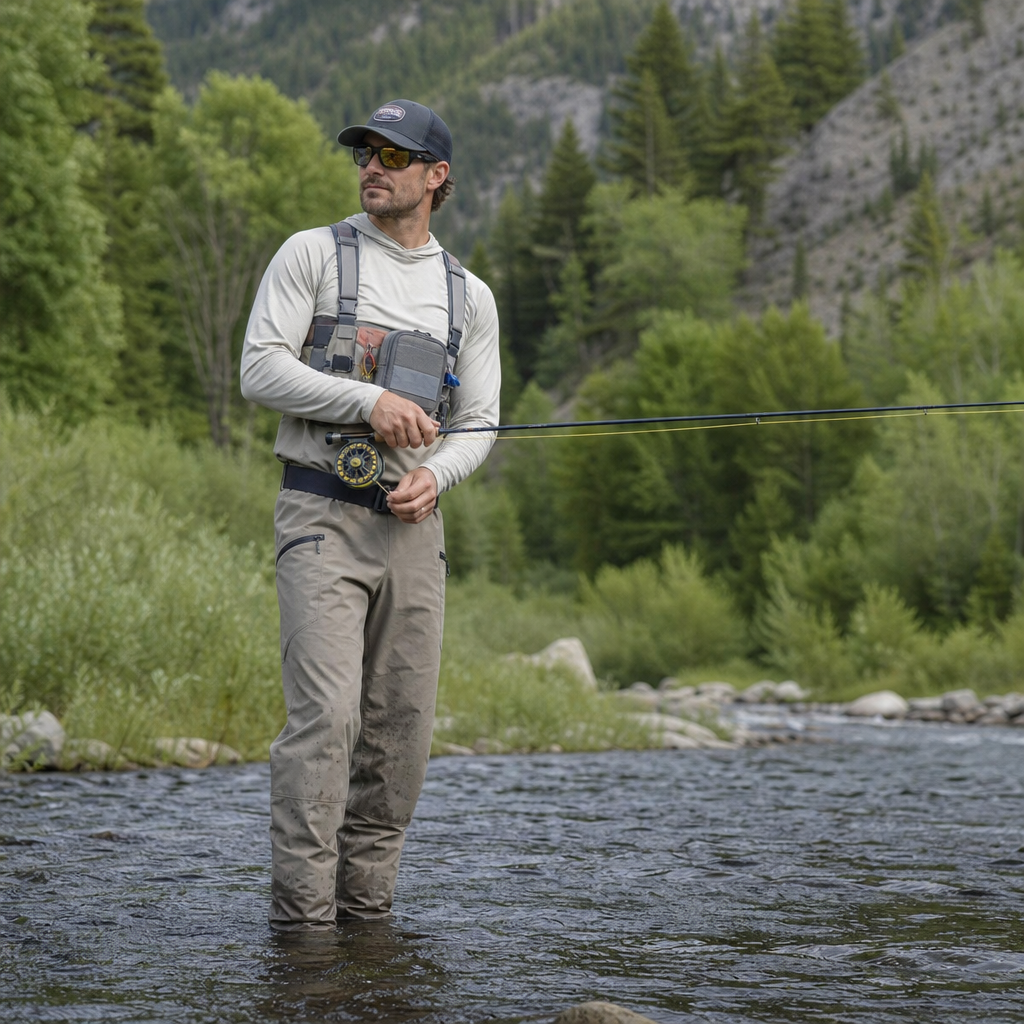
The best fly fishing pants borrow from hiking, paddling, and hunting apparel, but they solve a more specific problem set. Fly anglers move between dry banks, shallow current, muddy launches, and sitting positions in rafts or drift boats. That means fabric must dry quickly, avoid becoming heavy when wet, and resist snags from hook points, thorns, and rough wood. Good models usually include articulated patterning around the knee, a gusseted seat or crotch for high stepping, and pockets placed high enough to remain useful when wearing a wading belt or pack hip belt.
Ordinary cotton work pants fail here because cotton absorbs water, dries slowly, and creates chafing once soaked. Standard casual stretch chinos are also weak around the seat and inner thigh, especially after repeated crouching and climbing over riprap. Technical fishing pants use synthetic fibers such as nylon, polyester, elastane, and occasionally Cordura reinforcements. Nylon remains the standout material for toughness-to-weight ratio. Polyester can feel lighter and dry quickly, but nylon generally resists abrasion better, which matters if you fish freestone rivers with granite, basalt, or woody debris.
Fishing-specific designs also account for sun and insect exposure. Many strong options carry UPF 30 to UPF 50 ratings and feature tighter weaves that reduce mosquito bite-through. On Western rivers, where anglers spend six to ten hours exposed at elevation, that protection matters as much as waterproofness. I have worn excellent hiking pants that looked fine in the parking lot but became frustrating on the water because cargo pockets trapped water, ankle openings rode too high while stepping, or belt loops interfered with a wader waist. Small design details make a measurable difference over a full season.
Best materials, construction details, and fit features to prioritize
If you want a reliable buying checklist, start with fabric composition and garment construction. The most versatile fly fishing pants use 88 to 96 percent nylon with 4 to 12 percent spandex. That blend balances mobility and recovery without becoming baggy by midday. Ripstop weaves help prevent small punctures from spreading. Durable water repellent coatings are useful for spray, light rain, and kneeling on damp ground, but they are not a substitute for waterproof rain pants. Look for double-stitched seams, bar tacks at belt loops and pocket corners, and reinforced hems if you hike long distances in gravel.
Fit matters more than many product pages suggest. A trim athletic cut can feel great while standing, then bind once you squat to release a fish. In testing, the strongest all-day performers had a moderate rise, enough room in the seat, and articulated knees that matched natural leg movement. A gusseted crotch is one of the clearest signs of a purpose-built pant because it removes seam pressure when stepping over logs or entering current. Adjustable hems are useful for wet wading because they help manage gravel entry and improve compatibility with neoprene socks, wading boots, or low-cut approach shoes.
Pocket design should be practical rather than excessive. Zippered hand pockets secure a license, truck key, or tippet spool. Thigh pockets can be helpful, but oversized bellows styles often catch line and feel bulky while stripping line on shore. When reviewing clothing, I pay close attention to waistband stability under a pack or when loaded with a forceps holster. A good waistband stays flat, does not roll, and works with either a low-profile belt or integrated adjustment tabs. These points seem minor until you spend a windy day hiking, kneeling, and casting in wet fabric.
How to choose pants for hot weather, shoulder seasons, and cold conditions
Seasonality is where many anglers buy the wrong pair. In hot weather, especially for wet wading, lighter fabrics around 120 to 170 grams per square meter usually outperform heavier softshells. They vent better, dry fast after immersion, and feel less restrictive during long walks. Good warm-weather pants also have a smooth inner face to reduce cling when wet. For summer smallmouth trips or western trout rivers in July, I usually prefer a light nylon-spandex pant with UPF protection and minimal bulk because it transitions well from boat to bank to stream crossing.
Shoulder season fishing demands more range. In spring and fall, temperatures can shift from near freezing at dawn to shirt-sleeve weather by afternoon. This is where medium-weight stretch woven pants excel. They block more wind than ultralight models and remain comfortable under rain shells or hip waders. Some brands add brushed interiors, which feel warmer but dry slower. In my experience, a smooth-faced medium-weight pant paired with a merino or synthetic base layer is more versatile than buying a single heavily insulated model. Layering gives better control when weather changes quickly.
Cold conditions require honesty about use. If you are primarily wearing chest waders, the best “pants” layer may actually be streamlined fleece or merino bottoms under the waders rather than heavy outerwear. For bank fishing in winter, softshell pants with a DWR finish, fleece backing, and ankle adjusters can be excellent, but they are heavier and slower to dry if fully soaked. They also become too warm once you hike hard. The right answer depends on whether you stand in icy tailwater, row a drift boat, or bushwhack to steelhead runs. Cold-weather comfort comes from system thinking, not one miracle garment.
Top categories and how leading brands compare
Most of the best fly fishing pants fall into four useful categories: ultralight wet-wading pants, all-around technical fishing pants, rugged guide-style pants, and insulated or softshell cold-weather pants. Ultralight options from brands such as Simms, Orvis, and Patagonia focus on breathability, sun protection, and packability. They are excellent for travel and hot climates, but they give up some abrasion resistance in thorny brush or on rough raft surfaces. All-around technical pants are the sweet spot for most anglers because they offer enough toughness for regular use without feeling heavy.
Guide-style pants generally use heavier face fabrics, stronger reinforcement, and more structured cuts. They suit anglers who kneel on gravel bars, carry pliers in pockets, and fish three or four days a week. The tradeoff is warmth and weight. During long summer hikes, they can feel overbuilt. Patagonia often stands out for thoughtful fabric sourcing and repairable construction, while Simms tends to excel in fishing-specific patterning and accessory integration. Orvis frequently delivers strong comfort and clean styling that works on and off the water. Outdoor Research and Kuhl also deserve attention, especially for anglers who want crossover use with hiking and travel.
| Category | Best Use | Main Strength | Main Tradeoff |
|---|---|---|---|
| Ultralight wet-wading pants | Hot weather, travel, wet wading | Fast drying and breathable | Lower abrasion resistance |
| All-around technical pants | Three-season trout fishing | Balanced comfort and durability | Less specialized for extremes |
| Guide-style rugged pants | Frequent use, brush, boat decks | High toughness and structure | Heavier and warmer |
| Cold-weather softshell pants | Winter bank fishing, windy days | Warmth and weather resistance | Slow drying and bulkier |
When comparing brands, ignore marketing phrases like “adventure ready” and focus on measurable traits: fabric weight, fiber blend, reinforcement placement, pocket closures, and fit notes from verified users. I have seen premium pants fail early because the ankle hem was too light for gravel abrasion, and I have seen mid-priced models last years because the patterning and stitching were sound. Price helps, but construction details matter more.
Common mistakes buyers make and how to avoid them
The most common mistake is buying pants based on looks alone. Clean styling is nice, but if the fabric holds water or the fit restricts movement, the pants will stay in the closet. A second mistake is assuming thicker automatically means more durable. Heavier fabric can resist abrasion, but durability also depends on yarn quality, weave density, seam construction, and whether stretch fibers are overused. Too much elastane can make pants comfortable in the short term and saggy or fragile over time, especially with hard washing and sun exposure.
Another mistake is overlooking compatibility with the rest of your kit. Pants that work perfectly without waders may bunch under stockingfoot waders, create pressure points at the knee, or interfere with a wading belt. Before buying, think through how you fish most often. Do you wet wade? Hike steep trails? Sit in a kayak or raft? Carry a net on the belt? Those details determine whether you need ankle cinches, low-profile pockets, or extra seat reinforcement. The best fly fishing pants are the pair that matches your actual fishing days, not an idealized version of them.
Sizing errors also cause unnecessary returns. Technical pants vary widely in rise, taper, and inseam accuracy. If a brand offers both regular and articulated fits, read those notes carefully. I usually recommend sizing for mobility first, then adjusting the waist with a belt if needed. Hems can be altered; restricted hips and knees cannot. Finally, many anglers neglect garment care. Dirt, sunscreen, fish slime, and salt accelerate fabric wear. Washing with mild detergent, avoiding excessive heat, and occasionally renewing DWR treatment can add meaningful life to quality pants.
How this clothing reviews hub helps you choose the right pair
As a hub for clothing reviews under product reviews and recommendations, this page should help you narrow decisions before you dive into individual brand and model breakdowns. Start by identifying your dominant fishing scenario: warm-weather wet wading, general trout fishing, heavy-use guiding, or cold-season bank and boat fishing. Then sort options by fabric weight, stretch content, and reinforcement. If you only fish a few summer weekends, prioritize comfort, drying speed, and UV protection. If you fish weekly in abrasive terrain, pay for better stitching, stronger hems, and field-proven nylon blends.
It also helps to separate “best overall” from “best for you.” The most reviewed pant online is not automatically the best match for a boulder-strewn freestone stream, humid bass river, or long hike into alpine water. In my own testing, the models I return to most are not always the lightest or the most expensive. They are the ones that remain comfortable after repeated soakings, do not catch on brush, and still fit properly after a year of use. Reliability over time is the true test of value in fishing clothing.
The key takeaway is simple: the best fly fishing pants combine mobility, moisture management, and abrasion resistance in a design that fits your season and style of fishing. Look for nylon-based fabrics, articulated construction, practical pockets, and honest compatibility with waders or wet-wading setups. From there, use this hub to explore detailed clothing reviews, compare categories, and choose a pair built for your water, not just the showroom. Invest once, fish longer in comfort, and let your next purchase solve problems instead of creating them.
Frequently Asked Questions
What should I look for when choosing the best fly fishing pants for comfort and durability?
The best fly fishing pants balance mobility, protection, and long-term toughness. Start with the fabric. Nylon and polyester blends are common because they dry quickly, resist abrasion, and hold up well against repeated contact with rocks, brush, and boat surfaces. Many high-quality options also include a small amount of spandex or mechanical stretch, which makes a major difference when stepping over logs, crouching near the bank, or climbing in and out of the water. Comfort depends heavily on fit, so look for articulated knees, gusseted crotches, and a cut that allows layering without feeling bulky or restrictive.
Durability features matter just as much as overall material quality. Reinforced seat and knee panels are especially useful for anglers who kneel on gravel bars or spend time launching from rough banks. Double-stitched seams, bar-tacked stress points, and corrosion-resistant zippers help pants survive seasons of use instead of breaking down after a few trips. Pockets should be functional but secure, ideally with zip closures or drainage-friendly construction, especially if you are often around water.
Weather performance is another key factor. Good fly fishing pants should manage moisture well, whether that means wicking sweat in warm weather or shedding light rain and spray through a durable water-repellent finish. In cooler conditions, you may want room for thermal base layers underneath. In hot weather, breathability and ventilation become more important than insulation. In short, the right pair is not simply comfortable in a store fitting room; it performs well after hours of casting, walking uneven terrain, and dealing with changing river conditions.
Are wading pants better than standard fishing pants for fly fishing?
That depends on how and where you fish. Wading pants are often the better choice when you regularly fish in rivers, streams, or shallow moving water because they are designed specifically for in-water use. They usually offer better water resistance, more technical construction, and features that support stability and comfort while wading. Some are built as lightweight alternatives to chest waders for warm weather, while others are intended to be worn under or alongside wading systems. If your fishing involves frequent immersion, slippery rocks, and changing current, purpose-built wading pants generally outperform standard fishing pants.
Standard fishing pants, on the other hand, can be ideal for anglers who mostly fish from the bank, drift boat, or shorelines where full wading performance is not always necessary. They are often lighter, more breathable, and more versatile for all-day wear in warm temperatures. A good pair can still offer quick-drying fabric, sun protection, and abrasion resistance, which makes them suitable for a wide range of fishing situations. They also tend to feel more like regular outdoor pants, which some anglers prefer for travel and casual use before and after a trip.
The decision comes down to your fishing style. If you spend a lot of time standing in current or moving through rocky channels, wading-specific pants usually provide more confidence and technical performance. If you need comfort for hiking, bank access, and occasional splashing rather than sustained in-water use, standard fly fishing pants may be the smarter and more versatile option. The best choice is the one that matches your typical conditions, not just the one with the most specialized features.
What fabric is best for fly fishing pants in hot, cold, and wet conditions?
There is no single fabric that is perfect for every condition, but some materials consistently perform better than others. For hot weather, lightweight synthetic fabrics such as nylon or polyester are usually the best choice because they dry fast, breathe well, and do not stay heavy when wet. Pants with venting, moisture-wicking treatments, and built-in stretch tend to be the most comfortable during summer fishing, especially when you are covering ground or spending long hours under direct sun. UPF-rated materials can also add valuable protection on exposed water where sunlight reflects off the surface.
In cold conditions, insulation matters less than layering flexibility. Most experienced anglers prefer pants that can block wind and light moisture while leaving enough room for thermal or merino wool base layers underneath. Heavier softshell fabrics can work well in chilly weather because they provide warmth, stretch, and some weather resistance without becoming overly stiff. The key is to avoid fabrics that trap moisture against the skin, since damp clothing can quickly make cold fishing uncomfortable and potentially unsafe.
For wet conditions, durability and water management are critical. Quick-drying synthetic fabrics still perform best, but a durable water-repellent coating can improve comfort by helping the outer surface shed spray, mist, and light rain. Fully waterproof pants may be useful in some environments, but they can also reduce breathability if worn in mild or warm temperatures. In fly fishing, the best fabric is usually one that dries quickly, resists abrasion, stretches with your movements, and works well with your layering system. Performance across a range of conditions often matters more than any one marketing claim on the label.
How important are fit and mobility in fly fishing pants?
Fit and mobility are extremely important because fly fishing demands far more movement than many people expect. You are often walking uneven banks, stepping over submerged rocks, climbing into boats, kneeling to land fish, and making repeated casting motions for hours at a time. Pants that feel acceptable when standing still can become frustrating very quickly if they pinch at the knees, bind at the waist, or restrict your stride. A good fit should feel secure but not tight, with enough room for natural movement and layering when temperatures drop.
Technical design features make a real difference here. Articulated knees help the fabric move with your body instead of fighting against it. A gusseted crotch improves range of motion and reduces seam stress, which also helps durability over time. Stretch panels or stretch-woven fabric are especially valuable for anglers who hike into remote water or frequently change elevation around streambanks. Even details like waistband design, belt loops, and cuff shape can affect comfort if you are wearing a pack, wading boots, or additional outer layers.
Poor mobility does not just affect comfort; it can affect safety. Restricted movement can make it harder to keep balance in current, take a stable step on slick rocks, or react quickly when footing changes. That is why experienced anglers often prioritize fit just as highly as waterproofing or pocket layout. The best fly fishing pants should almost disappear while you are wearing them, allowing you to focus on reading water and fishing effectively instead of constantly adjusting your clothing.
How can I make fly fishing pants last longer and maintain their performance?
Proper care has a major impact on how long fly fishing pants remain comfortable, durable, and weather-resistant. After each trip, especially if you have been in mud, sand, or silty water, rinse off debris before it works deeper into the fabric or seams. Dirt and grit act like sandpaper over time, gradually wearing down coatings, stitching, and high-friction areas. Always follow the manufacturer’s washing instructions, but in general, use mild detergent, avoid fabric softeners, and skip harsh bleach products that can damage technical fibers and water-repellent treatments.
Drying and storage matter as well. Let pants dry thoroughly before packing them away to prevent mildew, odor buildup, and premature fabric breakdown. Do not leave them crumpled in a damp gear bag or hot vehicle for extended periods. If the pants have a durable water-repellent finish, you may eventually need to refresh it with a treatment designed for technical outerwear. This can help restore their ability to shed light moisture and maintain comfort on wet days.
It is also smart to inspect your pants regularly for small issues before they become major failures. Check seams, zippers, knee panels, cuffs, and pocket closures, since these areas often take the most abuse. Minor repairs made early can significantly extend the life of a good pair. In practical terms, the most durable fly fishing pants are not just the ones made from rugged materials; they are the ones cared for consistently after hard use. A little maintenance goes a long way toward preserving performance through multiple seasons on the water.