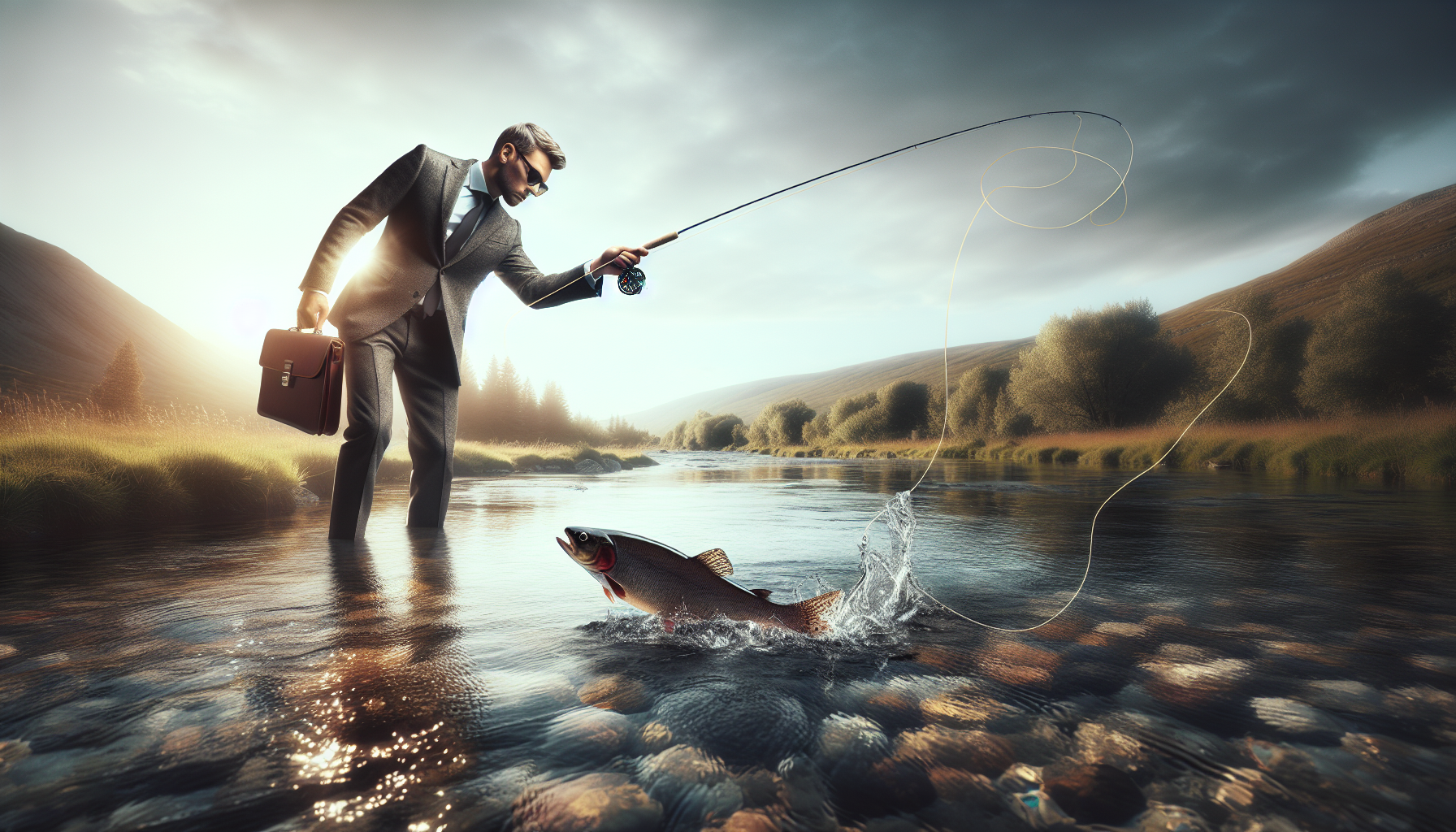
Catch and release is one of the most widely promoted practices in modern recreational fishing, yet many anglers still harm fish unintentionally while believing they are doing the right thing. In practical terms, catch and release means landing a fish, handling it in a way that minimizes injury and stress, and returning it to the water with a realistic chance of survival. That last phrase matters. A fish that swims away is not automatically a fish that survives. Delayed mortality from exhaustion, infection, temperature stress, or deep hooking can occur hours or days later, which is why the details of technique matter as much as the decision to release.
I have spent years around guides, fisheries biologists, and experienced anglers refining release practices on trout rivers, warmwater lakes, and saltwater flats, and the same pattern appears everywhere: most damage comes from a handful of avoidable mistakes. Fish are built for life in water, not for prolonged air exposure, dry hands, hot boat decks, or extended fights on undersized tackle. Their protective slime coat is vulnerable, gill filaments are delicate, and lactic acid builds quickly when they are overplayed. Water temperature, species biology, hook style, landing tools, and recovery technique all influence outcomes.
This matters for both ethics and fishery quality. Effective catch and release protects spawning adults, supports size structure, and helps sustain pressured waters where regulations depend on released fish surviving. Agencies such as state fish and wildlife departments, NOAA Fisheries, and organizations like Keep Fish Wet have all emphasized that survival hinges on handling choices anglers control directly. A conservation-minded angler therefore needs more than good intentions. The goal is to reduce physical injury, oxygen deprivation, and physiological stress from the moment a fish is hooked until it regains equilibrium and swims off strongly. Understanding the common mistakes in catch and release is the fastest way to improve results and fish with real responsibility.
Using the Wrong Gear and Fighting Fish Too Long
The first major mistake in catch and release happens before a cast is made: using gear that is too light for the species, the current, or the cover. Many anglers assume lighter tackle is always more sporting, but from a fish welfare perspective, excessive fight time is a serious problem. Long fights deplete energy reserves, increase lactic acid, reduce blood oxygen balance, and leave fish too exhausted to recover from handling or predation. This is especially important in warm water, where dissolved oxygen is already lower and metabolic stress rises quickly.
In my own fishing, I have seen the difference immediately when anglers step up appropriately. A bass pulled from weeds on heavy enough line can be landed, unhooked, and released in under a minute. The same fish fought for several minutes on ultralight tackle may roll at the surface, require more handling, and need lengthy revival. For trout in current, a balanced rod, reel, and tippet setup shortens the contest without forcing reckless pressure. In saltwater, species like bonefish, redfish, striped bass, and snook benefit from firm, efficient pressure because sharks, seals, and birds often target exhausted fish after release.
Hook choice also matters. Barbless hooks or hooks with pinched barbs are usually easier to remove and often reduce tissue damage, particularly when fish are intended for release. Circle hooks are strongly recommended, and in some fisheries required, when using natural bait because they reduce deep hooking. Treble hooks can be effective, but they increase handling time and the chance of eye, gill, or facial injury. Replacing trebles with singles on some lures can materially improve release outcomes.
Another equipment error is failing to have release tools ready. Long-nose pliers, hemostats, hook cutters, a rubberized landing net, and line clippers should be instantly accessible. If an angler has to search through compartments while the fish thrashes in a net or on the deck, stress rises and mistakes multiply.
Poor Landing and Handling Practices
Many fish are injured not during the fight but during landing. The classic errors are beaching fish on dry ground, lifting them by the jaw without support, squeezing their midsection, touching gills, or dropping them on hard surfaces. Fish are not designed to support their full body weight out of water, and larger fish can suffer spinal, jaw, or internal damage when held vertically for photos. This is a common problem with trophy-class bass, pike, lake trout, and muskie.
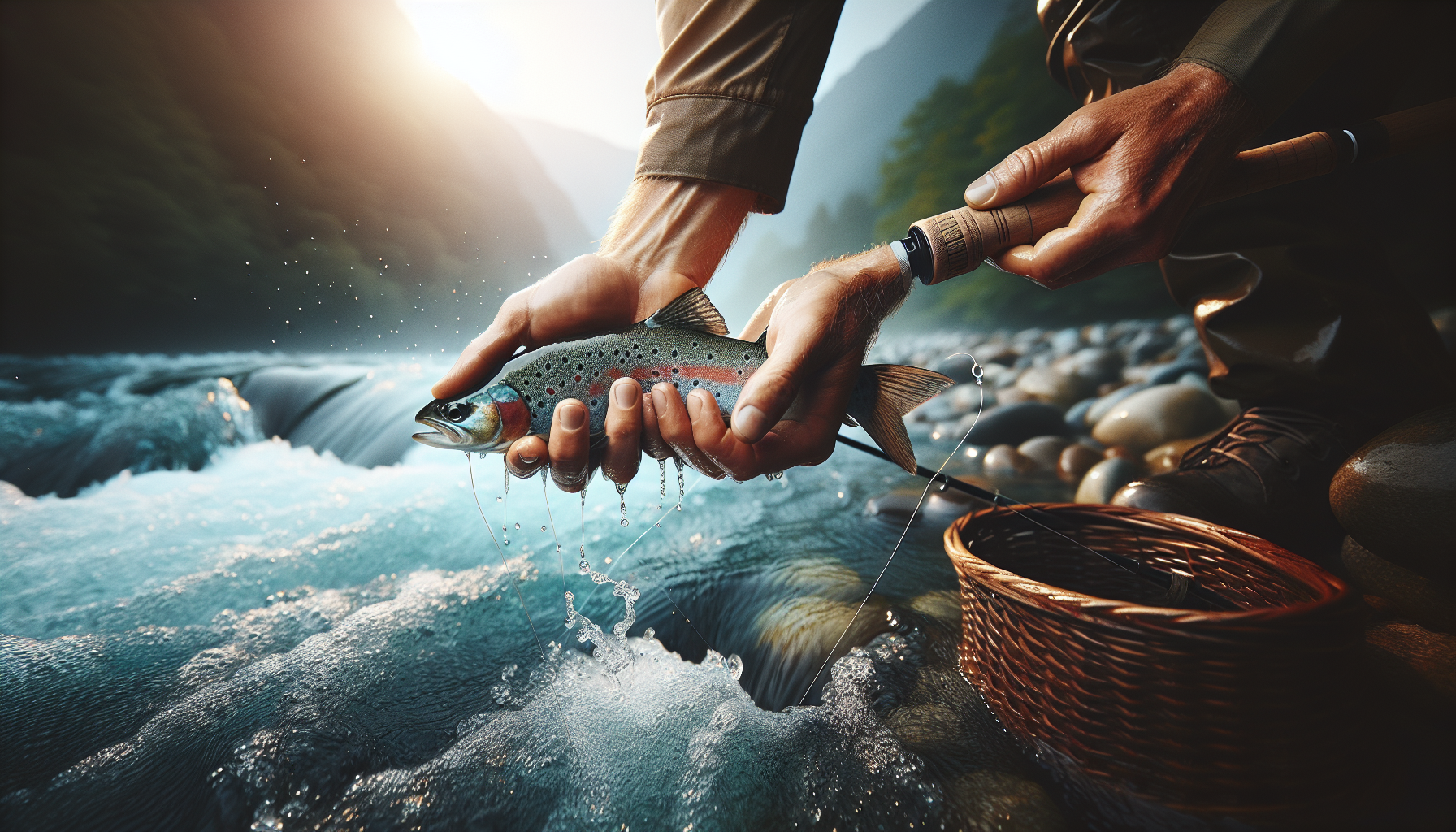
The best landing practice is simple: keep the fish in the water whenever possible. A knotless rubber net is useful because it supports the fish, reduces scale loss, and avoids the abrasive friction caused by old-style nylon mesh. Before touching the fish, wet your hands. That helps preserve the mucus layer that acts as a first defense against infection and parasites. If you need to lift the fish briefly, do it with two points of support: one hand at the wrist of the tail and the other under the belly, avoiding the gills and eyes.
One of the most damaging mistakes I still see is placing fish on boat carpet, rocks, sand, or a measuring board for too long. Carpets and dry surfaces strip slime and can burn skin, especially on trout and salmonids. Hot decks in summer can injure fish in seconds. If measurement is necessary, use a wet measuring trough or mat and work quickly.
Photos are another weak point. The standard should be “camera ready before fish ready.” Frame the shot while the fish is still in the water, lift only when the photographer is prepared, and return the fish immediately after one or two images. A practical benchmark promoted by many conservation groups is to keep total air exposure under ten seconds per lift, and ideally under fifteen seconds overall. Survival drops as air exposure stacks on top of exercise stress, particularly in warm water or after deep fights.
| Mistake | Why It Harms Fish | Better Practice |
|---|---|---|
| Using undersized tackle | Extends fight time and increases exhaustion | Match rod, line, and drag to species and conditions |
| Dry handling | Removes protective slime coat | Wet hands and keep fish in water |
| Nylon knotted nets | Abrade skin, scales, and fins | Use rubberized, knotless nets |
| Long photo sessions | Increases air exposure and stress | Prepare camera first and limit lifts |
| Vertical holds on large fish | Can damage jaw and internal structures | Support fish horizontally with two hands |
| Deep-hooked fish pulled forcefully | Causes severe bleeding and tissue trauma | Cut the line close and release promptly |
Deep Hooking, Air Exposure, and Bad Hook Removal Decisions
Hook removal is where intention often collides with panic. When a fish is lip-hooked or pinned in the corner of the jaw, removal is usually quick. Problems arise when fish inhale bait, when treble hooks tangle in multiple points, or when anglers insist on removing a deeply embedded hook at all costs. In many cases, that instinct does more damage than the hook itself.
For deep-hooked fish, especially those hooked in the throat or near the gills, the safest move is often to cut the line as close to the hook as possible and release the fish without further trauma. Research on several species has shown that fish can sometimes shed or encapsulate retained hooks, while aggressive extraction can cause catastrophic bleeding. This is one reason circle hooks are so valuable in bait fisheries; they tend to catch in the mouth rather than the gut when used properly and not “J-hooked” with a hard hookset.
Air exposure deserves separate attention because anglers frequently underestimate its effect. Fish exchange oxygen through gills supported by water, and outside that environment the gill filaments can collapse. A fish that has just completed a strenuous fight is already in oxygen debt. Holding it up repeatedly for photos, walking it to shore, or discussing the catch before release compounds the problem. If you need to remove a hook, do it with the fish partially submerged whenever possible. Nets can serve as in-water cradles while pliers do the work.
Another mistake is using inappropriate tools. Fingers are slow and often unsafe around pike, walleye, catfish, and toothy saltwater species. Hemostats help with small hooks on trout and panfish. Long pliers and dehookers are better for larger species. Hook cutters are essential when a treble hook is buried in a way that would require twisting or tearing. Cutting one point often turns a difficult release into a clean one.
Line type and leader material can also influence hook removal. Heavy leaders around abrasive fish make it easier to control the head and reduce thrashing. In fly fishing, pinching barbs speeds release dramatically. These are small adjustments, but they produce measurable improvements over a season of fishing.
Ignoring Water Temperature, Species Sensitivity, and Seasonal Stress
Not all catch and release conditions are equal. One of the biggest mistakes anglers make is assuming a fish that survives release in spring will respond the same way in midsummer. Water temperature changes everything. As temperature rises, fish metabolism increases while oxygen availability declines. That combination is especially dangerous for coldwater species such as trout, salmon, and char. Many experienced anglers voluntarily stop targeting trout when water temperatures approach or exceed about 68 degrees Fahrenheit, and some use even more conservative thresholds depending on species and river conditions.
Warmwater and saltwater fish also have limits. Largemouth bass may tolerate warmer conditions better than trout, but prolonged fights during summer tournaments still produce delayed mortality, particularly when fish are handled repeatedly and held in livewells. Tarpon, bonefish, permit, and snook face elevated post-release risk when water is hot or predators are abundant near the release site. In shark fisheries, fight duration is a critical issue because some species suffer severe physiological stress even when they appear powerful at release.
Spawning seasons require added restraint. Targeting fish on redds, beds, or spawning aggregations can disrupt reproduction even if the fish swims away. Nest-guarding bass pulled from beds may leave eggs or fry exposed to predators. Steelhead and salmon already depleted from migration are less resilient. Ethical catch and release therefore includes deciding not to fish under certain conditions.
Species-specific handling matters too. Trout should never be gripped by the gill plate. Esox species such as pike and muskie require careful support and efficient tools because prolonged entanglement can be deadly. Flatfish and reef fish may face barotrauma when brought from depth, making simple release ineffective unless proper descending devices or venting rules are understood and legal. Good anglers learn the biology of their target species instead of applying one generic release method to everything that bites.
Releasing Fish Incorrectly and Failing to Adjust Habits
The final stage of catch and release is often rushed. Anglers unhook a fish, give it a casual toss, and assume the job is done. Proper release means making sure the fish can ventilate, regain orientation, and leave under its own power. In current, point the fish into moderate flow so water moves through the mouth and across the gills. Do not pump the fish back and forth aggressively; that can interfere with normal gill function. Instead, hold it calmly until it maintains balance and kicks away with purpose.
In still water, support the fish upright and watch for steady movement before letting go. If a fish rolls repeatedly, sinks, or drifts sideways, it has not recovered. Predators often capitalize on weak releases. I have seen striped bass and bonefish taken almost immediately after sloppy releases near seals or sharks. In such situations, shorten the fight, revive the fish fully, and move away from obvious predator concentrations if possible.
Improvement comes from treating every outing as feedback. If fish are bleeding often, change hooks or bait tactics. If releases are slow in summer, shorten sessions, fish cooler periods, or stop targeting vulnerable species. If net tangles are common, replace hardware and organize tools before starting. Conservation is practical, not abstract. Small process changes prevent cumulative harm over dozens of fish.
For a catch and release hub, the core lessons are straightforward: use appropriate tackle, land fish quickly, keep them wet, minimize air exposure, choose hooks that reduce injury, respect temperature and spawning stress, and release only when the fish is truly ready. Those habits protect individual fish and strengthen the fisheries anglers depend on. If you want your fishing to match your conservation values, audit your setup and release routine before your next trip, then make one concrete improvement at a time.
Frequently Asked Questions
What is the most common catch and release mistake anglers make?
The most common mistake is assuming that a fish is fine simply because it swims away after release. In reality, many released fish die later from stress, exhaustion, internal injury, oxygen deprivation, or infection. Catch and release only works when the entire process, from hookset to release, is handled in a way that protects the fish’s ability to recover. A fish that has been overplayed on light tackle, dragged onto dry ground, squeezed too hard, or kept out of the water for too long may appear to recover in the moment while still suffering delayed mortality.
One of the best ways to avoid this mistake is to think beyond the release itself and focus on total fish condition. Use tackle heavy enough to land the fish quickly. Avoid unnecessarily long fights that leave the fish exhausted and unable to clear lactic acid buildup. Keep the fish in the water whenever possible, especially while unhooking and preparing for a quick photo. Wet your hands before touching the fish so you do not strip away its protective slime coating. Handle the fish gently and support its body rather than hanging it vertically by the jaw or gill area. In short, successful catch and release is not judged by whether the fish leaves your hand, but by whether you gave it a realistic chance to survive after it does.
Why is keeping a fish out of the water too long such a serious problem?
Fish breathe by passing water over their gills, so once they are removed from the water, they are effectively deprived of oxygen at the exact moment they are already stressed from being caught. Even short periods of air exposure can be harmful, especially after a long fight. The longer a fish is out of water, the more its stress response intensifies. Air exposure also dries delicate gill tissue, damages protective mucus, and reduces the fish’s ability to recover after release. This is one of the main reasons a fish can swim off strongly and still die later.
To avoid this problem, plan ahead before the fish is fully landed. Have your pliers, net, camera, and release tools ready so there is no unnecessary delay. If you want a photo, keep the fish in the water while everything is set up, then lift it only briefly for a quick shot. A good rule is to treat air exposure like holding your own breath during intense exercise: the less, the better. If the hook is easy to remove, do it with the fish partially submerged or fully in the net in the water. If the fish needs a moment before release, revive it in clean, moving water while keeping it upright and supported. Efficient handling makes a major difference, and shaving even a few seconds off air exposure can improve survival odds.
How does improper handling injure fish during catch and release?
Improper handling can injure fish externally and internally, even when no blood is visible. Dry hands, rough surfaces, and abrasive nets can remove the slime coat that protects fish from infection and disease. Grabbing a fish too tightly can damage muscles and internal organs. Holding certain species vertically for photos, especially larger fish, can strain their jaws, spine, and connective tissue. Touching the gills or inserting fingers into the gill plates can cause serious damage to one of the fish’s most vital structures. Laying fish on hot boat decks, sand, rocks, or grass can also lead to injury and contamination.
The safest approach is to minimize contact and support the fish properly at all times. Wet your hands before handling. Use a rubber or knotless landing net rather than a traditional abrasive mesh net. Keep the fish off dry surfaces. If you need to lift it, support it horizontally with one hand near the head and the other under the belly or tail section, depending on the species. Avoid squeezing. Never put fingers in the gills unless local best practices for a specific species absolutely require a careful variation of that technique, and even then it should be done by experienced anglers who understand the risk. In general, less handling is better handling, and gentle, prepared contact is one of the simplest ways to reduce release mortality.
Are certain hooks and tackle setups better for safe catch and release?
Yes, hook choice and tackle setup can significantly affect how easily a fish can be released and how much damage occurs during the catch. Deep-hooking is one of the biggest problems in catch and release because hooks lodged in the throat, gullet, or gills are far more likely to cause fatal injuries. Treble hooks can also increase damage and make unhooking slower and more stressful, especially when fish are thrashing in the net or in your hands. Barbed hooks, while effective for holding fish, can prolong unhooking time and increase tissue damage if removal is difficult.
In many situations, single hooks, circle hooks, and barbless or de-barbed hooks are better choices for release-minded anglers. Circle hooks are especially useful with natural bait because they often reduce deep-hooking by catching in the corner of the mouth when used correctly. Barbless hooks can usually be removed more quickly and with less injury, which shortens handling time. Beyond the hook itself, tackle should be matched to the size and strength of the fish you expect to catch. Ultralight tackle may seem sporting, but if it dramatically extends fight time, it can leave fish too exhausted to recover well. Strong line, an appropriate rod, and a smooth drag help land fish faster and reduce stress. The best setup is one that balances sporting challenge with an efficient, low-impact release.
What should you do if a fish seems exhausted or unable to swim away after release?
If a fish appears disoriented, rolls onto its side, or cannot maintain balance after release, it likely needs time to recover from exertion and oxygen debt. This is especially common in warm water, after long fights, or with species that are particularly sensitive to handling stress. The worst response is to toss the fish back and hope for the best. A fish in poor condition may drift, sink, or become easy prey before it regains normal function. Recovery support can improve its chances, but it must be done correctly.
Hold the fish upright in the water and support it gently so water can move naturally across the gills. In moving water, face the fish into the current. In still water, move it slowly and carefully forward if needed, but do not pump it aggressively back and forth. Forceful backward motion can interfere with normal gill function. Watch for signs of recovery such as stronger body tension, steady fin movement, and the ability to hold itself upright without help. Release it only when it can swim under its own power. Also remember that prevention matters more than revival. If fish are repeatedly coming in exhausted, reassess your methods: use heavier tackle, shorten fight times, reduce air exposure, and avoid targeting fish in extreme heat or low-oxygen conditions. Revival is useful, but the real goal is to avoid pushing the fish to that point in the first place.