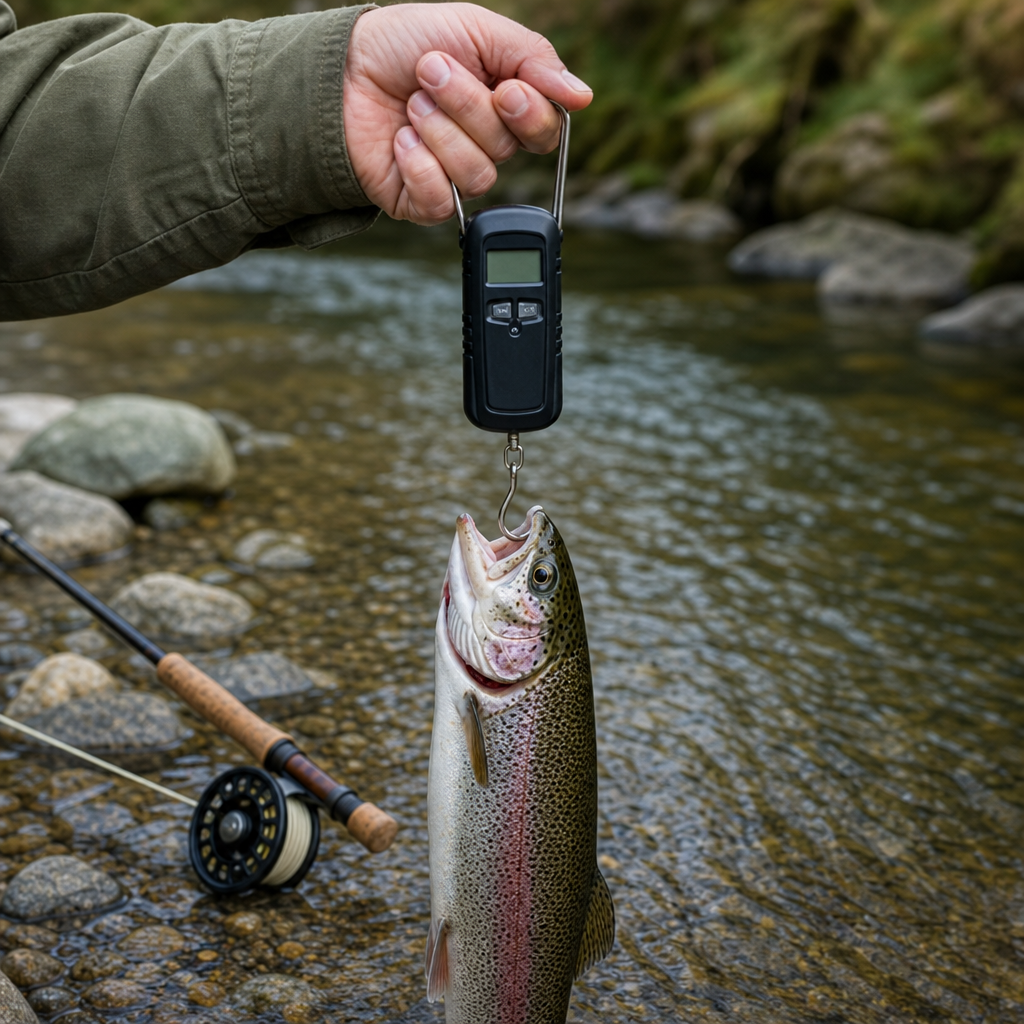
Best fly fishing digital scales help anglers measure fish quickly, accurately, and with less handling stress, which matters for honest catch records, species management, and better on-the-water decisions. In fly fishing, a digital scale is a compact electronic device that converts force into a weight reading, usually through a load cell, then displays the result in pounds, ounces, grams, or kilograms. Compared with spring scales, good digital models are easier to read in low light, more precise with smaller trout and panfish, and often include practical functions such as tare, memory, hold, and floating designs. I have used them on drift boats, tailwaters, alpine lakes, and warmwater float trips, and the differences between cheap and well-designed units become obvious fast when wet hands, wind, and fish slime are involved.
This technology review hub covers what makes a fly fishing digital scale worth buying, how leading models differ, and which features matter most for trout, bass, pike, and saltwater fly anglers. The topic matters because fish handling standards have improved. Many anglers now use rubber nets, barbless hooks, and quick releases, so weighing a fish should fit that same low-impact ethic. A scale that stabilizes fast, clips securely to a net, and reads accurately without repeated lifts reduces air exposure. It also improves logbook quality. If you track fish growth in private water, compare seasonal body condition, or simply want trustworthy numbers rather than dock-talk estimates, the right scale is a useful tool rather than a gimmick.
As a hub page for technology reviews within product reviews and recommendations, this article also helps you evaluate related gear categories: fish grippers, net-integrated scales, mobile logging apps, waterproof headlamps for night readings, and boat electronics that influence catch documentation. The central question is simple: what are the best fly fishing digital scales, and how do you choose one that matches your fishing style? The short answer is that the best models combine dependable accuracy, waterproof construction, readable displays, fish-safe attachment points, and sensible capacity for the species you target. The longer answer requires looking at sensors, materials, battery systems, calibration behavior, and real use cases.
Most fly anglers do not need a giant offshore scale rated for fifty pounds, and they should avoid ultracheap gadgets with inconsistent calibration drift. For trout fishing, a compact scale in the fifteen- to thirty-pound range is usually ideal, because it offers finer graduation at the weights anglers most often measure. For larger species such as carp, salmon, steelhead, striped bass, pike, or light inshore fish, more capacity can make sense if the hook, lip grip, or weigh sling remains fish-friendly. Understanding that balance is the key to buying well.
What Makes a Digital Scale Good for Fly Fishing
A good fly fishing digital scale starts with a stable load cell and sensible resolution. Resolution is the smallest unit the scale displays, such as 0.1 ounce or 10 grams. Accuracy is how close the reading is to the fish’s true weight. Manufacturers sometimes advertise one and hide the other, so read specifications carefully. In practical use, a trout scale that resolves to 0.1 ounce but drifts by several ounces after a splash is not a premium tool. Better brands specify both capacity and tolerance, often around plus or minus 0.2 to 1 percent depending on the range. For fly anglers, fast lock-on is equally important. If the display hunts continuously while a fish moves in the net, you lose time and confidence.
Water resistance separates true fishing scales from generic luggage scales. Look for sealed buttons, corrosion-resistant hooks, and battery compartments with gaskets. Fully waterproof ratings are still uncommon, but splashproof construction is the practical minimum. Display quality matters more than many buyers expect. Backlit LCD screens are easier to read at dawn, under tree cover, and during evening spinner falls. Button layout should be simple enough to operate one-handed. In cold weather, tiny recessed buttons become frustrating, especially while wearing stripping gloves.
The attachment method also affects fish safety and convenience. Bare metal hooks are common, but for fly fishing they are often best used with a rubber net, weigh bag, or short sling rather than directly through soft tissue. Some anglers pair a digital scale with a lip gripper for toothy fish, but that approach is species-specific and less appropriate for many trout. Tare function is therefore essential. You weigh the empty sling or net first, zero the scale, then get the fish weight without mental math. Memory and peak-hold features can help when taking a quick measurement before release, though hold should not substitute for efficient handling.
Battery type deserves more attention than it gets in reviews. Button-cell scales are compact but often perform poorly in cold conditions and are annoying to replace on trips. AAA-powered units tend to be bulkier yet more reliable and easier to support in remote areas. Auto-off saves power, but it should not trigger so quickly that it shuts down mid-weighing. In my experience, the best digital scales feel boringly dependable: they turn on every time, stay legible when wet, and agree with known test weights often enough that you stop thinking about them.
Best Fly Fishing Digital Scale Categories and Recommended Use
Different fishing styles need different scales, so “best” depends on species, water type, and how you land fish. A backpacking angler on small streams values low weight and compact storage. A guide on a drift boat wants ruggedness, a clear display, and a hook big enough for a net handle loop or weigh sling. A stillwater angler targeting large trout may need more capacity than a creek angler but still wants good low-end precision. When I test scales, I sort them into four useful categories: compact trout scales, all-around boat scales, heavy-duty predator scales, and premium ecosystem scales tied to broader accessories or app logging.
| Category | Typical Capacity | Best For | Main Advantage | Main Tradeoff |
|---|---|---|---|---|
| Compact trout scale | 15 to 25 lb | Walk-and-wade trout anglers | Better small-fish precision | Limited headroom for large species |
| All-around boat scale | 25 to 50 lb | Guides, float anglers, mixed fisheries | Versatile capacity and readability | Slightly larger size |
| Predator scale | 50 lb and up | Pike, salmon, inshore fly fishing | Handles large fish safely with sling | Lower fine resolution for trout |
| Premium integrated scale | Varies | Data-focused anglers | Added memory, app, or accessory support | Higher price and complexity |
For many freshwater fly anglers, the sweet spot is the all-around boat scale. Models from Berkley, Rapala, and KastKing often compete here. Berkley digital scales have long been popular because they are straightforward, reasonably accurate, and easy to find. Rapala’s high-visibility fish scales frequently offer stronger ergonomics and better backlighting, with some versions including memory slots and gripper compatibility. KastKing has gained attention by packing features into mid-priced models, though long-term durability can vary more by specific version. Brecknell, a respected name in industrial and postal weighing, also makes hanging scales that some serious anglers adapt because the measurement hardware is trustworthy, even if the form factor is less fishing-specific.
For backcountry trout fishing, a small waterproof-leaning scale with a soft weigh bag can be ideal. For pike or carp on the fly, a heavier hanging scale used with a proper sling is usually safer and more accurate than forcing a tiny trout scale beyond its intended range. The best technology review approach is to match the scale to the actual fish and handling system, not the marketing photo on the package.
Feature-by-Feature Technology Review: Accuracy, Durability, and Usability
Accuracy testing should start with certified or known weights, not fish stories. I usually check a scale with gym plates, calibration weights, or sealed food bags measured on a verified kitchen scale. A good fishing unit should return consistent readings across repeated lifts and across the middle of its range, where many fish will fall. If a twenty-five-pound scale is only reliable above ten pounds, it is a poor trout tool. Repeatability matters as much as absolute precision. An angler can tolerate a slight fixed offset if it is known, but random swings destroy confidence.
Durability comes from materials and assembly quality. Stainless steel hooks resist rust better than plated steel, but stainless alone does not solve corrosion if the battery terminals or screw heads are poor quality. Molded ABS housings are common and acceptable when seams are tight. Some scales float, which is a genuine benefit from kayaks, skiffs, and drift boats. Others sink instantly, and that should affect your value calculation. Drop resistance is underdiscussed. Scales often get knocked against gunwales, streamside rocks, and raft frames. A unit with a recessed screen and rubberized overmold usually survives better than a glossy, hard-plastic body.
Usability is where premium models justify higher pricing. Tare should be immediate. Unit switching between pounds, ounces, kilograms, and grams should be intuitive. The hold function should freeze a stable value without requiring an awkward second hand. Some scales include a tape measure, which sounds handy but is often flimsy. Better extras include a coiled lanyard, oversize handle, non-slip grip, or a broad hook opening that works with weigh slings and net loops. If you fish at night for carp or stripers, backlight brightness becomes a buying factor rather than a luxury. The best digital fish scale is the one you can operate correctly without looking up instructions while a fish waits in the net.
There are limits to digital technology, and balanced reviews should say so. Extreme cold can slow displays and reduce battery performance. Saltwater exposure demands rinsing, even on corrosion-resistant models. None of these tools should be trusted indefinitely without spot-checking against known weights. But when selected intelligently, they are far more practical than old analog spring scales for modern fly fishing.
How to Use a Fly Fishing Digital Scale Without Harming Fish
The best practice is to prepare before the fish is landed. Turn the scale on, attach the empty sling or net, and use tare so the display reads zero. Keep the fish in water while you organize the lift. If you are using a rubber net, many trout can be weighed by lifting the net bag briefly with the scale clipped to a strong point, then lowering the fish immediately after the number stabilizes. For larger fish, a dedicated weigh sling distributes weight better than a narrow hook point or gripper. This approach reduces injury risk and gives cleaner readings.
Air exposure should be minimized. Fisheries biologists and catch-and-release educators consistently emphasize that handling time affects recovery, especially in warm water or for exhausted fish. That means you should not weigh every fish for social media. Reserve the scale for exceptional catches, personal records, or data collection that has a real purpose. Wet your hands, keep the fish horizontal when possible, and do not suspend delicate species for long photo sessions. If the scale has a peak-hold feature, confirm beforehand how it works so you are not fumbling during the critical moment.
For honest records, note whether the reading includes a net, sling, or gripper and whether tare was used. If you compare weights across seasons or waters, use the same method each time. Consistency makes your data meaningful. Guides and lodges that track fish quality over time often standardize tools and process for that reason. In practical terms, the digital scale becomes part of a fish-care system, not just a bragging device.
Buying Advice, Related Gear, and Final Recommendations
If you want the best fly fishing digital scale, buy for your common species first, not your once-a-decade fish. For most trout anglers, choose a compact or mid-range scale from a reputable brand with tare, backlight, sealed controls, and a capacity between fifteen and thirty pounds. For mixed fisheries from drift boats and stillwaters, step to a twenty-five- to fifty-pound all-around model with a comfortable grip and reliable hold function. For pike, salmon, carp, or light saltwater fly fishing, use a stronger scale and pair it with a proper weigh sling. Test it at home with known weights before the season starts, carry spare batteries, and rinse it after dirty or salty trips.
This technology review hub should also guide your next clicks within product reviews and recommendations. A digital scale works best when matched with fish-friendly landing nets, grippers suited to the target species, waterproof packs, and logging tools that keep measurements organized. The core takeaway is simple: the best fly fishing digital scales are accurate enough to trust, durable enough to survive wet days, and easy enough to use quickly so fish spend less time out of water. Choose one that fits your fishing, practice the process before you need it, and upgrade the rest of your fish-handling kit to match.
Frequently Asked Questions
What makes a digital scale better for fly fishing than a traditional spring scale?
A good digital scale gives fly anglers two major advantages over a spring scale: better readability and more consistent accuracy. Instead of estimating weight from a moving pointer, you get a clear numerical display that is much easier to read in changing light, wind, rain, or while kneeling in shallow water. That matters when you are trying to record a fish honestly, compare catches over time, or stay within regulations for managed species. Many digital models also offer fine measurement increments, which can be useful for smaller trout, panfish, or other species where a few ounces make a meaningful difference.
Digital scales are also generally easier to use quickly, which can reduce fish handling time. A well-designed unit can lock the peak weight, tare a sling or net, and switch between pounds, ounces, grams, and kilograms with a button press. For catch-and-release fly fishing, that efficiency is important. Less fumbling means less time the fish spends out of the water and less stress on the animal. While spring scales are simple and durable, quality digital scales usually provide a more precise, more user-friendly experience for anglers who care about accurate records and responsible fish handling.
How accurate are fly fishing digital scales, and what affects their performance on the water?
Most quality fly fishing digital scales are accurate enough for practical angling use, especially when used within their intended weight range. In real-world terms, a reliable model should provide a consistent reading for trout, bass, pike, and other common freshwater species without the large guesswork that often comes with older mechanical scales. However, accuracy is influenced by several factors, including the scale’s sensor quality, calibration, battery condition, environmental conditions, and how the fish is suspended during weighing.
To get the best performance, the fish needs to hang freely and steadily from the scale. If the fish is twisting, touching your leg, resting against the boat, or swinging in the wind, the reading may fluctuate. Cold weather can also affect battery performance, and water exposure may interfere with cheaper units that are not well sealed. Another common issue is using a scale that is oversized for the target species. A scale built for very heavy fish may be less precise on small trout than a model with a lower maximum capacity and finer graduation. For the most dependable results, choose a scale sized for the fish you actually catch, keep fresh batteries installed, and test the unit occasionally with a known weight to confirm it is reading properly.
What features should I look for in the best fly fishing digital scales?
The best fly fishing digital scales balance accuracy, fish safety, portability, and ease of use. Start with capacity and resolution. If you primarily target trout and similar species, a compact scale with fine increments and a moderate maximum capacity is often a better choice than an oversized big-game model. Next, look for unit options such as pounds, ounces, grams, and kilograms, since anglers often record fish in different formats depending on personal preference, club rules, or regional standards.
Fish-friendly design is just as important as pure measurement. A scale that includes tare functionality lets you weigh a fish in a wet rubber net, cradle, or sling and subtract the carrier weight for a more accurate and less stressful measurement. A stable hook or attachment point matters too, but many fly anglers prefer to pair the scale with a soft sling or net rather than hanging the fish directly from the jaw or gill area. A hold function is useful because it captures the reading quickly, allowing you to return the fish to the water without staring at the screen.
Durability and field usability should also be high on your list. Water resistance, a backlit display, intuitive buttons, a comfortable grip, and a compact shape that fits into a pack or vest all improve the experience on the river. Battery life and auto-off features are worth considering, especially for travel or long days away from the truck. In short, the best scale is not just the one with the highest stated accuracy; it is the one that is easy to carry, quick to operate, dependable in wet conditions, and compatible with low-stress fish handling practices.
How do you weigh a fish accurately while minimizing handling stress?
The best approach is to prepare everything before the fish is lifted from the water. Turn on the digital scale in advance, attach your sling, net, or weighing cradle, and use the tare function so the display reads zero with the carrier already attached. Once the fish is landed, keep it in the water as much as possible while you organize the process. When you are ready, transfer the fish gently into the wet net or sling, lift only long enough to capture the reading, and then return the fish to the water immediately. This method is usually more accurate and much safer for the fish than clipping a hook directly onto sensitive tissue.
Minimizing handling stress comes down to speed, support, and moisture. Wet your hands and any measuring surfaces first, avoid squeezing the fish, and support its body if it must be lifted. Try not to weigh the fish repeatedly just to see if the number changes. One quick, clean reading is better than multiple attempts. If conditions are hot or the fish is already exhausted, it may be wiser to skip weighing altogether. Ethical fly fishing is not just about getting a number; it is about making good decisions for the fish. A digital scale should help shorten the process, not turn a release into a prolonged photo session.
Do fly anglers really need a digital scale, or is it just a nice extra tool?
A digital scale is not mandatory for every fly angler, but it is far more than a gimmick when used appropriately. If you like keeping accurate catch records, tracking seasonal improvements, comparing fish across waters, or documenting a personal best with more honesty than a rough guess, a digital scale is a very practical tool. It can also be useful where fisheries management, tournament rules, club challenges, or harvest regulations make accurate weights important. In those situations, a dependable digital scale helps remove the uncertainty that comes with eyeballing a fish or relying on exaggerated estimates.
That said, not every outing requires one. Many anglers are perfectly happy measuring fish by length, especially in strict catch-and-release fisheries where minimizing air exposure is the top priority. For some species and conditions, length can be the more fish-friendly data point. The value of a digital scale comes from how you use it. If it lives in your pack, turns on quickly, works reliably, and helps you get a fast, accurate weight with minimal handling, it is a smart addition to your fly fishing kit. If it encourages unnecessary lifting, repeated weighing, or prolonged out-of-water time, then it stops being useful. The best anglers treat a digital scale as a precision tool that supports both honest record keeping and responsible fish care.