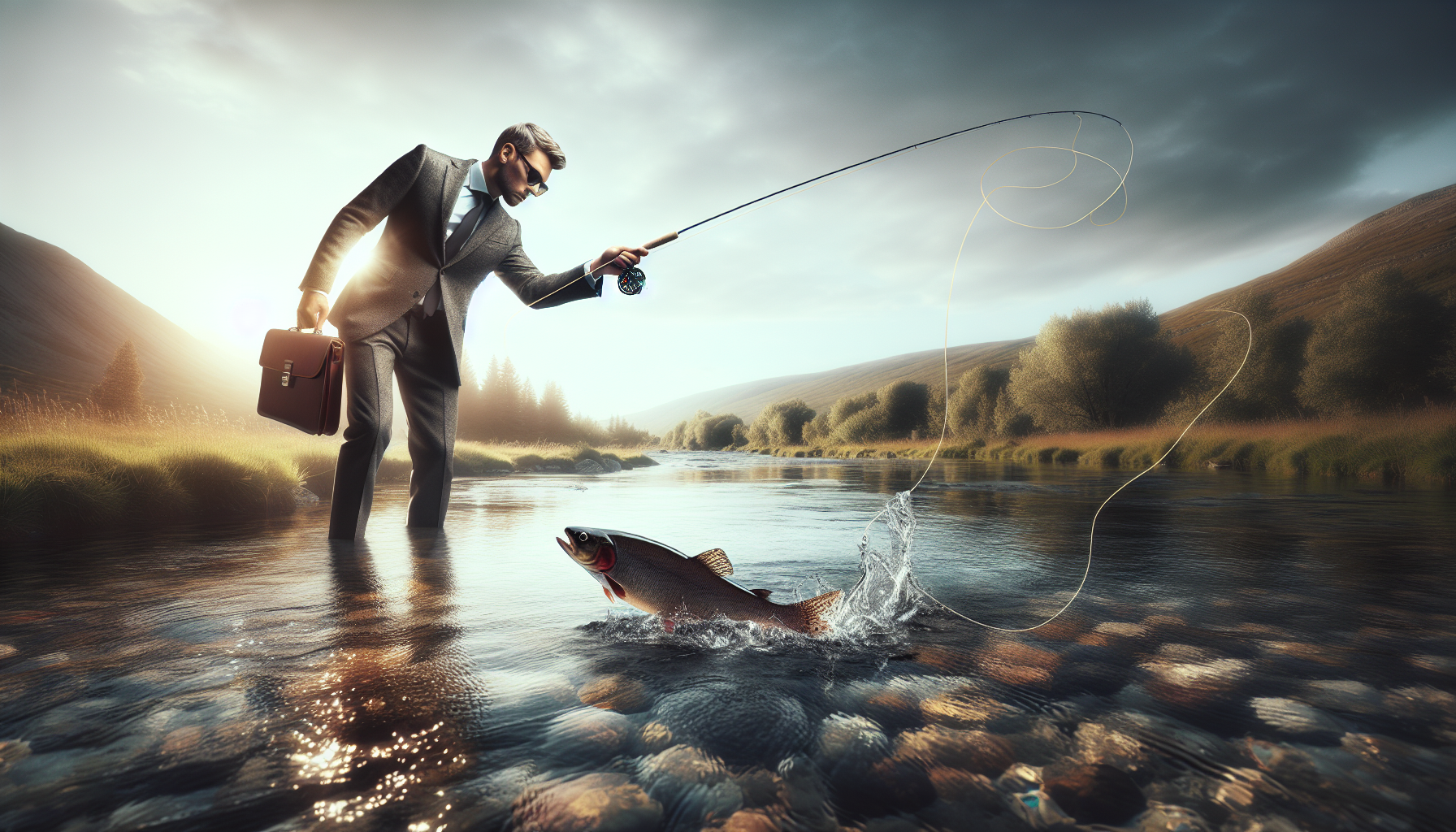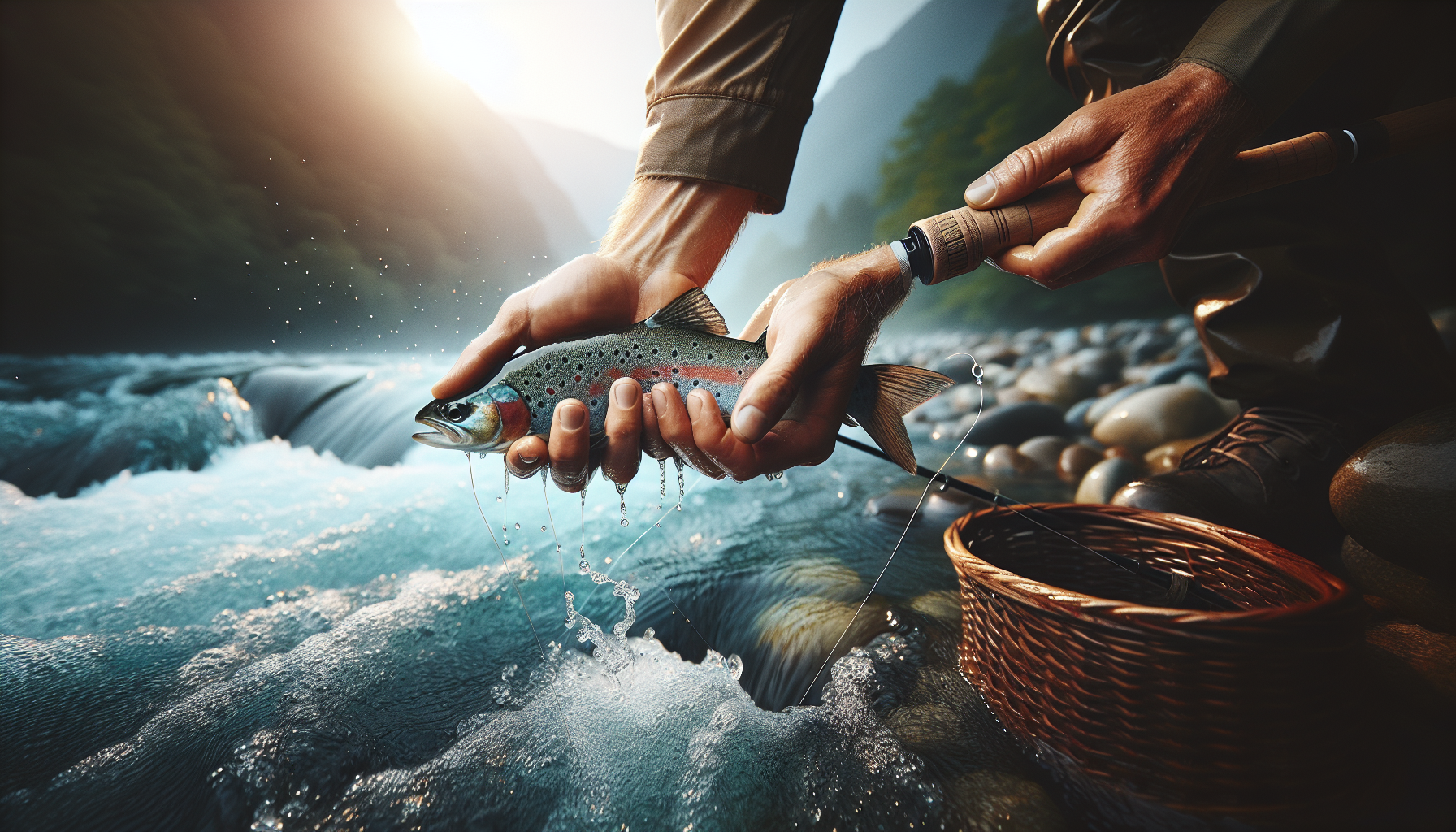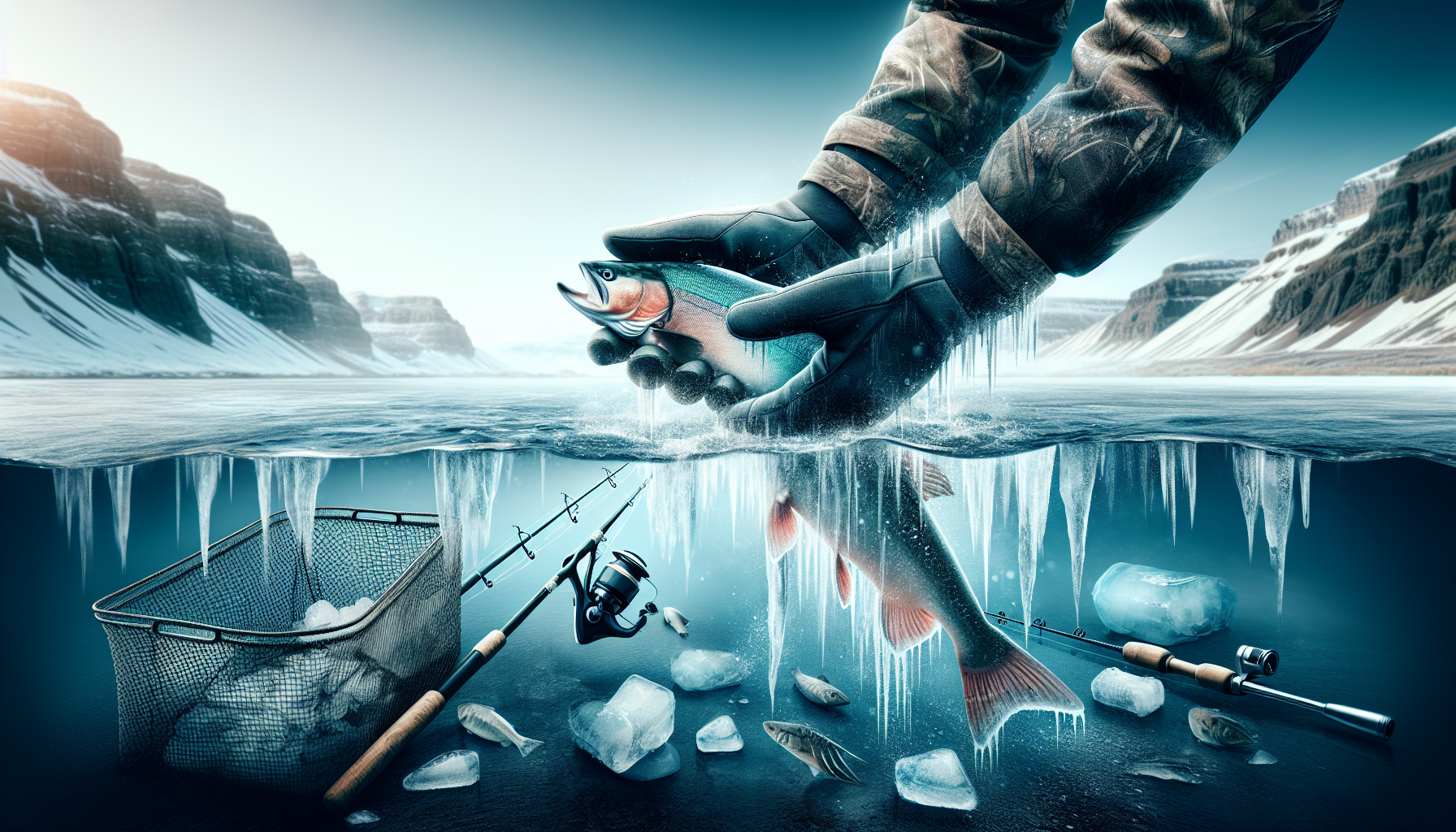
Catch and release in cold water demands more than good intentions, because low temperatures change fish physiology, angler tactics, and the margin for error. In practical terms, catch and release means landing a fish, removing the hook, documenting the moment if desired, and returning the fish alive in condition to recover and survive. Cold water generally refers to temperatures below about 60 degrees Fahrenheit, though the most relevant range for trout, salmon, char, pike, walleye, and many temperate species is often 32 to 50 degrees. I have spent enough winter and shoulder-season days on rivers, tailwaters, and natural lakes to know that anglers often assume cold water automatically protects fish. It can help by reducing metabolic demand, but it can also conceal stress, slow recovery, and increase harm when fish are overplayed or exposed to freezing air.
This topic matters because catch-and-release mortality is never zero, and in cold conditions small mistakes become preventable losses. Fisheries agencies such as the U.S. Geological Survey, state departments of natural resources, and provincial ministries consistently point to handling time, hook location, air exposure, and water temperature as primary drivers of post-release survival. In cold water fisheries, especially wild trout and salmon systems, ethical release practices directly support spawning success, population stability, and angling quality. This hub article covers the foundations every angler needs: gear selection, fish-fighting strategy, landing methods, hook removal, cold-weather handling, photography, species-specific considerations, and the situations when not fishing is the responsible choice. If you want one principle to carry through every decision, it is simple: minimize total stress from hook-set to release, and tailor every action to the fish, the water, and the weather.
Why Cold Water Changes Catch-and-Release Outcomes
Cold water holds more dissolved oxygen than warm water, which is good for fish, but that advantage does not erase stress from angling. A hooked fish still experiences a burst of exertion that elevates lactate, disrupts acid-base balance, and can impair equilibrium after release. In very cold conditions, recovery can be slower because muscle function and circulation operate differently than in moderate temperatures. I see this often with trout in near-freezing rivers: they may swim off calmly after release, yet still be physiologically taxed. Anglers mistake a quiet departure for full recovery when the fish may simply be sluggish.
Another cold-water complication is environmental exposure. A trout lifted into 20-degree air can develop gill and eye damage far faster than most anglers realize. Water on the gill filaments can freeze, and contact with dry gloves, snow, or ice can strip the protective mucus layer that helps defend against infection. This is one reason many winter-fishing regulations and best-practice guides emphasize keeping fish submerged. In my own fishing, once air temperatures drop below freezing, I treat every out-of-water second as costly and avoid hero shots entirely unless the fish can be supported just above the net for a single quick frame.
Gear Choices That Reduce Injury and Handling Time
The right gear prevents prolonged fights and simplifies release. Start with a rod and line combination strong enough for the target species and current conditions. On tailwaters with heavy flow, using tackle that is too light may feel sporting, but it increases fight duration and exhaustion. For trout, medium-light to medium power outfits with properly set drags usually land fish faster and cleaner than ultra-light setups when fish are large or current is strong. The same logic applies to cold-water pike, lake-run browns, steelhead, char, and walleye.
Hooks matter as much as rods. Single hooks generally release more easily than trebles, and barbless or de-barbed hooks consistently reduce tissue damage and unhooking time. Studies across species show lower handling time with barbless hooks, even when landing rates are only slightly affected. If you fish hard baits, replacing trebles with inline singles can substantially improve release outcomes, especially for pike and trout that roll in the line. Carry hemostats for small hooks, long-nose pliers for larger species, and compact hook cutters for deeply embedded points. A rubberized landing net is worth treating as essential, not optional, because knotless rubber mesh supports fish better and reduces fin abrasion compared with older nylon nets.
| Gear Choice | Best Practice | Why It Helps in Cold Water |
|---|---|---|
| Hooks | Use barbless single hooks when possible | Shorter unhooking time and less tissue damage |
| Net | Carry a rubberized, knotless landing net | Protects mucus layer and reduces fin splitting |
| Tackle strength | Match rod, line, and drag to land fish efficiently | Limits exhaustion and post-release stress |
| Tools | Keep pliers, hemostats, and cutters accessible | Prevents fumbling while fish is restrained |
| Clothing | Wet hands before touching fish; avoid wool contact | Reduces mucus loss and skin abrasion |
How to Fight and Land Fish Efficiently
A clean release starts before the fish reaches the net. The goal is controlled pressure, not a prolonged contest. Keep the rod angle moderate, use side pressure to turn the fish, and adjust your position when possible instead of simply letting the fish dictate the fight. On rivers, stepping downstream or changing the line angle often shortens the battle more effectively than increasing drag alone. I routinely see anglers overplay fish because they keep the rod high and static. Side pressure engages the fish differently and helps guide it toward softer water where it can be netted quickly.
Landing technique matters too. Do not beach fish on gravel, ice shelves, or snow. Guide the fish headfirst into a waiting net in water deep enough to keep the body supported. Once netted, leave the fish in the water while you prepare for hook removal. If the fish is green and surging, do not clamp down on it with dry hands or pin it onto a frozen bank. Let it settle in the net bag. For species with sharp teeth, such as pike or pickerel, use jaw-safe control methods and long pliers rather than improvising with dangerous hand placements. Efficient landing reduces both injury risk and total air exposure, two factors most strongly linked to survival.
Safe Handling, Hook Removal, and Release
The best handling rule is straightforward: keep the fish in the water, keep your hands wet, and keep contact minimal. Support the body horizontally if you must lift it, and never hang a fish vertically by the jaw unless the species and size make that method clearly safe for a very brief moment. Trout, salmon, char, and larger walleye are especially vulnerable to internal strain from poor support. I cradle fish under the belly and at the tail wrist, with the net still underneath whenever possible.
Hook removal should be decisive and calm. If the hook is visible and accessible, back it out with hemostats or pliers while the fish remains submerged. If the fish is deeply hooked and removal will tear tissue, cut the line close to the hook. For many species, retained hooks corrode or become encapsulated, and this is often less harmful than aggressive extraction. If a lure carries multiple points and one is buried badly, hook cutters can save the fish and your hands. Revival should not be theatrical. Hold the fish upright in moderate current, facing into the flow, just enough to maintain balance and gill ventilation. Do not pump the fish back and forth. Release only when it can hold position and swim under its own power.
Photography, Measuring, and Winter Air Exposure
Photos are where many careful releases go wrong. In cold water, particularly when air temperatures are at or below freezing, traditional grip-and-grin shots can do more damage than the fight itself. The practical standard I recommend is to plan the shot before the fish is ready, then limit any lift to a second or two. Camera on, partner ready, framing decided, fish supported over the net, one quick image, then back in the water. If you are alone, skip the photo unless your setup is already staged and the fish can remain almost entirely submerged.
Measuring and weighing deserve the same discipline. Use a wet measuring board if length matters, and avoid hanging scales for species that do not tolerate vertical suspension well. Many anglers now estimate weight from length and girth formulas, which is often more than accurate enough for personal records. In winter, I avoid setting fish on frozen bump boards or icy net frames. Even a brief touch against freezing surfaces can remove slime and damage fins. The ethical question is useful here: if the image or number adds stress without a meaningful purpose, it probably is not worth it.
Species Differences and Context-Specific Decisions
Not every cold-water fish responds the same way to capture. Trout and char generally benefit from very short handling times and minimal air exposure. Steelhead and salmon may appear robust, yet fish already stressed by migration or spawning are poor candidates for extended fights and repeated photos. Walleye often release well when handled calmly, but deep-hooking on live bait rigs can be a problem. Northern pike are hardy in some respects, yet they are vulnerable to jaw, gill, and eye injury if anglers lack proper tools. Lake trout brought up from depth add another complication: barotrauma can occur when fish are reeled from deeper water, and release success declines if they cannot recompress.
Context matters as much as species. Wild fish deserve more conservative handling than stocked fish, and spawning periods require extra caution. In redd areas, the best practice is not simply careful release but complete avoidance of targeting fish that are actively spawning or visibly paired on nests. Likewise, in tailwaters where fish stack in wintering runs, repeatedly catching the same concentrated population may be legal yet ethically questionable. Responsible catch and release is not just about what happens after the hook-up; it includes deciding where, when, and which fish to target.
When Catch and Release Is Not Enough
There are days when the most responsible choice is to stop fishing, change methods, or leave a stretch alone. If fish are repeatedly bleeding from deep-hooking, switch from bait to artificials, from trebles to singles, or from passive presentations to techniques that improve mouth-hooking. If shelf ice forces you to drag fish across frozen edges, move to safer water. If the air is so cold that net mesh and guides ice instantly, your handling window is too narrow for reliable releases. I have cut sessions short under those conditions because confidence in release survival matters more than finishing a planned outing.
Regulations provide a floor, not a ceiling. Seasonal closures, tackle restrictions, and area-specific catch-and-release rules exist for biological reasons, and anglers should know them before they fish. But ethical practice often asks for more than the law requires. Pinching barbs, carrying better tools, refusing unnecessary photos, and avoiding vulnerable fish concentrations are voluntary choices that produce measurable conservation benefits. As the hub for catch and release within conservation and ethics, this principle ties the whole subtopic together: skill, restraint, and preparation save fish more reliably than slogans do.
Cold-water catch and release works best when every step is designed to shorten stress and protect the fish’s protective surfaces, gills, and energy reserves. Use gear that lands fish quickly, favor barbless single hooks, keep a rubberized net ready, and remove hooks with tools already in hand. Keep fish in the water as much as possible, especially in freezing air, and support them horizontally if they must be lifted. Avoid beaching, avoid prolonged fights, and avoid turning photos into the longest part of the encounter. When conditions, species behavior, or your setup make a safe release doubtful, change tactics or stop.
The main benefit of these techniques is simple: more fish survive to feed, spawn, and be caught another day. That outcome protects wild populations and improves the quality of fisheries for everyone who follows you onto the river, lake, or shoreline. If you want to practice catch and release at a higher level, audit your current setup before your next trip. Replace problem hooks, pack release tools where you can reach them instantly, and commit to keeping every fish wet, supported, and out of the air for as little time as possible.
Frequently Asked Questions
Why does catch and release in cold water require different handling than in warmer conditions?
Cold water changes both fish behavior and fish physiology, so the usual catch-and-release routine needs to be adjusted. In water below roughly 60 degrees Fahrenheit, many species such as trout, salmon, char, pike, and walleye may still fight hard, but their metabolism, muscle function, and recovery patterns are affected by temperature. Fish can appear strong enough to swim away, yet still be dealing with elevated stress, reduced coordination, or delayed recovery after the fight. That means anglers have a smaller margin for error when it comes to long battles, rough handling, or excessive air exposure.
Cold conditions also affect the angler’s side of the equation. Wet hands get numb, nets can ice up, lines stiffen, and hook removal often takes longer than expected. All of that can lead to accidental mistakes, including squeezing the fish too hard, dropping it, or keeping it out of the water while fumbling with tools or cameras. In near-freezing conditions, a fish’s eyes, gills, and protective slime coat are especially vulnerable if exposed to freezing air, snow, or dry surfaces.
The key takeaway is that catch and release in cold water is not just about letting the fish go. It is about reducing fight time, minimizing contact, keeping the fish supported and wet, and making every step deliberate. Good intentions matter, but technique matters more. The goal is not simply release, but release in a condition that gives the fish a realistic chance to recover and survive.
What are the best techniques for landing and unhooking fish quickly in cold water?
The best cold-water catch-and-release technique starts before the fish is even hooked. Use tackle that matches the species and conditions so you can bring the fish in efficiently without overplaying it. Rods, reels, and line should give you enough control to land the fish firmly and steadily. In many cases, slightly stronger tippet, leader, or main line helps shorten the fight, which is one of the most important factors in reducing post-release stress.
Once the fish is close, use a rubber or knotless landing net whenever possible. These nets are much easier on fins, scales, and slime than traditional coarse mesh, and they help keep the fish secure in the water while you prepare for hook removal. Ideally, the fish should remain submerged or mostly submerged in the net while you assess where the hook is and decide how to remove it. Have your forceps, hemostats, pliers, or hook-removal tool ready before you lift or handle the fish.
For unhooking, wet your hands first and handle the fish gently but with enough control to prevent thrashing. Avoid gripping the gill covers, squeezing the midsection, or pinning the fish against rocks, a boat deck, or the shoreline. If the hook is easily accessible, remove it quickly with a smooth, controlled motion. Barbless hooks or pinched barbs make a major difference here, especially in cold conditions when every second counts. If the hook is deeply embedded or difficult to reach, cutting the line close to the hook is often safer than extended digging that causes additional injury and delay.
A smart rule in cold water is to think one step ahead at all times. Net first, tools ready, fish low over the water, and no unnecessary handling. Efficiency is the difference between a clean release and a stressful one.
How long can a fish safely be out of the water in cold weather, and what about taking photos?
Even in cold water, air exposure should be kept to an absolute minimum. Many anglers assume low water temperatures automatically make fish tougher during release, but that is not a reliable assumption. The fish may be in cold, oxygen-rich water, but once it is lifted out, the gills are no longer functioning as intended, and exposure to cold, dry, or freezing air can create additional problems. A fish that spends too long out of the water can suffer serious stress regardless of season.
A practical standard is to keep the fish in the water while you get organized, then lift it only briefly if a photo is truly important. That means camera ready, framing planned, and one or two quick shots rather than a prolonged photo session. In very cold weather, prolonged air exposure can be especially damaging to sensitive tissues such as the eyes and gills, and it can compromise the slime coat that helps protect against infection. If conditions are windy or below freezing, the safest choice is often to skip the hero shot entirely or photograph the fish partially submerged in the net.
If you do lift the fish, support it horizontally with wet hands, avoid hanging it vertically by the jaw, and hold it low over the water so an accidental slip does not become an injury. Then return it immediately. A good habit is the “ready, lift, click, release” approach. If your phone is buried in a pocket, your gloves are still on, and your partner is not prepared, the fish should stay in the water until everything is set. In cold-water catch and release, fast and controlled always beats dramatic and drawn out.
What gear choices help improve fish survival during cold-water catch and release?
The right gear can significantly improve survival because it reduces fight time, handling time, and injury. One of the most effective choices is using hooks that are easier to remove, such as barbless hooks or hooks with the barb pinched down. These do not guarantee perfect releases, but they usually allow quicker hook removal with less tissue damage, especially when the fish is moving or when your hands are cold and less dexterous.
A rubberized or knotless landing net is another important upgrade. It supports the fish better, reduces scale and slime loss, and makes it easier to keep the fish in the water while unhooking. Forceps, hemostats, long-nose pliers, and line cutters should be immediately accessible rather than buried in a pack. In cold water, fumbling for tools wastes time and increases stress on the fish. Polarized glasses also help because they let you see the fish and hook placement more clearly, allowing faster, cleaner decisions boatside or at the bank.
Tackle balance matters too. Ultralight setups may be fun, but if they prolong the fight well beyond what is necessary, they are not the best choice for responsible release. The same principle applies to line strength and drag settings. You want enough pressure to land the fish decisively without overpowering it. For some species and fisheries, artificial lures can also be easier on fish than certain bait presentations because they tend to result in more visible, manageable hook placements. Single hooks are often easier to remove than multiple trebles, though the best option depends on local regulations and the fishery.
Finally, think beyond rod and reel. Seasonal gloves that still allow dexterity, a net that does not freeze stiff, and a camera or phone that is accessible without delay all contribute to better outcomes. Good release gear is not just about convenience. It is part of the fish-care system.
How do you know when a fish is ready to be released, and should you revive it in current?
A fish is ready to be released when it shows clear, stable signs of balance and voluntary movement, not just when it gives a quick tail kick. After hook removal, keep the fish in the water and support it gently, usually facing into soft current if current is present. You are not trying to force water through the gills by pushing the fish back and forth. Instead, you are allowing the fish to remain upright, regain equilibrium, and breathe naturally while you maintain light support.
Watch for specific cues. A recovering fish should be able to hold itself upright rather than rolling to one side. Its gill movement should look steady, and its body should start to feel stronger in your hands. In current, the fish may begin making controlled fin adjustments and subtle forward pressure as it regains strength. In still water, it may stabilize first, then swim off with purpose. A strong, directed departure is a much better sign than a weak drift or a sudden burst followed by loss of balance.
Use caution with current speed. Gentle current can help by providing consistent flow over the gills, but heavy current can overwhelm a tired fish and make recovery harder. If the fish is exhausted, move to calmer water nearby and support it there. Also avoid holding the fish by the jaw alone or clamping down around the body during revival. Support should be firm enough to prevent escape before recovery, but gentle enough to avoid additional stress or injury.
Most importantly, remember that not every fish needs a long revival and not every fish benefits from extended handling. If a fish is strong and stable, let it go. If it is weak, assist briefly and intelligently. The goal is to release the fish at the first moment it can maintain itself and swim off under its own control.