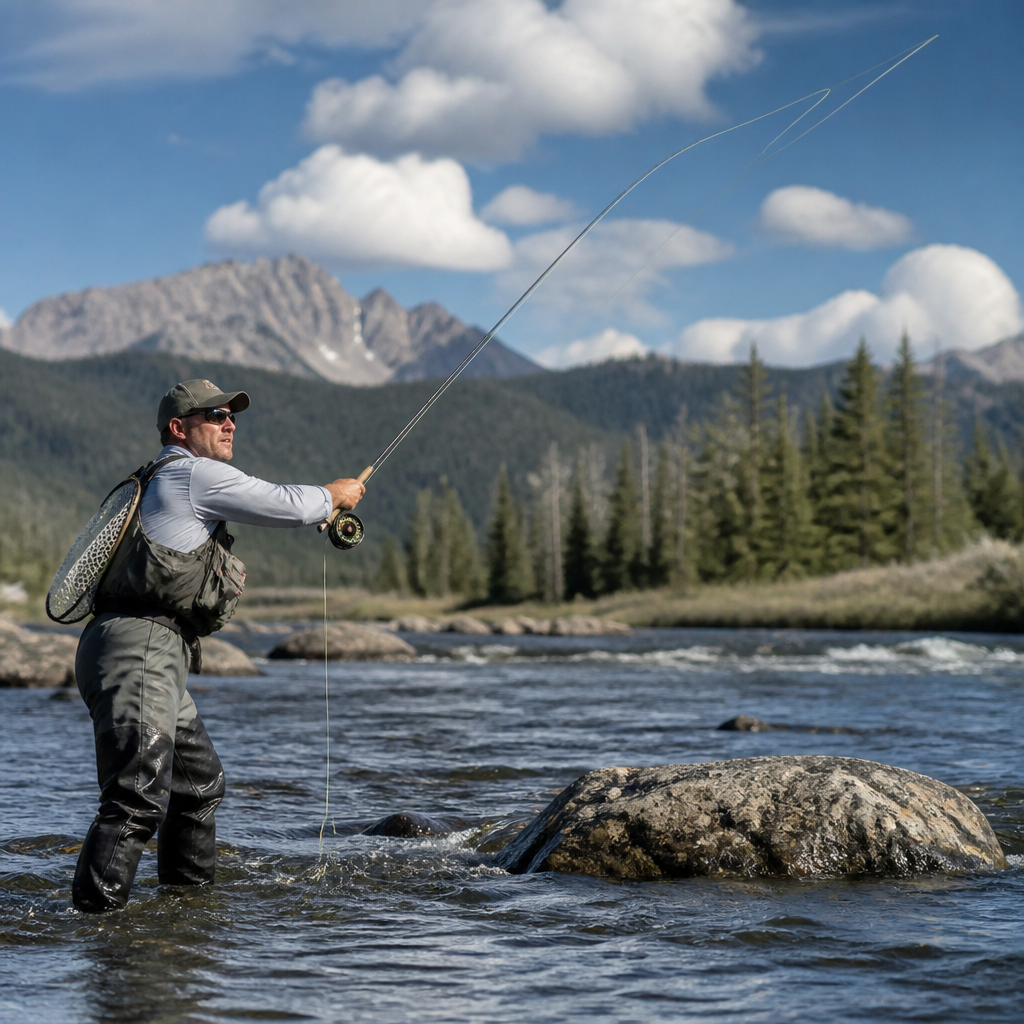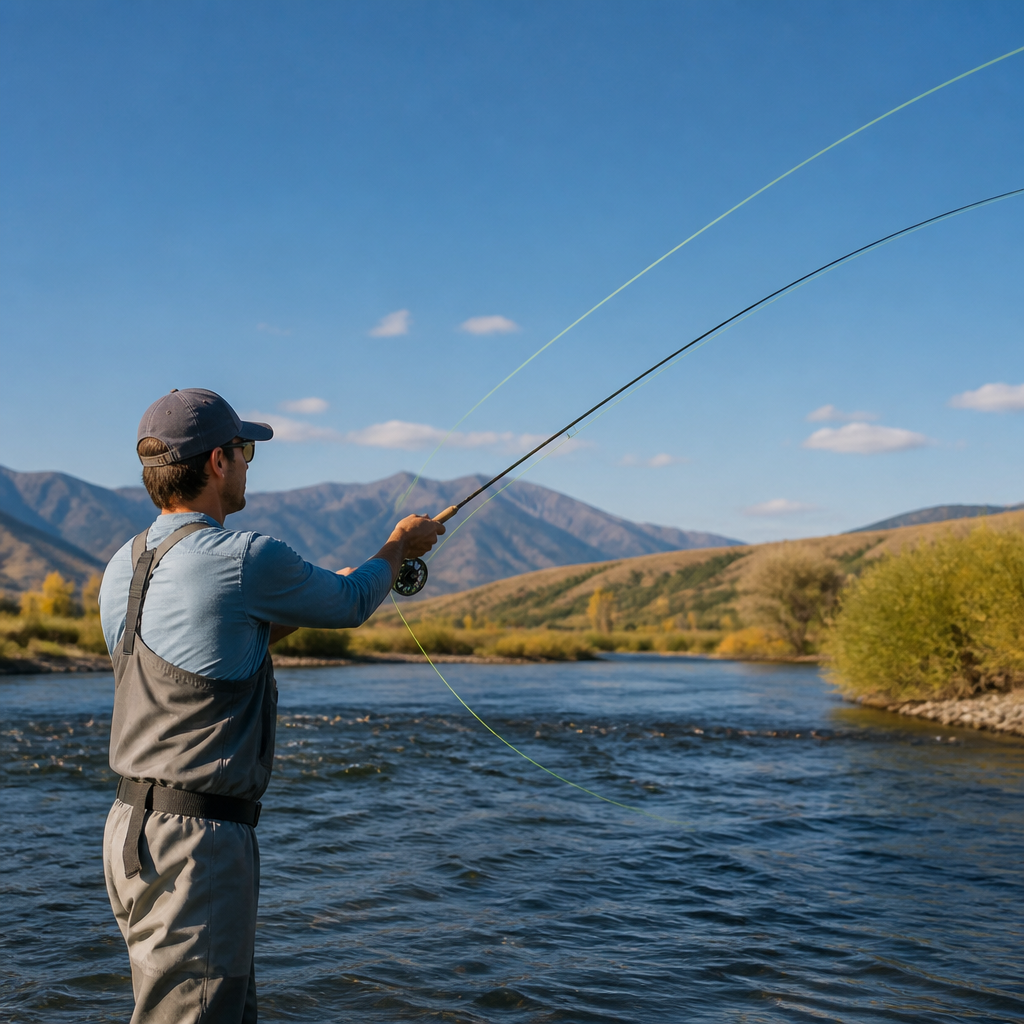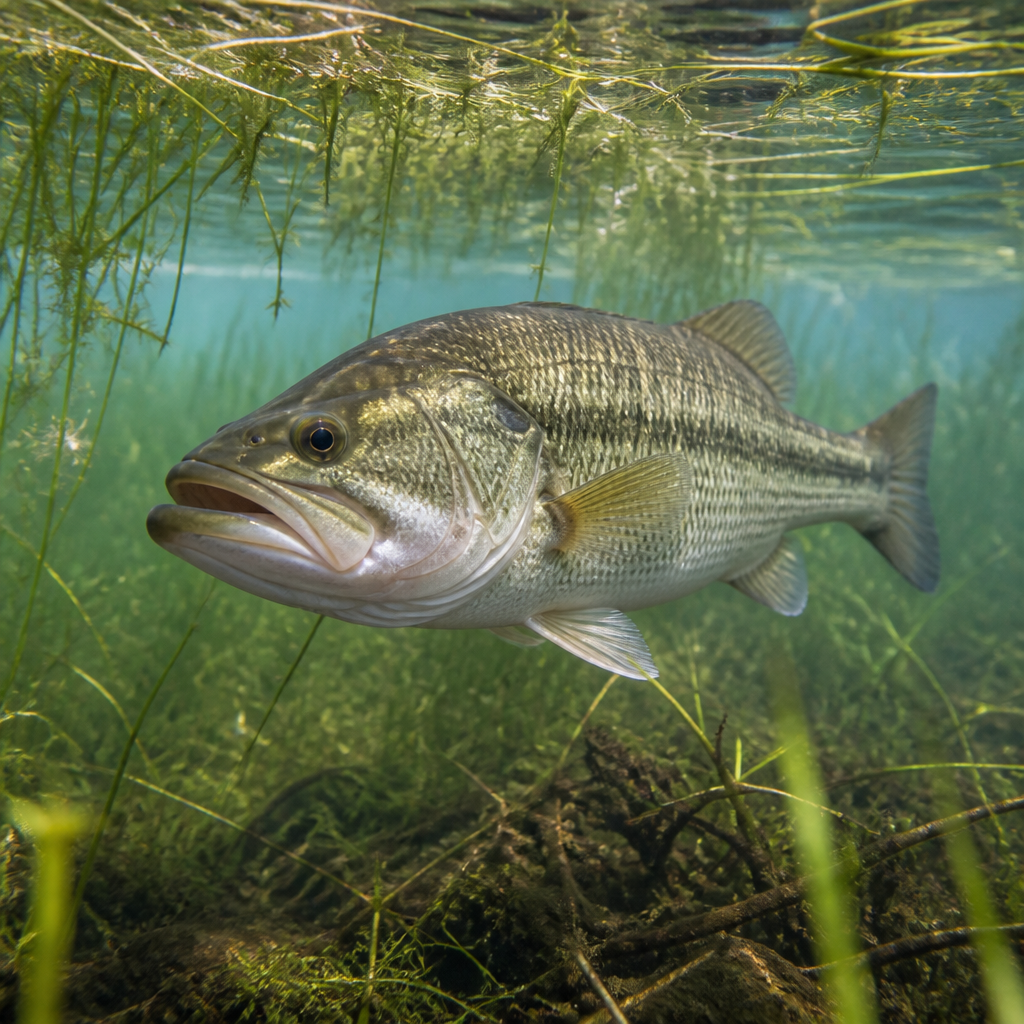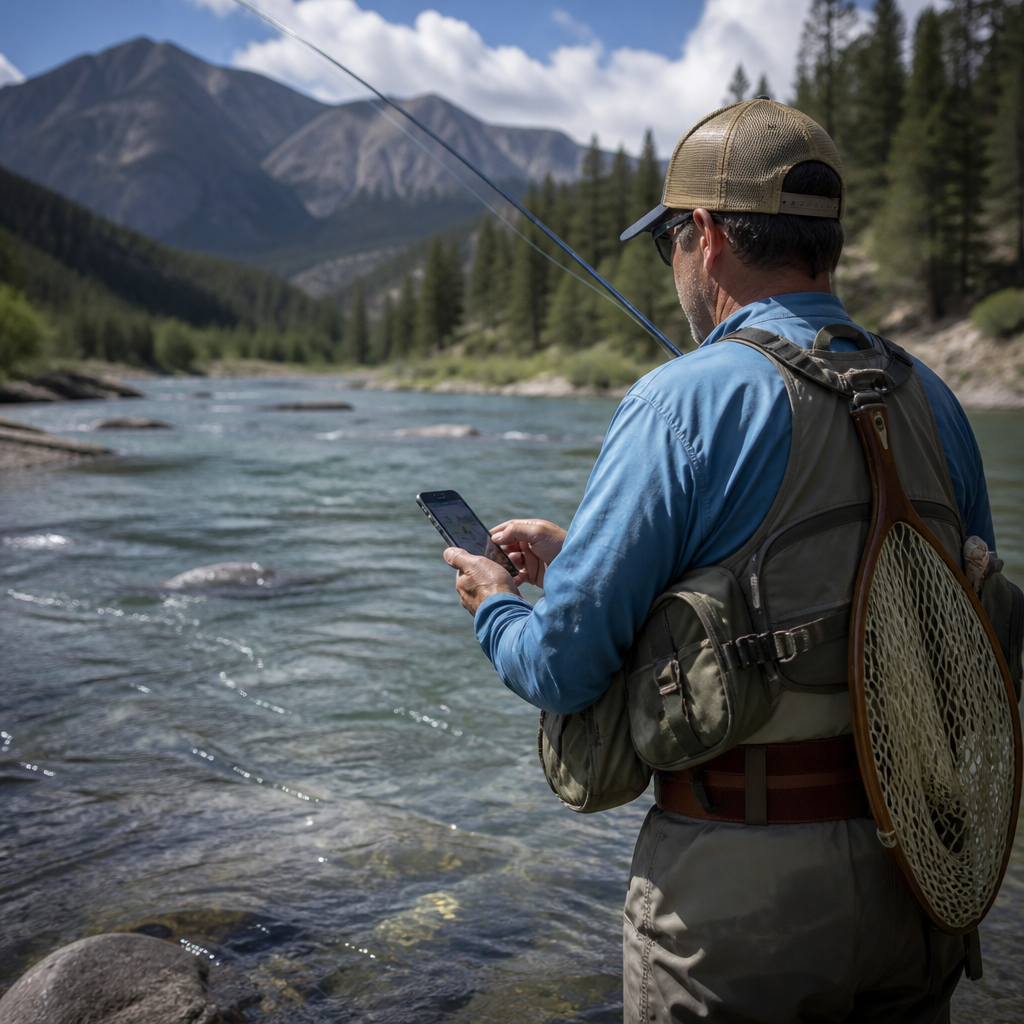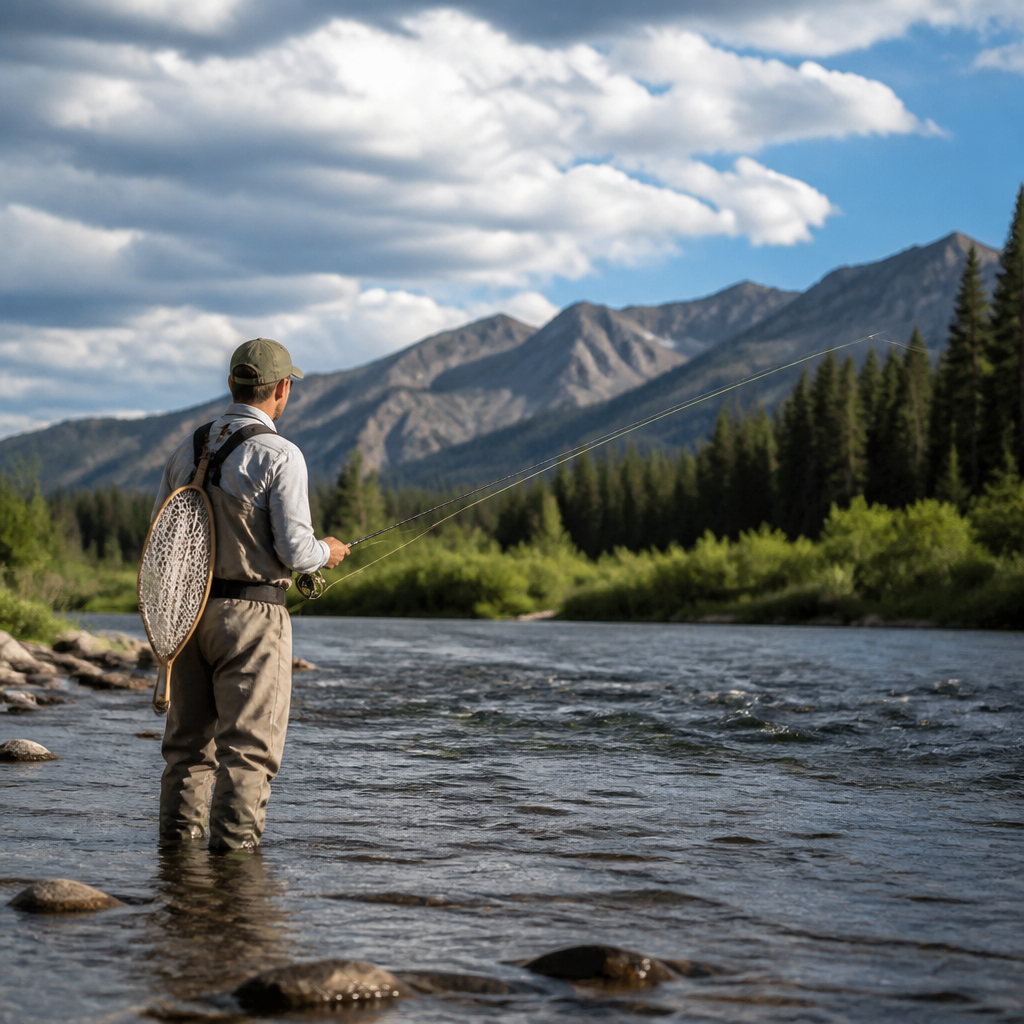
Using local knowledge to match the hatch is one of the most reliable ways to turn fly fishing from educated guessing into repeatable success. Match the hatch means choosing a fly that imitates the insects, baitfish, or other food trout are actively feeding on in a specific place at a specific time. Local knowledge is the practical understanding of that water: which bugs emerge first, how flows change insect timing, where fish slide during bright afternoons, and what patterns consistently work when the textbook answer fails. After years of guiding and fishing varied rivers, spring creeks, tailwaters, and freestone streams, I have learned that anglers who combine entomology with local observation catch more fish than anglers who rely on fly box confidence alone.
This matters because hatches are never generic. Blue-winged olives on a cloudy spring creek behave differently from blue-winged olives on a dam-controlled tailwater. A sulfur hatch on one river may peak at dusk, while on another it starts in midafternoon because water temperature, gradient, and dissolved oxygen differ. Trout respond to those details. They do not eat “mayflies” in the abstract; they key on size, stage, color tone, silhouette, movement, and drift. Local knowledge shortens the learning curve by helping you identify the most likely food source, the life stage trout prefer, and the presentation needed to make the imitation believable. For a hub article on match the hatch, that is the central idea: imitation works best when it is rooted in the actual feeding ecology of a particular fishery.
Local knowledge comes from several sources. First is direct observation: turning over rocks, watching rises, checking spider webs for spent insects, and paying attention to water temperature and light. Second is local history: hatch charts from fly shops, guide reports, state agency sampling data, and conversations with anglers who fish the water weekly. Third is pattern memory built on the river. When I return to the same watershed each season, I already know which riffles produce Hendricksons, which soft seams collect caddis pupae, and which flat pools require a narrower profile than the standard commercial pattern. Matching the hatch is therefore not just selecting the right fly. It is understanding timing, habitat, trout behavior, and presentation through the lens of local conditions.
Why local knowledge changes the outcome
Many anglers assume fly selection matters most, but on pressured trout water local knowledge often decides whether a good pattern gets eaten. Trout can become narrowly selective when a hatch is dense. On those days, a fly that is close but not quite right may be refused repeatedly. The missing detail is often local rather than universal. On one Pennsylvania limestone creek, for example, sulphurs may run smaller and paler than the versions many anglers tie for Catskill rivers. On Western tailwaters, midge clusters can dominate despite a visible mayfly hatch because trout are feeding where the calories are easiest to intercept. Knowing that local preference saves hours of blind casting.
Local knowledge also helps you interpret what the fish are telling you. Splashy rises often suggest caddis adults or emergers skittering near the surface, while slow head-and-tail rises typically point to mayfly duns or spent spinners. Yet even these clues vary by water type. On fast pocket water, trout may rise aggressively to emergers trapped in broken current. On a flat spring creek, the same species may demand a flush-floating cripple with almost no drag. I have seen anglers switch through ten “correct” patterns while never changing the drift angle that local regulars know is necessary. Matching the hatch means matching the feeding situation, not only the insect.
Another advantage is efficiency. Instead of starting from every fly in the box, you narrow the possibilities by season, temperature, recent weather, and river section. If overnight lows stayed mild and the water climbed from 48 to 54 degrees by noon, certain mayflies and caddis become much more likely. If a tailwater release doubled flow, nymphing with larger stonefly patterns near the bank may outproduce delicate dries because dislodged nymphs become available. Local knowledge gives you an evidence-based starting point, and that practical edge is exactly what anglers need from a techniques and strategies hub page.
Reading the hatch through local conditions
To match the hatch consistently, start with the variables that drive aquatic insect activity. Water temperature is usually first. Most mayflies, caddisflies, and stoneflies emerge within predictable temperature windows, though exact timing varies by watershed. A thermometer is one of the cheapest and most useful tools in fly fishing. On many trout streams, blue-winged olives become a stronger possibility during cool, overcast conditions, while sulfurs strengthen as afternoons warm in late spring and early summer. Midges can hatch year-round, especially on tailwaters with stable releases. Local anglers know these thresholds intimately because they see them play out week after week.
Flow is the next filter. Freestone rivers respond quickly to rain and snowmelt; tailwaters respond to release schedules; spring creeks remain comparatively stable. Those differences affect both bug behavior and fish positioning. A caddis hatch on moderate flow may bring trout into riffle seams where pupae drift upward. The same hatch under high water may push fish to softer edges and back eddies. I routinely check USGS gauges before a trip because ten to twenty percent changes in discharge can alter where and how trout feed. Local reports become valuable here because a given cfs number means different things on different rivers. A guide saying “800 is perfect on the upper run” is practical intelligence you cannot get from a hatch chart alone.
Light, weather, and river character refine the picture further. Spinner falls often intensify in calm evening conditions. Bright sun may suppress surface feeding on clear spring creeks but trigger terrestrials along grassy banks. Wind can knock ants and beetles into the water, creating a nontraditional match-the-hatch opportunity that local anglers expect in midsummer. Altitude matters too. A Green Drake event on a high-gradient Western river will not align neatly with the same calendar window in lower, warmer valleys. The lesson is simple: use local conditions to predict not just what might hatch, but where fish can feed on it most efficiently.
Building a local hatch playbook
The most practical way to use local knowledge is to create a hatch playbook for each river you fish regularly. Mine begins with a short list of major food sources by month, then adds location notes, water-temperature triggers, productive fly sizes, and presentation cues. This does not need to be complicated, but it should be specific. “March: midges and early olives, best on cloudy afternoons, fish soft inside seams below riffles, sizes 20–24” is actionable. “Spring mayflies” is not. Over time, your notes become more useful than any generic hatch calendar because they reflect what actually happens on your water.
Include both aquatic and terrestrial food sources. Trout often key on inchworms, hoppers, ants, beetles, craneflies, or even small baitfish when hatches are sparse. In late summer on many meadow streams, a size 16 black ant can outperform textbook mayfly imitations because windblown terrestrials are abundant and easy to eat. On some Western rivers, salmonflies and golden stones create highly visible events, but local anglers also know that the nymphal migration before the adult hatch can be more dependable than the brief surface frenzy. Good local knowledge captures these windows before, during, and after the obvious hatch.
| Local cue | Likely food source | Best starting imitation | Presentation adjustment |
|---|---|---|---|
| Cloudy 50-degree spring afternoon | Blue-winged olives | Size 18–20 BWO emerger or dun | Dead drift in slow seams with long leader |
| Warm late-spring evening, calm water | Sulfur spinners | Size 16–18 spent spinner | Slack-line cast to avoid drag on flats |
| Summer riffles at moderate release | Caddis pupae and adults | Tan pupa, then elk hair caddis | Swing pupa first, skate adult selectively |
| Windy midsummer banks | Ants and beetles | Size 14–18 foam ant or beetle | Target undercut banks and grassy edges |
| High flows after release or rain | Dislodged stonefly nymphs | Size 8–12 stonefly nymph | Deep drift near banks and current breaks |
Review your playbook before each trip and update it afterward. Note what the fish refused as carefully as what they ate. If trout inspect but reject your Hendrickson dun every drift, the issue might be profile, not species; local fish may want a cripple or emerger riding lower. These details become the backbone of your own match-the-hatch system and provide clear pathways to deeper subtopic articles on insect identification, seasonal strategy, and presentation tactics.
Using streamside observation to confirm the pattern
Even the best local knowledge must be verified on the water. Before tying on a fly, watch the river for several minutes. Look for rise form, feeding lane, and insect activity over riffles, eddies, and bankside vegetation. Seine nets are useful, but a simple aquarium net, wet hand, or small jar can collect enough samples to identify size and stage. I often start by checking streamside rocks for shucks, then scan the air column for adults. If caddis are bouncing over riffles but fish are not taking adults, the trout may be focused on ascending pupae below the surface. That observation changes the entire approach.
Pay special attention to life stage. Trout frequently prefer emergers because they are vulnerable and trapped in or under the film. This is why anglers who “matched the hatch” with a perfect dun sometimes fail while someone fishing a comparadun emerger or soft hackle succeeds. On spinner falls, trout can feed with astonishing selectivity on spent adults lying flush. During caddis events, a pupa with a rising swing may beat a high-floating dry by a wide margin. Local knowledge helps you know which stage is commonly most important on that river, but real-time observation confirms whether today follows the usual script.
Presentation details should be treated as part of the hatch. Drag-free drift is nonnegotiable for most mayfly duns and spinners on smooth water. Greasing only part of the leader, using reach casts, and extending tippet diameter or length are local refinements experienced anglers adopt because their water demands them. In pocket water, by contrast, a shorter leader and quick tuck cast may be the correct local answer. I have repeatedly seen trout ignore accurate imitations until the angler changed from standard upstream dead drifts to a slight downstream angle that better matched natural movement in that seam. The hatch is what fish eat; the strategy is how they expect it to behave.
Common mistakes when trying to match the hatch
The first mistake is overcommitting to the visible adult insect. Trout are often feeding subsurface on nymphs or emergers even when adults are present. The second mistake is ignoring size. In my experience, size is usually more important than exact shade, and shade is usually more important than pattern name. A size 20 olive in the right silhouette can outfish a famous commercial fly tied in size 16 simply because local trout are keyed on the smaller bug. Carrying a simple range of emergers, duns, spinners, and soft hackles in the right sizes is usually more effective than carrying every boutique variation.
The third mistake is failing to account for local drift speed and microcurrents. Anglers on spring creeks often blame fly choice when the real issue is drag introduced by conflicting currents between leader and fly. The fourth mistake is relying on broad regional hatch charts without adjusting for elevation, water source, and recent weather. Another is neglecting non-insect food during hatch lulls. Sculpins, sowbugs, cranefly larvae, eggs, and terrestrials can be the true answer on heavily fished waters. Finally, many anglers stop learning once they catch a fish or two. Strong local knowledge is cumulative. Every outing should produce better notes on timing, refusals, and river-specific exceptions.
Turning local knowledge into consistent results
The anglers who match the hatch best are rarely the ones with the largest fly boxes. They are the ones who build a disciplined local process: study likely hatches before the trip, verify insects streamside, identify the life stage fish prefer, and adjust presentation until the drift mirrors the natural. That process works on famous rivers and overlooked town streams alike because trout everywhere respond to available food, not angler optimism. Local knowledge converts broad fly-fishing theory into dependable choices rooted in evidence.
As a hub within techniques and strategies, this topic connects directly to insect identification, seasonal hatch calendars, leader design, nymphing, dry-fly presentation, and reading trout rise forms. Start by choosing one home water and creating your own hatch playbook. Track temperatures, flows, insect sizes, feeding behavior, and successful patterns for a full season. You will stop asking, “What should I tie on?” and start asking the better question: “What are trout here eating right now, and how does it move?” That shift is the real benefit of using local knowledge to match the hatch. Put those observations into practice on your next outing, and the river will begin to make far more sense.
Frequently Asked Questions
What does “using local knowledge to match the hatch” actually mean in fly fishing?
Using local knowledge to match the hatch means going beyond the general idea of “fish are eating bugs” and learning what trout are feeding on in a specific river, creek, or lake at a specific time of day, season, and water condition. Match the hatch itself refers to selecting a fly that imitates the insects, baitfish, crustaceans, or other food sources trout are actively targeting. Local knowledge is the missing piece that makes this practical. It includes knowing which mayflies tend to hatch first in spring, when caddis become more important, how runoff delays or compresses insect activity, which stretches produce better evening spinner falls, and where fish reposition when sunlight, flows, or angling pressure change.
In real terms, local knowledge helps you narrow the field quickly. Instead of cycling through random dry flies, nymphs, and streamers, you begin with patterns that have a proven history on that water. For example, one tailwater may regularly produce fish on midges all winter and small Blue-Winged Olives during overcast afternoons, while a nearby freestone stream may fish better with stonefly nymphs, caddis pupae, and attractor patterns. Both are trout waters, but the feeding behavior and available food can be completely different. That is why anglers who understand local timing and conditions consistently look more “dialed in” than anglers who rely only on generic fly recommendations.
It also means observing trout behavior through a local lens. Rising fish may not always be taking adults from the surface; they could be eating emergers just under the film. Fish tucked into deeper seams on a bright afternoon may slide shallow again once shade reaches the water. Local knowledge turns those details into repeatable decisions. The result is more confidence, fewer wasted casts with the wrong fly, and a much better chance of presenting something the fish already expect to see.
How can I gather reliable local knowledge if I am fishing unfamiliar water?
The fastest way to gather reliable local knowledge is to combine direct observation with informed local input. Start before you ever step into the river. Check recent fishing reports from reputable fly shops, guide services, and regional conservation groups. Look for specifics rather than broad claims. Useful reports mention insect size, color, stage, and timing, along with water level, clarity, temperature trends, and where fish are holding. A report that says “good dry fly action” is less valuable than one that says “mid-morning BWOs in size 20, caddis in the evening, and trout taking emergers in slower seams.”
Once you arrive, spend a few minutes observing before tying on a fly. Watch the water for rises, inspect streamside vegetation for adults, turn over a few rocks in shallow water to see which nymphs are present, and pay attention to birds swarming over certain sections. Use a small seine, aquarium net, or even your hands to sample drifting insects gently and briefly. If trout are rising, try to determine whether they are sipping quietly, slashing aggressively, or bulging just below the surface. Each behavior suggests something different about what they are eating. Quiet sips often point to small mayflies, emergers, or spent insects, while splashier takes can indicate caddis or baitfish activity.
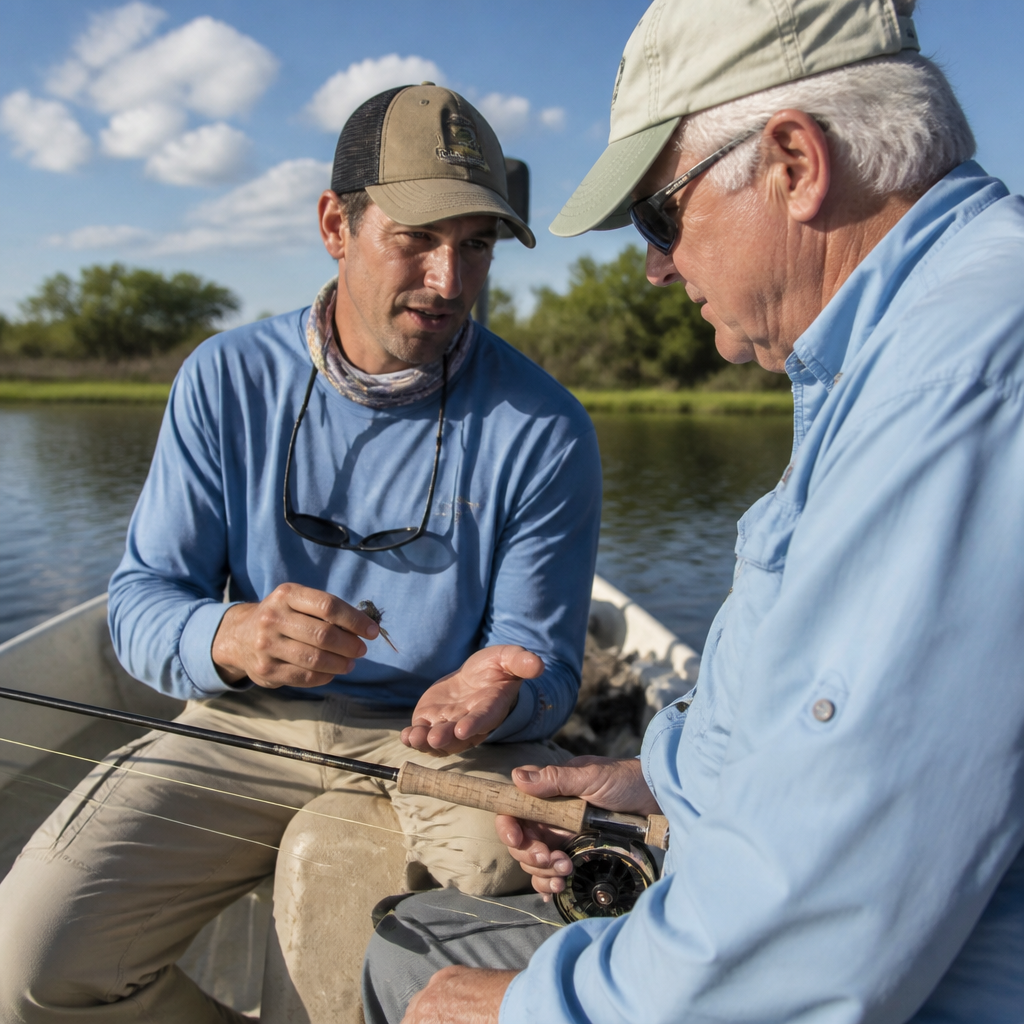
Talking to locals is also extremely valuable, but ask smart questions. Instead of simply asking, “What are they biting?” ask, “What bugs have been most consistent this week?” “What time has the hatch really started?” or “How have the recent flow changes affected where fish are holding?” These questions often lead to more actionable answers. Good fly shop staff and guides can tell you not just which fly to use, but why it works there and when it matters most. Over time, keep a fishing log with date, location, water conditions, observed insects, successful flies, and trout behavior. That personal record turns borrowed local knowledge into your own dependable system.
Why is local knowledge often more important than simply carrying a lot of different fly patterns?
Carrying a large fly box can be helpful, but without local knowledge it often leads to indecision rather than better fishing. Many anglers assume success comes from owning every possible pattern in every size and color. In reality, trout usually key in on a relatively narrow range of food items at a given moment. Local knowledge tells you which parts of your fly selection are most likely to matter, allowing you to fish more efficiently and make more meaningful adjustments.
For example, if you know a certain river commonly has strong midge activity in the morning, a brief BWO hatch under cloud cover, and caddis movement near dusk, you can organize your approach around those likely windows. If flows are high and slightly stained, local knowledge may also tell you that trout shift toward softer edges and become more willing to eat larger, darker nymphs or streamers. That information is far more useful than carrying fifty untested options and changing patterns at random. The best anglers often seem to simplify the puzzle because they understand what is seasonally and locally relevant.
Local knowledge also helps with details that matter just as much as the fly itself. It can tell you whether fish in that water are especially selective about size, whether a sparse profile outfishes a bushy one, whether natural drift matters more than exact imitation, and whether trout tend to feed in riffles, tailouts, undercut banks, or soft seams during certain conditions. In other words, local knowledge does not just improve fly choice; it improves presentation, timing, and location. That is why a well-informed angler with a modest selection often outperforms someone carrying a huge assortment but fishing without a clear plan.
How do changing water conditions affect hatch matching, and how does local knowledge help me adjust?
Changing water conditions can alter insect activity, trout position, and feeding behavior dramatically, which is why local knowledge becomes especially important when conditions are less than ideal. Water temperature influences when insects emerge, with colder water generally slowing hatches and warmer, stable water often increasing activity within a certain range. Flow changes can delay, concentrate, or disrupt insect emergence. Rising water may push trout to softer edges and reduce surface feeding, while dropping water often increases clarity and can make fish more cautious. Bright sun, wind, cloud cover, and recent weather all affect whether trout feed on the surface, in the film, or below.
Local knowledge helps you interpret those shifts instead of reacting blindly. On one river, a bump in flow might improve nymphing because fish move into defined soft water and feel safer feeding. On another, the same increase could muddy the water enough to shut down a delicate dry-fly hatch. Anglers who know the water understand these tendencies. They know, for instance, that a spring creek may remain technical and midge-driven even after light rain, while a freestone stream may become more favorable to stonefly nymphs, worms, or streamers as color enters the water. That understanding shortens the adjustment period and puts you into productive water more quickly.
Good local adjustment usually follows a simple sequence: first reassess where fish are likely to hold, then reassess what food is most available, and finally choose the fly and presentation that fit both. If trout stop rising after the sun gets high, local knowledge may tell you they have not stopped feeding; they have simply dropped into shaded seams or deeper buckets and switched from taking adults to eating nymphs or emergers. If an expected hatch does not happen on schedule, local experience might point you toward a backup pattern that regularly produces during transition periods. This is where local knowledge creates repeatable success: it helps you make logical changes based on how that particular fishery behaves, not just on generic fly-fishing rules.
What are the most common mistakes anglers make when trying to match the hatch with local knowledge?
One of the most common mistakes is relying too heavily on yesterday’s report or a single recommendation without checking current conditions. Local knowledge is powerful, but it is not static. A fly that worked all week may be less effective after a cold front, a flow release, a spike in angling pressure, or a sudden change in water clarity. Smart anglers treat local knowledge as a starting point, then confirm it with observation. They do not assume the fish are still doing exactly what they did yesterday at the same hour in the same run.
Another mistake is focusing only on the fly pattern while ignoring the stage of the hatch. Trout are often more selective about stage, size, and presentation than about the exact name of the pattern. If fish are feeding on emergers in the surface film, a high-floating adult may be less effective even if it perfectly matches the insect species. Likewise, if trout are keying on drifting nymphs before a hatch begins, changing among dry flies will not solve the problem. Local knowledge should help you understand whether fish are eating nymphs, emergers, duns, spinners, caddis pupae, or even subsurface baitfish, and your setup should reflect that.
Anglers also frequently overlook location. They hear that a hatch is happening and assume every fish in the river is feeding the same way. In reality, local knowledge often includes where the best hatch activity happens. One section may have slower flats where trout sip tiny mayflies, while another may