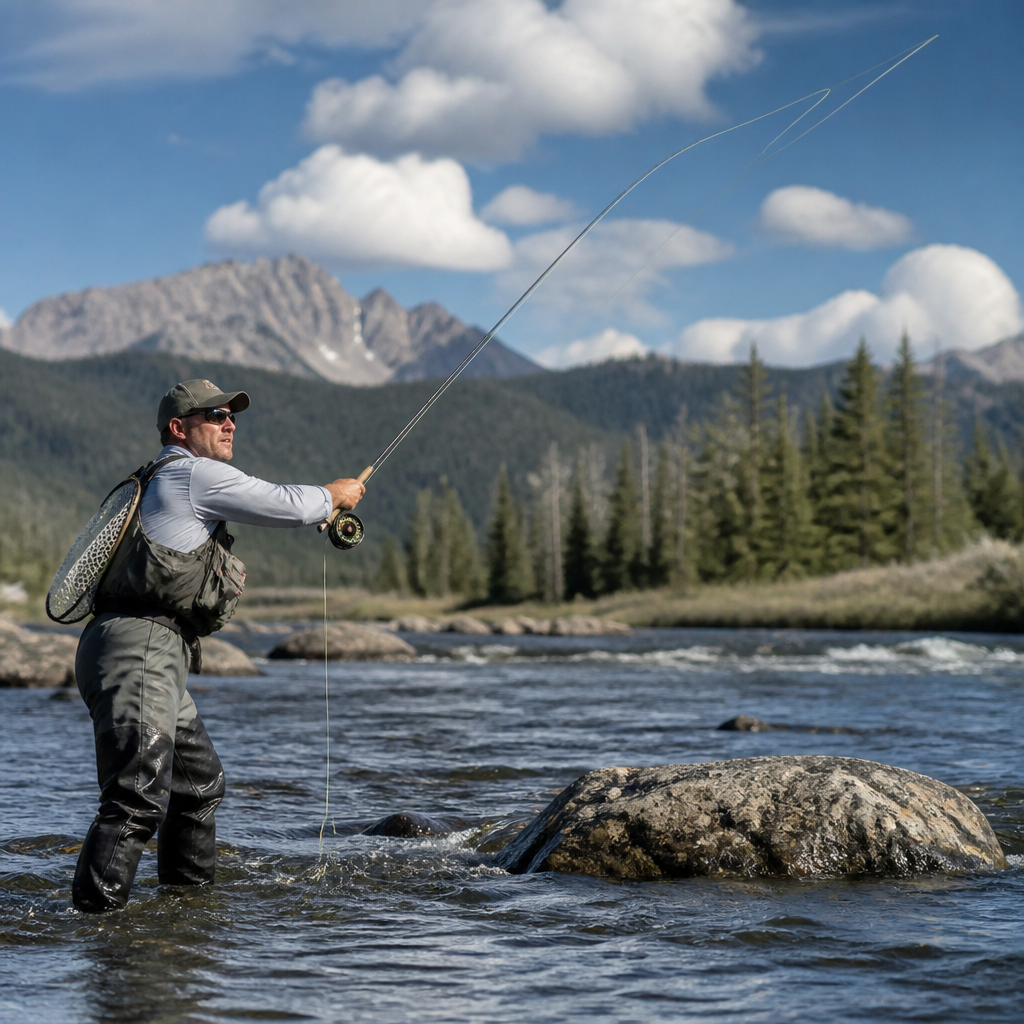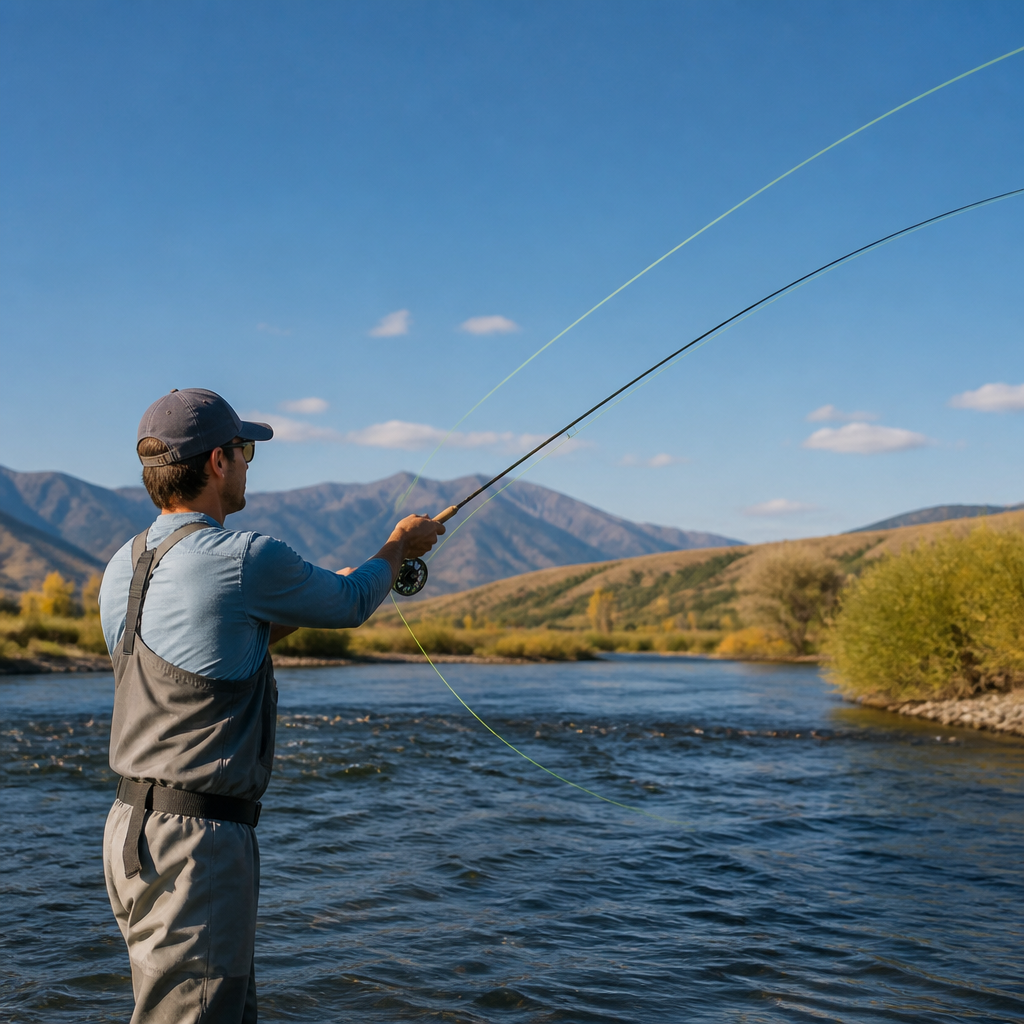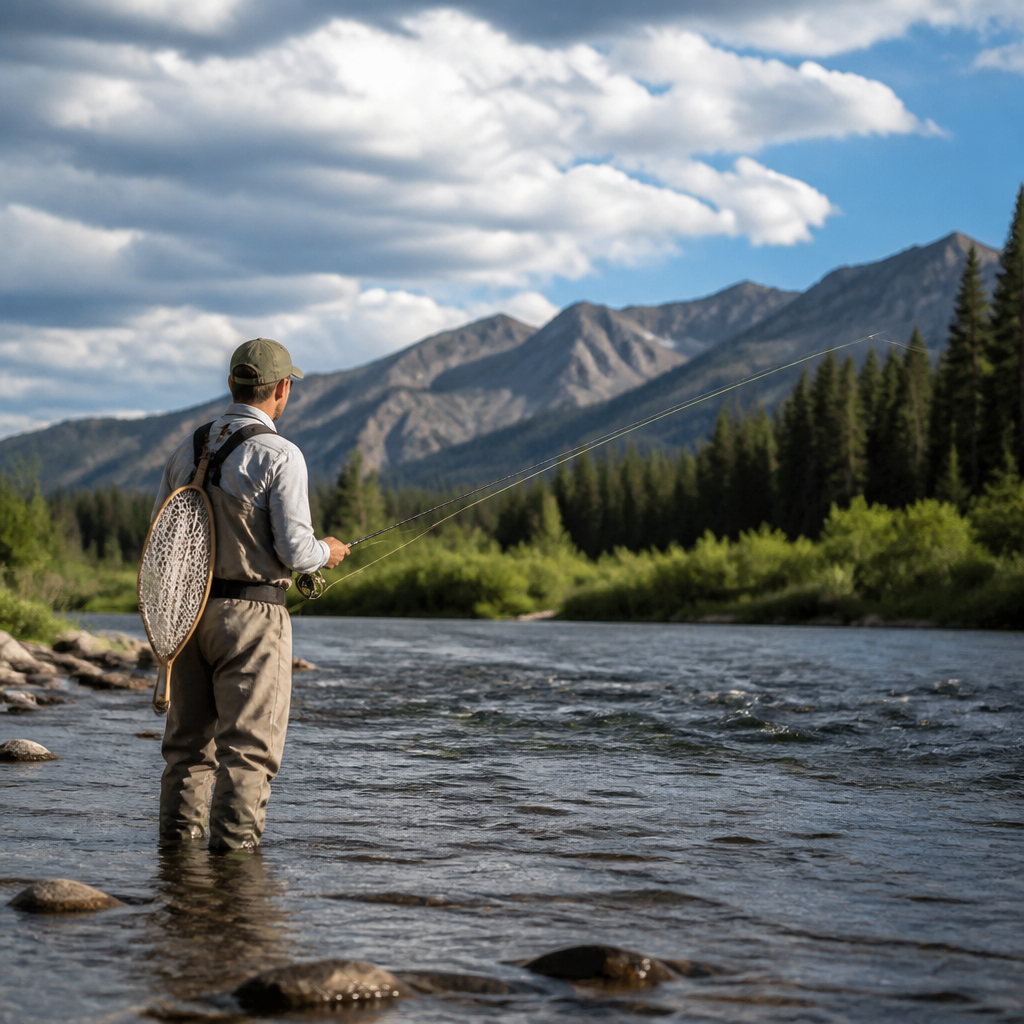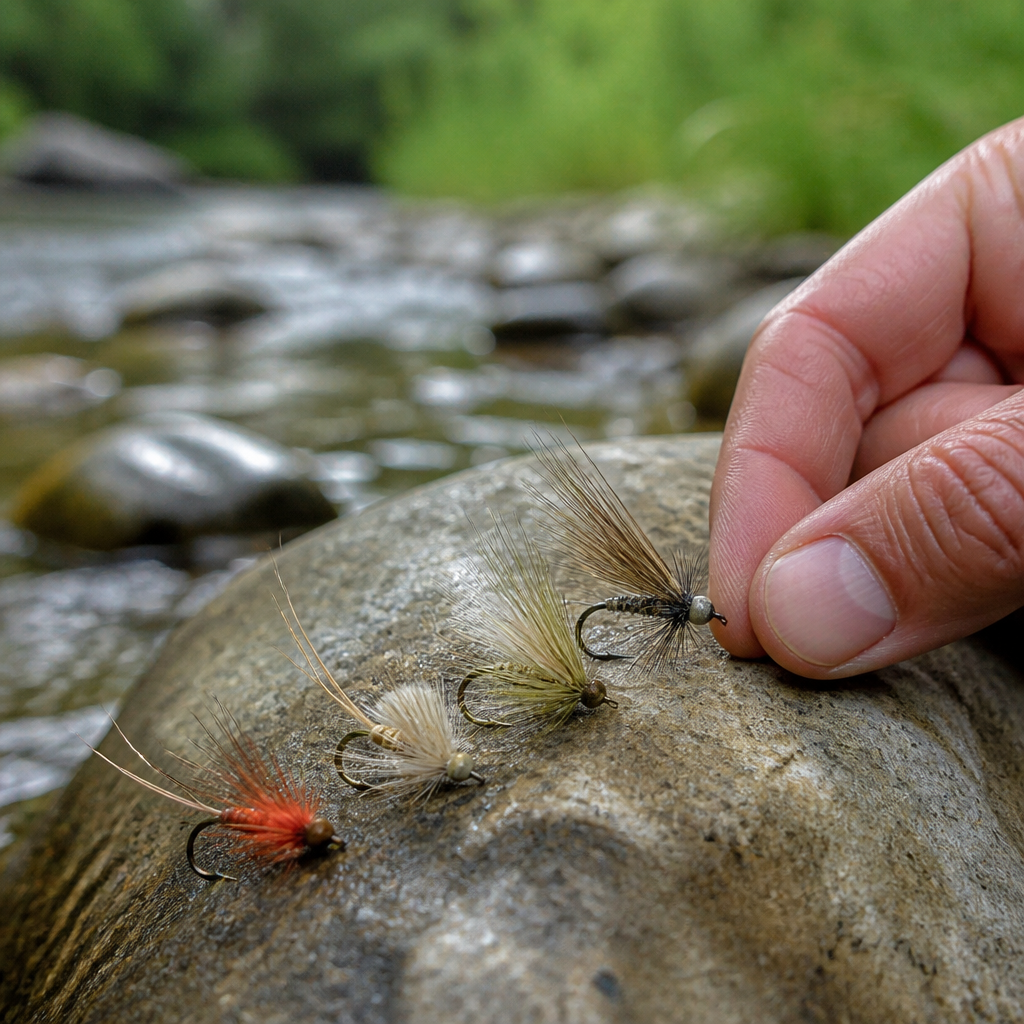
Matching terrestrial hatches is one of the most productive and misunderstood parts of fly fishing, because it asks anglers to think beyond aquatic insects and focus on the land-based bugs that regularly fall, blow, or jump into the water. In practical terms, a terrestrial hatch is not a true hatch at all. It refers to periods when fish feed heavily on ants, beetles, grasshoppers, crickets, caterpillars, inchworms, and other nonaquatic insects that become available along banks, under overhanging vegetation, beside hay fields, or during windy afternoons. If you want to match the hatch consistently across summer and early fall, learning terrestrial patterns is essential.
I learned this lesson the hard way on small freestone rivers where I spent hours watching trout ignore carefully tied mayfly imitations, only to rise confidently under cutbanks for foam beetles and cinnamon ants. That experience reshaped how I approach “match the hatch” as a broader feeding concept. Fish do not care whether the food source emerged from the streambed or tumbled from streamside brush. They respond to profile, size, color, drift, and timing. For anglers, that means terrestrial fly fishing is not a side tactic. On many rivers, especially from late spring through early autumn, it is the main event.
Understanding key terms helps. “Match the hatch” means selecting and presenting a fly that closely imitates what fish are actively eating. “Terrestrials” are insects and invertebrates that live primarily on land. “Hopper-dropper” refers to fishing a buoyant terrestrial on top with a nymph suspended below. “Bank-oriented feeding lanes” are the narrow zones where trout and panfish patrol for food falling from vegetation. These ideas matter because terrestrial feeding is often location driven as much as species driven. A trout holding six inches from a grassy bank is usually there for a reason, and that reason is often easy calories delivered from above.
This matters for every angler under the broader Techniques and Strategies umbrella because terrestrial patterns teach observation, improve reading water, and solve slow fishing during sparse aquatic hatches. They also connect to related subjects you should study in depth, including reading currents, dead-drift presentation, dry-dropper rigging, drag management, seasonal fly selection, and trout positioning. As a hub for the Match the Hatch topic, this guide covers when terrestrials matter most, how to identify the important food sources, how to choose flies, and how to present them with confidence on rivers, creeks, ponds, and meadow streams.
What counts as a terrestrial hatch and when does it happen?
A terrestrial hatch is best understood as a feeding window created by abundance and vulnerability rather than insect emergence. The strongest periods usually run from late spring through early fall, with peak consistency during warm months when bankside insect activity is high. Ant falls often occur after rain, heat, or mating flights. Beetles become important whenever streamside brush overhangs the water. Grasshopper fishing typically peaks from midsummer into early autumn, especially on Western meadow streams, agricultural valleys, and rivers bordered by pasture. Inchworms and caterpillars can be crucial under trees during late spring and summer. Crickets matter around grassy undercuts and shaded edges.
Weather strongly influences terrestrial availability. Wind is the biggest trigger. A breezy afternoon can knock hundreds of beetles and ants into the current. Sudden rain showers wash bank insects into the drift and often produce short but intense feeding bursts. Hot temperatures increase insect movement in fields and brush, while cool mornings may delay activity until the sun warms the banks. On many streams, the best terrestrial fishing begins after the direct overhead insect hatches slow down, often from late morning into evening. That said, shaded creeks with heavy canopy can fish well all day because fish expect a steady trickle of land insects.
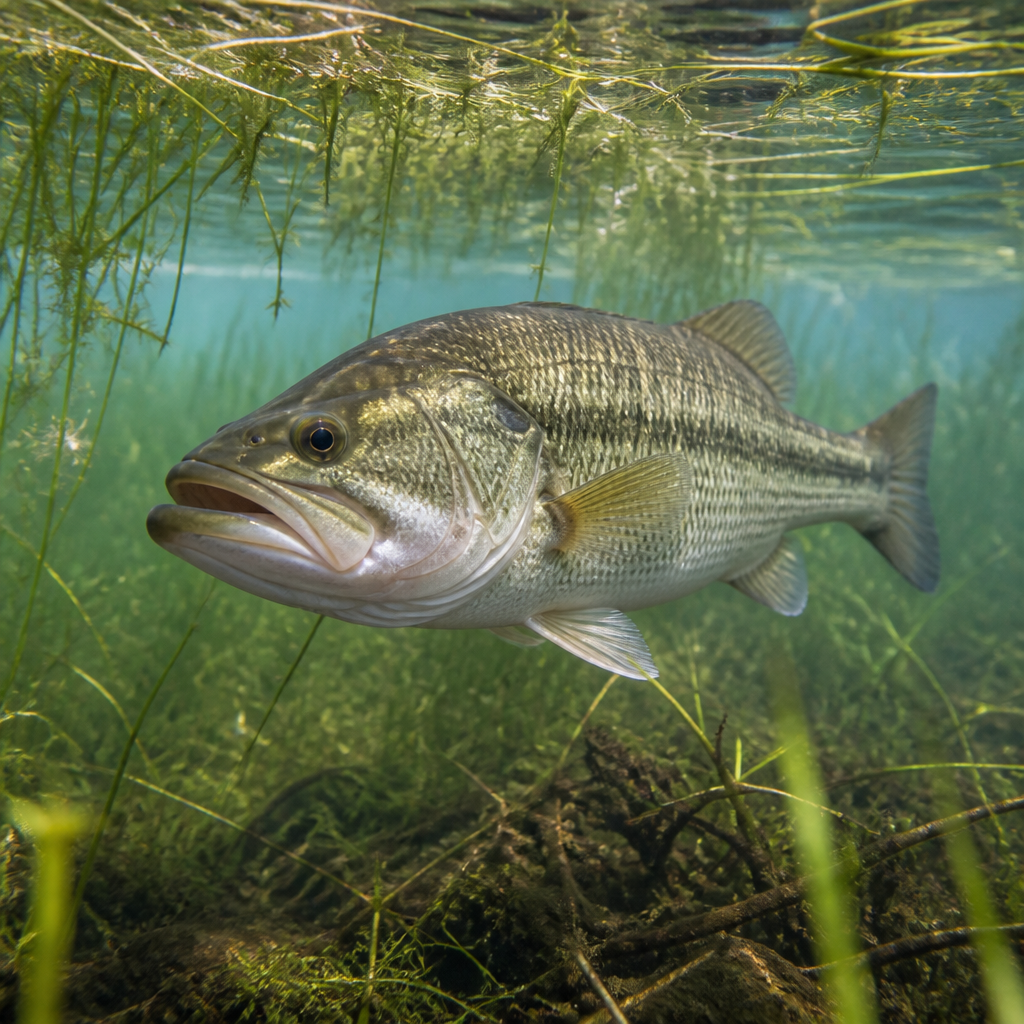
Water type matters too. Narrow streams with overhanging alders, meadow rivers with grassy edges, undercut banks, logjams, and foam lines beside structure are prime terrestrial water. Fish learn where accidental food enters and hold close. On spring creeks, terrestrials can be especially important when trout become selective and ignore larger dry flies. On stillwaters, terrestrials drift off reeds, cattails, and shoreline grass, making bank cruises productive for trout, bass, and bluegill. If your question is simple—when should you fish terrestrials—the answer is whenever streamside insect life is active, especially during warm, windy, or post-rain conditions.
How to identify the main terrestrial food sources
The most important terrestrial insects to match are ants, beetles, and grasshoppers because they are widespread, easy for fish to notice, and regularly available. Ants are overlooked by many anglers, yet trout often key on them with surprising intensity. Flying ants usually create the most obvious feeding events, but ordinary black, cinnamon, and red ants also matter. A trapped ant sits low in the film, shows a segmented silhouette, and often appears during calm drifts near bushes, root wads, and soft seams. When trout refuse bigger dries on summer afternoons, downsizing to a #16 or #18 ant is often the fix.
Beetles are even more universal. Along brushy streams, fish see them constantly. Most natural beetles are dark, compact, and shiny, with a rounded back and minimal appendages visible from below. That is why simple foam beetle patterns outfished more detailed imitations in my own testing on brook trout creeks and tailwater banks. Fish key on the oval profile and flush ride rather than exact leg count. Black is the standard color, but peacock, purple, and iridescent blends can improve visibility or suggest sheen. Sizes from #12 to #18 cover most situations, with smaller beetles often better on clear water.
Grasshoppers dominate larger summer conversations because they are calorie-dense and trigger aggressive takes. Trout do not need a perfect species match; they need the right footprint, color family, and sound on impact. Tan, yellow, olive, and pinkish hopper bodies all have their place depending on local fields. Western rivers famous for hopper fishing, such as stretches of the Madison, Yellowstone, and South Platte basin tributaries, reward accurate casts tight to grassy banks. Yet hoppers are not just a Western game. Farm ponds, Midwestern creeks, and Appalachian meadows all produce fish on hopper patterns when banks are alive with insect movement.
Other terrestrials round out the picture. Crickets are effective in dark colors around grassy edges. Inch-worm and caterpillar imitations excel beneath leafy canopies where green larvae frequently drop from branches. Cicadas matter regionally during periodic emergences and annually in smaller local events; when they appear, fish can become astonishingly surface oriented. Wasps and bees occasionally matter on lakes and slow rivers, though they are usually secondary to ants and beetles. The key habit is simple: inspect streamside plants, sweep a net through grass, look at spider webs, and watch what lands on your shirt or boat. Real observation beats guesswork every time.
Choosing patterns, sizes, and colors that actually work
Effective terrestrial fly selection starts with silhouette, buoyancy, and visibility, then narrows to species, size, and color. In real fishing, exact imitation matters less than many anglers think, but wrong scale matters a lot. A fish feeding on tiny ants will not often move confidently to a #8 hopper. Conversely, a bank-feeding brown looking for hoppers near noon may ignore a sparse #18 beetle. I carry a compact terrestrial box built around confidence patterns rather than endless variations: parachute ants, foam ants, simple foam beetles, deer hair or foam hoppers, crickets, and green inchworm patterns.
| Terrestrial | Typical Sizes | Best Colors | Where It Excels |
|---|---|---|---|
| Ant | #14–#20 | Black, cinnamon, red | Calm seams, selective trout, post-rain drifts |
| Beetle | #12–#18 | Black, peacock, purple | Brushy banks, overhanging limbs, summer afternoons |
| Grasshopper | #6–#14 | Tan, yellow, olive, pink | Grassy banks, meadow streams, windy days |
| Cricket | #10–#16 | Black, dark brown | Undercut grass, shaded edges, late summer |
| Inchworm | #12–#18 | Green, chartreuse | Tree-lined creeks, spring and summer canopies |
Foam has transformed terrestrial fishing because it floats well, survives many fish, and supports droppers. That durability matters when prospecting long banks or running hopper-dropper rigs. Still, low-riding fur, dubbed, or CDC patterns often outproduce foam on flat water where fish inspect closely. For example, on a slow spring creek, a sparse fur ant with a tiny post may beat a high-floating foam ant because naturals sit trapped in the surface film. Match buoyancy to water type. Rough pocketwater rewards visibility and floatation. Slick tailouts reward subtlety and flush presentations.
Color should follow the natural environment, but not rigidly. Black beetles and ants are staples because many naturals appear dark from below. Hopper colors should usually echo local grasses and dry vegetation. On bright days, adding a visible indicator post helps you track the fly without changing the fish’s view much. Size remains the strongest control. If fish inspect and refuse, go smaller first. If they ignore the fly completely in likely hopper water, go larger or create more disturbance. Good terrestrial anglers adjust one variable at a time so they can identify what changed the response.
Presentation strategies for rivers, creeks, and stillwater edges
Presentation is what separates random rises from repeatable success. Terrestrials enter the water imperfectly, so your drift does not always need the polished delicacy required for tiny mayflies. In fact, a hopper that lands with an audible plop can pull trout from under a bank. Beetles and ants usually work best with a dead drift, but a slight twitch at the end of the drift can suggest struggling life and trigger followers. On pocketwater streams, high-stick casts tight to structure let the fly ride naturally for a short but productive drift. On broader rivers, reach casts and slack-line presentations help maintain drag-free travel along complex seams.
Bank proximity is critical. Most terrestrial takes happen within a rod length of shore, under branches, beside grass mats, or along undercut edges. Cast closer than feels comfortable, but not so aggressively that you snag every drift. I tell newer anglers to imagine a feeding lane no wider than a kitchen table running parallel to the bank. If your fly lands three feet outside that lane all afternoon, you can miss the best fish in the river. Approach from downstream when possible, keep a low profile, and lead the drift slightly so the fish sees the fly before the leader.
The hopper-dropper system deserves special mention because it combines terrestrial attraction with subsurface opportunity. A buoyant hopper or beetle serves as both fly and indicator while a nymph hangs below, often 12 to 30 inches depending on depth. This rig excels when fish inspect the dry but eat the nymph, or when they opportunistically take either. On fast Western rivers, it covers two feeding zones efficiently. On small creeks, however, a dropper can tangle in brush or spook fish in shallow runs. Use it where depth and current justify complexity, and fish a single dry when precision matters more than coverage.
Stillwaters require a different rhythm. Rather than long dead drifts, focus on shoreline patrol routes, reed gaps, wind lanes, and shaded banks where terrestrials accumulate. Let the fly sit, then twitch lightly after rings fade. Bluegill and bass often respond to movement, while trout cruising lake edges may prefer a static beetle or ant. During cicada events, louder presentations become an advantage because naturals hit the water heavily and struggle. Whatever the water type, watch rises carefully. A slash may suggest hoppers. A sip usually suggests ants or beetles. The form of the take often tells you what to tie on next.
Common mistakes and how to build a reliable terrestrial game plan
The biggest mistake anglers make is treating terrestrials as random attractors instead of specific food forms tied to season, bank cover, and weather. The second is fishing them in the wrong water. Midstream casts to featureless current rarely compete with accurate presentations along productive edges. Another common error is using flies that are too large. Many anglers jump straight to oversized hoppers because they are fun to cast and easy to see, but fish often feed more consistently on #14 beetles and #16 ants. Poor drag control, sloppy approach angles, and failure to observe streamside insect life also cost fish.
A reliable terrestrial plan is straightforward. Start by checking banks, grasses, and overhanging limbs before you rig. Choose one searching pattern and one backup: for example, a #14 black beetle and a #16 cinnamon ant, or a #10 tan hopper and a #16 dropper ant. Fish likely edges methodically from downstream to upstream. If trout rise but refuse, downsize or switch from foam to a lower-floating pattern. If you get no reaction in classic hopper water, make the cast land a bit louder or move tighter to the bank. Keep notes by month and river so seasonal patterns become predictable rather than accidental.
As the central Match the Hatch resource within Techniques and Strategies, terrestrial fishing should connect your broader learning. It sharpens insect identification, improves presentation discipline, and teaches where fish position for easy meals. The core lesson is simple: matching terrestrial hatches means matching available land insects, the places they fall, and the way fish expect to see them. Focus on ants, beetles, and hoppers first. Fish close to structure. Adjust size before anything else. Use weather, cover, and season to guide decisions. Put these principles into practice on your next outing, and build your own confidence system one bank, drift, and rise at a time.
Frequently Asked Questions
What does “matching a terrestrial hatch” really mean in fly fishing?
Matching a terrestrial hatch means identifying and imitating the land-based insects that trout and other fish are feeding on when those bugs end up in the water. Despite the name, it is not a true hatch in the aquatic sense. Ants, beetles, grasshoppers, crickets, caterpillars, and inchworms do not emerge from the stream like mayflies or caddis. Instead, they fall, get blown, jump, or are washed into the current from grassy banks, overhanging brush, trees, and streamside vegetation. When that food source becomes abundant, fish often shift their attention away from aquatic insects and begin feeding selectively on these easy, high-calorie meals.
This matters because many anglers stay locked into a traditional hatch-matching mindset and overlook what is happening above the water. If fish are tight to undercut banks, rising close to grassy edges, or taking larger, clumsier insects with confidence, terrestrials may be the dominant food source. Matching the hatch in this case is less about exact entomology and more about accurately reading the environment. You are trying to match the right category of bug, the right size, the right general color, and the right behavior. A foam beetle drifted under overhanging limbs, a hopper twitched along a grassy seam, or a flying ant pattern fished during warm, breezy afternoons can be far more effective than a technically perfect mayfly imitation when fish are keyed on land insects.
When are terrestrial patterns most effective, and what conditions should anglers look for?
Terrestrial patterns are most effective from late spring through early fall, with peak action often occurring in summer and early autumn when bankside insect activity is at its highest. Warm temperatures, stable weather, breezy afternoons, and streams lined with grass, weeds, shrubs, or trees all increase the likelihood that land-based insects will end up in the water. Small creeks, meadow streams, undercut banks, and rivers with heavy streamside vegetation are especially productive because they concentrate terrestrial input and encourage fish to patrol feeding lanes near shore.
Some of the best indicators are visual and situational rather than calendar-based. If you see ants on logs, beetles on leaves, hoppers in the grass, or caterpillars hanging from streamside limbs, there is a good chance fish are seeing them too. Wind is a major trigger because it knocks insects off vegetation and delivers them to the current in unpredictable numbers. Rain can also wash terrestrials into the water, and bright midday periods that might slow classic dry-fly hatches can actually improve terrestrial fishing. That is one reason terrestrials are so valuable: they often produce when anglers assume surface activity should be poor.
Another important clue is fish location. Trout feeding on aquatic hatches may hold in classic current seams and rise rhythmically in open water. Fish feeding on terrestrials frequently slide toward banks, foam lines, under branches, logjams, and shady edges where land insects are most likely to appear. If rises are sporadic, close to cover, and seem less orderly than a mayfly hatch, terrestrials should be high on your list.
How closely do I need to match the exact insect when fish are feeding on terrestrials?
You usually do not need an exact, species-level match to be successful with terrestrials. In most cases, silhouette, size, and presentation matter more than perfect realism. Fish commonly react to terrestrials as opportunistic food items rather than inspecting them with the same caution they may show during a technical mayfly spinner fall. A beetle pattern does not need to copy every anatomical detail to work well. It does need to look believable on the water, sit properly in the film, and appear in the places where a real beetle would naturally drift.
That said, there are moments when narrowing the choice matters. If fish are repeatedly taking tiny black ants, a large tan hopper may draw little attention. If grasshoppers are thick in late summer along meadow banks, a compact beetle may be too small to stand out. A good rule is to first match the broad category of insect, then refine based on size and color. Black, cinnamon, and red ants are useful; black and peacock beetles are proven standards; tan, yellow, olive, and brown hoppers cover a wide range of natural insects. Caterpillar and inchworm patterns can be deadly near trees and brush, especially after wind or when larvae are visibly dropping from overhanging branches.
Think in terms of probability rather than perfection. Ask yourself what is most likely falling into the water in that stretch on that day. If the banks are grassy and full of hoppers, start there. If overhanging alder branches and windy conditions dominate, beetles and inchworms make more sense. If fish are refusing one pattern, downsize, change color, or switch the bug family before assuming they are not feeding on terrestrials at all.
What are the best presentation strategies for fishing terrestrial flies effectively?
The best presentation is usually a natural drift delivered tight to the places where real terrestrials enter the water. Unlike many aquatic insects, terrestrials do not emerge neatly in midstream lanes. They appear along edges, under limbs, beside cutbanks, near root wads, and next to grassy margins. That means accuracy matters. Cast close to the bank, land the fly softly, and let it drift as if it just got knocked loose from the vegetation. Many strikes happen within the first few feet of the drift, so anglers should stay ready from the moment the fly touches down.
Dead-drifting is the foundation, but subtle movement can also help. A slight twitch, skate, or bump can suggest a struggling hopper or beetle trying to regain control. The key is restraint. Too much motion makes the fly look unnatural, especially in smooth water. On rougher currents, however, a touch of animation can help fish locate the fly and trigger an aggressive response. With hopper patterns in particular, a short drag-free drift followed by a tiny kick near the bank often draws explosive eats.
Approach angle also matters. Fishing upstream or quartering upstream gives the most natural drift in many situations, but downstream presentations can be effective when trying to tuck a fly under overhanging cover without lining the fish. Long leaders, controlled slack, and careful mending help maintain a clean float. Because terrestrial takes are often close to structure, anglers should also anticipate fast reactions and use enough tippet strength to steer fish away from branches, rocks, and undercut banks.
A highly effective tactic is to pair a terrestrial dry with a dropper nymph. Even when fish are looking up, they may still take an aquatic subsurface offering trailing beneath the dry. This combination covers both feeding levels while keeping a visible topwater indicator in the strike zone. It is especially productive during mixed feeding periods when terrestrials are available but fish have not completely abandoned mayflies, caddis, or nymphs.
Which terrestrial patterns should every angler carry, and how do I choose between them on the water?
A strong terrestrial box should include a practical range rather than dozens of specialized patterns. Start with black and cinnamon ant patterns in a few sizes, especially small to medium. Add low-riding foam or deer-hair beetles in black and dark iridescent tones. Include several hopper patterns in tan, yellow, olive, and brown, with both buoyant foam versions and more natural, slimmer styles. Crickets are excellent in darker shades around grassy banks, while green inchworm or caterpillar patterns can be standout choices near brushy and tree-lined water. This core selection will cover the majority of terrestrial situations on trout streams.
Choosing between them begins with habitat. Grassy meadows suggest hoppers and crickets. Brushy creeks with overhanging limbs point toward beetles, ants, and inchworms. Weather helps narrow it further. Windy afternoons often favor beetles and ants because those insects are easily blown from leaves and branches. Late summer fields buzzing with larger insects call for hoppers. If fish are rising gently and refusing bulkier flies, downsize to an ant or small beetle. If strikes are aggressive near grassy banks, a larger hopper may be the better searching pattern.
It is also smart to think about visibility and function. Foam patterns float high and are easier to track in broken water, making them excellent for prospecting and dry-dropper rigs. More delicate dressings can be better in flat water where fish have time to inspect the fly. If you are unsure where to begin, a beetle or ant is often the most universal starting point because both insects are common, vulnerable, and accepted by fish in many types of water. From there, let the fish tell you whether to go bigger, smaller, darker, or more animated.
The biggest takeaway is that a well-chosen terrestrial pattern is not just a backup fly for slow hatch periods. In the right season and setting, it can be the primary answer. Anglers who carry a focused assortment and learn to read bankside food sources consistently catch more fish, especially during the warm months when others are still waiting for an aquatic hatch to begin.