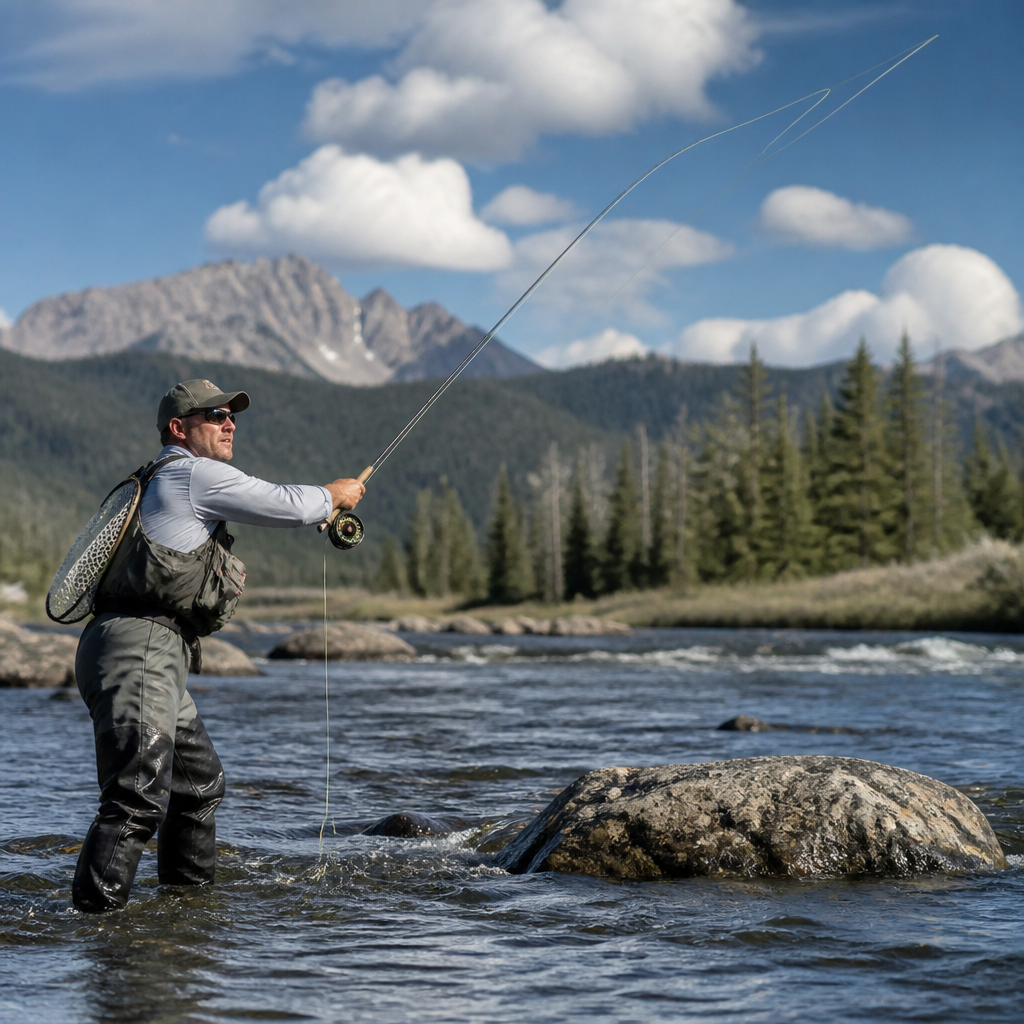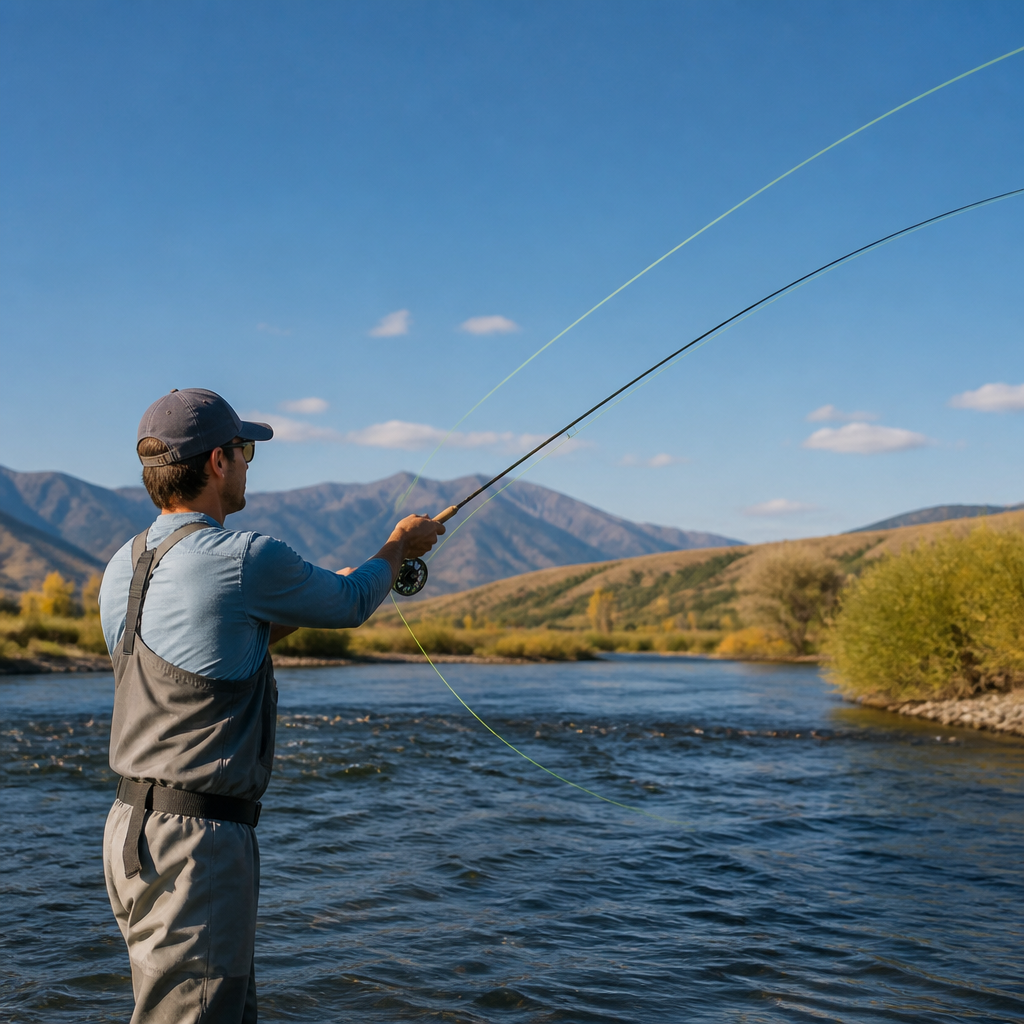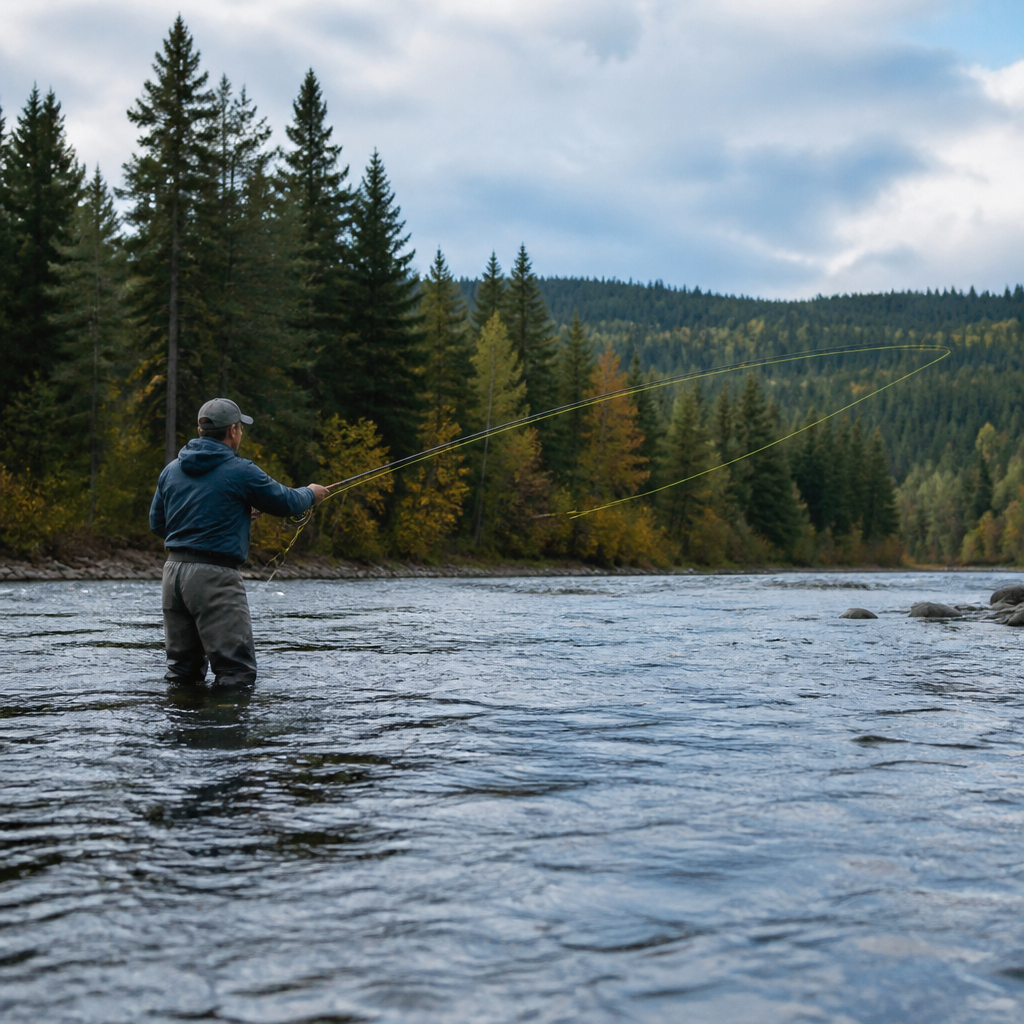
Spey casting is a two-handed fly casting method designed to deliver line efficiently when backcast space is limited, and it remains one of the most useful specialized techniques in modern river fishing. In practical terms, spey casting uses water tension, a controlled anchor, and a change of direction to load the rod without the long aerial backcast required in overhead casting. Anglers use it for steelhead, salmon, sea trout, and increasingly for large trout on broad rivers where distance, line control, and reduced fatigue matter. I have taught spey casting on gravel bars, tight willow-lined banks, and winter runs where a poor setup costs fishable water, and the same fundamentals always decide success: stance, anchor placement, rod path, timing, and line system match. This article serves as a hub for specialized techniques within the broader techniques and strategies category, so it explains core concepts and shows where each method fits on the water. If you want cleaner loops, safer casts, and better swing presentations, learning spey casting fundamentals pays off faster than buying another rod or changing flies.
The term “spey casting” originally referred to casts developed on Scotland’s River Spey, but today it covers a family of sustained-anchor and touch-and-go casts performed with spey rods, switch rods, and even single-hand fly rods. Key terms matter. The anchor is the part of leader and fly that briefly sticks to the water before the forward stroke. The D-loop is the curved section of line and rod bend formed behind the caster. Sustained-anchor casts, such as the Snap-T and Double Spey, keep more line in contact with the water and excel with sink tips, heavy flies, and downstream wind. Touch-and-go casts, such as the Single Spey and Snake Roll, use a brief, light anchor and generally suit floating lines and cleaner conditions. Why does this matter? Because the wrong cast for the line, wind, or current leads to blown anchors, tailing loops, unsafe fly paths, and lost time. The right cast makes difficult water fishable, extends swing length, and lets you cover runs methodically with less effort.
Core Spey Casting Fundamentals
Every effective spey cast starts with body position and ends with a straight-line rod path. Stand balanced with feet shoulder-width apart, shoulders relaxed, and the upper body rotated so the rod can travel on plane. Most casters improve immediately when they stop muscling the rod with the top hand and instead drive with the bottom hand during the forward stroke. That bottom-hand pull deepens rod load and keeps the tip tracking straighter. The cast itself has three linked parts: setup, sweep, and forward delivery. In the setup, place the line where the cast can begin cleanly. In the sweep, move the rod smoothly to lift line and form the D-loop. In the forward stroke, accelerate progressively to a firm stop, sending the loop forward. Jerky acceleration creates slack and collapsing loops; smooth acceleration with a crisp stop creates shape, speed, and directional control.
Anchor placement is the most common make-or-break variable. A good anchor lands about a rod length away and slightly off the casting shoulder side, close enough to hold tension but far enough forward to keep the fly from crossing the caster. Too much anchor sticks the line to the water and robs energy. Too little anchor causes a blown cast because the rod never loads. I usually teach students to watch the junction of tip and leader rather than the entire line. If that junction kisses down in the right window and the rod continues into the D-loop without pause, the cast is usually sound. Timing matters just as much. The sweep must finish before the forward stroke begins; starting forward too early piles the D-loop, while waiting too long lets the anchor drift and tension disappear. Good spey casters look calm because their sequence is deliberate, not fast.
Essential Spey Casts and When to Use Them
The Single Spey is often the first touch-and-go cast anglers learn for an upstream wind on the non-rod side. It changes direction efficiently and produces elegant loops, but it demands precise anchor timing. The Double Spey is slower and more forgiving. Because it is a sustained-anchor cast, it shines with sink tips, weighted flies, and a downstream wind that would make a touch-and-go cast unsafe or unstable. The Snap-T, also called the Snap-C in some systems, is the workhorse cast I rely on most during winter steelhead fishing. Its compact repositioning move quickly puts the line upstream, making it ideal for heavy tips and limited room. The Snake Roll is versatile for changing direction when line tension and current angles are awkward, but it exposes flaws in rod path immediately. If the rod tip dips or circles too much, the loop collapses before the anchor sets.
Choosing among these casts depends on line type, fly weight, current speed, bank obstacles, and wind direction. A practical rule is simple: touch-and-go for lighter systems and clean, controlled anchors; sustained-anchor for heavier systems and difficult wind. On medium rivers, I often rotate between Single Spey and Snap-T every few steps as the bank shape changes. On broad winter runs with ten-foot tips of T-11 or T-14, the Double Spey and Snap-T dominate because they maintain tension and keep the heavy fly away from the caster. On summer steelhead water with floating heads and small flies, the Single Spey and Snake Roll cover water elegantly and with less spray. Skill is not measured by using the fanciest cast. It is measured by selecting the safest, simplest cast that matches the fishing problem in front of you.
Gear Selection: Rods, Lines, Tips, and Leaders
Spey casting improves dramatically when rod and line are balanced. Rod choice starts with fish size, fly size, and river width. A 12-foot 6-inch to 13-foot 6-inch rod in 6- to 7-weight is a common steelhead tool because it handles sink tips yet remains comfortable all day. Larger Atlantic salmon and big western rivers may call for 8- or 9-weight rods around 14 to 15 feet. Switch rods, typically 10-foot 6-inch to 11-foot 6-inch, bridge single-hand and spey applications for trout, half-pounders, and smaller rivers. Line systems are even more important. Scandi heads are front-tapered for touch-and-go casts, floating presentations, and smaller flies. Skagit heads are short, powerful shooting heads built to turn over sink tips and weighted intruders. Long belly lines reward advanced technique and line control but punish sloppy anchor placement.
Matching grain window to rod matters more than brand loyalty. Most manufacturers publish target grain ranges, and staying within them prevents underloading or overloading. Tips and leaders fine-tune performance. For Skagit systems, anglers commonly use MOW tips or level T-material such as T-8, T-11, and T-14, selecting density by depth, current speed, and fly size. For Scandi systems, polyleaders in floating, intermediate, and sinking versions preserve delicate turnover. Leader length is not arbitrary. Heavy sink-tip setups often fish best with short leaders around three to five feet to maintain turnover and depth, while floating presentations can extend to nine or twelve feet for finesse. Reliable tools include Rio, Airflo, Scientific Anglers, OPST, and Guideline, but the principle is universal: if the line system matches the rod and the intended presentation, casting gets easier immediately.
| Technique or Setup | Best Use | Main Advantage | Common Limitation |
|---|---|---|---|
| Single Spey | Floating line, upstream wind, moderate direction change | Fast, efficient, clean loops | Less forgiving with sink tips and poor anchor timing |
| Double Spey | Downstream wind, sink tips, heavy flies | Stable sustained anchor and strong safety margin | Slower tempo and more water disturbance |
| Snap-T | Winter steelhead, limited space, large direction change | Excellent with Skagit heads and compact casting lanes | Can stick if the sweep is too low or anchor too heavy |
| Snake Roll | Awkward current angles, floating systems | Versatile repositioning and elegant line control | Requires disciplined rod path |
| Scandi head | Summer runs, small flies, touch-and-go casting | Delicate turnover and long, efficient flight | Poor choice for heavy tips |
| Skagit head | Sink tips, big flies, tight casting quarters | Turns over heavy payloads easily | Less refined presentation on floating setups |
Advanced Specialized Techniques for Real Fishing Situations
Specialized spey casting becomes valuable when conditions are imperfect, which is most fishing days. Perry Poke variations solve many sink-tip problems by intentionally placing extra line on the water before the sweep, increasing stick and helping heavy systems realign. It is especially useful when the line lands downstream and the current grabs the tip before you can form a clean D-loop. Circle Spey adaptations can create room where brush blocks a standard setup. Creep mends and aerial mends during delivery influence the swing before the fly even lands. On broad tailouts, a slight upstream mend after the forward cast slows the fly and lengthens hang-down; on walking-speed buckets, a straighter presentation often gets the fly down faster. These are not style points. They control depth, speed, and angle, which directly affect whether fish intercept the fly.
Current is an active force in every spey cast. Faster current near the bank can pull the anchor too quickly, while soft inside seams can leave too much slack. Good casters adapt by changing setup angle, sweep speed, and anchor placement rather than repeating the same motion. Wind deserves equal respect. With an unsafe downstream wind, choose a cast that keeps the fly on the downwind side of the rod and away from your body, often a Double Spey or Snap-T depending on handedness and bank position. For wading anglers, line management is a specialized technique of its own. Strip basket users on beaches know this well, but river anglers benefit too when loose running line tangles around boots or weeds. Before each cast, clear the running line, check the tip connection, and confirm the fly is not wrapped around the leader. Small discipline prevents major failure.
Common Mistakes and How to Fix Them
Most spey casting problems fall into a short diagnostic list. A blown anchor usually means the anchor landed too light, too far away, or the caster rushed from sweep to forward stroke. Fix it by slowing the sweep, watching the anchor touch down, and starting the forward stroke only after the D-loop forms. A sticky anchor means too much line is glued to the water. Raise the hands slightly during the sweep, reduce the amount of line outside the rod tip if necessary, and avoid dumping the tip low too early. If the cast crashes in a heap, the rod tip likely traveled in a convex path or the stop was mushy. Focus on a straight tracking path and a crisp stop. Tailing loops often come from overpowering the forward stroke with the top hand or applying power too early. Bottom-hand drive and smooth acceleration solve that quickly.
Another mistake is trying to cast distance before mastering directional control. Distance in spey casting is a result of efficient energy transfer, not force. I have watched anglers add ten or fifteen feet simply by correcting anchor position and stopping the rod higher, with no extra effort. Poor stance also limits performance. If your hips are locked and shoulders cannot rotate, the rod path curves and the D-loop crowds you. Open the stance slightly, align the body with the intended target, and let the torso help the cast. Equipment errors matter too. An overloaded rod feels heavy and sticky, while an underloaded rod feels fast but powerless. If every cast feels wrong, verify head length, grain weight, tip density, and leader length before blaming technique. The best practice sessions are focused: one cast, one adjustment, one clear result.
Practice Drills, Safety, and Progression
Skill improves fastest through structured drills. Start on grass or calm water with yarn instead of a fly so you can concentrate on planes, anchor placement, and stops without worrying about depth or hang-ups. A useful drill is the static anchor check: place the anchor intentionally, freeze for a moment, and confirm it sits in the correct window before making the forward stroke. Another is the sweep-path drill, where you exaggerate a smooth rise and rotation into the D-loop while keeping the rod tip from dipping behind you. On the river, practice changing direction by ten, thirty, and sixty degrees rather than always making the same cast. This teaches adaptation. Video helps because many faults feel invisible in real time. Slow-motion clips from a phone often reveal a dipping tip, a premature hit, or excessive top-hand punch immediately.
Safety is nonnegotiable, especially with sink tips and weighted flies. Wear glasses, a hat, and maintain awareness of other anglers before every cast. If the wind makes a cast unsafe, switch casts, switch shoulders, or stop. Progression should also be realistic. Most anglers do not need every advanced cast at once. First learn a dependable Snap-T, Double Spey, and Single Spey. Then add Snake Roll, Perry Poke applications, and presentation mends. From there, connect casting to strategy: cover water in even steps, track swing depth, note where grabs occur, and adjust angle or tip density systematically. That is how specialized techniques become fishing advantages rather than parking-lot skills. Mastering spey casting means more than throwing elegant loops. It means fishing more water effectively, safely, and with far less fatigue. Start with the fundamentals, match your line system carefully, practice the right cast for the conditions, and build from there on your next trip.
Frequently Asked Questions
What is spey casting, and how is it different from standard overhead fly casting?
Spey casting is a two-handed fly casting technique built for situations where a traditional backcast is difficult or impossible. Instead of carrying long lengths of line in the air behind the angler, spey casting uses the tension of the line on the water, a carefully placed anchor, and a smooth change of direction to load the rod and send the line forward. This makes it especially effective on rivers lined with trees, steep banks, brush, or other obstacles that limit room behind the caster.
The biggest difference between spey casting and overhead casting is how the rod is loaded. In overhead casting, the line is typically false cast in the air and the rod bends from the momentum of the moving line during the backcast and forward cast. In spey casting, the rod loads primarily through water tension and efficient line positioning. A small portion of line and leader touches the water at a specific point known as the anchor, and that connection creates resistance that helps the rod bend deeply during the forward stroke.
Spey casting is also different in its mechanics and purpose. It is designed not only for distance, but for control, efficiency, and repeated presentations across moving water. Anglers use it to swing flies for steelhead, salmon, and sea trout, and it has become increasingly popular for large trout on broad rivers as well. Because it minimizes false casting and allows long, smooth deliveries, it can be less tiring over the course of a full day and especially useful when fishing larger flies, sink tips, or heavier lines.
What are the most important fundamentals of a good spey cast?
The core fundamentals of an effective spey cast are stance, grip, lift, sweep, anchor placement, D-loop formation, and a straight, accelerating forward stroke. If any one of these elements breaks down, the cast usually becomes inefficient very quickly. While there are many specific spey casts, the same underlying principles apply to nearly all of them.
First, focus on balance and alignment. Your body should be stable and oriented so the cast can travel on a clean path toward the target. A relaxed but controlled grip helps the rod move smoothly, and the top hand typically guides while the bottom hand provides much of the power. One common mistake is trying to muscle the cast with the upper body alone. Good spey casting relies more on timing, rod path, and line placement than raw force.
Next comes the lift and sweep. The lift cleanly brings the line to the surface and prepares it for repositioning. The sweep then moves the line into place and forms the D-loop, which is the loop of line and rod position behind the caster just before the forward stroke. The sweep should be smooth and continuous rather than abrupt. A rushed or jerky sweep often causes the anchor to land poorly, collapse the D-loop, or pull too much line off the water.
Anchor placement is critical. The anchor is the portion of line and leader that briefly sticks to the water before the forward cast. Too much anchor can make the cast feel heavy and sticky, while too little can lead to blown anchors and dangerous failures. Ideally, the anchor lands in a controlled position relative to the caster and target, allowing the rod to load efficiently and the line to unroll cleanly.
Finally, the forward cast should be compact, crisp, and directed on a straight plane. The rod should accelerate smoothly to a firm stop, allowing the stored energy to transfer into the line. Good timing ties everything together. In spey casting, success often comes from sequencing each movement correctly rather than trying to cast harder.
Which spey cast should beginners learn first?
For most beginners, the Single Spey and Double Spey are excellent starting points because they introduce the essential mechanics of lift, sweep, anchor, D-loop, and forward delivery in a practical way. The best choice often depends on wind direction, casting side, and river position, but learning both early is highly beneficial because each solves a different on-the-water problem.
The Double Spey is often considered one of the most beginner-friendly casts because it keeps the fly on the water longer and tends to feel slower and more deliberate. That extra contact with the water can make timing easier to understand, especially for anglers who are new to anchor control. It is commonly used when the wind is blowing upstream on the casting side where safety and fly placement become important concerns.
The Single Spey is generally more dynamic and efficient, especially when used with downstream wind conditions on the appropriate side. It requires cleaner timing because the anchor touches down more briefly, but it rewards that precision with a very fluid and elegant cast. Many anglers find that once they understand anchor placement and D-loop alignment, the Single Spey becomes one of their most useful everyday casts.
Another excellent learning option is the Switch Cast. Although simpler in structure and not always a full directional-change cast in the same sense as classic spey casts, it teaches line lift, water tension, and forward delivery in a way that helps build strong habits. It is a very effective drill for learning how the rod loads from waterborne line rather than from a long aerial backcast.
For beginners, the real goal is not memorizing a large number of casts immediately. It is learning the principles that all good spey casts share. Once you can consistently form a clean D-loop, place the anchor correctly, and deliver the line on target, moving into more advanced casts such as the Snap-T, Circle Spey, or Snake Roll becomes much easier.
What are the most common spey casting mistakes, and how can you fix them?
The most common mistakes in spey casting include poor anchor placement, collapsing the D-loop, using too much force, sweeping too low or too far, and misaligning the cast with the target. These errors are extremely common, even among intermediate anglers, and most of them can be corrected by slowing down, simplifying movements, and paying closer attention to setup and sequence.
One frequent problem is too much anchor. When too much line sticks to the water, the cast feels heavy and sluggish, and the line may fail to unroll fully. This is often caused by an overly wide sweep, dropping the rod tip too much, or placing the line too far out in front. The fix is usually to maintain a more controlled rod path and allow only the appropriate amount of line and leader to touch down.
The opposite issue is too little anchor, sometimes called a blown anchor. In this case, the line loses contact with the water before the rod can load properly. The result is often a failed cast, loss of tension, or a dangerous tailing motion with the fly moving unpredictably. This is usually caused by rushing from the sweep into the forward stroke or lifting too aggressively. The solution is to pause just enough for the anchor to set and make sure the sweep creates proper positioning before accelerating forward.
Another major mistake is trying to overpower the cast. Spey casting responds poorly to brute force. When anglers hit too hard, they often open the casting stroke, lose alignment, and create inefficient loops. A better approach is to use a smooth acceleration and firm stop, letting the rod and line system do the work. Think in terms of tempo and structure rather than strength.
Alignment errors are also very common. If the sweep, D-loop, and forward cast are not all aimed in compatible directions, the line cannot unroll efficiently. The cast may kick sideways, pile up, or lose distance. A helpful correction is to imagine rails: the sweep sets the line up on one path, and the forward cast should travel on a matching path toward the target. Practicing with clear visual reference points on the water can make a big difference.
Finally, many anglers progress faster when they shorten the amount of line while learning. Trying to cast too much line too soon magnifies every technical problem. Start with manageable lengths, focus on repeatable mechanics, and then gradually add line as your control improves.
What gear and line setup work best for spey casting?
The best gear for spey casting depends on the size of the river, target species, fly size, and whether you are using full spey rods, switch rods, or adapted two-handed setups. In general, a dedicated two-handed rod matched with the correct line system makes learning easier and performance more consistent. The rod, line head, running line, tip, and leader all need to work together as a balanced system.
Traditional spey rods are longer and are designed for medium to large rivers, long swings, and efficient line control at distance. Switch rods are shorter and more versatile, often appealing to anglers who want to make both overhead and spey-style casts or fish somewhat smaller water. For steelhead and salmon, longer two-handed rods are common, while trout spey setups usually trend lighter and more compact. The right rod length and line weight should match the fishery rather than simply chasing maximum distance.
Line choice is especially important. Modern spey systems often use Skagit heads, Scandi heads, or longer traditional-style heads. Skagit systems are ideal for turning over sink tips, weighted flies, and fishing in tight quarters because they are compact and powerful. Scandi systems are usually better for touch-and-go casting, lighter flies, and more delicate presentations. Longer