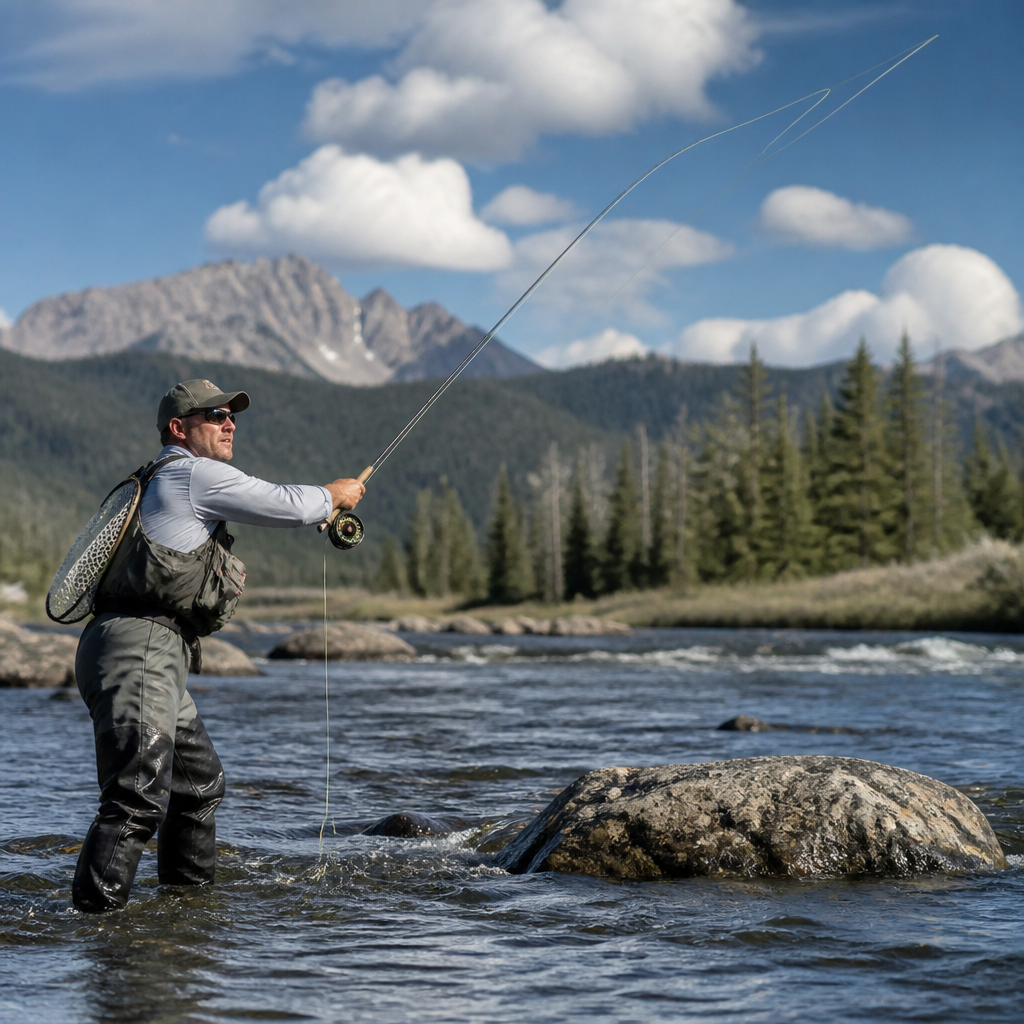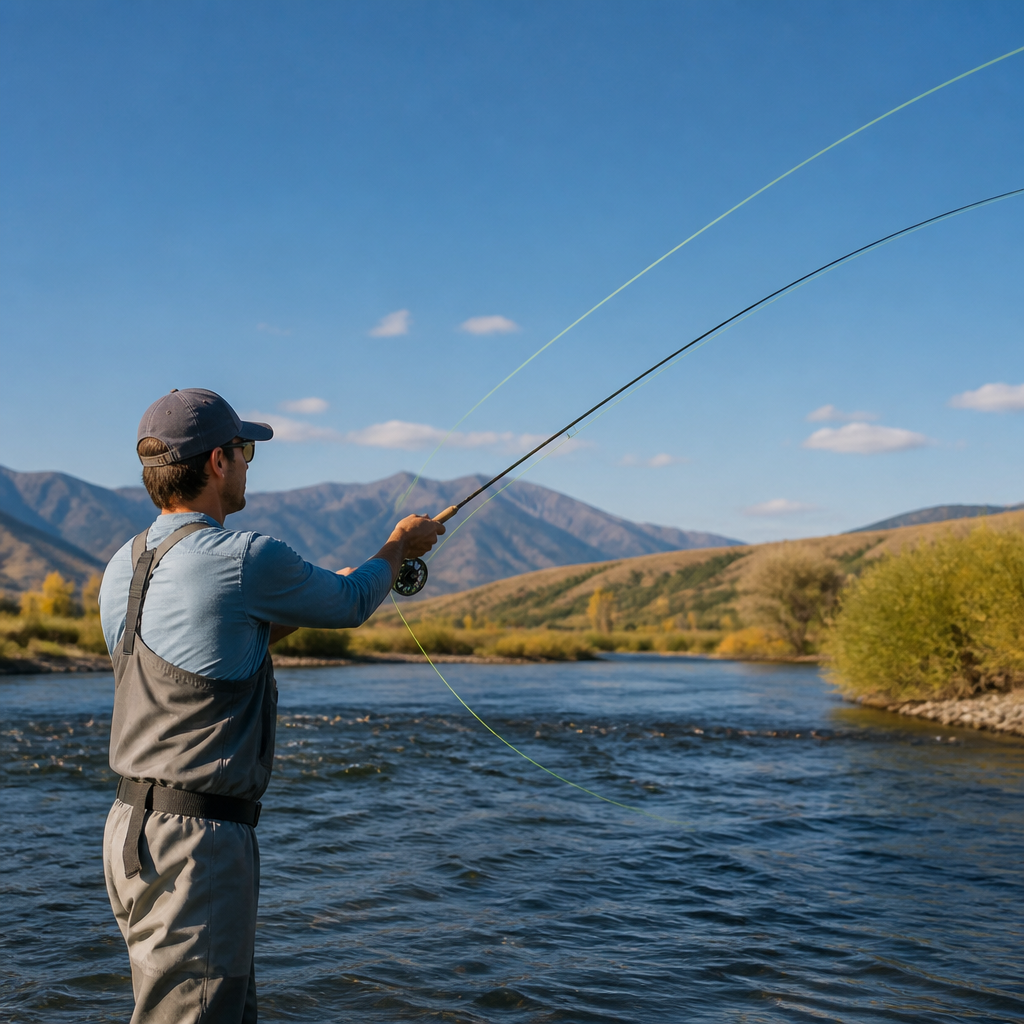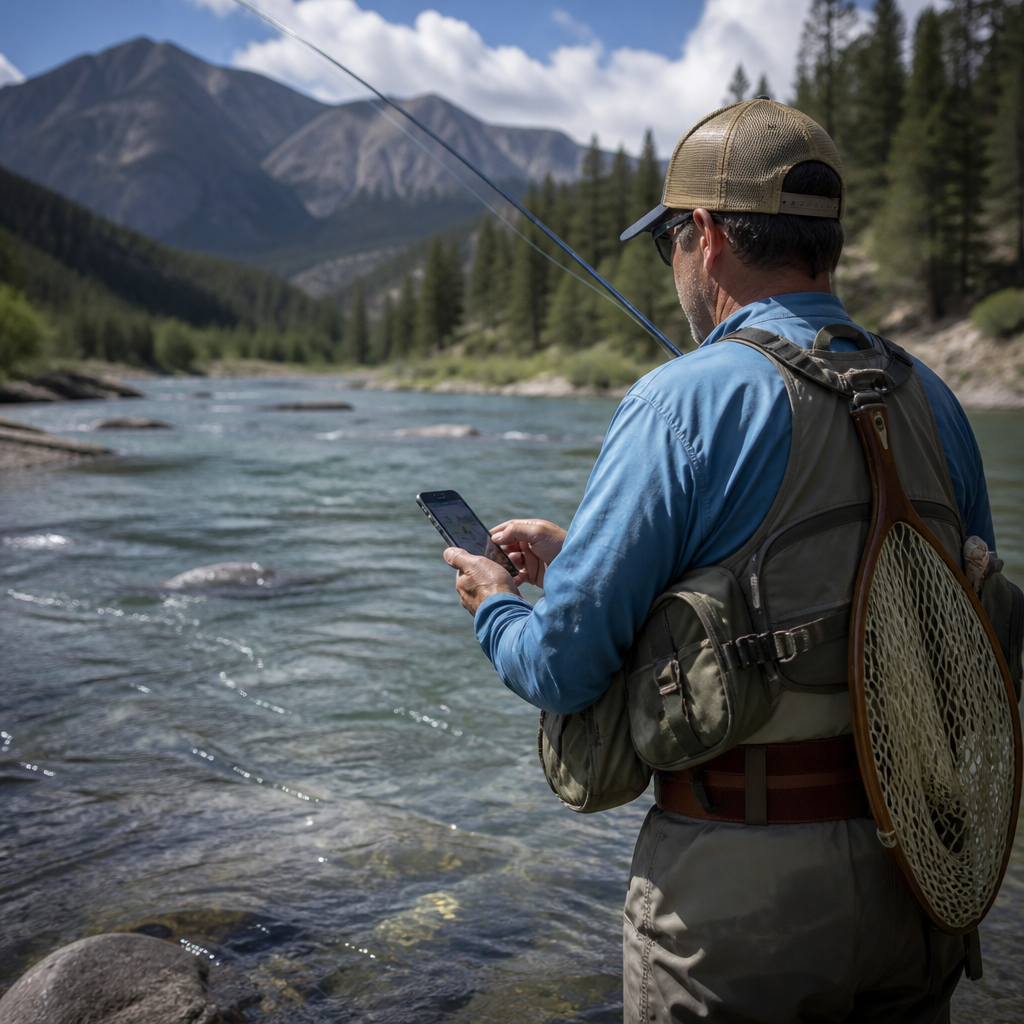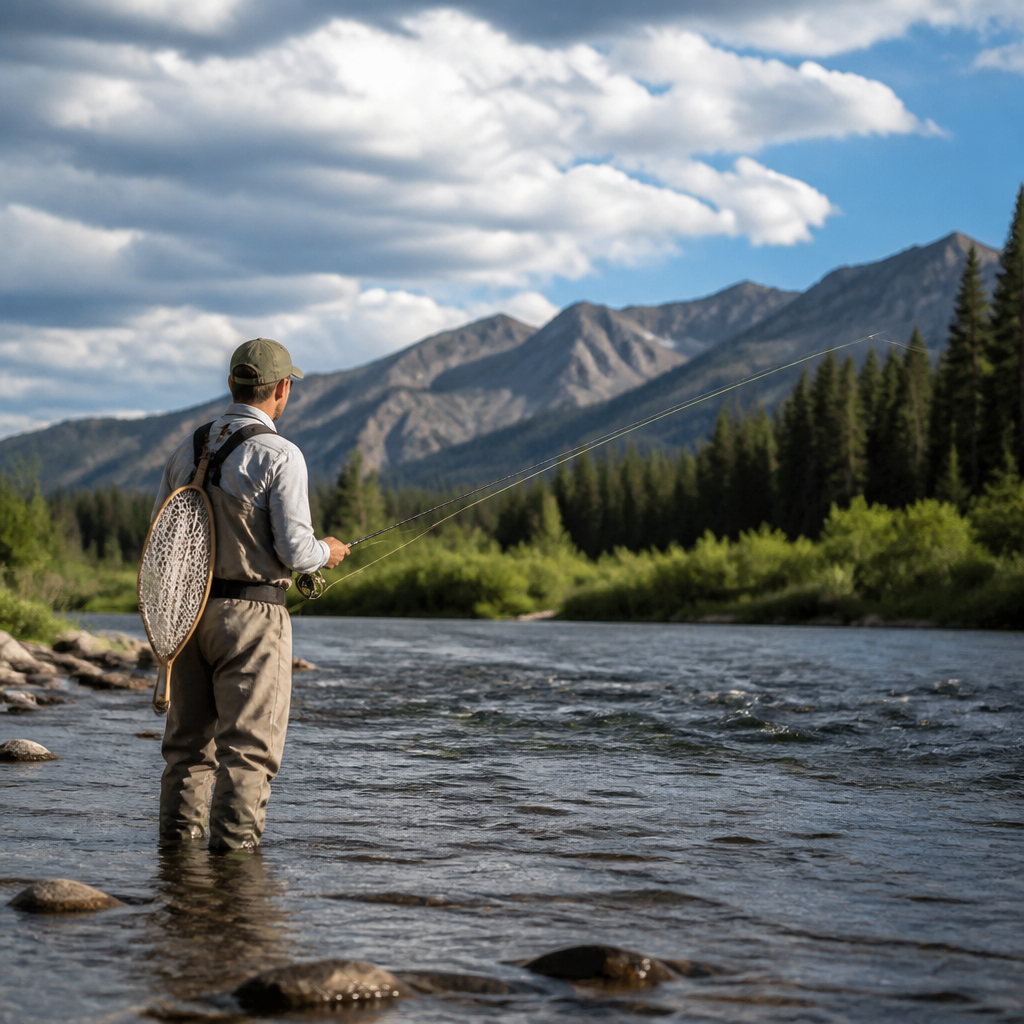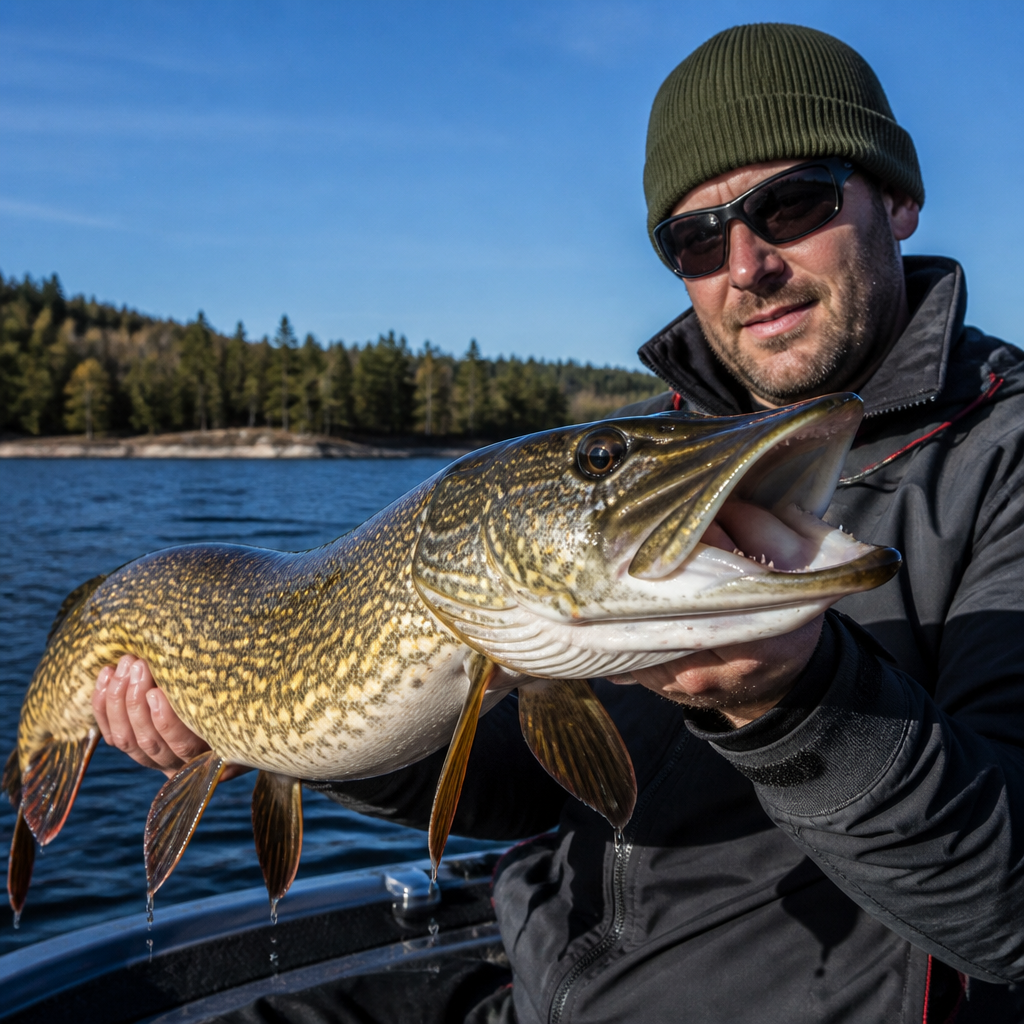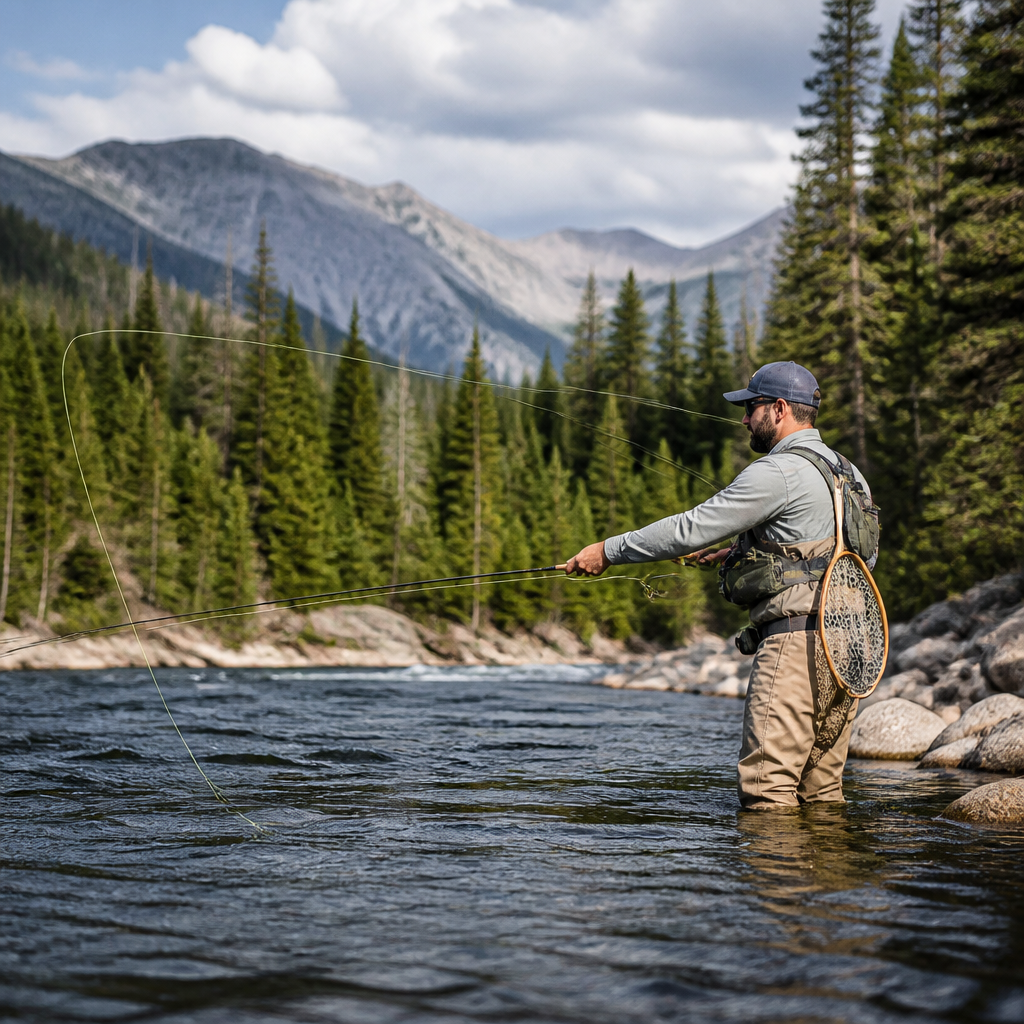
Specialized fly fishing techniques turn a broad pastime into a precise craft, giving anglers reliable ways to solve problems that standard presentations cannot. In practical terms, a specialized technique is any method built for a specific species, water type, feeding behavior, depth zone, or seasonal condition. That includes euro nymphing in pocket water, streamer fishing for aggressive predators, stillwater chironomid tactics, sight fishing on saltwater flats, swinging soft hackles through riffles, and presenting tiny dry flies during selective hatches. I have used each of these approaches on rivers, lakes, and coastal estuaries, and the same lesson repeats: success usually comes from matching the method to the situation rather than forcing a favorite style. That is why specialized fly fishing techniques matter. They help anglers catch more fish, reduce wasted time, choose tackle intelligently, and understand why fish respond in one moment yet refuse in the next. This hub article introduces the core methods, the gear logic behind them, and the decision points that connect technique to conditions.
For anglers building a complete skill set, this topic sits at the center of strategy. A trout stream in spring may demand indicator nymphing at dawn, dry-dropper presentations by midday, and streamers under cloud cover. A stillwater session might shift from intermediate-line retrieves to static suspensions beneath an indicator when insect activity rises in the water column. Saltwater fly fishing often changes by tide stage, light angle, wind direction, and bottom composition. These are not minor adjustments. They are specialized responses to fish location, metabolism, and food availability. Throughout this hub, the key idea is simple: every advanced method has a purpose, and learning that purpose is the fastest route to better results.
What Specialized Fly Fishing Techniques Include
Specialized fly fishing techniques are methods refined around a narrow set of variables. Those variables usually include current speed, depth, water clarity, forage type, fish pressure, and how fish are feeding. When anglers ask what counts as specialized, the clearest answer is this: if the technique changes leader design, fly weighting, line choice, casting style, retrieve, or strike detection in a meaningful way, it belongs in this category. Czech and French nymphing use long leaders and tight-line contact to maintain direct control at depth. Dry-dropper rigs combine a buoyant dry fly with a subsurface nymph to cover two feeding lanes. Streamer tactics emphasize profile, movement, and reaction strikes. Stillwater approaches depend heavily on depth management and line density, often using type II through type VI sinking lines or a hover line to keep flies in a defined zone.
Each method evolved for a reason. Tight-line nymphing became prominent because conventional indicator systems can create drag and reduce strike sensitivity in short, technical drifts. Two-handed swinging developed because broad rivers and migratory fish reward controlled speed, angle, and hang-down more than dead-drift precision. Flats fishing for bonefish, redfish, and permit demands quick target acquisition, accurate casting, and quiet presentations because fish often feed in skinny water where mistakes are obvious. In other words, specialization is not complexity for its own sake. It is adaptation.
Core Categories Every Angler Should Understand
The easiest way to organize specialized techniques is by presentation style and habitat. On moving water, the major categories are dead drift, induced drift, swing, skate, strip, and sight presentation. Dead-drift systems include indicator nymphing, euro nymphing, and dry-fly work where drag-free movement matters. Induced-drift methods such as soft hackle fishing intentionally add controlled motion that suggests ascending insects. Swing presentations cast across current and allow the fly to arc below the angler, a foundational tactic for steelhead, Atlantic salmon, trout, and sea-run fish. Strip presentations dominate streamer and many saltwater scenarios, where speed changes, pauses, and direction shifts trigger predatory behavior. Sight presentations are built around a visible fish, requiring targeted casts, line management, and immediate adjustment if the fish changes direction.
Stillwater adds another set of categories: static suspension under an indicator, vertical hangs from a boat, slow hand-twist retrieves, figure-eight retrieves, and countdown methods with sinking lines. In lakes, depth is often the entire game. I have seen anglers fish perfect flies at the wrong depth for hours and never contact fish, then move the same pattern six feet deeper and hook up immediately. Depth control is a specialized skill, not a detail.
| Technique | Best Water | Main Strength | Typical Limitation |
|---|---|---|---|
| Euro nymphing | Rivers and pocket water | Excellent strike detection and depth control | Less efficient at long range |
| Indicator nymphing | Runs, seams, deeper pools | Covers varied depths with easier line management | Can introduce drag in complex currents |
| Dry-dropper | Freestone streams, banks, riffles | Covers surface and subsurface feeders at once | Buoyancy and weight balance can be tricky |
| Streamer fishing | Banks, structure, dirty water | Triggers large, aggressive fish | Lower numbers during neutral feeding periods |
| Chironomid fishing | Stillwaters | Deadly during midge-focused feeding | Requires precise depth adjustment |
| Flats sight fishing | Saltwater shallows | Highly targeted presentations to visible fish | Demanding casting and fish-spotting skills |
Nymphing Systems for Depth, Drift, and Strike Detection
Nymphing is the most productive category in many trout fisheries because fish feed subsurface most of the time. The specialized question is not whether to nymph, but how. Indicator nymphing uses a floating reference point to suspend flies and signal takes. It excels in medium to deep runs where mending can maintain a natural drift. Common setups include tapered leaders extended with fluorocarbon tippet, split shot or tungsten flies for depth, and adjustable indicators to fine-tune the suspension point. New Zealand wool indicators, air-lock styles, and putty each solve different problems related to splash, buoyancy, and repositioning.
Euro nymphing, including French, Czech, and Spanish variations, reduces slack and replaces the indicator with a highly visible sighter section. The rod leads the flies through the drift while maintaining near-direct contact. This is extremely effective in pocket water, slots, and short drifts where currents are turbulent and strikes are subtle. Competition anglers helped standardize long light rods, thin level or semi-level leaders, tungsten bead flies, and tag rigs, but the method works well beyond competitions. The tradeoff is reach. Once fish hold farther away or currents become too broad for contact control, an indicator system often regains the advantage.
A practical rule I use is this: choose tight-line tactics when fish are within controlled range and the bottom contour demands exact depth; choose indicator tactics when distance, conflicting currents, or soft takes make a suspended visual cue more efficient.
Dry Flies, Emergers, and Surface Precision
Surface techniques look simple but become highly specialized whenever fish are selective. A dry-fly presentation succeeds when fly choice, leader length, tippet diameter, drift angle, and drag control all align with the natural insect stage. During a mayfly hatch, trout may ignore duns and feed almost exclusively on emergers trapped in the film. During caddis activity, skittering a fly may outperform a dead drift. On flat glides with clear water, 6X or 7X tippet and slack-line casts can matter more than exact pattern color. The specialized skill is reading what level of refusal means. A rise short of the fly often suggests size or stage mismatch. A hard refusal at the last instant usually indicates drag, flash from the leader, or an unnatural silhouette.
Emerger tactics deserve special attention because many anglers move too quickly to fully floating dries. Soft hackle emergers, loop-wing patterns, and lightly dressed CDC flies sit lower and match vulnerable insects more accurately. Reach casts, parachute casts, and pile casts are technical solutions for drag, especially on spring creeks and tailwaters. I have had evenings where changing from a standard upright dry to a film-riding emerger doubled the hookup rate with no other change. That is the essence of specialization: small technical adjustments producing large practical differences.
Streamer Fishing for Predators and Reaction Strikes
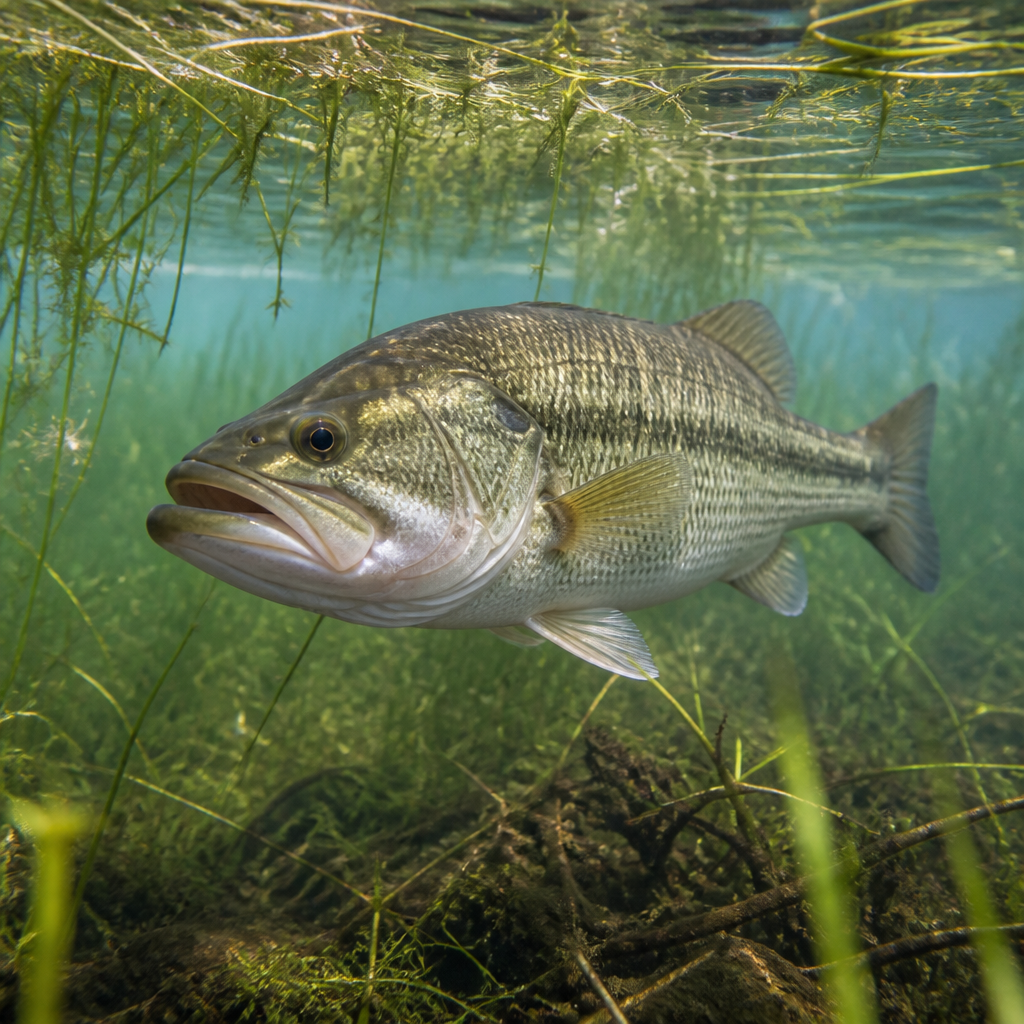
Streamer fishing targets fish willing to chase, ambush, or defend territory. Trout, bass, pike, musky, and many saltwater species respond because a streamer suggests a baitfish, leech, sculpin, crayfish, or juvenile gamefish. This category becomes specialized through line density, fly profile, retrieve cadence, and casting angle. A sink-tip line helps keep the fly near structure in moderate current, while a full sinking line is often better for maintaining depth through a retrieve in lakes or broad rivers. Weighted flies with articulated shanks create movement; unweighted patterns can hover and pulse more naturally in shallow water.
Retrieve style should reflect fish mood and water temperature. In cold water, slow strips and long pauses often outperform aggressive retrieves because metabolism is lower. In warm conditions or stained water, erratic strips can trigger reaction strikes even when fish are not actively feeding. Bank-oriented casts with downstream strips are standard for trout because predators often hold near cover and attack from short distances. For smallmouth bass, swinging a baitfish imitation through current transitions can be as effective as stripping. Specialized streamer anglers also think about light. Low light, cloud cover, and wind commonly improve results because larger fish feel less exposed.
Stillwater Techniques: Depth Control Is Everything
Stillwater fly fishing is one of the most technical branches of the sport because fish can suspend at exact depths and move with changing oxygen, temperature, and food concentration. The common beginner mistake is fishing one retrieve speed in one depth band all day. Specialized stillwater methods start by locating the feeding zone. Electronics, a throat pump where legal, sonar from a float tube or boat, and simple countdown timing all help determine where fish are feeding. Chironomid fishing under an indicator is especially effective when trout focus on ascending midges. The flies hang vertically, often just above bottom in shallow bays or at a fixed level over deeper shoals. Small changes matter; moving the flies from twelve feet to ten feet can completely change the session.
Balanced leeches, damsel nymphs, callibaetis nymphs, boobies, and baitfish patterns all have specialized roles. Intermediate lines excel in the top few feet with slow retrieves. Type III or type V lines are better for probing drop-offs, humps, and deeper edges. On fertile lakes, early-season shoals may fish best with slow figure-eight retrieves, while summer trout retreat to cooler layers that require long leaders on full sinking lines. The method is technical, but the principle is plain: fish where the trout actually are, not where they were an hour earlier.
Saltwater and Anadromous Methods
Saltwater fly fishing demands some of the most specialized techniques because species differ sharply in feeding style. Bonefish reward quick, accurate casts with sparse shrimp or crab patterns presented ahead of the fish and stripped only after the fish notices the fly. Permit are notoriously selective, often requiring exact sink rate, precise angle, and immediate adjustment to the fish’s body language. Striped bass and false albacore push anglers toward line-speed management, durable knots, and bait-match thinking. Corrosion resistance, hook strength, and leader abrasion matter more in salt than many freshwater anglers expect.
Anadromous fishing for steelhead or salmon adds another layer. Swinging intruders, tubes, or traditional patterns across current relies on angle, sink rate, and speed control rather than dead drift. Sink tips in T-8 through T-17 densities, Skagit or Scandi heads, and rod length all shape presentation. In cold flows, slower swings with deeper tips usually produce better follows and grabs. In warmer conditions, lighter tips and more active flies can shine. These fisheries teach patience because takes may be few, but the method is deliberate and highly repeatable when matched to water type.
How to Choose the Right Specialized Technique
The fastest way to choose among specialized fly fishing techniques is to answer five questions. What species are you targeting? Where in the water column are they feeding? What is the dominant food source? How fast is the water moving, if any? How visible and pressured are the fish? Those answers narrow the options immediately. Trout glued to the bottom in a cold freestone run suggest euro or indicator nymphing. Trout slashing minnows under overcast skies suggest streamers. Carp tailing in calm backwaters call for sight fishing with subtle entries and weighted nymphs or crayfish patterns. Lake trout suspended over deep structure usually demand sinking lines and a counted presentation.
Build from conditions rather than trends. Specialized methods are tools, not identities. The angler who insists on dry flies during subsurface feeding, or on streamers during a dense midge emergence, usually loses to the angler who adapts. Use this hub as your starting framework, then dive into each subtopic, test the rigs on your home water, and keep notes on depth, drift, retrieve, weather, and fly size. That habit shortens the learning curve more than any gear purchase. Mastering specialized techniques ultimately gives you a practical advantage: you stop guessing and start making informed decisions on every cast.
Frequently Asked Questions
What counts as a specialized fly fishing technique?
A specialized fly fishing technique is any method designed to solve a specific on-the-water problem more efficiently than a general-purpose approach. Instead of simply casting a fly and hoping a fish will respond, specialized techniques match presentation, depth, speed, angle, and fly choice to a particular species, habitat, feeding behavior, or seasonal condition. In that sense, specialization is really about precision. If trout are holding deep in fast pocket water, euro nymphing gives you direct contact, faster sink rates, and better strike detection than a standard indicator rig in many situations. If predatory fish are hunting baitfish along banks or structure, streamer fishing lets you imitate movement, vulnerability, and reaction triggers in a way dry flies or small nymphs usually cannot.
Specialized methods also apply far beyond trout streams. Stillwater anglers use chironomid tactics to suspend flies at exact depths where fish are feeding. Saltwater fly fishers rely on sight fishing skills, quick target acquisition, and accurate presentations to fool fish on shallow flats. Soft hackle swinging, dry-dropper rigs, tight-line nymphing, skating mouse patterns, and strip-setting streamers are all examples of techniques that become valuable because they are purpose-built. The main idea is simple: specialized fly fishing takes a broad sport and breaks it into repeatable systems that increase efficiency, control, and consistency under defined conditions.
Why should a beginner learn specialized techniques instead of just sticking to basic fly fishing skills?
Beginners absolutely need a foundation in casting, line control, knot tying, reading water, and fish handling, but learning specialized techniques early can actually speed up the entire learning process. That is because specialization teaches cause and effect very clearly. When an angler uses a tight-line nymphing setup in fast water, they quickly see how weight, leader design, contact, and drift angle affect whether the fly reaches feeding depth and produces strikes. When they fish streamers, they learn how retrieve speed, pauses, and fly profile trigger aggression. These lessons make the sport less mysterious and more understandable.
Another advantage is that specialized techniques help beginners adapt to difficult days. A lot of new anglers struggle because they approach every river, lake, or flat with one presentation style. When that style fails, they assume the fish are not feeding. In reality, fish may be active but feeding deep, keying on a different food source, or positioned in a way that requires a different angle or drift. Specialized methods give beginners practical tools to diagnose those situations. Rather than relying on luck, they begin making informed adjustments.
Perhaps most importantly, specialized techniques build confidence. Catching fish consistently is not only about experience; it is also about using the right method for the job. A beginner who learns a few targeted systems—such as euro nymphing for current seams, basic streamer tactics for searching bigger water, and chironomid presentations for stillwater—will usually become more versatile, observant, and effective faster than someone who treats all fly fishing as one generic discipline.
How do I know which specialized fly fishing technique to use in a given situation?
The best way to choose a technique is to work backward from what the fish are doing and where they are doing it. Start by asking a few practical questions: What species am I targeting? What type of water am I fishing? Are fish feeding on top, in the middle of the water column, or near the bottom? Is the current fast or slow? Are fish chasing prey, sipping emerging insects, or holding in place and conserving energy? Once you answer those questions, the right technique often becomes much clearer.
For example, if trout are tucked into broken pocket water and feeding near the bottom, euro nymphing is often a smart choice because it gives you excellent control and direct contact. If fish are actively hunting minnows or trying to ambush larger prey, streamer fishing becomes a strong option because it covers water and provokes reaction strikes. On lakes, if fish are focused on suspended chironomids, a stillwater indicator setup or balanced presentation at a controlled depth can be far more effective than blind casting. On shallow saltwater flats, where fish can see well and spook easily, sight fishing with accurate, measured presentations is the specialized skill that matters most.
Water conditions and season also help dictate technique. Cold water often pushes fish toward slower, deeper feeding behavior, which favors nymphing or static presentations. Warmer periods may increase movement and aggression, opening the door to streamers or swung flies. Wind, water clarity, depth, structure, and insect activity all shape the decision. Experienced anglers do not pick a specialized technique because it is trendy; they pick it because it aligns with fish position, food source, and the mechanics needed to present the fly effectively.
What gear changes are usually needed for specialized fly fishing methods?
Specialized techniques often work best when matched with purpose-built gear, but that does not mean you need an entirely different setup for every method right away. In many cases, the biggest differences come from leader design, line choice, fly weight, and rod characteristics rather than from a complete overhaul of your equipment. A euro nymphing setup, for instance, typically uses a longer, lighter, more sensitive rod paired with a thin line or specialized leader system that improves contact and strike detection. The goal is not distance; it is control, drift quality, and feel.
Streamer fishing often benefits from a more powerful rod, a line that can turn over larger flies, and sometimes sinking or sink-tip lines to reach the strike zone. Because streamers create water resistance and are often retrieved aggressively, the tackle has to manage both casting load and fish that hit hard. Stillwater chironomid fishing may call for long leaders, strike indicators, and the ability to suspend flies very precisely at a chosen depth for long periods. In saltwater scenarios, durability, corrosion resistance, quick line pickup, and accurate casting become much more important than they are in many freshwater settings.
That said, anglers should think in systems, not just gear lists. A specialized setup works because each part supports the presentation. Rod action influences line control. Line choice affects depth and turnover. Leader length changes sink rate and drift behavior. Fly weight alters how quickly the pattern reaches fish. If you want better results, focus on matching tackle to the demands of the method rather than assuming one all-around outfit can excel at every specialized task. Start with the techniques you will use most often, then expand deliberately as your skills and fishing opportunities grow.
What are the most common mistakes anglers make when trying specialized fly fishing techniques?
The most common mistake is treating a specialized technique like a minor variation of standard fly fishing instead of a complete presentation system. Anglers often hear that euro nymphing, streamer fishing, or chironomid tactics work well, but they do not adjust enough of the surrounding mechanics to make the method effective. They may use the wrong leader, fish the wrong depth, drift too fast, retrieve too steadily, cast from the wrong angle, or fail to maintain contact with the fly. The result is that the technique appears ineffective when, in reality, it was never fully applied.
Another major error is fishing the method outside the conditions it was designed for. Streamers can catch fish in many situations, but they are especially effective when fish are willing to chase, react, or hunt larger prey. Chironomid fishing shines when stillwater fish are feeding predictably at a suspended depth. Tight-line methods excel where line control and depth management matter more than long casts. When anglers force a specialized technique into the wrong scenario, they often lose confidence too quickly and miss what the method is actually meant to do.
Impatience is also a frequent problem. Specialized fly fishing rewards repetition, observation, and small adjustments. A slight change in depth, swing speed, fly size, or retrieve cadence can completely change results. Many anglers abandon a method before dialing in those details. The best way to improve is to commit to one technique for a meaningful stretch of time, pay close attention to fish behavior, and make deliberate adjustments instead of random ones. Specialized methods are powerful not because they are complicated, but because they let anglers solve specific problems with control and consistency when they are practiced correctly.