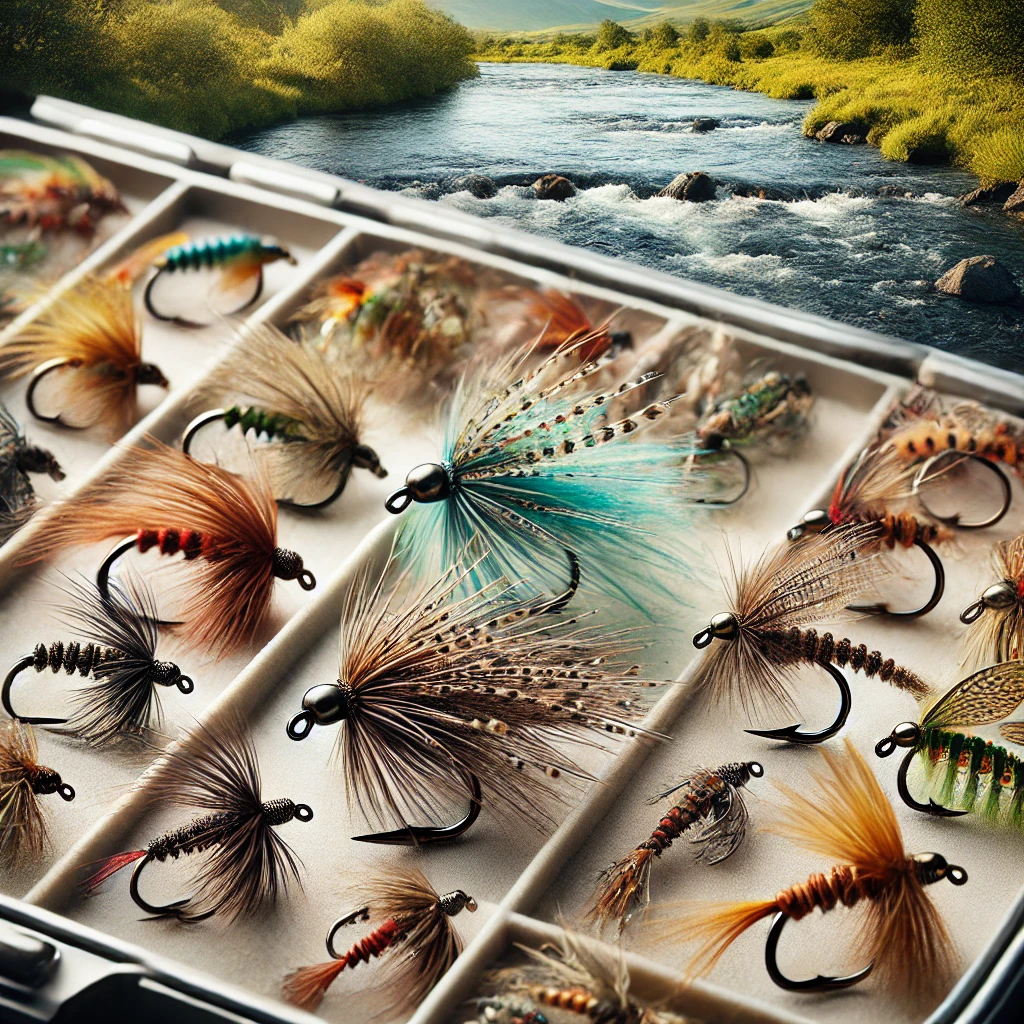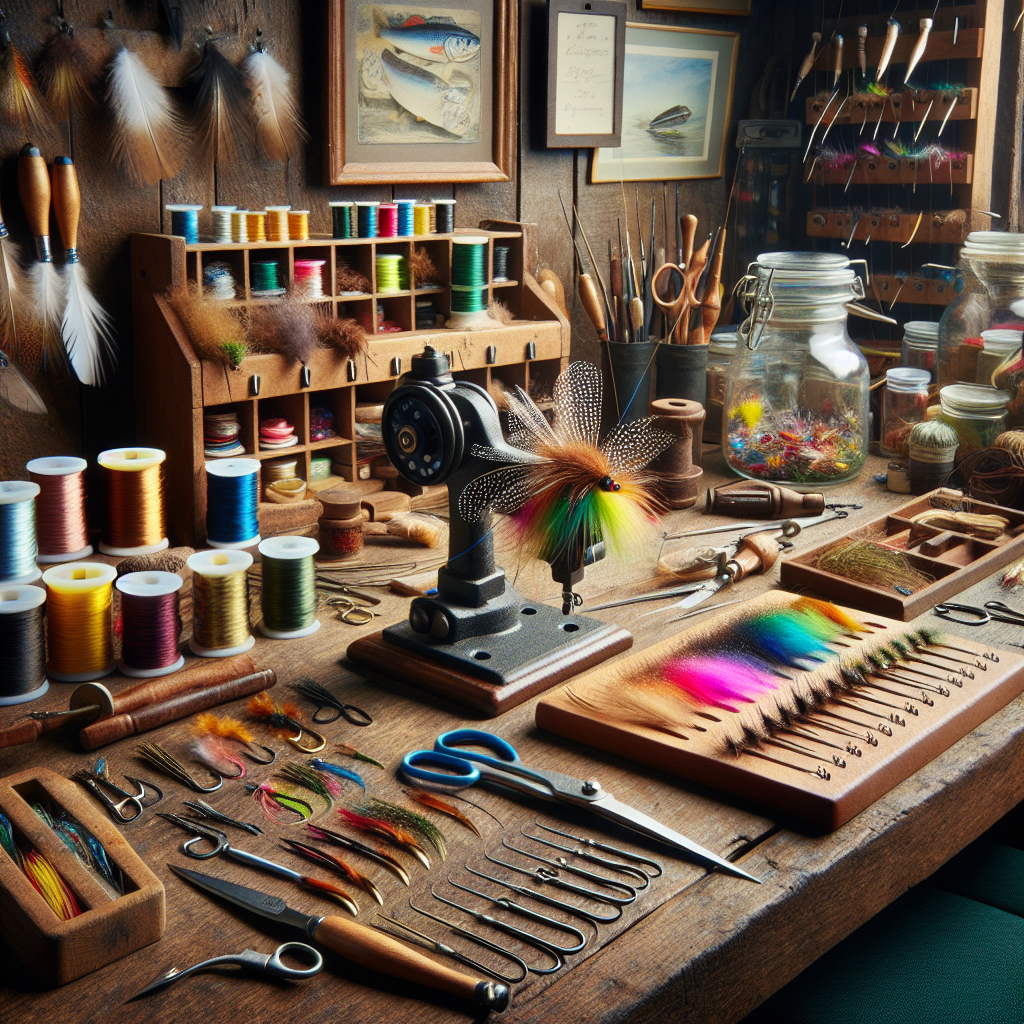
Fly fishing has long been admired for its intricate blend of artistry and skill, and nothing embodies this quite like tying your own flies. While traditional materials like fur and feathers remain staples for many fly tyers, foam and synthetic materials offer exciting new possibilities to enhance your patterns. The realm of synthetic materials opens a whole new box of tools that help create flies that are not only more durable but can also mimic the buoyancy and lifelike appearances of aquatic insects more accurately. This article provides insights into the use of foam and synthetic materials in fly tying, discussing their advantages, various types available, and some specific techniques to maximize their potential in your fly patterns.
The Advantages of Foam in Fly Tying
Foam, in its myriad forms, has become an essential material for modern fly tyers. One of the primary advantages of foam is its buoyancy. This means that flies tied with foam can remain afloat on the water’s surface longer than those tied with traditional materials. This is especially useful when tying dry flies, poppers, and terrestrials that need to stay on top of the water to attract fish. Furthermore, foam is highly durable. Unlike feathers and fur that can easily get damaged after a few casts or fish strikes, foam-based flies can withstand more abuse. Even better, foam is exceptionally lightweight, making it easy to cast regardless of your fly size. Lastly, foam’s versatility is unparalleled. It comes in many colors, thicknesses, and textures allowing for infinite creativity in your fly designs.
Types of Foam for Fly Tying
There are several types of foam available for fly tying, each catering to different needs and fly patterns. One of the most popular types is sheet foam, commonly found in arts and crafts stores. It’s generally used for creating dry flies and terrestrials like hoppers and beetles. Cylinder foam, another type, is excellent for shaping bodies and heads for poppers and sliders. Pre-formed foam bodies, available in various insect shapes and sizes, can save considerable time and effort. Foam sticks or blocks can be carved and shaped to suit intricate fly patterns. UV reactive foam is also becoming popular, especially among anglers fishing in low light conditions, since it behaves differently under UV light, increasing visibility.

Synthetic Materials: A Game-Changer
In addition to foam, synthetic materials have transformed the art of fly tying dramatically. Unlike natural materials, synthetic materials are designed to mimic the movement and appearance of insects more closely, offering a more realistic option. For instance, synthetic hair and fibers can create lifelike tails and legs, enhancing the fly’s overall realism. Similarly, synthetic dubbing blends can replicate the natural shine and color variations of many aquatic insects. Synthetic hackle and chenille offer greater consistency and durability, especially when compared to their natural counterparts. Unlike feathers, synthetic hackles don’t get damaged or change shape easily. Also, synthetic winging materials, such as flashabou and krystal flash, add a highly reflective touch to attract fish better.
Popular Synthetic Materials Used in Fly Tying
Several synthetic materials have gained immense popularity within the fly tying community. Among them, Epoxy and UV resin are extensively used for creating realistic bodies and heads. These materials harden quickly and can be shaped into lifelike forms. Mylar tubing and tinsel are excellent for adding a touch of sparkle and creating eye-catching fly patterns. Poly yarn and antron provide buoyant properties and are often used for dry fly wings and shucks. Silicone legs and rubber legs are widely used for adding lifelike appendages to your flies, making them move convincingly in the water. Foam sheets and foam cylinders complement synthetic materials and are used together to create high-performing fly patterns.
Techniques for Using Foam and Synthetics
Mastering the use of foam and synthetic materials involves some specific techniques to ensure your flies look and perform well. When using foam, cutting and shaping it with a sharp pair of scissors is crucial. This ensures clean edges and a lifelike shape. For securing foam to your hook, using strong, thin thread helps keep it in place without adding bulk. Applying a small dab of super glue can also provide extra security. With synthetic materials, it’s essential to use the right quantity. Overloading the hook with too much synthetic material can make your fly bulky and hinder its performance in the water. Techniques such as dubbing loops, spinning, and stacking synthetic fibers can help create dense, lifelike bodies and wings. When using synthetic hackle or legs, spacing and secure tying techniques are crucial to prevent them from slipping or moving out of place.
Choosing the Right Hooks and Threads
The choice of hooks and tying threads is crucial when working with foam and synthetic materials. For foam flies, especially larger ones, stronger hooks like the Tiemco 100 or Daiichi 1280 are recommended. These hooks provide the necessary strength to hold the foam securely and handle strong fish. For smaller foam flies, hooks like the Gamakatsu C12-B are excellent due to their lightweight and strength. When it comes to tying threads, polyester and gel-spun threads are great choices. They offer high strength with minimal bulk, ensuring your foam and synthetic materials stay in place. Gel-spun threads are particularly beneficial for tying tougher materials like foam and epoxy. The key is to select hooks and threads that complement the materials being used, ensuring your flies are durable and fish-ready.
Conclusion
Incorporating foam and synthetic materials into fly tying not only opens up new avenues for creativity but also enhances the durability and effectiveness of your flies. These materials provide a range of benefits, from increased buoyancy and lifelike appearance to improved durability and consistency. Understanding the different types of foam and synthetic materials, along with mastering the techniques for using them, can elevate your fly tying game to new heights. Whether you’re preparing for a fishing trip or just enjoying the craft at your tying bench, foam and synthetic materials offer endless possibilities to create the perfect fly. As you experiment and refine your techniques, you’ll discover a whole new world of innovative fly patterns waiting to be explored. So grab your materials and start tying the flies that will make your next fishing adventure one for the books.