Fly fishing is both an art and a science. Its beauty lies not just in the actual casting and catching of fish but also in the meticulous preparation that goes into creating the perfect fly. One critical element that adds depth and functionality to fly tying is the use of beads and weight. Understanding how and when to use these components can differentiate between an average day on the water and a successful fishing trip.
Beads and weight can transform your flies, giving them the necessary characteristics to sink quickly, glint enticingly, or simply present in a more natural and effective way. In this article, we’ll delve into the importance of using beads and weight in fly tying, providing you with a comprehensive guide to incorporating these elements into your fly patterns.
Whether you are a beginner just starting on your fly-tying journey or a seasoned pro looking to refine your techniques, this article will offer valuable insights and practical tips. Through detailed explanations and step-by-step guides, we’ll have you tying flies that not only look fantastic but also perform exceptionally well in various fishing scenarios.
The Importance of Adding Weight
Adding weight to your flies is crucial for determining their sink rate and position in the water column. Weighted flies are essential for reaching fish that are holding deeper or when fishing in faster currents. Techniques such as nymphing and streamer fishing particularly benefit from properly weighted flies, allowing for better control and presentation.
One common method of adding weight is using lead-free wire, known as lead wire substitute or non-lead wire. It’s safer for the environment and provides necessary weight without the health concerns associated with traditional lead. Another method is incorporating heavy materials like tungsten beads or brass beads, which we will explore in later sections.
Correctly weighting your flies involves understanding the balance between adding enough weight to make the fly effective without compromising its natural movement or presentation. Achieving this balance often requires some experimentation and practice. As you become more experienced, you’ll develop an intuitive sense for the right amount of weight needed for different fishing conditions.
Types of Beads
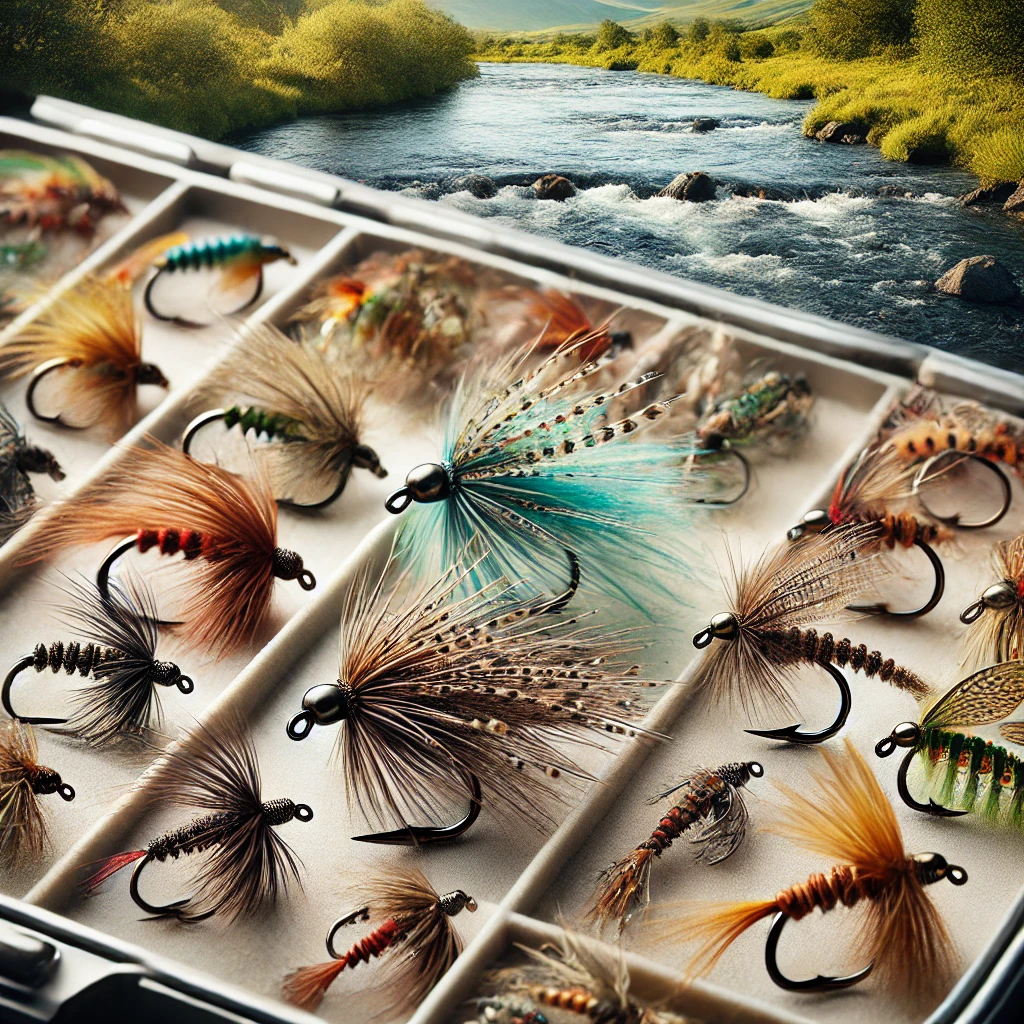
Beads are a versatile and functional addition to any fly tying arsenal. They come in various materials, shapes, and sizes, each serving a specific purpose. The two most common types of beads used in fly tying are glass beads and metal beads, including brass and tungsten beads.
Glass beads are often used for adding subtle shimmer and flash to nymph patterns. They are lighter than metal beads, making them suitable for shallow water and slower currents. On the other hand, metal beads, particularly tungsten beads, are much denser and ideal for getting flies down quickly to deeper water. Brass beads are intermediate in weight between glass and tungsten, offering a balanced option for various conditions.
The finish and color of beads can also play a role in attracting fish. Shiny, reflective beads can mimic the flash of a fish’s natural prey, while matte or painted beads can offer a more subdued, natural look. Experimenting with different bead types and colors can help you determine what works best for your specific fishing situation.

Incorporating Beads into Fly Patterns
Once you’ve selected the appropriate beads for your fly pattern, the next step is incorporating them effectively. The most common method is placing the bead onto the hook before you begin tying the rest of the fly. This ensures the bead is secured firmly in place and won’t move during casting or fishing.
To add a bead, first, slide it onto the hook, then secure it near the hook eye or in the middle of the hook shank, depending on the desired effect. For some patterns, placing the bead at the rear of the hook can create a more streamlined profile and faster sink rate.
Another technique involves adding multiple beads to the fly, either of the same material and size or varying types to achieve a unique look and weight distribution. Be mindful of thread wraps and other tying materials used in conjunction, as they can impact the final appearance and performance of the fly.
Balancing Weight and Movement
Achieving the right balance between weight and movement is critical for effective fly presentation. Too much weight can cause the fly to sink too quickly or unnaturally, while too little weight might not get the fly to the desired depth. The goal is to find the sweet spot where the fly moves naturally in the water, mimicking live prey.
Pay attention to the type of water you are fishing in – fast-flowing streams require heavier flies to maintain depth, while slower waters may benefit from lighter weights that allow for a more delicate presentation. Additionally, consider how the fish species you are targeting typically feed and at what depth they are likely to be found.
Experimenting with different weight setups will help you fine-tune your flies. For example, you can add weight to specific parts of the fly to control its sink rate and orientation. Placing weight closer to the head of the fly can create a jigging action, while spreading weight evenly along the shank can maintain a horizontal presentation.
Advanced Techniques for Adding Weight
If you’re looking to take your fly tying to the next level, consider advanced techniques for adding weight. One method is using lead tape, which can be wrapped around the hook shank to build up weight without bulky wire. Lead tape is flexible and adheres well, allowing for precise weight distribution.
Another advanced technique involves using weighted hooks. These hooks come with built-in weight, typically in the form of a bead or lead-free material. They are designed to streamline the tying process and can be especially useful when crafting patterns that need consistent weight and balance.
For those who enjoy tinkering with different materials, combining multiple weighting methods can yield interesting results. Using bead chains, for example, can add both weight and movement to your flies. The key is to experiment and find the combination that offers the best performance for your fishing style and conditions.
Environmental Considerations
While adding weight and beads to your flies is essential for effective fishing, it’s important to consider the environmental impact of the materials you use. Traditional lead is highly toxic and can have devastating effects on aquatic ecosystems. Many fly tiers have switched to lead-free alternatives such as tungsten and brass to mitigate these risks.
Tungsten is heavier than lead and environmentally friendly, making it an excellent substitute. Although it is more expensive, its increased density means you can use smaller amounts to achieve the same or greater weight. Brass, while not as dense as tungsten, is also a good alternative and offers a range of weights and finishes.
Consider also the quality and durability of the beads and weights you choose. High-quality materials will not only perform better but also last longer, reducing the need for frequent replacements and waste. By making environmentally conscious choices, you can enjoy fly fishing while ensuring the preservation of our natural waterways for future generations.
Conclusion
Incorporating beads and weight into your fly tying is an essential skill for any angler. It allows for greater control over the fly’s presentation and effectiveness, ultimately leading to more successful fishing trips. By understanding the types of beads and weights available and how to balance them correctly, you can create flies that are both beautiful and functional.
Remember, practice and experimentation are key. Don’t be afraid to try different materials and techniques to find what works best for you. Whether you are targeting shallow streams or deep rivers, the right combination of beads and weight can make all the difference. Pay attention to the environmental impact of your choices and opt for lead-free alternatives whenever possible.
With the knowledge and techniques shared in this article, you are well on your way to mastering the use of beads and weight in fly tying. Get out there, start tying, and see how these tips can enhance your fly fishing experience.