Fly fishing is an art, a science, and a passionate pursuit that draws enthusiasts into the world of the aquatic hunt. One of the essential aspects of this sport is the crafting of flies, a practice known as fly tying. Among the myriad details that go into tying an effective fly, selecting the right hook size and type is crucial. It’s a topic that can be both fascinating and bewildering to novice tyers and seasoned anglers alike. In this comprehensive guide, we delve deep into understanding hook sizes and types and the fly tying techniques required to master them.
Introduction: The Importance of Hook Selection in Fly Tying
Hook selection is pivotal when it comes to fly tying. The hook is the foundation upon which the fly is built, and choosing the right size and type determines not only how your fly will look but how it will perform in the water. Whether you’re targeting trout in a crisp mountain stream or pursuing bass in a sprawling river, the nuances of hook size and type can significantly influence your success.
The hook’s primary role is to secure your bait or fly to the fish, but it’s also integral to the presentation of the fly. Different hooks cater to different styles of flies, from delicate dry flies that mimic insects resting on the water’s surface to robust streamers designed to imitate small fish. As you advance in your fly tying journey, you’ll realize that understanding these differences and applying the correct techniques can make a world of difference in your fishing expeditions.
Understanding Hook Sizes
Hook sizes can be perplexing, involving a numerical scale that can seem counterintuitive at first. In general, the sizes range from very large hooks, such as a size 1, to very small hooks, like a size 32. As the numbers ascend, the hooks get smaller. For instance, a size 2 hook is larger than a size 4 hook. There are also options that go into the “aught” sizes, such as 1/0 (read as “one ought”), 2/0, and so forth, which indicate even larger hooks.
It’s essential to choose a hook size that matches the type of fly you’re tying and the behavior of the fish you’re targeting. Larger hooks are suitable for bigger flies and larger fish species, while smaller hooks are used for tinier flies and more delicate presentations. Factors like the fly pattern, the water conditions, and the species of fish you’re after all play roles in the hook size decision.
Types of Hooks and Their Uses
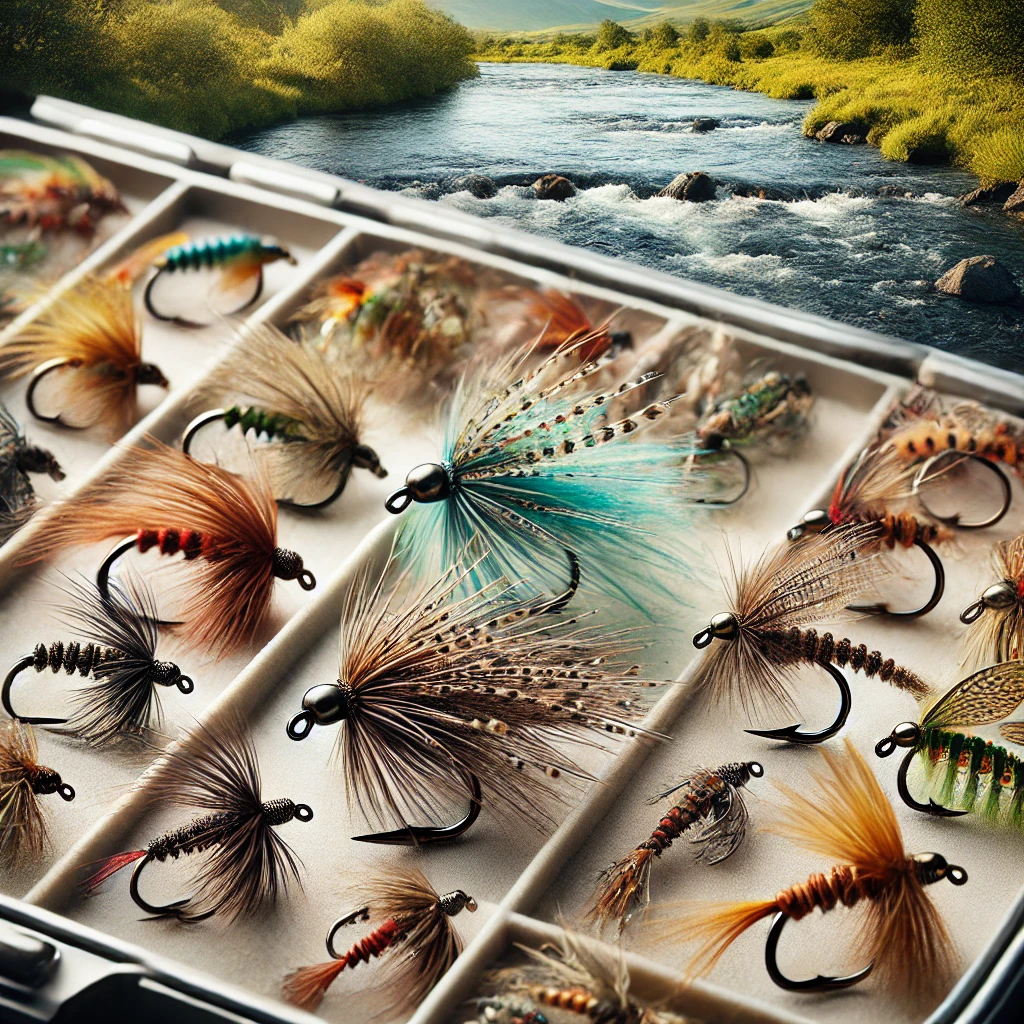
Hooks come in various shapes, each designed for specific fly patterns and fishing techniques. Here are some of the most common types of hooks and their uses:
Dry Fly Hooks
Dry fly hooks are typically lightweight with a fine wire. Their primary purpose is to keep your fly floating delicately on the water’s surface. They often have a straight eye and a standard shank length.
Nymph Hooks
Designed for mimicking aquatic insects in their larval stage, nymph hooks usually have a heavier wire to help the fly sink below the water’s surface. These hooks often feature a slightly curved shank, aiding in the realistic presentation of nymph patterns.
Streamer Hooks
These hooks are built for larger, more robust flies intended to imitate baitfish or other sizeable aquatic organisms. Streamer hooks have a long shank, can bear heavier wires, and often come with a downturned eye to assist in an enticing swimming motion.
Specialty Hooks
Various other hook types cater to particular needs, such as those for tying terrestrials, emergers, and scud patterns. Each of these hooks is engineered with a specific shape and weight to optimize the fly’s performance in relation to the behavior of specific insect types or presentations.
Fly Tying Techniques for Various Hook Types
With an understanding of the different hook types, it’s essential to know how to tie flies onto these hooks properly. Here are some basic techniques: Basic Dry Fly Tying
When tying a dry fly, focus on keeping the materials light and buoyant. Start by securing the hook in your vise and attaching the thread near the hook eye. Carefully add your tail material, ensuring it is proportional. Bind in the body materials, such as dubbing or hackle, and finish by securing the hackle to create a lifelike presentation of a floating insect.
Nymph Tying Techniques
For nymphs, you’ll want to use weighted materials, such as lead wire or bead heads, to help the fly sink. Attach the hook to the vise and start your thread near the hook bend. Secure the tail, followed by the body materials, such as dubbing or tinsel. Add the ribbing and thorax materials to create the segmentations typical of nymphs, and finish with a weighted head if necessary.
Creating Streamers
Streamers often involve more robust materials like feathers, fur, and synthetic fibers to mimic the bulk of baitfish. Begin by attaching your hook to the vise and securing your thread near the hook bend. Add the tail and body materials layer by layer, ensuring a smooth taper. Incorporate the wing and then complete the fly with a secure whip finish.
Tips for Choosing the Right Hooks
With so many options, selecting the right hook can be daunting. Here are some tips to guide your choices: Match the Hatch
Understanding the type of insects or baitfish present in the waters you’re fishing is crucial. This knowledge helps you select hooks that match the size and type of the natural prey in the fish’s environment.
Consider the Water
Clear waters call for smaller, more realistic flies, while murkier waters might require bigger, more noticeable patterns. Adjust your hook size and pattern accordingly.
Account for Fishing Technique
Different fishing methods, like dry fly fishing versus nymphing, require different hook types and sizes. Tailor your hook choice to your preferred technique.
Quality Matters
Invest in quality hooks from reputable brands. Cheap, poorly-manufactured hooks can cost you fish and tie poorly, ultimately impairing your fly’s performance.
Advanced Considerations for Fly Tying Hooks
As your skills advance, your understanding of hooks will grow more nuanced. Here are a few advanced considerations: Hook Gape and Throat
The gape is the distance between the hook point and the shank, and the throat is the distance from the point to the hook bend. Both play a role in how well a hook will hold a fish once bitten. Larger gapes are better for larger fish or big-bodied prey, while smaller gapes may be best for subtle presentations.
Hook Point
Today’s hooks come with a variety of points. Chemically-sharpened points are extremely sharp right out of the package, but barbless points are considered more humane and are easier to extract, which is helpful for catch-and-release fishing.
Material and Coating
Stainless steel, carbon steel, and other alloys are used in hook manufacturing. Coatings can include enamel, nickel, or other rust-resistant layers. Choose based on your fishing environment and the potential for corrosion.
Conclusion: Mastering Hook Choices for Better Fly Tying
Mastering the art of fly tying involves a deep understanding of hook sizes and types, coupled with the right techniques for each. By paying attention to the details, such as the hook’s size, type, and materials, you enhance your ability to create effective flies that can perform under various conditions. From the delicate presentation required by dry flies to the robust construction of streamers, each hook type plays a specific role in your fly fishing success.
Investing time in studying these aspects not only improves your fly tying skills but also builds your understanding of the aquatic world, broadening your appreciation for this beloved sport. Whether you’re a novice tyer or an experienced angler, understanding hook sizes and types will elevate your fly fishing adventures, leading to more rewarding and successful experiences on the water.