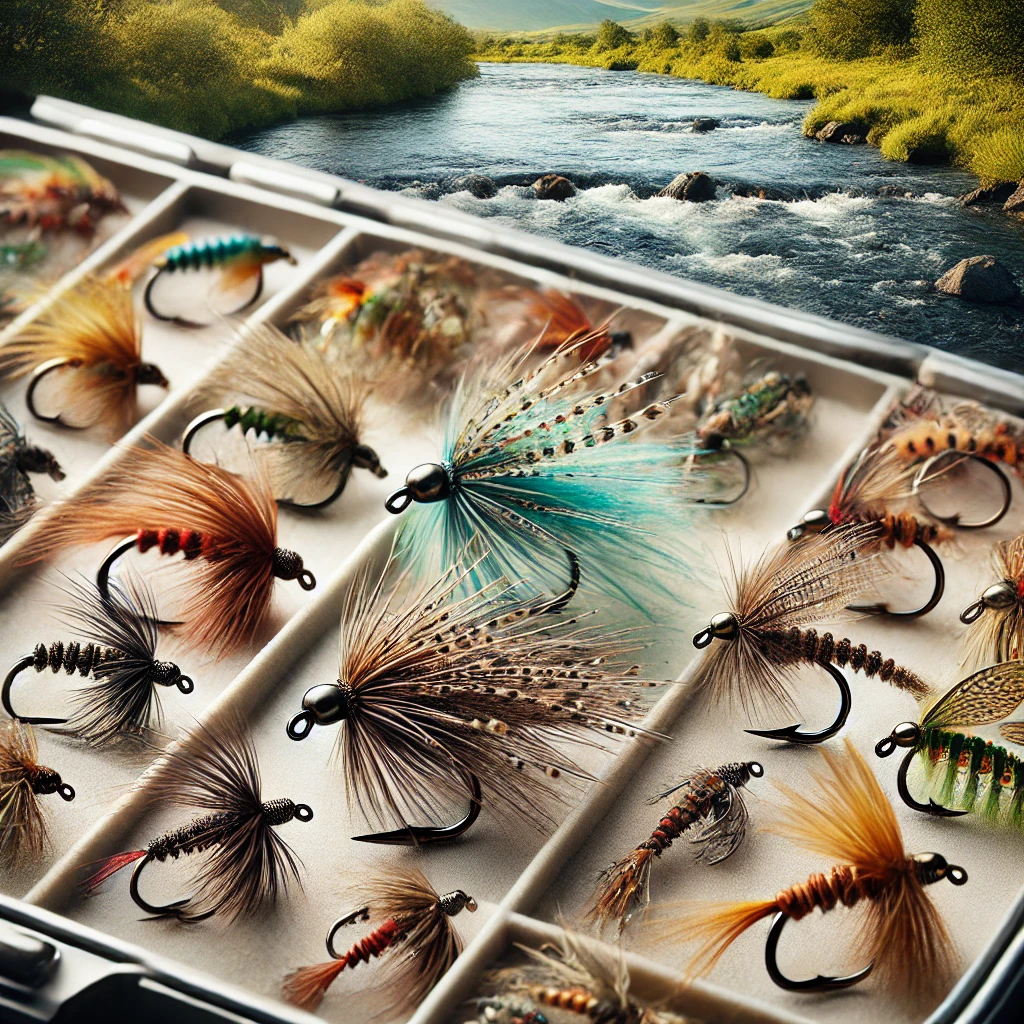
One of the most enthralling aspects of fly fishing is the art of tying wet flies. This time-honored tradition not only connects you to the heritage of the sport but also enhances your fishing experience by allowing you to craft custom patterns tailored to your target species and local water conditions. Tying wet flies involves special techniques that require patience, practice, and precision. Mastering these techniques can mean the difference between a successful fishing trip and an uneventful day on the water. Whether you’re a seasoned angler looking to refine your skills or a beginner eager to dive into the world of fly tying, understanding the intricacies of wet fly patterns is crucial.
Wet flies are designed to be fished under the water surface, mimicking drowned insects, nymphal stages of aquatic insects, or small baitfish. They come in various styles, each tailored to specific fishing conditions and fish behaviors. These flies are crafted using materials that simulate the natural movement and appearance of these underwater prey, making them irresistible to fish. While dry flies may be the more glamorous stars of the fly fishing world, wet flies often prove to be even more effective in enticing strikes, especially in deeper or faster-moving waters.
In this article, we will delve into the essential techniques for tying wet flies successfully. We’ll explore everything from selecting the right materials and understanding hook sizes to mastering key tying techniques and tips for perfecting your flies. Follow these detailed steps and expert advice to elevate your fly tying game and enhance your chances of reeling in more fish on your next outing.
Selecting the Right Materials
The foundation of any successful wet fly is using the right materials. Traditional wet flies often include materials such as feathers, fur, and tinsel. Modern innovations also feature synthetic materials designed for durability and specific performance characteristics. Selecting the right materials starts with understanding their purpose and how they interact with water. For example, natural feathers and fur offer lifelike movement, while synthetic fibers provide strength and resilience.
Start with high-quality hooks specifically designed for wet flies. These hooks typically feature a curved shank, which helps in creating more natural-looking patterns. Size is another critical factor; smaller hooks are suitable for delicate patterns like nymphs, while larger hooks are ideal for imitating baitfish or larger aquatic creatures.
Thread is another crucial material in fly tying. Choose a strong, fine thread that can withstand multiple wraps without breaking or adding unnecessary bulk. Popular choices include 8/0 or 6/0 threads, depending on the size of the fly. Scissors, bobbins, hackle pliers, and whip finish tools are essential tools for handling and securing materials carefully.
Feathers from birds like ducks (especially CDC—Cul de Canard feathers), pheasants, and peacocks bring lifelike motion to your wet flies. These natural materials absorb water and move naturally under the surface, mimicking the movement of real insects. Synthetics like Flashabou or Krystal Flash add a bit of shimmer and attractiveness, mimicking the iridescence often seen in aquatic creatures. Combining these materials properly can make your wet flies more appealing to fish.
Understanding Hook Sizes and Shapes
Choosing the right hook size and shape is critical for achieving the desired appearance and functionality of your wet flies. Hooks come in various sizes and shapes, each suited to different types of flies and fishing techniques. Understanding hook sizes and their corresponding applications can help you create more effective wet fly patterns.
The size of the hook is typically indicated by a number, with larger numbers representing smaller hooks. Wet fly hooks generally range from size 8 to size 18, with size 12 being a versatile choice for many different patterns. Larger hooks, such as size 8 or 10, are ideal for imitating larger prey like baitfish, while smaller hooks, like size 16 or 18, are better suited for replicating nymphs and smaller insects.
The shape of the hook is equally important. Wet fly hooks often have a slightly curved shank, which gives the fly a more natural appearance. This curvature also helps in maintaining the proper orientation of the fly underwater. Some hooks feature a barbless design, which can be advantageous for catch-and-release fishing, as it minimizes injury to the fish.
It’s also important to consider the gape, or the distance between the hook point and the shank. A wider gape increases the likelihood of a solid hook set, especially with larger fish. By understanding the nuances of hook sizes and shapes, you can select the most appropriate hook for your wet fly pattern and improve your chances of success on the water.

Mastering Basic Tying Techniques
Mastering the basic tying techniques is essential for creating durable and effective wet flies. These techniques include tying on the thread, creating a secure base, attaching materials, and finishing the fly with a whip finish or half hitch. Practicing these steps until they become second nature will significantly improve the quality of your wet flies.
Begin by securing the hook in your vise, ensuring it is held firmly in place. Start the thread at the hook’s eye and wrap it down to the bend, creating a smooth, even base layer. This provides a foundation for attaching other materials and ensures they stay in place during fishing.
Next, attach the tail material, typically made from natural feathers or synthetic fibers. Measure the tail length to be approximately the same as the hook shank, and secure it with tight wraps of thread. Ensure the tail is centered on the hook to maintain balance and symmetry in the fly.
For the body, use materials such as dubbing, floss, or tinsel to create the desired shape and texture. Dubbing involves twisting fine fibers around the thread to build up the body, while floss and tinsel can be wrapped around the shank to create a sleek, shiny appearance. To add a ribbed effect, counter-wrap a thin wire or tinsel over the body material, which adds durability and realism.
Finally, create the wing and hackle. Secure the wing material on top of the hook, ensuring it extends slightly beyond the tail. For the hackle, select a suitable feather and wrap it around the hook shank, creating a collar effect. Use hackle pliers to ensure even wraps and secure the feather’s stem with thread.
Advanced Techniques for Intricate Patterns
Once you have mastered the basics, you can explore advanced techniques to create more intricate and lifelike wet fly patterns. These techniques involve blending materials, using multiple hackles, and incorporating unique details that make your flies stand out.
Blending materials can enhance the fly’s appearance and movement in the water. For example, combining natural fur dubbing with synthetic fibers creates a more dynamic and realistic body. Experiment with different material combinations to achieve the desired effect.
Using multiple hackles can add depth and complexity to your wet flies. Select feathers of varying sizes and colors to create layered hackles that mimic the natural segmentation of insects. Start with a smaller hackle at the rear and progress to larger hackles toward the front, ensuring even spacing and secure wraps.
Incorporating unique details, such as eyes or legs, can make your flies more attractive to fish. Bead eyes or jungle cock eyes can be added to create a more realistic appearance, while rubber legs or synthetic fibers can mimic the movement of appendages. These details require careful placement and secure tying to ensure they remain intact during fishing.
Advanced techniques also involve experimenting with different tying methods and variations of traditional patterns. For example, try tying soft hackle wet flies with different feather types or creating articulated streamers with multiple hook sections. These innovative approaches can result in flies that are highly effective and truly unique.
Common Mistakes and How to Avoid Them
Tying wet flies requires precision and attention to detail. However, even experienced fly tiers can make common mistakes. Identifying and avoiding these errors will help you create more effective and durable flies.
One common mistake is using too much material, which can result in bulky flies that do not imitate natural prey effectively. To avoid this, use sparing amounts of dubbing, hackle, and other materials. Remember that less is often more when it comes to fly tying.
Another mistake is uneven wrapping of thread and materials. Uneven wraps can weaken the fly and cause materials to come loose. Practice making smooth, even wraps with consistent tension to ensure a secure and balanced fly.
Failing to secure materials properly is another common issue. Ensure that each material is tied in securely with multiple wraps of thread. Use head cement or super glue to reinforce the fly’s head and other critical points, increasing its durability.
Overlooking the importance of proportion and symmetry can also impact the effectiveness of your wet flies. Pay close attention to the proportions of the tail, body, wing, and hackle, ensuring they are balanced and symmetrical. This will result in flies that look more lifelike and perform better underwater.
Troubleshooting and Tips for Perfection
Even with careful attention to detail, you may encounter challenges while tying wet flies. Troubleshooting common issues and refining your techniques will help you achieve perfection in your fly patterns.
If you find that your flies are not performing as expected, consider the following tips:
- Evaluate Material Selection: Ensure you are using the right materials for the specific pattern. Experiment with different materials to achieve the desired effect.
- Check Proportions: Verify that the proportions of your flies are accurate. Pay close attention to the length of the tail, the thickness of the body, and the placement of the wing and hackle.
- Adjust Hook Size: Changing the hook size can significantly impact the fly’s performance. Experiment with different hook sizes to achieve the right balance and presentation.
- Improve Tying Technique: Practice makes perfect. Regularly practicing your tying techniques will enhance your skill and consistency, resulting in better-quality flies.
- Seek Feedback: Join fly tying communities or seek feedback from experienced anglers. They can provide valuable insights and suggestions to improve your fly patterns.
By applying these tips and troubleshooting common issues, you can refine your fly tying skills and create wet flies that are highly effective and visually appealing.
Conclusion
Tying wet flies is a rewarding and creative aspect of fly fishing that allows you to connect with the sport on a deeper level. By understanding the fundamentals of material selection, hook sizes, basic and advanced tying techniques, and avoiding common mistakes, you can elevate your fly tying game and improve your success on the water.
Wet flies are incredibly versatile and effective at imitating various underwater prey, making them an essential part of any angler’s arsenal. Whether you are targeting trout in a fast-flowing river or bass in a calm lake, well-tied wet flies can make all the difference in attracting and hooking fish.
Remember that practice and patience are key to mastering the art of tying wet flies. Each fly you tie is an opportunity to learn and improve, and the satisfaction of catching fish with your handcrafted creations is unmatched. So, gather your materials, set up your vise, and start tying wet flies with the techniques and tips shared in this article.
With dedication and attention to detail, you can create wet flies that not only look stunning but also perform exceptionally well in various fishing conditions. Embrace the artistry of fly tying and enjoy the thrill of successful fishing trips with your custom-crafted wet flies.