Fly fishing is an art form that melds skill, patience, and a deep connection to nature. Among the profusion of fly patterns, tube flies offer unique advantages, from versatility to durability. Tube flies are flies tied on a tube rather than a hook shank, allowing anglers to use them with different hook sizes and types. This innovation has increased their popularity, especially for salmon and steelhead fishing. Whether you’re a seasoned fly tier or a beginner, mastering the art of tying tube flies can elevate your angling game significantly. In this article, we will delve into essential techniques and provide practical tips to help you get started with tying tube flies. By the end, you will have a clear understanding of the process, tools, and materials required to tie compelling tube flies.
Tools and Materials
Before you start tying tube flies, gathering the right tools and materials is crucial. The basics include:
- Tube Fly Vise or Adapter: A tube fly vise or an adapter for your regular vise is the foundation. These tools hold the tubes securely, allowing precision in tying.
- Tubes: Available in various materials such as plastic, aluminum, copper, or brass. The choice depends on desired weight and water conditions.
- Thread: Usually a 6/0 thread for most tube flies.
- Hooks: Unlike traditional flies, the hooks are separate and can be single, double, or treble hooks depending on the targeted fish.
- Feathers, Hair, and Synthetics: Used for creating the body, wing, and tail of the fly. Popular materials include marabou, bucktail, and synthetic fibers.
- Other materials: Eyes, flash material, ribbing, and dubbing to add attraction.
Having the right tools and materials is imperative for tying effective tube flies. Each component plays a critical role in how the final fly performs in the water.
Choosing the Right Tubes
Choosing the right tubes is the first step in creating effective tube flies. Tubes come in a variety of materials, each offering different advantages. Plastic tubes are light and buoyant, ideal for flies that need to stay near the surface. Metal tubes such as aluminum, copper, and brass add weight, helping your fly sink deeper into the water column.
Factors to consider when choosing tubes:
- Water conditions: Clear, slow-moving waters may require lighter tubes, while fast, turbulent waters may benefit from the added weight of metal tubes.
- Target species: Different fish species have different feeding levels. Understanding the habits and preferred feeding zones of your target species guides your choice.
- Fly size: Larger flies may require sturdier, heavier tubes to maintain balance and sink rate.
Selecting the right tubes is essential for ensuring your tube flies are suitable for your specific fishing situations. This consideration significantly impacts your fly’s effectiveness in enticing and hooking fish.
Step-by-Step Tube Fly Tying Techniques
Tying tube flies might appear daunting initially, but breaking it down into steps can simplify the process. Here’s a step-by-step guide:
- Prepare the tube: Cut the tube to the desired length. Use a tube fly vise or adapter to hold it securely.
- Attach the thread: Start the thread at one end of the tube and wrap it evenly to form the base for other materials.
- Add the body: Select your material (dubbing, feathers, or synthetics). Wrap it around the tube, ensuring an even and secure application.
- Attach the wing: Layer the chosen wing materials on top of the body. This can be natural fibers like bucktail or synthetic materials.
- Secure the materials: Use thread to lock everything in place, ensuring tight, secure wraps to avoid unraveling.
- Create a head: Form a neat head with thread, then finish with whip finishes or a half-hitch knot to secure it. Optionally, apply varnish or head cement for durability.
These steps provide a foundation for tying most tube flies. With practice, you can adapt and add creativity to your patterns.
Common Tube Fly Patterns
Several tube fly patterns have gained acclaim for their effectiveness. Here are a few beginner-friendly patterns to try:
- Tube Fly Woolly Bugger: A versatile pattern mimicking many aquatic creatures. Use marabou for the tail and chenille for the body.
- Intruder Tube Fly: Effective for steelhead and salmon. Use environmentally friendly materials for the body, like synthetic fibers. Add silicone legs for extra attraction.
- Sunray Shadow Tube Fly: A classic Atlantic salmon fly with a long wing. Use materials like black and silver flash and long, flowing hair.
- Tippet Shrimp Tube Fly: Popular for Atlantic salmon. Simulates a shrimp with orange and yellow materials and long fibers.
These patterns offer a starting point, but feel free to experiment with different materials and sizes to find the most effective variations for your fishing adventures.
Advanced Tube Fly Techniques
Once you’ve mastered basic tube fly tying, you may want to explore advanced techniques to add complexity and effectiveness to your flies:
- Double Layer Tubes: Combine two tubes to create a segmented body fly. This adds volume and complexity.
- Multi-material Wings: Use a mix of natural and synthetic materials in the wings for added movement and flash.
- Ribbing: Add ribbing with tinsel or wire to create segmentation and enhance durability.
- Weight Adjustments: Include metal beads or cones to adjust sinking rates and presentation depth.
- Intricate Tails: Integrate multiple colors and textures in the tail to mimic the natural prey effectively.
Experimenting with these advanced techniques lets you create custom flies tailored to specific fishing conditions and species.
Care and Storage of Tube Flies
Caring for and storing your tube flies properly ensures they remain effective and last longer. Here are a few tips:
- Drying: After use, rinse your flies in freshwater and let them dry completely to prevent mold and rust.
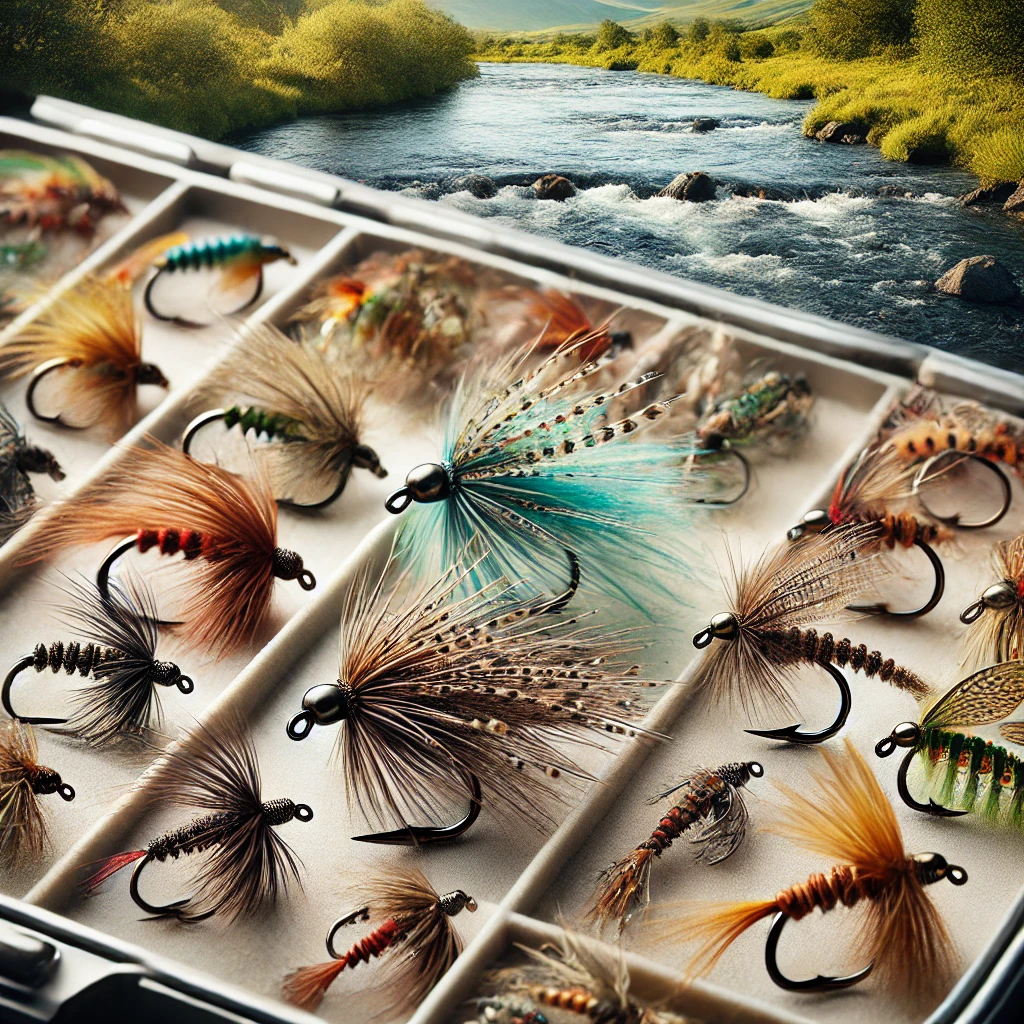
- Storage: Store your tube flies in a dry, cool place. Use fly boxes with individual compartments to prevent tangling.
- Maintenance: Check your flies regularly for wear and tear. Replace or repair damaged materials to maintain effectiveness.
- Hook Management: Keep hooks separately and attach them only when you’re ready to fish. This prevents unnecessary rusting and dulling.
Proper care and storage of your tube flies safeguard your investment in materials and time, keeping them ready for your next fishing adventure.
Conclusion
Tying tube flies is a rewarding skill that enhances your fly fishing experience and success. The versatility and durability of tube flies make them a valuable addition to any angler’s arsenal. By carefully selecting your tools and materials, mastering essential techniques, and experimenting with advanced methods, you can create an impressive array of tube flies tailored to your fishing needs. Practicing these techniques will increase your confidence and capability in tying tube flies, leading to more efficient and enjoyable fishing trips. We hope this guide has provided helpful insights and practical advice to get you started on your journey into the fascinating world of tube flies.