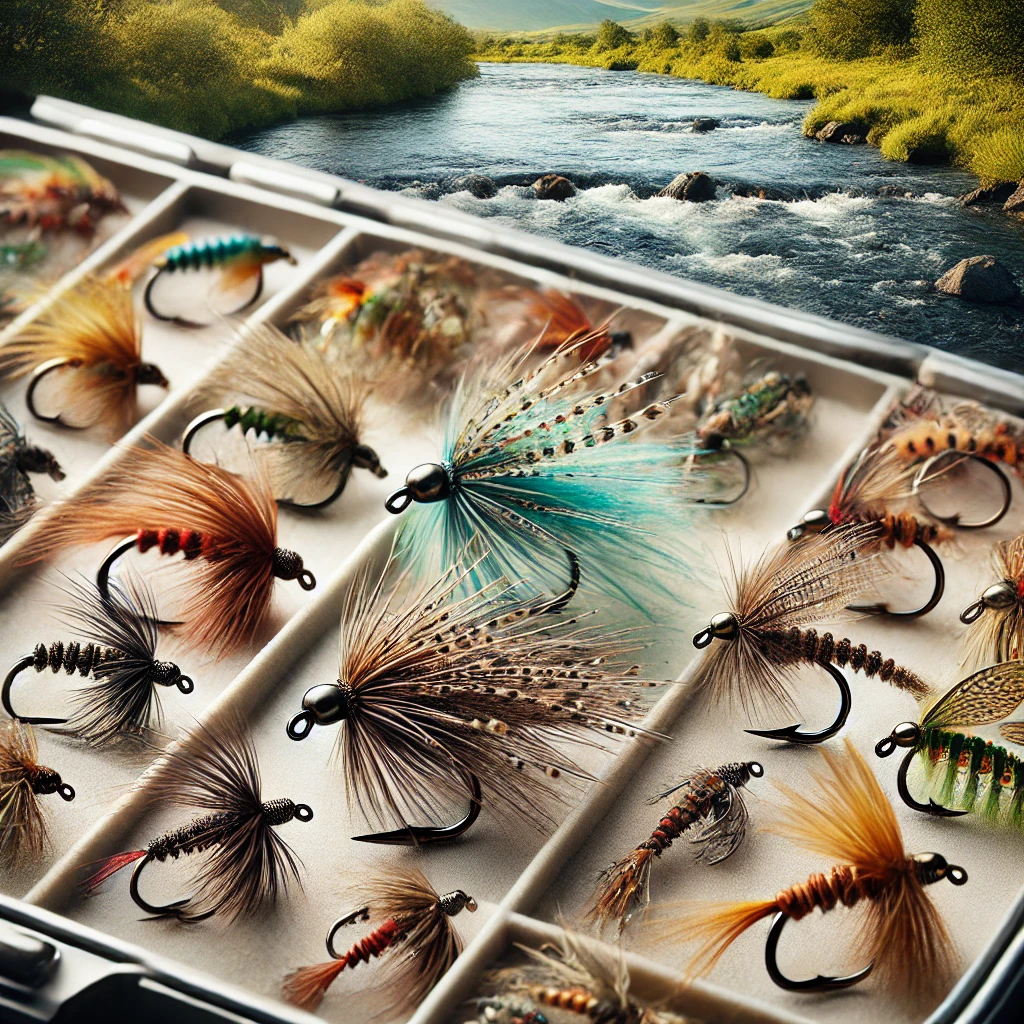
Fly fishing is a time-honored art, and one of its most important aspects is understanding the behavior of flies in different water conditions. Achieving the perfect fly that mimics the natural movement of insects is essential to entice fish. An often overlooked but critical factor in fly fishing is adding weight to your flies. This weight can be achieved using beads and other materials to ensure your fly reaches the desired depth and exhibits the right action underwater. In this article, we’ll explore the significance of beads and weight, the various materials and tools required, and tips for adding depth to your flies effectively. The depth at which your fly travels can make a significant difference in your fishing success. Fish often feed at specific depths, and without the proper weight, your fly might not reach the strike zone. Beads and other weighted materials help sink the fly quickly and maintain the appropriate depth. Moreover, adding weight can increase the fly’s effectiveness by providing a more natural drift and movement. This, in turn, can make your fishing more productive and fulfilling. For beginners, understanding the types and uses of different beads and weights can be overwhelming. However, with a little guidance, anyone can master this aspect of fly fishing. From tungsten beads to lead wire, there are various materials available that cater to different fishing situations. We’ll cover the essential materials and tools you need, the process of tying weighted flies, and how to choose the appropriate beads and weights for your specific fishing scenarios. By the end of this article, you’ll have a solid grasp on how to incorporate beads and weight into your flies to up your fly fishing game.
Types of Beads and Their Benefits
When it comes to adding weight to your flies, beads are one of the most popular and effective methods. Beads come in various materials, sizes, and colors, each having unique benefits depending on your fishing needs. Here, we’ll discuss several types of beads commonly used in fly tying: Tungsten Beads: Tungsten beads are a favorite among fly fishermen due to their high density. They sink faster than other types of beads, making them ideal for fishing in deep waters or fast currents. Tungsten beads are also durable and come in a variety of colors to match different insect features, adding an extra visual allure to your fly. Brass Beads: Brass beads are another popular choice, offering good weight at a lower cost compared to tungsten. These beads are less dense, which means they sink slower, making them suitable for fishing in shallow waters or calmer conditions. Brass beads also come in numerous colors and finishes, giving you flexibility in fly design. Glass Beads: While not as heavy as tungsten or brass, glass beads add a unique blend of weight and sparkle to your flies. They are perfect for patterns that require a bit of flash to attract fish. Glass beads tend to be used in nymphs and emergers, where a subtle yet eye-catching element can make all the difference. Plastic Beads: Plastic beads are the lightest of all and are rarely used for adding weight. However, they can be beneficial when you’re looking to add a slight amount of weight or create a specific look. Plastic beads are usually used in combination with other weighted materials. Each type of bead offers distinct advantages, and the choice often comes down to the specific fishing scenario and personal preference. When selecting beads, consider the water conditions, the type of fly you’re tying, and the target species. Utilizing the right bead can significantly impact the effectiveness of your fly, making your fishing excursions more successful.
Essential Tools for Tying Weighted Flies
To get started with tying weighted flies, you’ll need a specific set of tools that make the process easier and more efficient. Here are some essential tools to have in your fly tying arsenal: Fly Tying Vise: A fly tying vise is crucial as it securely holds the hook in place while you tie your fly. A vise with a rotary feature can be advantageous as it allows you to rotate the fly and tie from different angles without removing the hook. Bobbin Holder: The bobbin holder is used to hold and dispense thread while tying your fly. It keeps the thread tension consistent and allows for better control, ensuring a neat and tidy finish. Hackle Pliers: These are used to grip and wrap delicate materials like feathers and hackles around the hook shank. They provide a better hold and make the wrapping process more efficient. Bead Tweezers: Bead tweezers are designed to handle small beads easily. Their fine tips allow you to pick up and position beads accurately on your hook, which is essential for maintaining the balance and effectiveness of the fly. Bodkin Needle: A bodkin needle is a sharp tool used for various purposes, such as applying head cement or teasing out dubbing to create a more natural appearance. It can also be used to clear any blocked hook eyes caused by adhesive. Whip Finisher: A whip finisher is used to tie off the thread securely at the end of the tying process. It’s essential for ensuring that your fly stays intact during casting and fishing. Head Cement: This adhesive helps secure the final knot and any loose materials. It enhances the fly’s durability, making it more resistant to wear and tear in the water. Having these tools on hand will streamline the process of tying weighted flies, allowing you to fokus more on creativity and technique. Each tool serves a specific purpose in ensuring your flies are well-crafted and effective for fishing. Investing in quality tools can save you time and frustration in the long run, making your fly tying experience more enjoyable and productive.

Step-by-Step Guide to Tying Weighted Flies
Tying weighted flies might seem challenging at first, but with a bit of practice and the right technique, it becomes second nature. Here’s a step-by-step guide to tying effective weighted flies: Step 1: Select the Hook and Bead Choose a hook size and bead appropriate for the type of fly you’re tying and the fishing conditions you’ll encounter. Slide the bead onto the hook, ensuring it rests securely at the hook’s front. Step 2: Secure the Hook in the Vise Place the hook in your fly tying vise, making sure it’s firmly locked in place. The bead should be positioned near the hook eye. Step 3: Start the Thread Begin by wrapping the thread around the hook shank behind the bead. Make several wraps to secure the thread, and then continue wrapping towards the bend of the hook. Step 4: Add Lead Wire (Optional) If additional weight is desired, wrap lead wire around the hook shank behind the bead. Ensure the wraps are tight and uniform, then secure the wire with thread wraps. Step 5: Tie in the Tail and Body Materials Attach the tail materials just above the hook bend. Continue by adding the body materials, such as dubbing, feathers, or synthetics, depending on the fly pattern you’re creating. Step 6: Build the Fly’s Body Use your chosen materials to construct the fly’s body. Keep the wraps neat and even to create a streamlined profile. This is where your bobbin holder and hackle pliers come in handy. Step 7: Wrap the Hackle and Finish the Fly Wrap the hackle around the hook shank, ensuring the fibers are evenly distributed. Secure the hackle with thread wraps and trim any excess. Use the whip finisher to tie off the thread and secure it with head cement. Step 8: Final Inspection Inspect your fly for any loose materials or uneven wraps. Adjust if necessary, and ensure the bead is still positioned correctly. A well-tied fly should exhibit a balanced, natural look in the water. Practice these steps to gain confidence and proficiency in tying weighted flies. Experiment with different bead types, colors, and materials to discover what works best for different fishing scenarios. Tying weighted flies not only boosts your chances of a successful catch but also adds an enjoyable and creative dimension to your fly fishing experience.
Types of Weight Materials and Their Uses
In addition to beads, there are various other materials you can use to add weight to your flies. Each material offers distinct advantages, and knowing when and how to use them can enhance the effectiveness of your flies. Here are some common weight materials and their uses: Lead Wire: Lead wire is a versatile and popular choice for adding substantial weight to flies. It comes in different diameters, allowing you to customize the weight according to your needs. Lead wire can be wrapped around the hook shank or integrated into the body construction to achieve the desired sink rate. Lead Tape: Similar to lead wire, lead tape is a flat, adhesive-backed strip that can be wrapped around the hook shank. It’s particularly useful for adding weight to larger flies, such as streamers and saltwater patterns. Lead tape provides a more streamlined profile compared to lead wire. Non-Toxic Wire: For those who prefer an eco-friendly alternative to lead, non-toxic wire made from materials like copper, brass, or tungsten is a great option. Non-toxic wire offers similar benefits in terms of adding weight and can be used in the same manner as lead wire. Bead Heads: Bead heads, particularly tungsten and brass beads, are integrated into the fly’s design to add weight. They also provide an element of attraction due to their color and shine. Bead heads are ideal for nymphs, wet flies, and certain streamer patterns. Dumbbell Eyes: Commonly used in streamer patterns and saltwater flies, dumbbell eyes are metal weights shaped like tiny barbells. They not only add weight but also create a jigging action that can be very appealing to predatory fish. Dumbbell eyes come in various sizes and finishes. Weighted Fly Bodies: Some flies incorporate pre-weighted bodies or heads, which are molded from materials like lead or tungsten. These pre-formed weights simplify the tying process and ensure consistent weight distribution, making them ideal for mass-producing effective fly patterns. Split Shot: While not integrated into the fly itself, split shot weights can be added to the leader or tippet to help sink the fly. Split shots are removable and adjustable, offering flexibility to adapt to changing water conditions. The choice of weight material depends on the type of fly, the fishing conditions, and personal preference. Experimenting with different materials allows you to fine-tune your flies for various situations, ultimately improving your chances of success on the water.
Conclusion: Summary and Final Tips
Adding weight to your flies is a crucial aspect of fly tying that can significantly enhance your fishing success. By using various types of beads and weight materials, you can tailor your flies to achieve the perfect depth and natural movement in the water. Understanding the different options available and how to use them enables you to create highly effective flies that will attract more fish. Tungsten, brass, glass, and plastic beads each have unique benefits and applications. Tungsten beads offer the highest density for fast-sinking flies, while brass beads provide a more cost-effective alternative for shallower waters. Glass beads add a touch of sparkle, making them ideal for nymphs and emergers, whereas plastic beads can be used for subtle weight adjustments. Essential tools like fly tying vises, bobbin holders, hackle pliers, bead tweezers, bodkin needles, whip finishers, and head cement are indispensable for tying weighted flies. These tools make the process more manageable and help ensure your flies are well-crafted and durable. Following a step-by-step guide to tying weighted flies, from selecting the hook and bead to adding finishing touches with head cement, can help you create effective, balanced flies. Practice and experimentation with different materials and techniques will lead to improved skills and greater success on the water. In addition to beads, materials like lead wire, lead tape, non-toxic wire, dumbbell eyes, weighted fly bodies, and split shot allow you to add weight creatively and effectively. Each weight material serves a specific purpose and can be used to enhance various fly patterns, depending on the target species and fishing conditions. To summarize, adding weight to your flies using beads and other materials is crucial to achieving the desired depth and action. With the right tools, techniques, and materials, you can create flies that not only attract fish but also withstand the rigors of fishing. Whether you’re a beginner or an experienced fly tyer, mastering the art of adding weight to your flies will significantly enhance your fly fishing experience and success rate. Remember to experiment with different combinations, pay attention to the details, and keep refining your techniques. Fly tying is a continuous learning process, and with each new fly, you’ll gain more insights and skills. So, get out your tools, select your materials, and start tying those weighted flies. Tight lines and happy fishing!