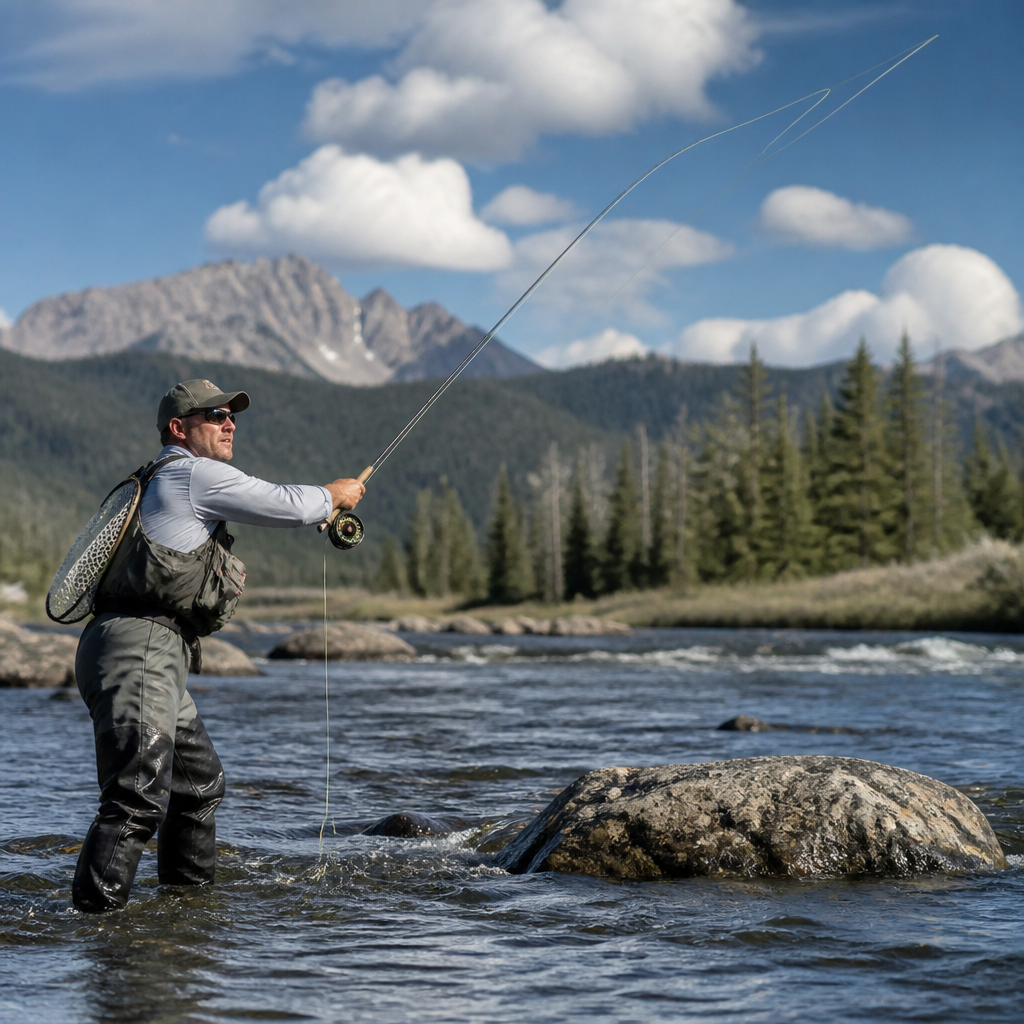
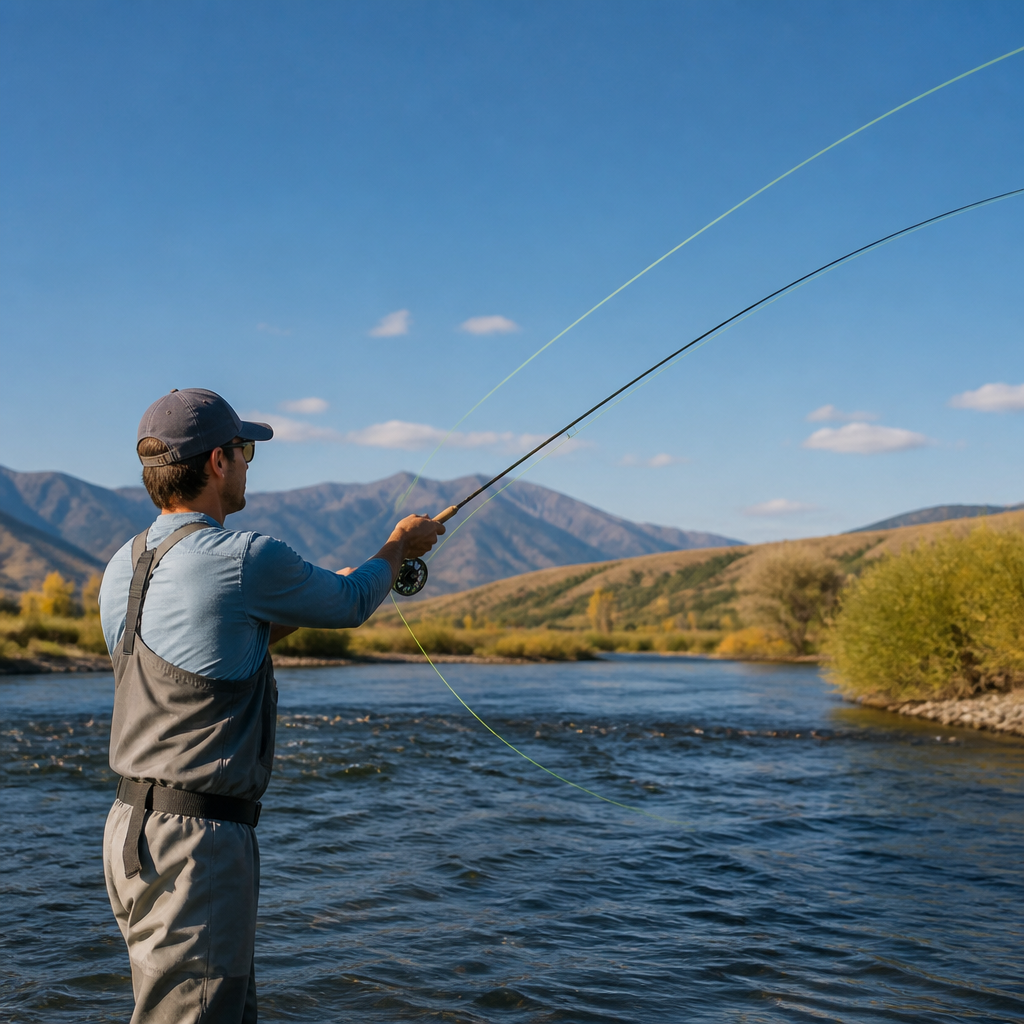
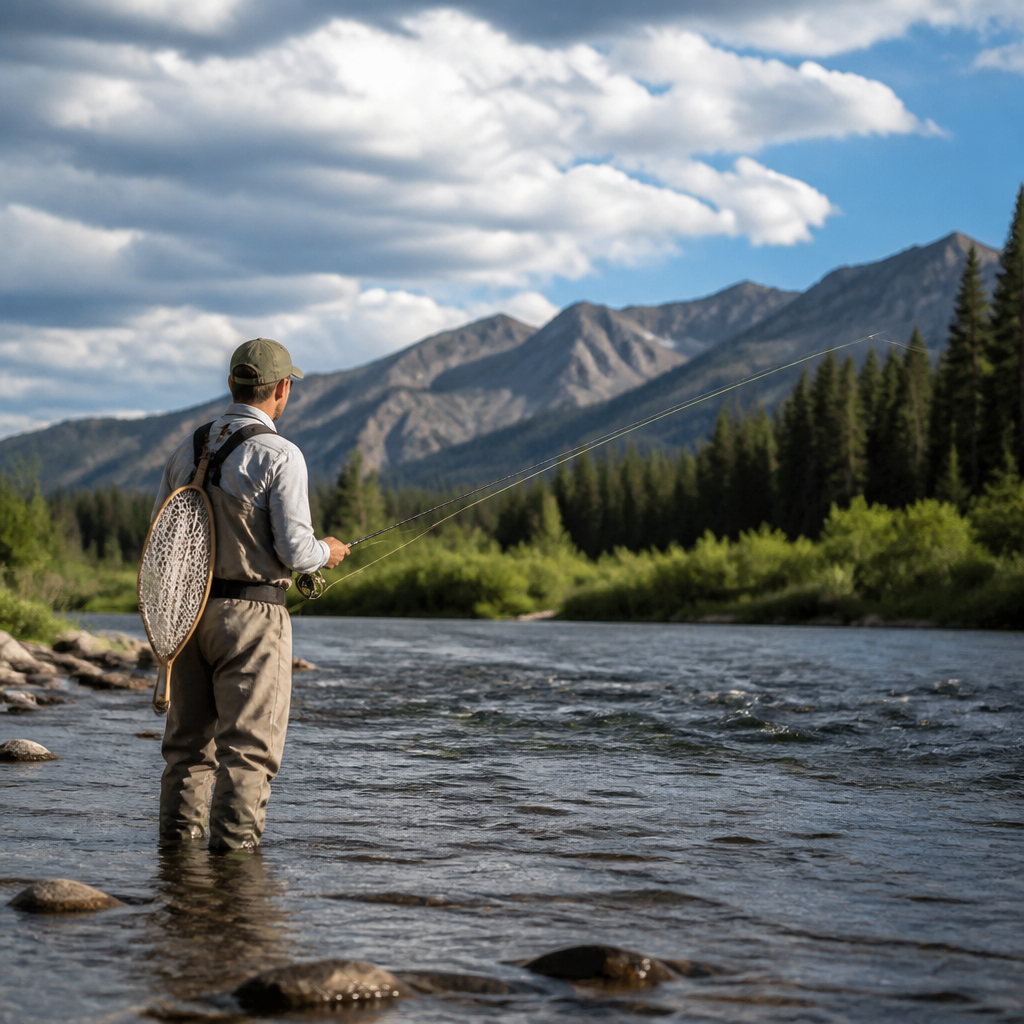
Using emerger patterns to match the hatch is one of the most reliable ways to turn uncertain trout rises into deliberate, repeatable catches. Match the hatch means selecting a fly that imitates the life stage, size, profile, color, and behavior of the insects fish are feeding on at that moment. An emerger is a fly pattern designed to imitate an aquatic insect transitioning from nymph or pupa to winged adult, often trapped in or just below the surface film. In decades of trout fishing and guiding, I have seen more fish refuse perfect-looking dry flies than softly presented emergers, because many trout feed most confidently on vulnerable insects that cannot escape quickly.
This matters because insect emergence is where biology and feeding efficiency meet. Mayflies, caddisflies, midges, and some stoneflies become concentrated, exposed, and easy prey during emergence, so trout often key on that stage instead of duns, spinners, or deep nymphs. Anglers who only carry adult dries miss fish that are visibly rising but refusing every offering. Anglers who understand emerger patterns read the water better, identify feeding lanes faster, and make fly changes based on evidence rather than habit. As a hub within techniques and strategies, this guide explains what an emerger represents, when trout prefer it, how to choose one, and how to fish it across common hatch situations.
Why trout prefer emergers during a hatch
Trout are energy economists. During a hatch, they often choose the food form that offers the highest caloric return for the lowest effort and risk. Emergers fit that equation. A mayfly dun floating high and clean can depart in seconds, but a nymph struggling through the meniscus may hang in the film for much longer. A caddis pupa rockets upward, then pauses while the adult breaks free. Midges collect in clusters just under the surface. All of those insects are trapped, exposed, and weak. Trout learn that this stage is easier to intercept than either bottom-drifting nymphs or fully formed adults.
The surface film is the critical zone. Biologists and experienced anglers alike note that many aquatic insects die there, fail there, or spend disproportionate time there. From below, a trout sees silhouette first. That is why profile, thorax bulk, shuck suggestion, and film position often matter more than exact shade. I have repeatedly watched fish ignore exact color matches in upright dry flies while eating parachute emergers, RS2s, CDC emergers, and soft hackles that sat half in and half out of the film. The rise form usually confirms it: subtle head-and-tail sips, porpoising backs, or boils without obvious splashes point toward subsurface or film feeding rather than explosive adult takes.
How to identify the hatch and the stage trout are eating
Matching the hatch starts before the first cast. Look at the water, then the air, then your fly box. Identify whether you are seeing mayflies with upright sails, caddis with tent-shaped wings, midge clusters, or small stoneflies skittering near the bank. Next, collect evidence. Seine the drift with a fine mesh net, examine shucks on rocks, and inspect any insects in your hand for size and coloration. A size 18 Pale Morning Dun emerger and a size 18 Blue-Winged Olive emerger may appear similar at a glance, yet body tone, hatch timing, and water type often separate them.
Then determine the feeding level. If adults are abundant overhead but trout still rise with quiet dimples, suspect emergers. If you find nymphal shucks drifting and freshly emerged duns sailing away untouched, fish are likely intercepting the transition stage. If rises occur in slicks or tailouts where insects collect, an unweighted emerger is usually stronger than a floating adult. On spring creeks, tailwaters, and smooth glides, this distinction becomes decisive because trout inspect flies longer. On freestone rivers during broken-water caddis events, trout may still take adults aggressively, but even there an emerger or soft hackle often outperforms once the obvious topwater frenzy fades.
Choosing the right emerger pattern
The best emerger pattern matches four variables: species group, size, silhouette, and depth. For mayflies, proven categories include RS2s, Sparkle Duns, Comparaduns with trailing shucks, CDC loop-wing emergers, and cripple patterns. For caddis, think LaFontaine Sparkle Pupa, X-Caddis, soft hackles, and CDC caddis emergers. For midges, zebra midge emergers, Griffith’s Gnat variants, and sparse CDC pupa patterns shine. The common denominator is suggestion, not rigid realism. Fish need the right trigger points: a slim abdomen, a swollen thorax, a trapped wing case, or a shuck that signals vulnerability.
Hook style and materials influence effectiveness. Curved shank hooks imitate bent emerging bodies. CDC adds movement and natural flotation in the film. Antron or Zelon shucks create the translucent trailing sheath that trout often key on. Sparse dubbing is generally better than dense bodies because real emergers are thin and luminous. Beadheads can help on ascending presentations, but too much weight drags the imitation beneath the zone. In my boxes, I carry each major emerger pattern in at least three sizes and two color families, then vary only one factor at a time on the water. That disciplined approach reveals what trout are actually selecting.
| Hatch situation | Best emerger style | Key trigger | Typical presentation |
|---|---|---|---|
| Blue-Winged Olive hatch on cloudy riffles | RS2 or CDC mayfly emerger, size 18–22 | Slim profile and thorax in the film | Dead drift with light tippet in seams |
| Pale Morning Dun hatch on smooth tailout | Sparkle Dun or cripple, size 14–18 | Trailing shuck and low-riding silhouette | Long leader, reach cast, drag-free drift |
| Caddis emergence at dusk | Sparkle Pupa or soft hackle, size 14–18 | Ascending motion and emerging bubble | Swing, then allow a slow lift at end |
| Midge hatch on winter tailwater | CDC midge emerger, size 20–24 | Tiny cluster silhouette in film | Fine tippet, short drifts to visible risers |
Presentation techniques that make emerger patterns work
Presentation is often more important than pattern choice. Emergers must behave like trapped or ascending insects, which means dead drift, slight lift, or controlled swing depending on the hatch. For mayflies, start with a drag-free drift in the top few inches of water. Grease the leader but not the tippet closest to the fly so the pattern rides in the film instead of above it. For caddis pupa, cast across and slightly upstream, mend once, then let the fly rise at the end of the drift. Many takes happen on that lift because natural caddis ascend quickly just before emergence.
Depth control is subtle. Split shot usually belongs several inches away and only when the current is too fast to keep the emerger near the feeding lane. A dry-dropper rig with a small visible dry and a short dropper can be ideal when fish alternate between adults and emergers. In flat water, however, I often prefer a single unweighted emerger to avoid micro-drag from the indicator fly. Tippet diameter matters too. Trout inspecting size 20 olives in a glassy eddy may reject 5X and accept 6X or 6.5X because finer tippet allows freer drift and less surface disturbance.
Hooking fish on emergers also requires restraint. Most takes are visual sips or a pause in the drift, not splashy eats. Lift smoothly instead of striking hard. Because emerger hooks are often light wire and fish are frequently hooked in soft tissue near the mouth edge, a firm trout set can open the hook or break fine tippet. Keep rod angle high, maintain tension through current seams, and use side pressure once the fish is under control. Good emerger fishing is methodical, not frantic.
Matching common hatches with practical strategies
Blue-Winged Olive hatches reward precision. They often emerge in cool, overcast weather, and trout may feed steadily in riffle edges and foam lines. Start with a size 18 to 22 olive-gray emerger and watch rise forms closely. If fish are bulging just under the surface, choose an RS2 or soft hackle rather than a high-floating dun. Pale Morning Duns usually demand cleaner silhouette and better drift because they hatch in brighter conditions over slower water. A Sparkle Dun or cripple with a visible shuck is a dependable first choice, especially on Western tailwaters and spring creeks.
Caddis require a different mindset because adults can skate, dive, or bounce while pupae ascend rapidly. If trout slash at the surface late in the day, do not assume they want a skittered Elk Hair Caddis every time. Fish often miss adults intentionally while targeting pupae just beneath them. A Sparkle Pupa swung through riffle seams or an X-Caddis drifted low in the film often converts those frustrating swirls. Midges, especially in winter, call for patience and downsizing. On technical tailwaters such as the South Platte or the Bighorn, trout may feed for hours on size 22 to 26 emergers. There, exact drift lane and silhouette beat creativity.
When no obvious hatch is visible, emerger patterns still deserve a place. Opportunistic trout regularly eat ascending insects before anglers notice adults. In shoulder seasons, a generic soft hackle or RS2 can function as a searching fly in riffles, seams, and tailouts. This is why many anglers consider emergers the glue between nymphing and dry-fly fishing: they cover the feeding zone where transition happens, and transition is where trout often commit.
Building an emerger system for consistent results
A practical emerger system is better than a giant, disorganized fly box. Build around local confidence patterns tied in multiple sizes. For most trout waters, a strong foundation includes olive and gray RS2s, PMD Sparkle Duns, CDC mayfly emergers, caddis pupae, X-Caddis, and a few sparse soft hackles in partridge and olive. Add midge emergers from size 20 to 24 if you fish tailwaters or spring creeks. Organize by insect family and hatch calendar so you can react quickly when conditions change. A pattern you cannot find during a ten-minute hatch might as well not exist.
Keep notes after every trip. Record water temperature, cloud cover, hatch timing, insect size, rise form, productive pattern, and presentation angle. Over time, these logs reveal repeatable sequences. On one river I fish often, olives begin appearing at 48 to 52 degrees, but the best emerger window starts before visible adults accumulate. On another, evening caddis fishing improves when I stop dead drifting and let the pupa rise under tension. Those details come from experience, not theory, and they shorten future decisions dramatically.
Hub pages should point anglers toward deeper skills, and this subject naturally leads to related strategies: reading rise forms, selecting leader length, fishing soft hackles, identifying mayflies, and improving drag-free drifts. Mastering emerger patterns does not replace those topics; it connects them. If you can identify the insect, understand the stage, choose a credible pattern, and present it where trout are feeding, matching the hatch becomes far less mysterious.
Using emerger patterns to match the hatch gives trout anglers a precise answer to the most common problem on moving water: fish are rising, but standard dries are being ignored. The reason is usually simple. Trout are not feeding on the adult you notice first; they are feeding on the vulnerable stage trapped in or just below the surface film. When you match size, silhouette, and behavior at that moment, refusals drop and hookups become far more consistent. This is true on freestones, spring creeks, and tailwaters alike, from heavy caddis evenings to sparse winter midge hatches.
The core lessons are straightforward. Identify the insect family, confirm the life stage, read the rise form, and choose an emerger that matches profile before obsessing over exact color. Present mayfly emergers with a natural dead drift, caddis pupae with controlled lift or swing, and midge emergers with fine tippet and short accurate drifts. Carry proven patterns in several sizes, stay organized, and make one deliberate change at a time. Most important, pay attention to what the trout are telling you. Their feeding rhythm, not the fly box label, decides the right answer.
If you want to improve your match the hatch success, start your next outing with emergers ready instead of treating them as a last resort. Watch closely, fish the film confidently, and build your own records hatch by hatch. That habit will make every related technique in your arsenal work better.
Frequently Asked Questions
What does “matching the hatch” really mean when fishing emerger patterns?
Matching the hatch means choosing a fly that closely imitates what trout are actually feeding on in that moment, not just in a general sense, but in the specific life stage, size, silhouette, color, and behavior the fish are keyed in on. When emerger patterns enter the conversation, this becomes especially important because many trout feed most confidently on insects during the vulnerable transition from nymph or pupa to adult. At that stage, the insect is often trapped in or just under the surface film, unable to escape quickly, which makes it an easy and high-value target.
In practical terms, matching the hatch with emergers means paying attention to more than whether you see mayflies or caddis in the air. Trout may ignore fully formed adults floating past if they are actually targeting insects struggling below the film. That is why an emerger can outperform a dry fly even during an obvious hatch. The fish are often telling you they want the stage that is easiest to intercept, and emergers consistently represent that moment.
To do this well, look at the naturals on the water and in the air, notice their approximate size, observe whether they are drifting, twitching, or stuck in the film, and compare that to the profile of your fly. A sparse mayfly emerger, a caddis pupa near the surface, or a midge emerger with a trailing shuck can all be excellent “match the hatch” choices when trout are rising steadily but refusing standard dry flies. Matching the hatch with emergers is not guesswork. It is a disciplined way of interpreting trout behavior and presenting the life stage they are most willing to eat.
How can I tell when trout are feeding on emergers instead of adults or nymphs?
Trout usually give clear clues if you know what to watch for. One of the biggest indicators is the style of the rise. Fish feeding on adults often show a more visible surface take, with noses or even backs breaking the water cleanly. Fish feeding on emergers tend to rise more subtly, creating soft dimples, bulges, or gentle swirls rather than splashy takes. It can look as if the trout are just under the film, sipping rather than crashing. Those restrained rises often mean the fish are intercepting insects in transition.
Another strong signal is repeated refusal of your dry fly during visible hatch activity. If trout are rising everywhere but ignore well-presented adults, there is a good chance they are taking emergers instead. This happens often during mayfly and midge hatches, when many naturals are caught in the surface tension and remain vulnerable for longer than fully emerged adults. Trout learn to focus on that easy food source because it offers a better payoff with less effort.
You can also confirm your suspicion by taking a close look at the drift lane. Watch for shucks, half-emerged insects, pupa ascending to the surface, or duns struggling to break free. If you seine the water or inspect insects in an eddy, you may find that the most abundant stage is not the adult at all. In many cases, the hatch is happening below the level most anglers notice first. A trout that is feeding rhythmically just beneath the surface, especially in flat water, is very often an emerger eater. Recognizing that shift is one of the most valuable observational skills in trout fishing.
What features matter most when choosing the right emerger pattern?
The most important features are size, profile, and how the fly rides in or just under the surface film. Size is often the first filter. Trout can be surprisingly selective about insect size, especially during dense hatches of midges, blue-winged olives, or tricos. Even if your fly is generally the right type, being one size too large or too small can reduce success. Start by matching the naturals as closely as possible, then adjust if fish continue to refuse the pattern.
Profile matters just as much as size. Emergers do not look like fully developed adults, and they do not look exactly like deep nymphs either. They often present a slim abdomen, a thorax beginning to swell, a hint of wing material, and sometimes a trailing shuck. That trapped, transitional silhouette is what triggers takes. Sparse patterns usually outperform overly dressed flies because real emergers tend to look delicate and vulnerable. In clear water or on pressured fish, subtle profile differences can make a major difference.
Color is important, but anglers often overemphasize it compared to size and shape. A close color match helps, especially in calm water and bright conditions, but trout usually key first on the general impression of the insect. Olive, gray, tan, cream, and brown cover many common hatch situations. The final piece is behavior. A good emerger should drift naturally where real insects are struggling. Some patterns ride flush in the film, some hang slightly below it, and some are most effective swung at the end of the drift to imitate ascent. The best emerger is not just the one that looks right in your hand. It is the one that best imitates how the natural appears to the trout at feeding depth.
How should I present emerger patterns for the most effective drift?
Presentation is often the difference between occasional takes and consistent success. In most hatch situations, the goal is a natural, drag-free drift that allows the emerger to behave like an insect rising, pausing, or struggling in the film. A dead drift is usually the starting point, especially when trout are feeding steadily in seams, slicks, or foam lines. Position yourself to get a clean drift over the fish without lining them, and use enough leader length and slack control to keep the fly moving at the current’s speed.
Depth placement is critical. Some emerger patterns are designed to sit half in and half out of the film, while others suspend just below the surface. Both can be effective, but they match different moments in the hatch. If trout are bulging just subsurface, fish the emerger slightly under the film. If you see noses barely breaking the surface and naturals stuck in the meniscus, a film-riding emerger is often ideal. Greasing the leader but not the tippet, or selectively applying floatant to part of the fly, can help you control how it rides.
Do not overlook movement at the end of the drift. Many natural emergers rise or swing slightly as they ascend, and trout often take at that exact moment. Allowing the fly to lift gently below a feeding lane can trigger strong strikes, especially with caddis pupae and soft hackle-style emergers. That said, avoid exaggerated motion unless the hatch suggests it. Most of the time, subtlety wins. Thoughtful presentation means reading the water, reading the fish, and making your fly act like the vulnerable insect trout expect to see.
When should I fish an emerger instead of a dry fly or nymph?
An emerger is the best choice when trout are feeding in the upper few inches of the water column but are not fully committing to surface adults. This often happens during active hatches, especially on rivers and spring creeks where fish become highly attuned to the most efficient feeding opportunity. If you see rising trout but your dry fly gets refusals, or if nymphs produce little even though insects are clearly hatching, the fish may be centered on the transition stage. That is the classic emerger situation.
Emergers also shine before a hatch fully develops and after it appears to taper off. Before adults become obvious on the water, insects are already ascending toward the surface, and trout may begin feeding on them early. After the most visible part of the hatch ends, trout often continue taking cripples and emergers trapped in the film. In other words, the emerger window is frequently longer than many anglers realize. It is not just a backup fly. It is often the primary answer during the most technical feeding periods.
Choose a nymph when fish are holding deeper and feeding below the surface without rise activity. Choose a dry fly when trout are confidently taking adults from the top and your presentations are being accepted. Choose an emerger when the signs point to in-between feeding: subtle rises, bulges, refusals to dries, visible hatch activity, and fish focused near the film. Experienced anglers and guides rely on emerger patterns because they solve one of the most common trout fishing puzzles. When rises seem uncertain, emergers often turn those vague clues into deliberate, repeatable catches.