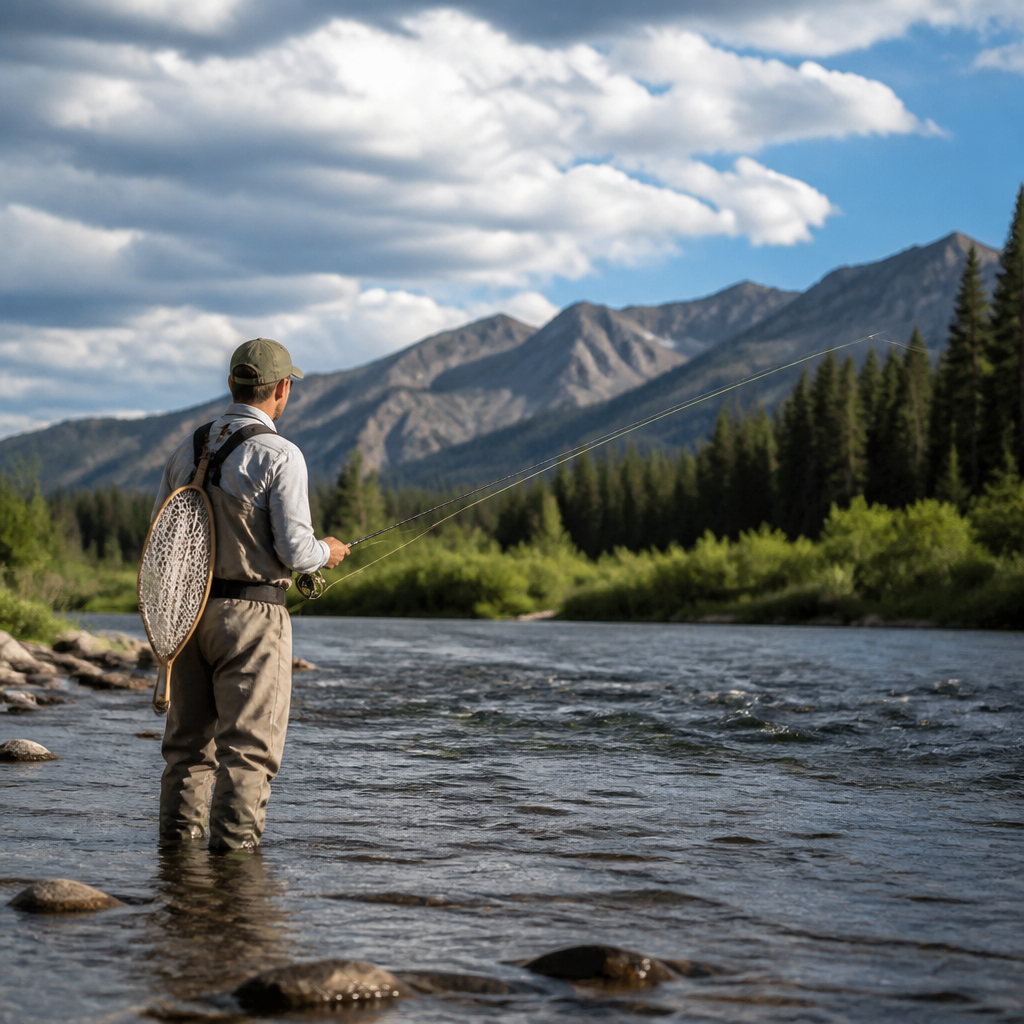
Matching the hatch with dry flies is the practice of selecting and presenting an artificial fly that closely imitates the insects trout are feeding on at the surface, and it remains one of the most reliable ways to turn rising fish into hooked fish. In simple terms, “hatch” refers to the emergence of aquatic insects such as mayflies, caddisflies, and midges, while “matching” means imitating the insect’s size, silhouette, color, and behavior closely enough that a trout accepts the fly without hesitation. I have relied on this approach on spring creeks, freestone rivers, and tailwaters for years, and the pattern is consistent: when trout are focused on one food form, accuracy matters more than creativity. Anglers who understand match the hatch gain a repeatable system for reading water, choosing patterns, and adjusting presentations under changing conditions.
This matters because dry fly fishing often rewards precision and punishes guesswork. Trout feeding in a hatch are usually not eating “anything that floats.” They may be locked onto size 20 blue-winged olives drifting flush in a seam, crippled pale morning duns trapped in surface film, or spent caddis skittering at dusk. A fly that looks generally close but rides too high, lands too hard, or drifts unnaturally can be refused again and again. Matching the hatch is therefore not just about entomology. It combines insect identification, observation of feeding rhythm, line control, and pattern confidence. For anglers building a dry fly system under the broader techniques and strategies category, this topic serves as a central hub because every related skill flows from it: reading rise forms, selecting tippet, choosing leaders, timing casts, and knowing when to switch from imitation to attractor. Mastering these decisions shortens the learning curve and produces more deliberate, less random success.
What “match the hatch” really means on the water
The phrase is often reduced to “pick the same bug the trout are eating,” but on the water it is more exact than that. Trout typically key on a narrow feeding window defined by stage, size, and drift position. During a mayfly event, for example, fish may ignore fully upright duns and feed only on emergers trapped in the film because emergers are easier to capture. During a caddis hatch, they may slash at skittering adults late in the evening but sip pupae just before the adults break free. Matching the hatch means identifying not only the insect family, but also whether trout are feeding on nymphs ascending, emergers half-in and half-out, duns drifting motionless, spinners lying spent, or adults moving across the surface.
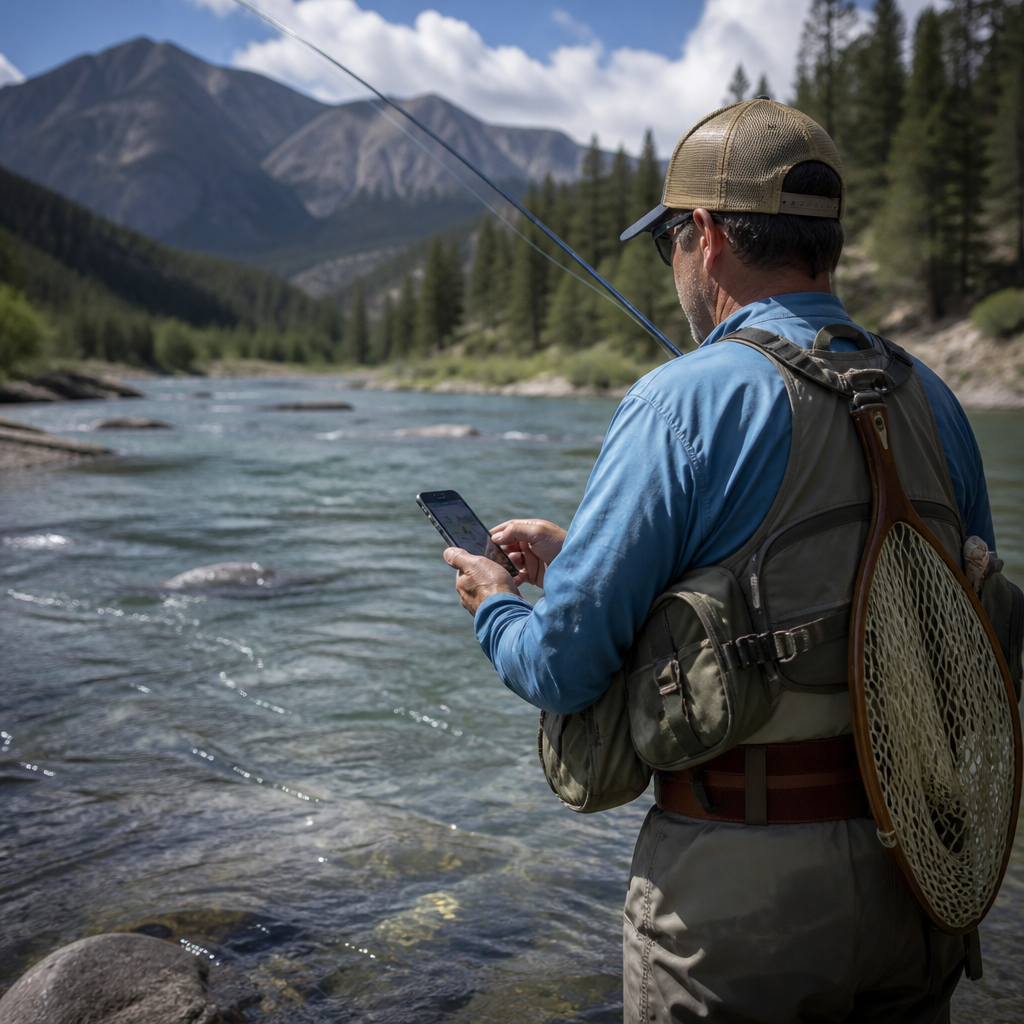
When I approach a run with steady risers, I first ask three direct questions. What insect is present? Which life stage are trout taking? What is the exact lane and speed of the natural drift? Those answers determine everything else. If naturals are sparse but trout are feeding rhythmically in one foam line, I start by catching an insect in the air or on my fingertip, then compare it to what is drifting on the water. If bugs are too small to see clearly, a quick streamside photo with a phone zoom often helps. Reliable matching comes from narrowing options, not from carrying hundreds of random dry flies.
Identify the hatch by insect family, size, and life stage
The three insect groups most important to dry fly matching are mayflies, caddisflies, and midges, with stoneflies and terrestrials joining depending on season and river type. Mayflies generally have upright wings and two or three tails. Caddis resemble small moths with tented wings and often create splashier rises because adults move more than mayflies. Midges are tiny, abundant, and crucial on tailwaters and winter fisheries. Stoneflies are larger, with bodies that lie flatter and often bring explosive takes along banks. Terrestrials such as ants, beetles, and hoppers are not hatches in the classic aquatic sense, but trout can prefer them strongly in summer, so a good hub discussion has to place them in context.
Size is usually the first sorting filter because trout reject flies that are too large more readily than flies that are slightly off-color. Match hook size before chasing perfect shade. A size 18 olive mayfly imitation often outperforms a size 16 in exactly the right color if naturals are small. Carrying a simple streamside reference helps: blue-winged olives commonly run from size 16 to 22, pale morning duns from 14 to 18, Hendricksons around 12 to 14, and many caddis from 14 to 18 depending on species. Color matters next, but silhouette often matters more than detailed hue, especially in broken water where trout see shape and profile faster than tiny color shifts.
Life stage is where most dry fly refusals are solved. Trout frequently prefer vulnerable stages because they drift longer and move less. Sparkle duns, parachute emergers, CDC emergers, and cripple patterns often beat high-floating Catskill-style duns during technical hatches. Spinner falls demand slim, low-riding flies with spent wings. If rises are subtle dimples, think film. If fish are confidently porpoising, think emergers or duns. If they are slashing and turning, think caddis. That interpretive step is what separates anglers who merely recognize bugs from anglers who consistently convert observations into fish.
Read trout behavior before changing flies
Rise forms provide fast clues. A gentle nose-and-tail sip usually signals trout taking insects on or in the surface film. Splashy rises often indicate caddis adults or emergers moving quickly. Bulging just below the surface can mean fish are taking ascending nymphs rather than true dries, even when insects are visible overhead. I have watched anglers cycle through six dry patterns while trout kept bulging under a baetis hatch; a simple soft hackle or unweighted emerger would have solved the puzzle in minutes. Matching the hatch works best when you match the feeding behavior as much as the bug.
Position matters too. Fish holding in soft edges beside fast current often intercept food drifting from a single seam. Trout stationed under overhanging grass during a spinner fall may slide inches to eat but refuse a fly that lands one foot outside the lane. Watch at least three rise cycles before casting. Count the interval between rises. Note whether the fish moves left, right, or straight up. A trout feeding every five seconds in a fixed spot is easier to target than one cruising broadly across a flat. This observation period feels slow, but it saves time and protects confidence.
| Observation | Likely Feeding Focus | Best Dry Fly Response |
|---|---|---|
| Subtle dimples with barely visible noses | Emergers or spent insects in the film | Low-riding emerger, CDC pattern, spinner |
| Confident head-and-tail rises | Duns drifting naturally on top | Parachute or comparadun in exact size |
| Slashy, aggressive rises | Caddis adults or skittering insects | Elk hair caddis, CDC caddis, slight movement |
| Bulges just under the surface | Ascending nymphs or pupae | Emerger fished in film, not a high floater |
| Rises only in one seam or foam line | Selective feeding lane | Precise drift and reach cast over exact lane |
Choose patterns that match profile first, then color and details
Many anglers overcomplicate fly selection. A disciplined order works better: profile, size, stage, then color. Profile includes body length, wing posture, thorax bulk, and whether the fly rides high or flush. Comparaduns, parachutes, CDC duns, and thorax-style patterns each show a different footprint. On flat water, footprint is critical because trout inspect from below through a clear surface window. If naturals sit low, a bushy dry often looks wrong no matter how accurate the color. Conversely, in pocket water a more visible parachute can outperform a sparse imitation because drift and visibility outweigh micro-detail.
Specific patterns earn permanent places in a match-the-hatch dry box. For mayflies, parachute Adams covers broad gray mayfly situations, but dedicated olives, PMDs, and sulfur imitations catch more selective fish. Sparkle duns and CDC emergers solve many refusal problems. For caddis, elk hair caddis remains a standard because it floats well and can skate lightly, while X-Caddis and soft CDC adults excel when trout want low-riding silhouettes. Griffith’s Gnat still matters for midge clusters and tiny general matches. Rusty spinners, often overlooked, are deadly when evening rises continue after duns disappear. These are not nostalgic staples; they remain standards because they solve recurring surface-feeding problems across fisheries.
Color should refine, not dominate, your decision. Olive, tan, cream, sulfur yellow, rusty brown, and black cover much of dry fly matching. Trout see contrast and translucence differently depending on light and water color, so “close enough” often works if size and stage are exact. The exception comes on very clear spring creeks and slick tailwater flats, where body tint and wing tone can matter more. In those situations, carrying multiple shades of the same pattern family pays off. A pale olive CDC emerger and a darker olive version may fish very differently at noon under bright skies.
Presentation, drift, and leader setup make the imitation believable
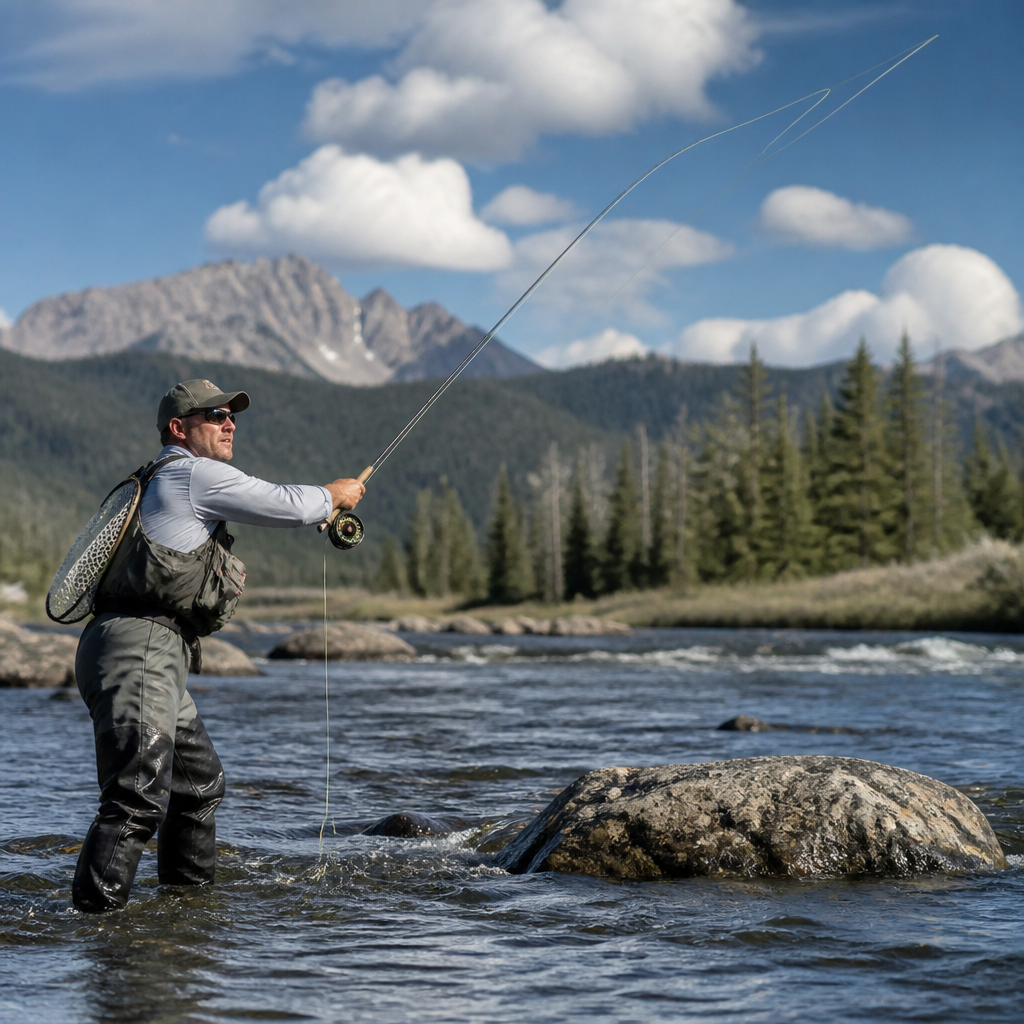
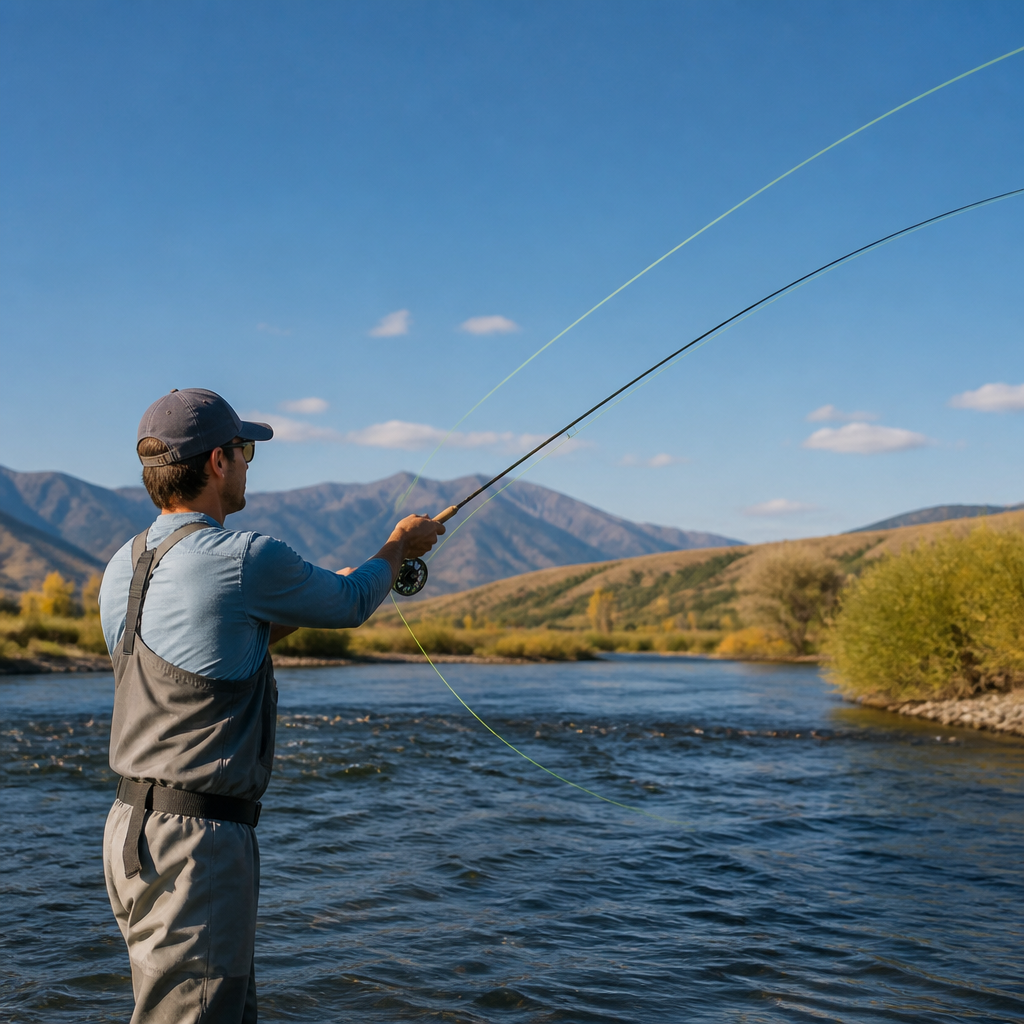
The best hatch-matching dry fly still fails with drag. Surface drag is the number one reason accurate flies are refused. Trout feeding steadily have a reference point: every natural drifts at current speed. When your fly accelerates, stalls, or skates unnaturally, the illusion collapses. Reach casts, pile casts, and aerial mends create slack before the fly lands, buying a longer dead drift. On medium rivers, I often angle slightly upstream and across, land the fly above the fish’s lane, and feed just enough slack to let it arrive first without leader flash. This is often more important than changing patterns.
Leader and tippet choice affect both drift and acceptance. Long leaders in the 9- to 12-foot range are standard for dry fly work, with 5X common for larger dries and 6X or 7X often necessary during technical hatches. Fine tippet reduces drag because it cuts the surface less and allows the fly to drift more freely, but there is a tradeoff in knot strength and fish-fighting pressure. A 12-foot leader tapered to 6X is a practical starting point for selective trout in moderate water. Grease only the butt and midsections when necessary; leaving the final inches less treated can prevent micro-drag in slick currents.
Floatant use also needs nuance. Powder desiccant revives CDC without matting fibers. Gel floatant belongs on hackled dries and hair-wing flies before they get wet, not smeared onto delicate CDC after the fact. If trout are eating cripples or emergers, too much floatant can make the fly ride unrealistically high. In that case, I often dress the leader, not the fly, and let the pattern sit flush. The goal is not maximum flotation. The goal is the correct posture. Matching the hatch includes matching how vulnerable the natural looks in the surface film.
Build a repeatable streamside process and know when not to match exactly
A practical streamside system prevents rushed decisions. First, observe for one full minute before opening the fly box. Second, identify the likely insect family from adults, shucks, or rise form. Third, estimate size by comparing naturals to a known hook size or a small hatch gauge. Fourth, decide life stage. Fifth, select one pattern that fits and fish it with an appropriate leader before making cosmetic changes. If refused, change one variable at a time: first stage or profile, then size, then color. This process sounds basic, but it prevents the common trap of changing everything without learning why the previous fly failed.
Exact matching is not always necessary. In broken pocket water, visibility and placement often beat fine imitation, and an attractor such as a royal-style dry or a high-floating parachute may outperform technical patterns. During mixed hatches, trout can become opportunistic, making generalists effective. Wind can also knock terrestrials into the water even while mayflies are present, and fish near grassy banks may prefer ants or beetles. The key is to let trout behavior tell you whether they are selective. If fish refuse close drifts repeatedly in calm water, precision matters. If they rise aggressively in riffles, a broader imitation may be enough.
As a hub within techniques and strategies, matching the hatch connects naturally to presentation, reading water, fly selection, leader design, and seasonal timing. The anglers who improve fastest keep stream notes: hatch time, water temperature, insect size, successful pattern, and rise type. Over a season, these notes reveal reliable windows such as late-afternoon blue-winged olives on cloudy fall days or rusty spinner falls over slow banks in midsummer. Use that information to prepare before you arrive, narrow your choices streamside, and fish with intent. Match the hatch is not about collecting obscure patterns. It is about seeing what trout see, presenting what they expect, and making thoughtful adjustments until your dry fly becomes part of the hatch.
Matching the hatch with dry flies works because it turns trout feeding behavior into a solvable problem. Start with observation, not casting. Identify the insect family, estimate size carefully, and determine whether fish want adults, emergers, cripples, or spinners. Choose a pattern that matches profile and riding position before obsessing over tiny color differences. Then protect the illusion with controlled slack, the right leader length, fine enough tippet, and a dead drift that mirrors the naturals exactly. These steps consistently outperform random fly changes, especially on pressured rivers where trout inspect surface food closely.
The biggest benefit of this approach is confidence grounded in evidence. Instead of hoping a favorite fly might work, you build decisions from what is happening in front of you. That makes you faster at diagnosing refusals and better at adjusting without frustration. Keep a compact selection of proven dry flies, learn the common hatches on your home water, and practice reading rise forms every trip. If you want to catch more trout on top, make matching the hatch your default system and apply it deliberately the next time fish start rising around you.
Frequently Asked Questions
What does “matching the hatch” really mean when fishing dry flies?
Matching the hatch means choosing and presenting a dry fly that looks and behaves enough like the natural insects trout are actively feeding on that the fish accepts it as real food. In practical terms, that usually comes down to four main factors: size, silhouette, color, and behavior. Size is often the most important. Trout may ignore a fly that is only slightly too large or too small, even if the pattern itself is close. Silhouette refers to the insect’s overall shape on the water, including how upright the wings appear, how slim or bulky the body looks, and how much of the fly sits above or in the surface film. Color matters too, but anglers often overemphasize exact shade and underestimate the importance of profile and proportions. A rough color match is frequently enough if the fly’s size and posture are right.
Behavior is the final piece that separates a good imitation from a great one. A mayfly dun drifting quietly in the current behaves differently from a twitching caddis adult or a cluster of spent spinners lying flat on the surface. Trout notice those differences. If fish are feeding on helpless emergers trapped in the film, a high-floating dry may be refused repeatedly. If they are chasing skittering caddis, a dead-drifted fly may look unnatural. Matching the hatch, then, is not just about tying on a fly that resembles an insect from above. It is about understanding what insect is present, what stage of its life cycle trout are keying on, and how that insect appears and moves on the water in that moment.
How can I tell what insects trout are feeding on during a hatch?
The best approach is to slow down and observe before you cast. Start by watching the water and the fish. Are trout rising gently with subtle dimples, or are they making splashy, aggressive takes? Gentle sips often suggest mayflies, midges, or emergers in the film, while splashier rises can point to caddis or more active surface feeding. Then look at the drift around you. Check the water’s surface, nearby eddies, streamside rocks, overhanging vegetation, and even your waders for insects. A quick glance can reveal whether you are seeing upright-winged mayflies, tent-winged caddis, tiny midge clusters, or spent insects lying flush in the water.
If you are unsure, use a fine-mesh net or simply wet your hand and collect a few bugs gently from the surface. Pay attention first to size, because that is usually the fastest way to narrow down your fly choice. Next, note body shape and wing style. Mayflies typically have upright wings and long tails, caddis look more moth-like with tented wings, and midges are much smaller and more delicate. Also pay attention to whether most insects are emerging, floating fully as adults, or dying and falling spent onto the water. Trout often focus on one exact stage rather than the insect in general. Even if multiple bugs are present, the fish may be locked onto only one. The more carefully you observe, the less you are guessing and the more effectively you can match what trout are actually eating.
Which matters more when matching the hatch: fly pattern, size, or presentation?
Presentation usually matters most, with size coming in a close second, and exact pattern details often ranking behind both. Many anglers carry dozens of highly specific dry fly patterns, but even the best imitation will fail if it drags unnaturally or lands poorly. Trout feeding on the surface get a long look at a dry fly, and drag is often the quickest reason for refusal. A natural insect should drift at the same speed as the current around it, so your fly must do the same. Good positioning, accurate casting, and proper mending often matter more than whether your fly has the perfect wing material or body dubbing.
That said, size is extremely important because trout can be surprisingly selective during heavy hatches. If naturals are size 18 and you offer a size 14, your fly may stand out in a bad way. Once your size is close and your drift is clean, then the general pattern style becomes the next factor. Instead of obsessing over exact names of flies, think in categories: parachute mayfly, comparadun, caddis adult, spinner, midge cluster, or emerger-style dry. Those categories usually cover what the trout are seeing. A well-presented fly in the right size and style will consistently outfish a perfect-looking pattern with poor drift. When in doubt, fix your presentation first, then adjust size, and only after that fine-tune pattern and color.
What are the best techniques for presenting a dry fly naturally to rising trout?
A natural presentation starts with approach and positioning. Before making a cast, study the trout’s feeding rhythm and where it is lying in the current. If the fish is rising steadily, avoid rushing. Move carefully, stay low, and approach from downstream or from an angle that reduces the chance of lining the fish. The goal is to place the fly upstream of the trout so it drifts into the feeding lane before the leader or fly line does. Accurate casts matter, but control after the cast is just as important. Reach casts, stack mends, and slack-line presentations can all help build in enough slack to achieve a drag-free drift across conflicting currents.
You should also match your presentation to the insect’s behavior. For mayflies and midges, a dead drift is usually the standard because these insects often ride the current passively. For caddis, however, a subtle twitch or slight skate can sometimes trigger more strikes, especially if trout are taking active adults. Watch how fish respond. If you get refusals, try changing angle, drift length, or fly height in the film. Sometimes applying less floatant so the fly sits lower makes it look more realistic. Other times trimming hackle or switching to a more delicate pattern solves the problem. Good dry fly fishing is often a game of micro-adjustments. The anglers who consistently hook rising trout are usually the ones who combine careful observation with precise, adaptive presentation rather than simply changing flies over and over.
What should I do if trout are rising everywhere but keep refusing my dry fly?
When trout are rising but refusing your fly, treat it as a clue rather than a failure. Refusals usually mean you are close, but something is off. Start with the basics: check for drag. Even a slight unnatural wake can make selective trout turn away at the last second. Change your casting angle, lengthen your leader, add tippet, or use a slack-line cast to improve the drift. Next, examine fly size. Being one or two hook sizes too large is a common reason fish refuse a dry. Downsize first before changing to a completely different pattern. Then consider profile. If your fly rides too high but naturals are trapped in the film, switch to a lower-floating pattern or a dry emerger.
It is also worth rechecking exactly what stage of insect the trout are eating. Fish rising during a hatch are not always taking fully emerged adults. They may be feeding on emergers just under the surface, crippled duns, spent spinners, or even midge clusters. Rise form can help here. If trout are barely dimpling the surface, they may be taking insects in or just under the film, not cleanly off the top. In that case, your classic high-floating dry may look wrong. Finally, simplify your troubleshooting. Change one variable at a time: first presentation, then size, then pattern style, then color. That method helps you learn what the trout are rejecting and avoids random switching. Persistent refusals can be frustrating, but they are also where matching the hatch becomes most rewarding, because small, informed adjustments often turn near-takes into solid hookups.