Matching the hatch in large rivers means identifying the aquatic or terrestrial food trout are eating, then choosing a fly, presentation, and drift that imitate that food under the scale, speed, and complexity of big moving water. For anglers, the phrase sounds simple, but on broad tailwaters, freestone systems, and major western rivers, it becomes a full strategic framework. You are not just copying an insect. You are reading current seams, water temperature, light, depth, drift lanes, and feeding posture at the same time. On large rivers, fish can feed selectively in one foam line while ignoring nearly identical food twenty feet away, so accurate observation matters more than guesswork.
At its core, match the hatch combines entomology with river reading. A hatch is the emergence or availability of insects and other food forms such as mayflies, caddisflies, midges, stoneflies, scuds, sowbugs, craneflies, worms, and terrestrials. Matching means imitating the right life stage, size, profile, color, and behavior. In practical terms, that could mean switching from a size 18 Blue-Winged Olive emerger to a size 20 dun during a cloudy afternoon, or choosing a tan caddis pupa fished deep before adults begin skittering near dusk. Large rivers magnify every variable because insect density, current speed, and trout location vary dramatically across channels, islands, side seams, and shelves.
This matters because trout in big rivers often have options. In a small stream, fish may eat whatever drifts close enough. In a large river, especially a fertile tailwater, trout can reject poor imitations and wait for the exact stage they prefer. I have seen pods of fish on the Missouri ignore standard dry flies for an hour, then eat immediately when the pattern changed only one degree: slimmer abdomen, flush-floating wing, or trailing shuck. That is why anglers who understand matching the hatch consistently outperform anglers who only know general attractor fishing. The goal is not perfection. The goal is to remove the specific reasons fish say no.
Large-river hatch matching also improves efficiency. Instead of cycling randomly through fly boxes, you can narrow decisions with a repeatable process: identify food, determine life stage, note where trout are feeding in the water column, then choose the presentation that places the fly in the same lane at the same speed. This article serves as a hub for the broader match the hatch topic within techniques and strategies. It covers the key insect groups, observation methods, fly selection standards, and tactical decisions that link hatches to results on large rivers.
Start with Observation Before Fly Selection
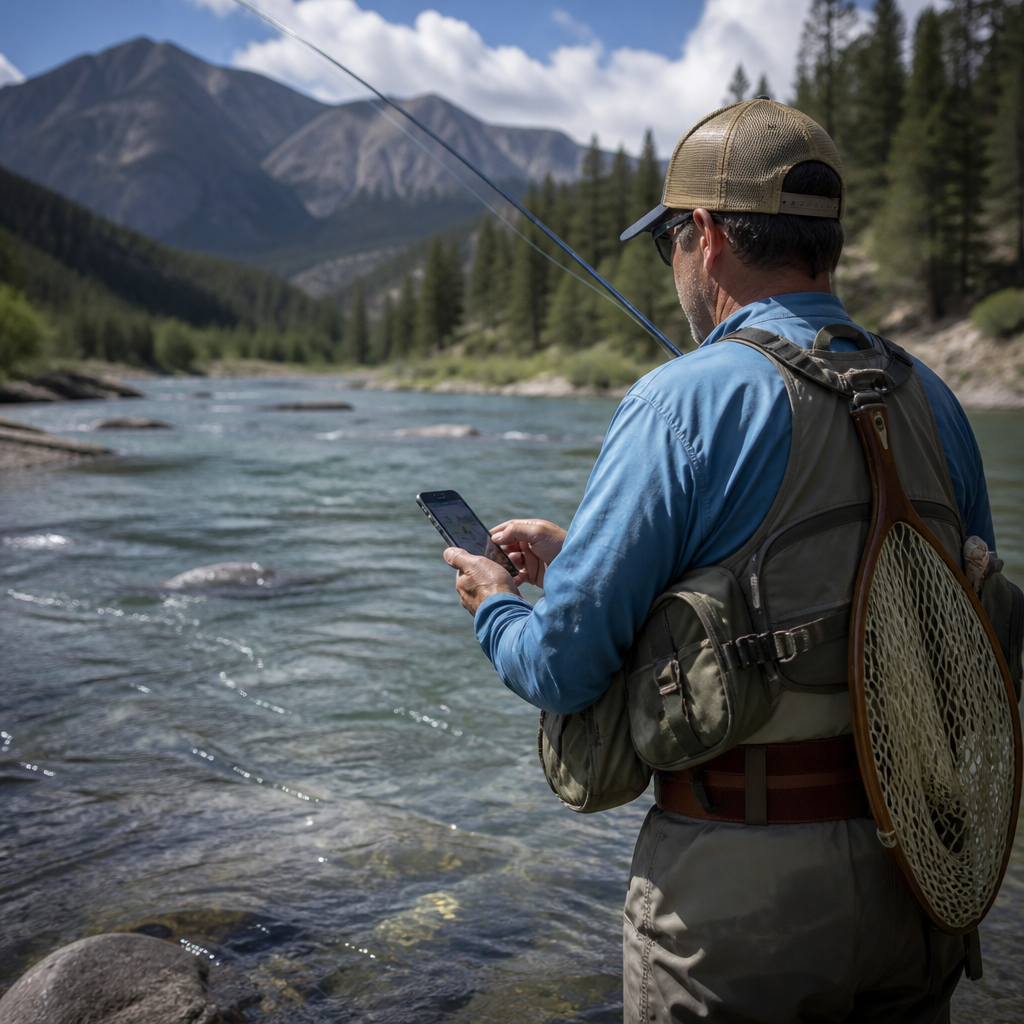
The best large-river anglers begin with evidence. Before tying on a fly, watch the water. Are trout showing noses, backs, or just subtle head-and-tail bulps? Splashy rises often suggest caddis adults or chasing emergers. Slow, porpoising rises usually point to mayfly emergers or duns. Tiny dimples can indicate midges. No rises at all does not mean no hatch; fish may be feeding subsurface on nymphs ascending through the column. Look at eddies along banks, side channels, and foam pockets where insects collect. Seine the drift with a fine-mesh net, check spider webs on bridge railings, inspect rocks for nymph shucks, and use a small aquarium net in slack water to sample actively emerging bugs.
When I guide on broad rivers, I teach anglers to answer five questions in under five minutes. What insects are present? What size are they, in standard fly terms? Which life stage is most available? Where in the column are fish feeding? How natural is the drift? These questions prevent the common error of matching the species but missing the stage. For example, seeing Pale Morning Duns in the air does not automatically mean trout are eating adults. Often they are focused on nymphs rising just below the surface or cripples trapped in the film. The fly pattern changes, but so does leader length, tippet diameter, and cast angle.
Light and weather sharpen this assessment. Overcast conditions often extend mayfly emergence and keep duns on the water longer. Warm evenings can trigger strong caddis activity, especially where riffles feed into slick tailouts. Sudden dam releases on tailwaters may interrupt surface feeding and push fish toward subsurface nymphing opportunities. Water temperature is equally important. Many mayflies become active within narrow temperature bands, and winter midges dominate when larger hatches are absent. Observation is not passive waiting. It is a structured diagnostic method that tells you what to imitate and when to change.
Mayflies, Caddis, Midges, and Stoneflies: The Core Hatch Categories
Mayflies are the anchor hatch on many large trout rivers because trout feed on them across multiple life stages: nymph, emerger, dun, spinner. Key groups include Blue-Winged Olives, Pale Morning Duns, Green Drakes, Sulphurs, Tricos, and March Browns, depending on region. Their importance lies in predictability and selectivity. A BWO hatch on a cloudy spring afternoon can make fish feed steadily in slow seams, but they may key only on emergers with a slim body and sparse thorax. Trico spinner falls, by contrast, can create extreme selectivity where fish refuse anything oversized or sitting too high. On large rivers, carrying several silhouettes matters more than carrying every color variation.
Caddis are often less delicate in appearance but more complex in behavior. Trout may feed on larva near the bottom, pupa ascending before emergence, adults drifting still, or adults skittering and egg-laying. On the Madison, Yellowstone, Delaware, and Arkansas, caddis can turn ordinary evenings into high-volume feeding windows. Anglers commonly make the mistake of showing only elk hair adults. In reality, pupa patterns often outfish adults until fish become visibly aggressive near the surface. A soft-hackle swung below a riffle, a bead-head pupa under an indicator, and a low-riding adult dead-drifted across a seam each match a different part of the same event.
Midges dominate cold-weather and technical fisheries because they hatch year-round, especially on tailwaters. Their small size demands discipline. If naturals are size 22 to 26, a size 18 fly is not close enough. The same is true for profile. Zebra Midges, thread midges, Griffith’s Gnats, and cluster patterns all have moments, but the principle remains exactness in size and drift. Stoneflies, meanwhile, are usually larger and easier to recognize. Golden stones, salmonflies, and Little Black Stones can generate obvious feeding, yet matching the hatch still requires stage awareness. Before adults appear, nymph migrations near banks can be the most productive cue on big rivers.
| Food type | Typical clues | Best first imitation | Common mistake |
|---|---|---|---|
| Mayflies | Porpoising rises, duns riding current, shucks on surface | Emerger or cripple in exact size | Fishing a high-floating adult too early |
| Caddis | Erratic rises, adults fluttering above riffles, evening activity | Pupa in upper water column | Using only bushy adult patterns |
| Midges | Tiny dimples, winter surface feeding, clustered adults | Very small midge pupa or cluster dry | Choosing flies two sizes too large |
| Stoneflies | Shucks on rocks, bank-side movement, large naturals visible | Nymph near banks or adult during peak hatch | Ignoring pre-hatch nymph migration |
Match Life Stage, Not Just Species
The most important large-river principle is that trout rarely feed on all stages equally. They lock onto the stage that is easiest to capture with the highest caloric return. Emergers are classic examples because they are vulnerable. A mayfly nymph struggling upward or an adult trapped in the film cannot escape quickly, so trout often prefer them over fully formed duns. That is why comparaduns, sparkle duns, RS2s, soft hackles, pheasant tail emergers, and cripple patterns remain standards. The same logic applies to caddis pupa, which rise quickly and can trigger chase behavior in riffle-feeding fish.
Behavior must match appearance. If naturals are drifting flush in the film, a heavily hackled fly riding high can be wrong even if size and color are correct. If caddis are skittering late, a perfectly dead drift may reduce takes. On large rivers with broad slicks, these differences become visible because fish have more time to inspect a fly. Spinner falls highlight this better than almost any hatch. Trout feeding on spent mayflies expect flat wings, low profile, and zero drag. A slight micro-drag from poor line control can ruin an otherwise perfect imitation. Matching the hatch therefore includes motion, not just morphology.
Subsurface stage selection also depends on water type. In fast shelves and ledges, weighted nymphs or jig-style patterns may be needed to intercept deep-feeding trout before an emergence. In softer inside seams, unweighted emergers can be deadly as naturals rise more slowly. I often fish two related stages to solve the puzzle faster: a deeper nymph and a higher emerger, or a pupa below and a caddis dry above. That reveals where feeding is concentrated. Once a pattern emerges in the trout’s response, simplify and present the most accurate stage repeatedly through the highest-probability lane.
Presentation on Big Water: Drift, Depth, Angle, and Reach
On large rivers, fly choice matters, but presentation usually decides the outcome. A correct fly in the wrong lane is invisible to trout. A nearly correct fly with perfect drift often wins. Start by positioning to control line. Fish are usually set up where current speed brings food efficiently without forcing them to hold in heavy water. That may be the inside edge of a seam, the soft side of a midriver shelf, the tongue below a riffle, or the cushion in front of a boulder line. Cast angles should support a natural drift through that feeding lane, not merely put the fly near the fish.
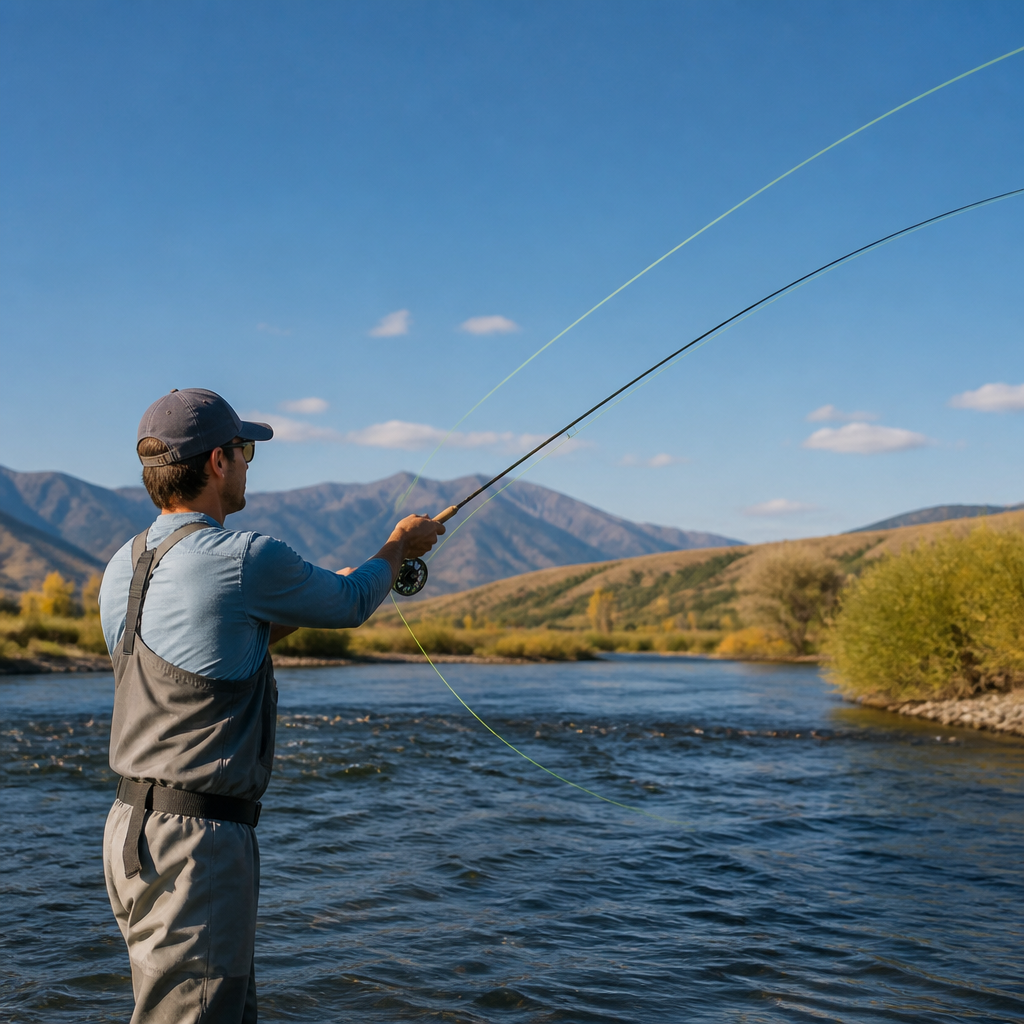
Reach casts, stack mends, aerial mends, and slack-line presentations are essential because big rivers create conflicting currents between rod tip and fly. Dry-fly anglers need long leaders and thoughtful mending to prevent drag during technical hatches. Nymph anglers need enough weight to match depth without pinning the fly unnaturally to bottom. Swing anglers using soft hackles during caddis or mayfly emergences should control tension deliberately; too much speed looks artificial, too little can miss the vulnerable ascent that fish expect. Presentation also includes timing. Repeating the same cast through a productive lane during a concentrated emergence often matters more than covering excessive water.
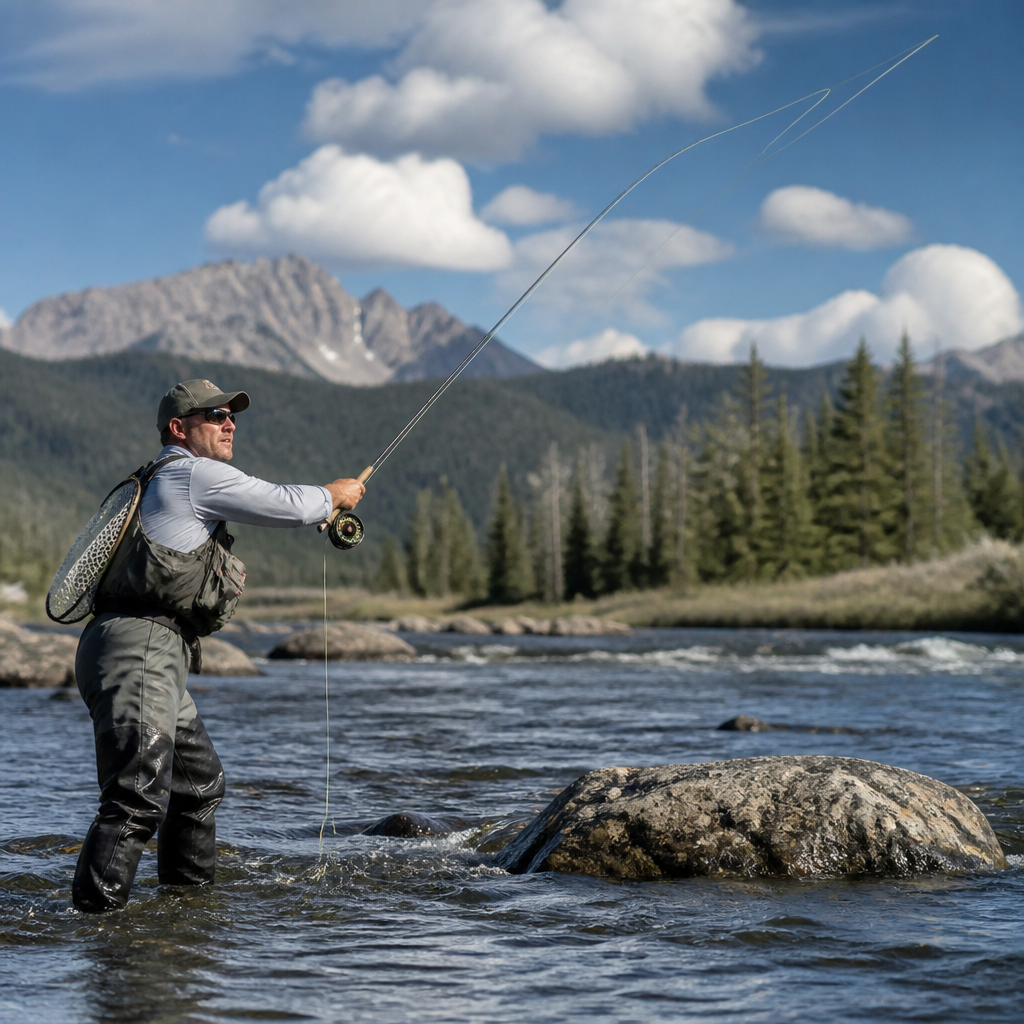
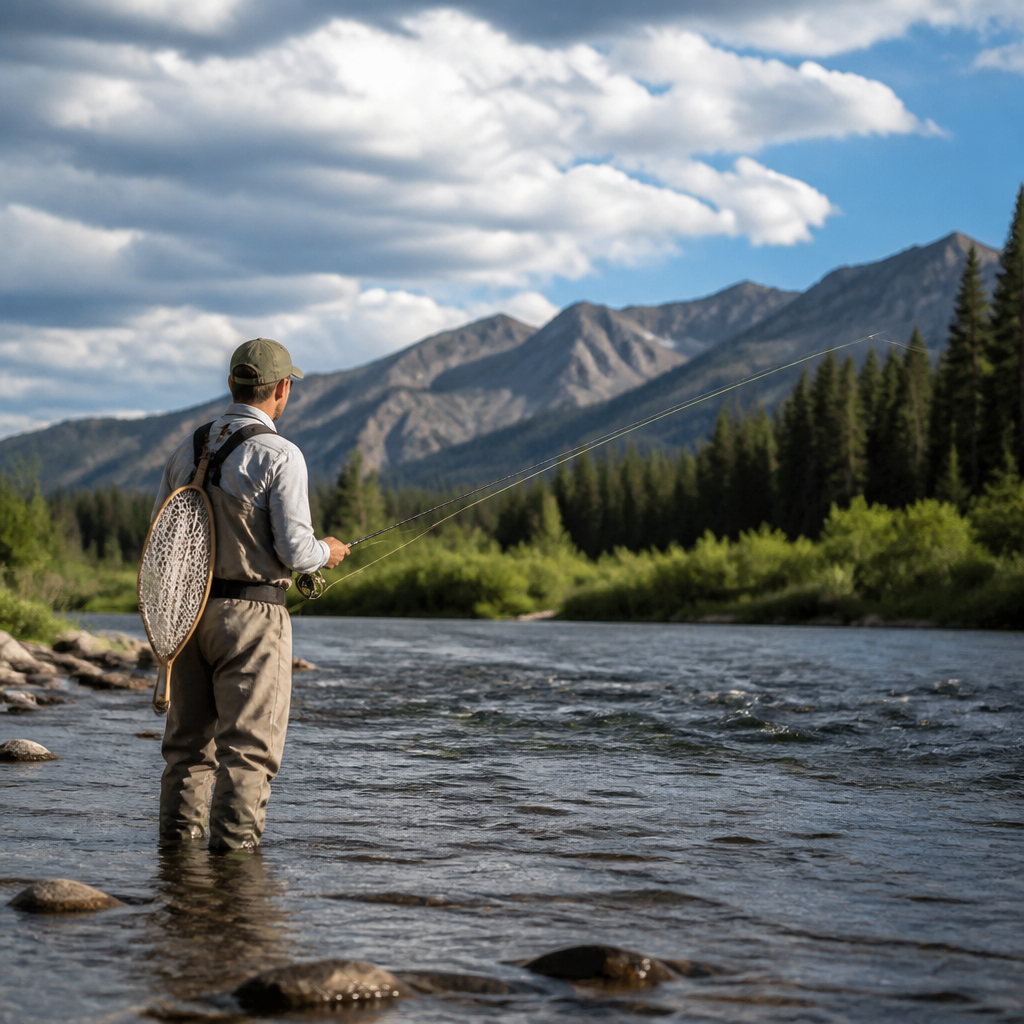
Boat anglers and wade anglers face different constraints. From a drift boat, current speed can outpace the ideal drift, so boat position and speed control are part of matching the hatch. Skilled rowers backstroke to hold the angler in a fish’s lane long enough for multiple precise presentations. Wading anglers gain stability and better line management but may sacrifice reach to midriver feeding pods. In both cases, the principle is the same: the imitation must travel where naturals travel, at the speed naturals travel, at the depth naturals occupy. That is the operational definition of hatch matching on large rivers.
Seasonal Strategy and River-Specific Adjustment
Large rivers reward anglers who think seasonally. Spring often brings Blue-Winged Olives, March Browns, early caddis, and fluctuating flows. Summer expands the menu with PMDs, Green Drakes, golden stones, terrestrials, and Tricos, while lower, clearer water increases selectivity. Autumn commonly returns BWOs, October caddis in some systems, and strong subsurface opportunities when temperatures cool. Winter narrows visible options but can produce excellent midge fishing and reliable nymphing around stable tailwater temperatures. Matching the hatch means knowing not only what is happening now, but what usually happens next as weather, flow, and light shift through the day.
River type changes how hatches play out. Tailwaters such as the Missouri, South Platte, and Delaware branches often support dense midge, BWO, and mayfly populations with highly educated trout. Precision in size and drift is mandatory there. Freestone rivers such as the Yellowstone or upper Colorado can be more opportunistic, especially during stonefly and caddis events, but they still demand stage awareness when flows drop. Fertility matters as well. Rich spring creeks and tailwaters produce more selective feeding because trout see abundant naturals. Less fertile systems may reward suggestive patterns more often. Smart anglers adapt standards to the river rather than forcing one style everywhere.
Your hub strategy for match the hatch should therefore branch into specialized topics: identifying mayfly hatches, fishing caddis emergences, midge tactics on tailwaters, reading rise forms, matching spinner falls, selecting leaders and tippet, and adjusting presentation from drift boats. Those detailed articles belong beneath this page because hatch matching is never one decision. It is a chain of decisions built from observation, entomology, and execution. Mastering that chain turns confusing surface activity into a readable pattern and makes large rivers feel smaller, more predictable, and far more fishable.
Matching the hatch in large rivers is ultimately a disciplined process of noticing what trout are eating, identifying the most vulnerable life stage, and delivering an imitation with exact drift, depth, and behavior. The phrase is often reduced to fly color, but the real skill lies in connecting insect biology to current structure and trout position. When anglers struggle during a visible hatch, the cause is usually one of four things: wrong size, wrong stage, wrong lane, or drag. Fix those four variables first, and most large-river puzzles become manageable.
The main benefit of this approach is consistency. You stop fishing by hope and start fishing by evidence. That matters on demanding rivers where trout have abundant food and enough time to refuse poor imitations. Whether the hatch is BWOs on a gray spring afternoon, caddis at dusk, Tricos on a calm summer morning, or midges in winter, the same framework applies. Observe carefully, sample insects, watch rise forms, choose the exact stage, and make presentation support the imitation. Keep this hub as your starting point, then explore each subtopic in depth and apply the method on your next large-river session.
Frequently Asked Questions
What does “matching the hatch” really mean on a large river?
On a large river, matching the hatch goes far beyond picking a fly that vaguely resembles the insect you see in the air. It means identifying what trout are actually feeding on at that moment, in that specific part of the river, and then choosing the right imitation, depth, drift, and presentation to make your fly behave like natural food. In big water, trout often have access to several feeding lanes at once, and they may switch between nymphs, emergers, duns, cripples, spent adults, baitfish, or terrestrials depending on current speed, light, and water temperature. That is why successful anglers treat matching the hatch as a complete strategy rather than a simple fly choice.
Large rivers add scale and complexity. A hatch may be heavy in one side channel and nearly absent in the main run. Fish in a soft inside seam may be feeding on emergers suspended just below the surface, while trout fifty feet away on a faster shelf are taking drifting nymphs near the bottom. Matching the hatch in these systems requires reading both the insects and the structure of the current. You are not just asking, “What bug is this?” You are asking, “What food form are the trout seeing, where in the water column are they seeing it, and how naturally can I put my fly in that lane?” That broader mindset is what consistently separates random success from repeatable success on broad tailwaters, freestones, and major western rivers.
How do you identify what trout are eating when there are multiple insects on the water?
When several insects are present, the key is to focus on what trout are actively feeding on rather than what is most obvious to you. Start by watching rise forms. Splashy rises can suggest fish chasing caddis adults or emergers, while slow, deliberate sips often indicate mayfly duns, cripples, or spent insects in softer water. If fish are not rising, examine likely holding water and consider subsurface feeding first, because trout in large rivers often eat nymphs much more consistently than surface insects. Turn over rocks in the shallows, sweep a small net through current seams, and look carefully at the air, surface film, and streamside vegetation. Also pay attention to size and color. Anglers often identify the correct insect family but still fail because their imitation is the wrong size, shade, or stage.
One of the most effective shortcuts is to think in terms of vulnerability. Trout usually prefer food forms that are easy to intercept: nymphs drifting loose before emergence, emergers trapped in the film, crippled adults, drowned terrestrials, or concentrated clusters of caddis in certain lanes. If you see lots of bugs but only occasional confident rises, trout may not be eating the fully formed adults at all. In that case, a soft hackle, emerger, or nymph often outfishes a high-floating dry. If you land a fish, a quick look in the mouth area or a noninvasive streamside observation can also help confirm what is being eaten. In large rivers, observation is often more valuable than frequent fly changes. The angler who slows down and studies feeding behavior usually solves the hatch faster than the angler who keeps cycling through patterns at random.
What matters more in big rivers: the exact fly pattern or the presentation?
Presentation usually matters more, but the most accurate answer is that both have to work together. On large rivers, trout often have less time to inspect a fly in faster water, which makes a natural drift, correct depth, and proper angle of presentation extremely important. If your fly drags, swings unnaturally, or rides a foot above or below the feeding zone, even a perfect imitation may be refused or ignored. Conversely, a fly that is not an exact copy can still produce very well if it matches the general size, profile, behavior, and position of the natural food. This is especially true during subsurface feeding, where silhouette, movement, and depth often outweigh fine visual detail.
That said, as trout become selective during concentrated hatches on large tailwaters and heavily fished rivers, fly specifics start to matter more. Body color, thorax contrast, tail length, ribbing, wing silhouette, and especially size can become critical once you are already drifting the fly correctly. A common mistake is assuming the fish are picky about pattern when the real problem is drag or poor depth control. Another common mistake is getting the drift right but using a fly that imitates the wrong life stage. For example, trout feeding just below the film during a mayfly emergence often ignore upright duns and key instead on emergers or cripples. The best approach is to solve presentation first, then refine pattern details if fish are close but not committing. In big water, the right bug delivered badly rarely wins, and the wrong bug delivered perfectly only goes so far. Success comes from aligning imitation and behavior.
How do current seams, depth, and river structure affect hatch matching on large rivers?
Current seams, depth changes, shelves, ledges, drop-offs, and soft water adjacent to fast flow are at the center of hatch matching in large rivers because they determine where food collects and where trout can feed efficiently. In broad systems, insects do not drift evenly across the river. Nymphs and emergers concentrate in specific lanes, and surface insects often get trapped or funneled by converging currents. Trout position themselves where they can hold with minimal effort and intercept maximum food, which is why seemingly subtle transitions in speed or depth can hold a disproportionate number of fish. If you understand where food gathers, you can choose not just the right fly but the right target water.
Depth matters because different food forms occupy different levels of the water column. Before a hatch, trout may feed deep on nymphs. During emergence, they may move higher to intercept ascending insects. Afterward, they may slide into softer slicks to sip adults or crippled bugs trapped in the film. Structure also changes how long trout can inspect a fly. Fish stationed in softer edges and back eddies often get a better look than fish feeding in fast riffle tongues. That means your imitation and drift need to match the type of water. In rougher flow, a suggestive pattern with the right depth can be enough. In slower seams, precision in size, silhouette, and drag-free drift becomes much more important. Reading the river correctly is a major part of matching the hatch because the same insect can require completely different tactics depending on where and how trout are feeding in the larger hydraulic picture.
What is the best approach when no obvious hatch is happening on a big river?
When there is no visible hatch, matching the hatch still applies; you simply shift your focus from surface activity to the most available and consistent food sources. On large rivers, that usually means subsurface insects such as mayfly nymphs, caddis larvae, caddis pupae, midge larvae, sowbugs, scuds, stonefly nymphs, or seasonal attractor foods like worms and cranefly larvae, depending on the river type. Start by considering the river itself. Tailwaters often emphasize midges, baetis, sowbugs, and scuds, while freestones may lean more toward stoneflies, caddis, and larger mayfly nymphs. Then match your flies to what should logically be present for the season, water temperature, and flow level. This is where river knowledge becomes a major advantage.
Your presentation should focus on depth control and lane coverage. Fish likely feeding below the surface in a large river usually hold in defined travel corridors where food drifts to them predictably. A well-rigged nymph setup, tight-line approach, indicator rig, or even a swung soft hackle can imitate the most vulnerable food available even without visible rises. Watch for subtle signs: a flash below the surface, a trout briefly showing its back in a seam, birds working over riffles, shucks on rocks, or a few random adults appearing in sheltered eddies. These clues often signal what is about to happen or what trout are already eating underwater. In many cases, the anglers who do best during “nothing happening” periods are simply the ones who understand that trout are almost always feeding on something. They stop waiting for a textbook hatch and instead imitate the river’s most available food in the water column where trout are actually feeding.