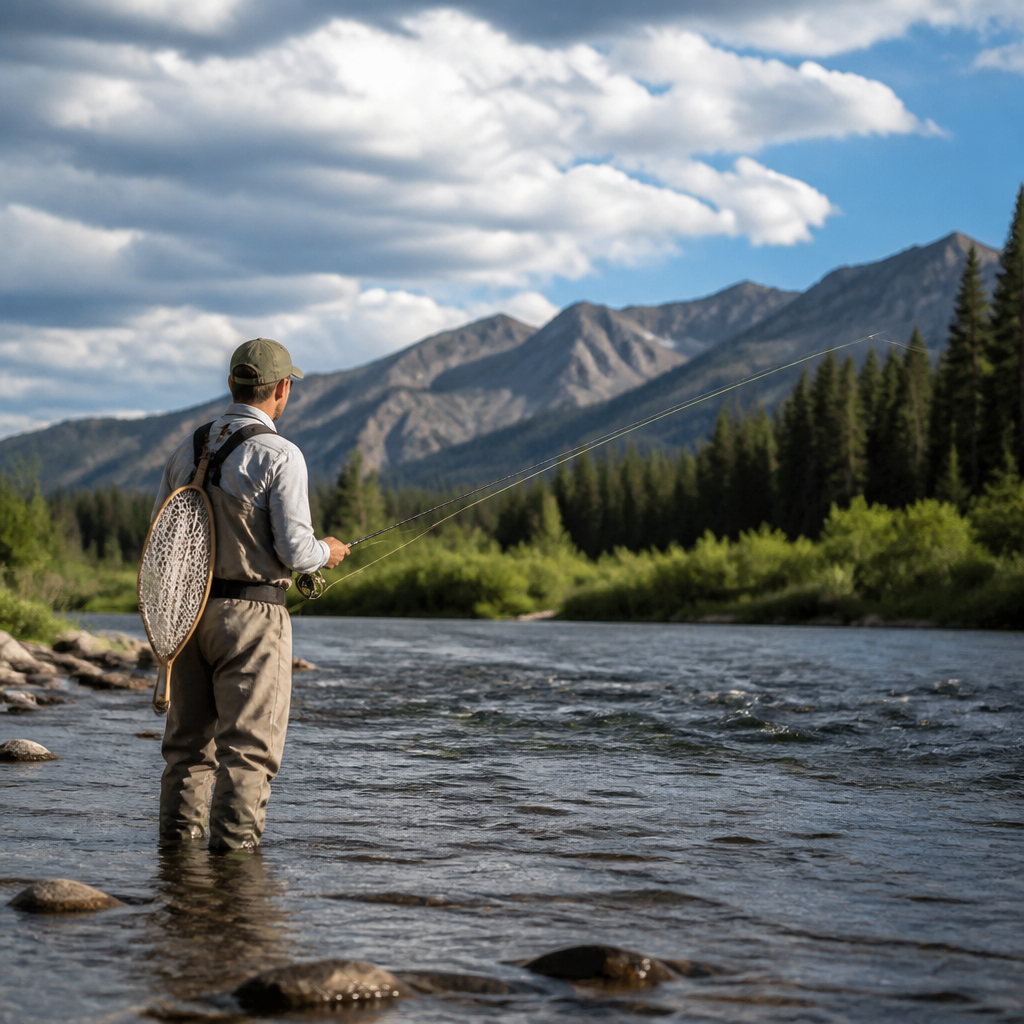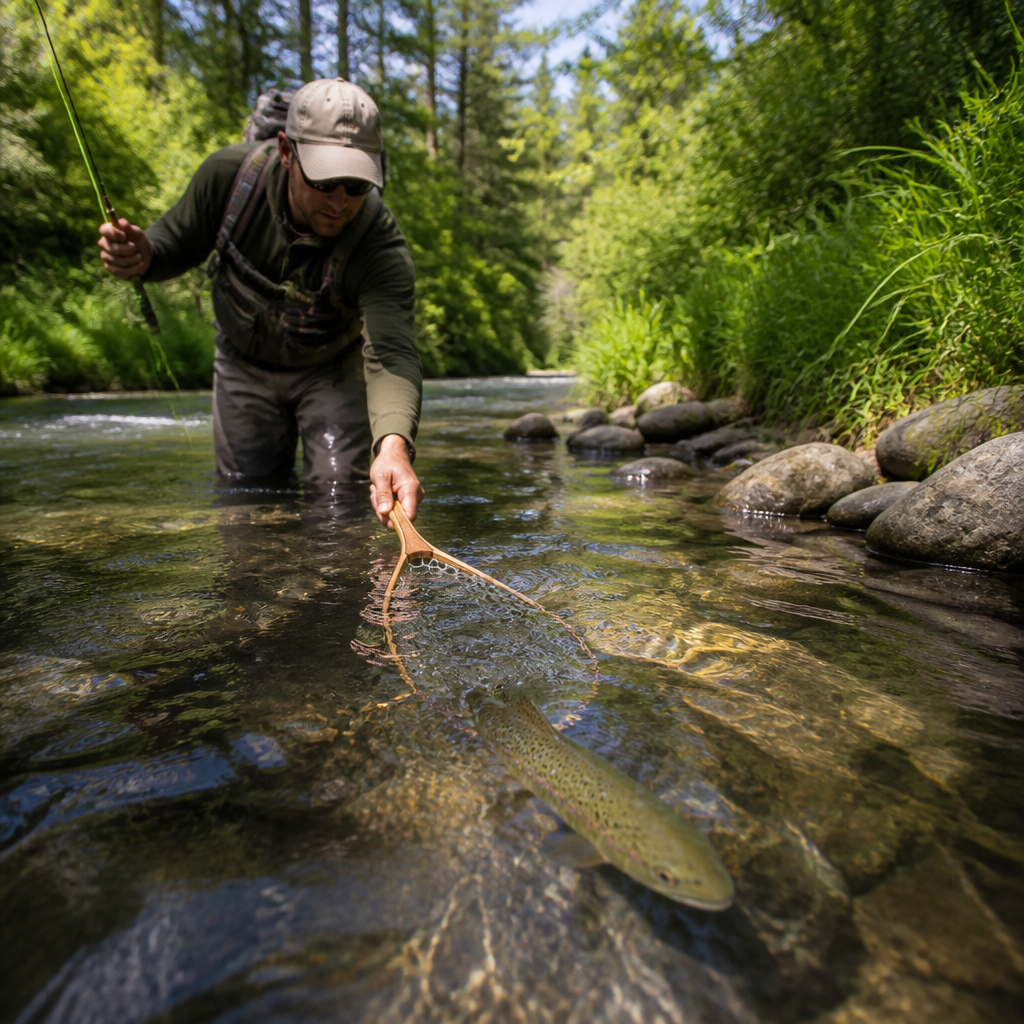
Matching the hatch in small streams is the practice of selecting and presenting a fly that closely imitates the insects trout are actively eating in narrow, intimate water, and it remains one of the most reliable ways to turn uncertain casts into consistent takes. In fly fishing, a hatch is the emergence of aquatic insects such as mayflies, caddisflies, midges, and stoneflies from one life stage to another, usually from nymph or pupa to adult, when trout feed with unusual focus. Small streams change the equation because fish have less water to patrol, current seams are tighter, overhead cover is closer, and food items drift in short, concentrated lanes. I have learned on brook trout creeks and tight freestone tributaries that a generic dry can work for a while, but once fish key on size, silhouette, or stage, accurate imitation matters fast. This article serves as a hub for understanding match the hatch on small streams: what it means, how to read feeding clues, how to identify the insects, what patterns to carry, and when close matching helps more than perfect imitation. If you want more refusals to become eats, this is the skill that ties observation directly to fly choice.
At its core, matching the hatch means aligning five variables with what trout are seeing: species group, life stage, size, color, and behavior. On a broad tailwater, anglers may sort through heavy insect diversity and technical feeding lanes. On small streams, the menu is usually narrower, but the fish often inspect a fly at close range in clear, shallow water. That makes details more important than many anglers expect. A cream-bodied elk hair caddis may fool fish during a caddis flight, but if trout are taking spent sulfur mayflies in flat water, the higher-floating caddis can fail repeatedly because its posture and footprint are wrong. Matching the hatch matters because trout conserve energy by targeting abundant, vulnerable food. During an emergence, vulnerable insects become predictable calories, and trout shift from opportunistic feeding to selective feeding. Understanding that shift lets you fish smarter, not just harder. As the central guide within Techniques and Strategies, this article lays the groundwork for insect identification, fly selection, presentation, and seasonal planning so every related tactic starts from the same practical foundation.
What matching the hatch really means on small streams
On small streams, matching the hatch is less about collecting dozens of exact entomological replicas and more about identifying the most relevant trigger at the moment. Trout usually make decisions from below and slightly behind the drift, so they notice the fly’s size, profile, position in the film, and movement before they process fine coloration. In pocket water, a size 16 parachute Adams often succeeds because visibility and drift matter most. In slick tailouts or plunge pool eddies, the same fish may refuse that Adams and take a size 18 comparadun with the right body tone because the feeding window is slower and the inspection time is longer. I rely on a simple hierarchy: first match stage, then size, then silhouette, then color, then minor details. That order solves more problems than blindly changing patterns every few casts.
The phrase also includes subsurface feeding. Many anglers think only of matching adult insects on top, but in small streams trout often feed hardest on nymphs and emergers. A hatch may be visible above the water while the better fishing happens below it. Blue-winged olives are a classic example. During cool, overcast afternoons, adults may trickle off lightly, yet trout can key on ascending nymphs just under the film. If you cast only dries because you see a few duns, you may miss the dominant food stage. In practical terms, matching the hatch means asking not only “what bug is this?” but also “what version of this bug are trout eating right now?” That single adjustment often explains why one angler catches fish steadily while another stands in the same run changing dry flies.
Reading trout behavior before you change flies
Feeding behavior tells you whether a match is needed and how exact it must be. Rise forms are especially useful in small streams because fish are close enough to observe. A confident head-and-tail rise in soft water often signals trout taking emergers or duns in a measured rhythm. Splashy rises near overhanging banks can point to caddis adults skittering or egg-laying. Subtle dimples with almost no surface break usually indicate midges or tiny mayflies in the film. If fish boil under your fly without taking, they are likely tracking the offering and rejecting it late, which usually means the stage, size, or drift is off. I watch three things before opening a fly box: where trout are positioned, how often they feed, and whether the rise repeats in one lane or across the run.
Water type sharpens the diagnosis. In plunge pools, trout get little time to inspect and often accept attractor-style imitations, especially after rain or in broken current. In glassy side channels, they can reject a good-looking pattern because the leader lands hard or the fly rides too high. A common small-stream mistake is assuming every refusal means color mismatch. More often the culprit is drag. Short currents create conflicting microseams, and a fly that drifts naturally for two feet then twitches unnaturally can be refused by a fish that was otherwise willing. Before changing to a new imitation, extend the tippet, lower your casting angle, or alter your position. Matching the hatch works best when paired with matching the drift, because trout eat real insects that move at current speed, not flies skating sideways across it.
Identifying the main hatches anglers actually encounter
You do not need a graduate course in entomology to fish small streams well, but you do need to recognize the major groups and their timing. Mayflies have upright wings as adults and usually emerge as duns before becoming spinners. Common small-stream examples include blue-winged olives, Hendricksons, sulfurs, cahills, and tiny summer olives. Caddis hold their wings tent-like over the body and are often active fliers; tan and olive caddis dominate many freestones from spring through fall. Stoneflies have long bodies and two tails, with little yellow sallies and larger golden stones showing up on many rocky streams. Midges are present year-round, especially in slower or spring-fed sections, though they are often overlooked because they are tiny. Aquatic insects follow temperature, flow, and daylight patterns, so local timing can shift by weeks from one watershed to another.
The simplest field method is to carry a small seine or fine-mesh net, a streamside magnifier, and a waterproof notebook. Kick the substrate gently in riffles to sample nymphs. Check the backs of streamside rocks for shucks. Watch spiderwebs and overhanging leaves for trapped adults. If trout are rising, scoop the film with your hand or a cup to inspect what is drifting. This approach reveals both species group and stage. I also pay attention to hook size rather than common names because regional naming causes confusion. One angler’s “micro caddis” may simply be a size 20 dark olive adult. A quick, repeatable reference helps more than a heavy hatch chart.
| Insect group | Typical small-stream timing | Key trout cue | Useful fly starting point |
|---|---|---|---|
| Blue-winged olives | Cool, cloudy spring and fall afternoons | Gentle sips in softer seams | Size 18 to 22 olive emerger or parachute |
| Hendricksons and red quills | Mid spring | Steady rises in riffle tails | Size 12 to 14 dun, emerger, or soft hackle |
| Sulfurs | Late spring into summer | Selective feeding in slicks at dusk | Size 16 to 18 comparadun or spinner |
| Tan or olive caddis | Spring through early fall | Slashing rises, bank-oriented takes | Size 14 to 18 elk hair caddis or pupa |
| Little yellow stoneflies | Early summer | Opportunistic takes near fast water | Size 14 to 16 yellow stimulator or nymph |
| Midges | Year-round, strongest in gentle water | Tiny dimples, refusal-prone fish | Size 20 to 24 midge pupa or Griffith’s Gnat |
Choosing flies by life stage, not just by species
Once you know the bug family, choose the fly by vulnerability. Trout usually prefer stages that are trapped, emerging, spent, or otherwise easy to intercept. For mayflies, that often means nymphs drifting before emergence, emergers hanging in the film, duns drying their wings, or spinners lying flush after mating. For caddis, pupa ascending toward the surface can outfish adults dramatically. For stoneflies, nymphs and egg-laying adults both matter, but many takes happen tight to rough current where the insects struggle. The practical takeaway is that one hatch can require three useful patterns, not twelve exact duplicates. A sulfur nymph, a sulfur emerger, and a sulfur spinner cover far more situations than a box full of slightly different yellow dries.
Pattern design should reflect behavior. If trout are taking mayfly emergers, use a fly that sits low, such as a CDC emerger, RS2, or soft-hackle dressed sparse. If caddis are bouncing and skittering, an elk hair caddis twitched slightly may be correct, while a dead-drifted mayfly-style dry will look wrong. In tiny water, I often carry proven anchors instead of fashion patterns: Pheasant Tail, Hare’s Ear, Zebra Midge, Parachute Adams, Elk Hair Caddis, X-Caddis, F-Fly, and a small soft hackle. Tied in the right sizes, these cover most hatch situations. Exact imitation becomes more important when fish are locked on one stage in calm water, but versatility matters more when moving upstream through varied pocket water.
Presentation, tackle, and positioning that make the match believable
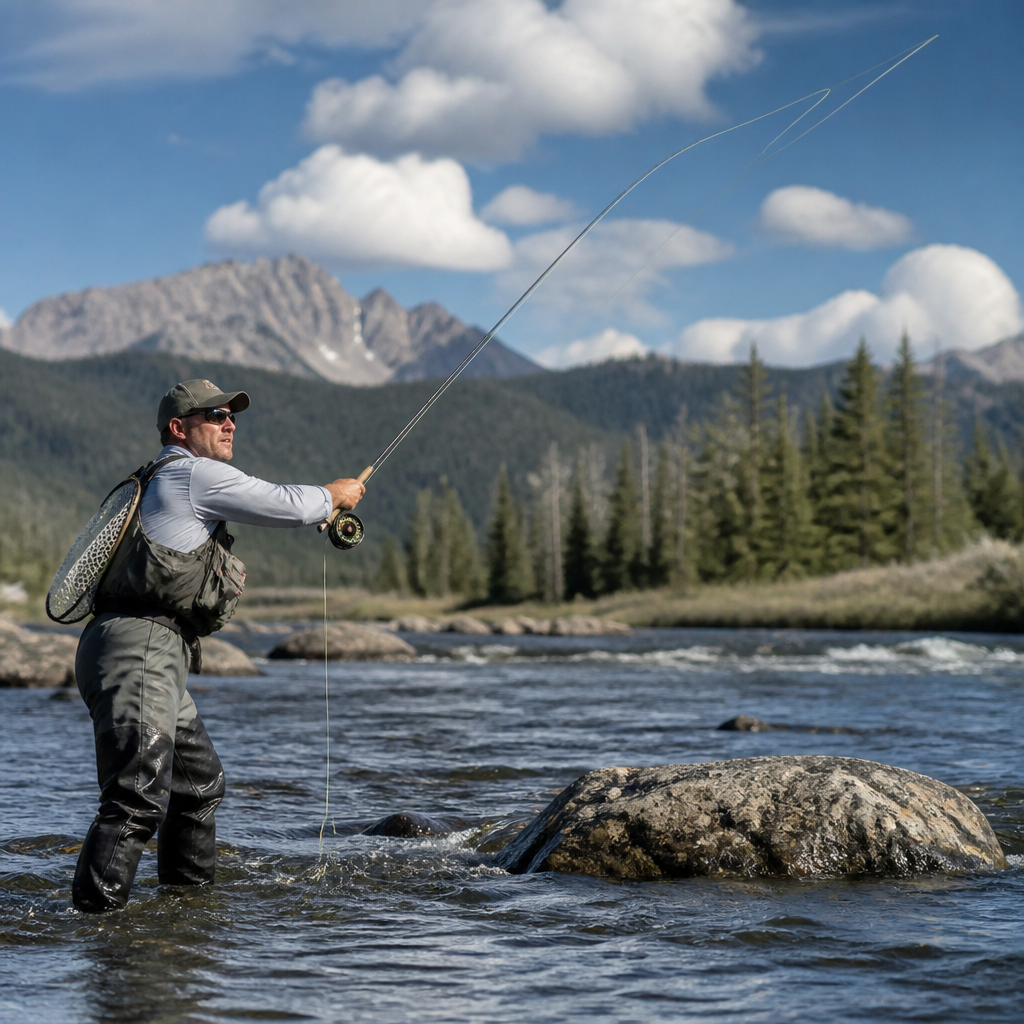
A correct imitation fails if the presentation breaks the illusion. Small streams reward controlled, short-range precision. Rods from 7 to 8.5 feet in 2- to 4-weight line classes are common because they protect light tippet and help under overhanging branches. Leaders of 9 feet with 5X to 7X tippet cover most hatch situations, with finer tippet favored in flat water and larger flies. Positioning is critical. Approach from downstream when possible, stay low, and cast from outside the fish’s cone of vision. On narrow creeks, kneeling can matter more than pattern choice because trout are accustomed to aerial threats from herons, kingfishers, and mammals. If you line the fish with bright fly line or heavy leader splash, even a perfect hatch match becomes irrelevant.
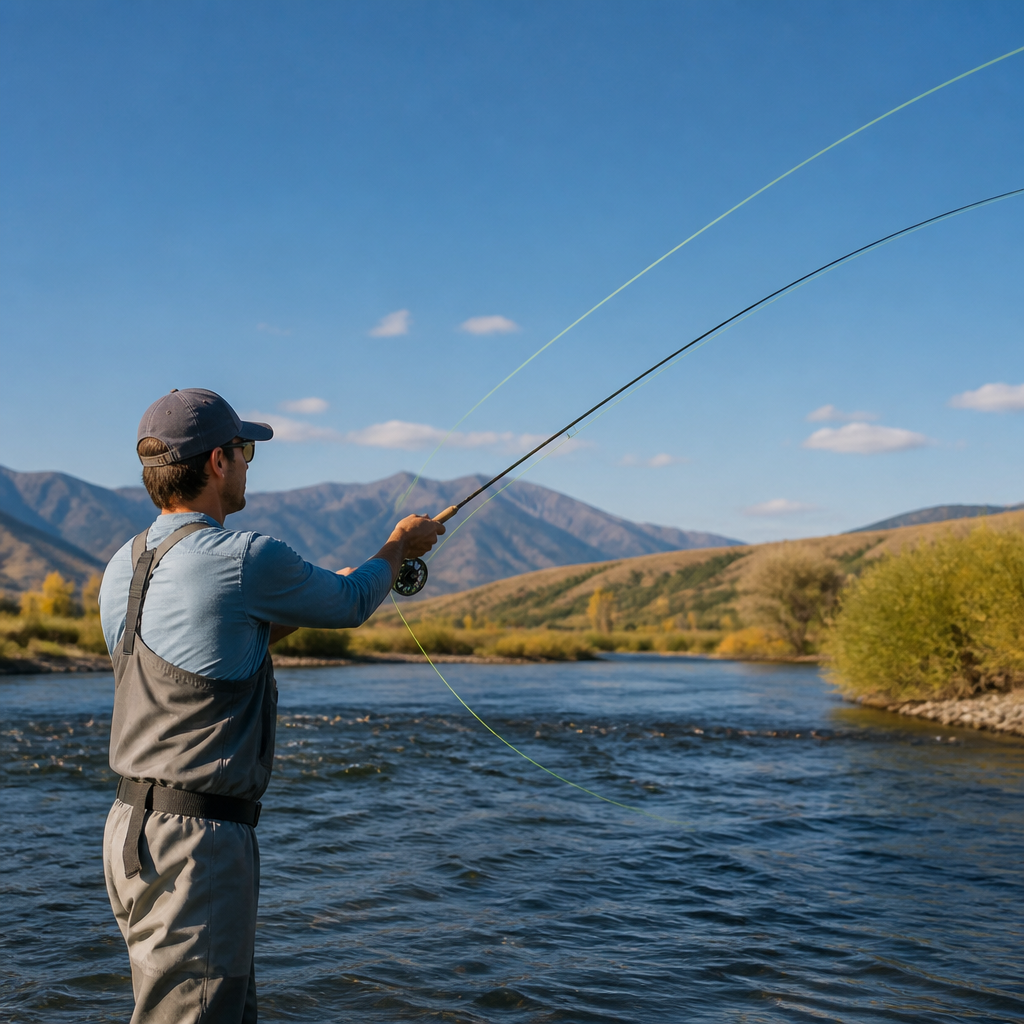
Drift control techniques vary by water type. In pocket water, high sticking and short drifts keep the fly over likely lies with little drag. In slick current, slack-line casts such as the reach cast, parachute cast, or pile cast buy crucial seconds of natural drift. For emergers and nymphs during a hatch, a lightly weighted fly or a greased leader presentation can hold the imitation just under the film, where many takes occur. Strike indicators are useful, but in very clear small streams I often prefer a dry-dropper or tight-line contact because large indicators can spook fish in shallow lies. The best anglers I know on small streams do not merely choose the right bug; they choose the right angle, lane, and speed so the bug appears alive or helpless in exactly the way trout expect.
Building a reliable small-stream hatch strategy through the season
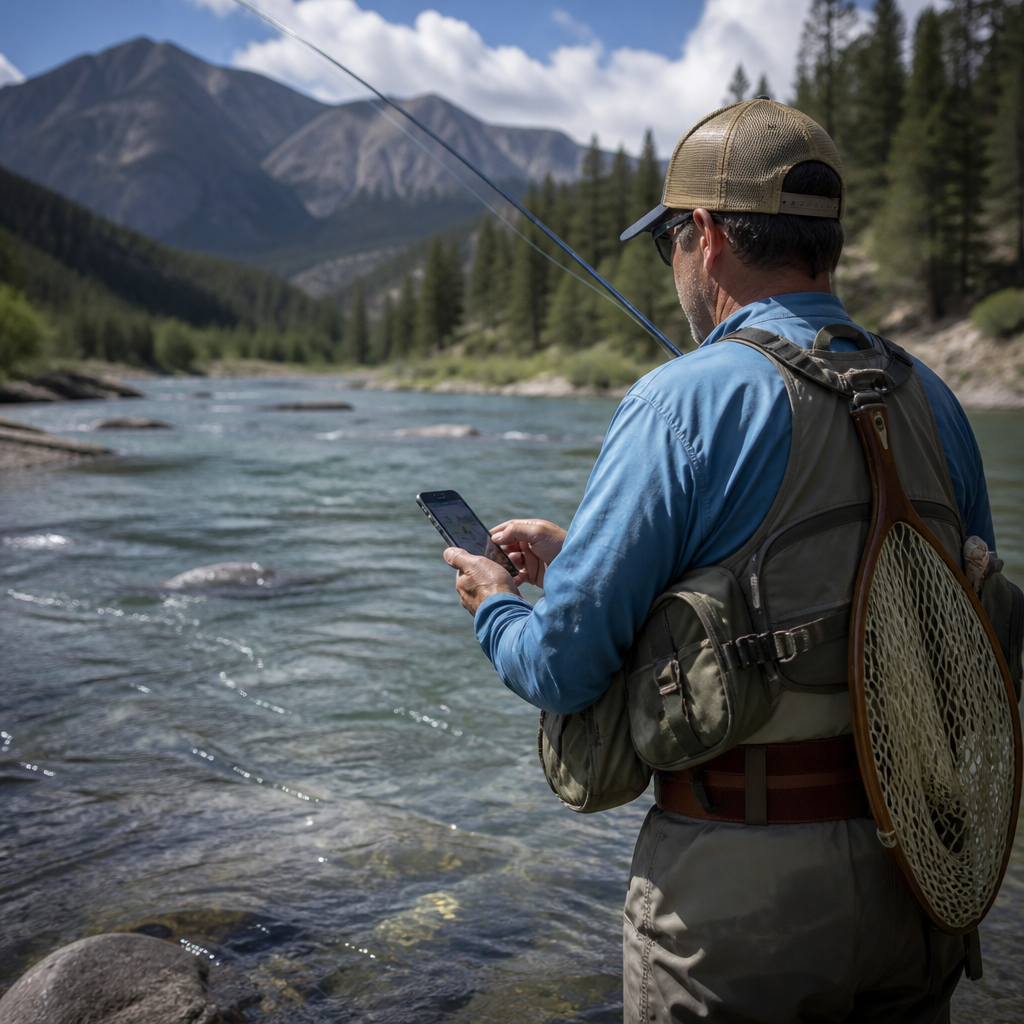
A dependable hatch strategy starts with records. Keep notes on water temperature, weather, flow level, insect activity, and successful patterns. Over time, predictable windows appear. Blue-winged olives often improve when temperatures are cool and the sky is overcast. Sulfurs frequently intensify in low light. Caddis can pulse in the evening and remain important after adults vanish because pupa continue drifting. Stream gauges from the USGS help explain why a hatch felt sparse one day and strong the next; a sudden cold release, runoff spike, or low summer flow can shift emergence timing and trout position. Digital tools such as TroutRoutes, onX, and regional hatch charts are useful starting points, but they do not replace field observation because neighboring tributaries often fish differently on the same date.
As the hub for this subtopic, the most important lesson is that matching the hatch in small streams is a decision process, not a memorization exercise. Identify what is present, determine which stage trout prefer, choose a pattern that captures the right size and posture, and present it with a drag-free drift from a careful angle. When fish refuse, diagnose behavior before changing flies at random. When no obvious hatch appears, start with versatile searching patterns, then adjust as clues accumulate. This approach consistently shortens the path from guesswork to repeatable success. If you want to fish small streams more effectively, build a compact hatch notebook, stock a stage-focused fly box, and spend ten extra minutes observing before the first cast. Those habits turn matching the hatch from a slogan into a system that catches trout.
Frequently Asked Questions
What does “matching the hatch” mean in small stream fly fishing?
Matching the hatch in small streams means choosing a fly that closely resembles the insects trout are actively feeding on at that moment, then presenting it in a way that looks natural in tight, often highly visible water. In practical terms, that usually involves paying attention to the size, shape, color, and stage of the insect life cycle trout are targeting. On small streams, trout often have less time to inspect a fly than fish in slower, broader water, but they can still become very selective when a hatch is underway. If mayflies are drifting in the current, caddis are popping off the surface, or midges are clustering in softer seams, trout may ignore attractor patterns and focus almost entirely on what they are seeing repeatedly.
What makes this especially important in narrow streams is the combination of close-range fishing and concentrated feeding lanes. Trout in intimate water often hold in short pockets, undercut banks, plunge pools, and current breaks where food funnels directly to them. Because the feeding window can be narrow and the drift path short, a well-matched fly frequently outperforms a generic one. Matching the hatch does not require perfect imitation every time, but it does require observation. Anglers who notice whether trout are feeding on emergers, duns, spent adults, or subsurface nymphs usually catch more fish than those who cast first and diagnose later.
How can I identify what trout are eating on a small stream?
The fastest and most reliable way to identify what trout are eating is to slow down and observe before making repeated casts. Start by watching the water for a few minutes. Are you seeing splashy rises, subtle dimples, or fish flashing below the surface? Splashy takes often suggest caddis or fast-moving prey, while delicate sips usually point to mayflies, midges, or emergers. Next, look in the air and on the water. Adult insects drifting in current seams, fluttering over riffles, or collecting in eddies can tell you whether a hatch is happening and which bugs are involved.
It also helps to inspect streamside rocks, overhanging vegetation, and shallow margins. Turning over a few rocks can reveal nymphs or larvae that are about to emerge. Mayfly nymphs, caddis larvae, and stonefly nymphs all have distinct profiles, and learning those basics can dramatically improve your fly selection. If trout are rising but refusing your dry fly, check for shucks on the water or trapped emergers in the film, because fish often key on that vulnerable transitional stage rather than fully formed adults. In very small streams, you can sometimes spot the exact insects drifting by if you kneel low and watch a foam line or calm pocket closely.
Another useful clue is what comes back on your hook or leader after a missed strike. Tiny wings, shucks, or bits of plant matter can help you narrow the hatch down. If local regulations and ethics allow, a quick look at a trout’s mouth after landing it may also reveal size and color cues from recently eaten insects. The main point is that observation beats guessing. Even a rough match in size and behavior often matters more than finding the exact commercial fly name.
Which insect hatches matter most when fishing small streams for trout?
The most important hatches on small streams usually involve mayflies, caddisflies, midges, and stoneflies, though the significance of each depends on region, season, elevation, and stream type. Mayflies are often the classic hatch that anglers think of first because trout can become extremely focused on them, especially during gentle emergences when duns or emergers drift naturally through feeding lanes. In many small streams, Blue-Winged Olives, Pale Morning Duns, and various small spring or summer mayflies can create excellent dry-fly opportunities.
Caddisflies are equally important and, in some streams, even more consistent. Trout feed on caddis larvae subsurface, pupae as they ascend, and adults as they skitter or flutter across the surface. During a caddis event, fish may feed aggressively and move farther than usual to intercept food. Midges are critical year-round, especially in colder months or on streams where larger insect activity is limited. They are easy to overlook because they are small, but trout often key on them with surprising precision.
Stoneflies matter a great deal on many small streams because these waters often contain healthy, broken-pocket habitat where stonefly nymphs thrive. While major stonefly hatches can be seasonal highlights, smaller stoneflies can remain important over long periods. Terrestrials also deserve mention, even though they are not aquatic hatches in the strict sense. On brushy, intimate streams, ants, beetles, hoppers, and inchworms can become major food sources, especially in summer. A skilled small-stream angler thinks beyond one bug category and considers what is most available to trout at that moment.
Do I need exact fly patterns to match the hatch effectively on small streams?
No, you do not need exact fly patterns in most situations, but you do need the right general imitation. On small streams, exactness is often less about owning the one perfect pattern and more about matching the essential triggers trout notice first: size, silhouette, color tone, and behavior. A fly that is close in length, rides at the correct level in the water, and moves naturally through the current will usually outperform a technically accurate pattern that drags or sits unnaturally. Trout respond to what looks edible and familiar, especially in short feeding windows.
That said, there are times when a more precise match matters. During concentrated mayfly hatches, heavy midge activity, or periods of repeated refusals, the difference between a size 16 and a size 18, or between a high-floating dry and a film-riding emerger, can be significant. In those situations, narrowing the pattern to the right life stage becomes just as important as color or profile. For example, if trout are feeding just under the surface, switching from a dry adult imitation to an emerger often solves the problem quickly.
A smart small-stream fly box includes a compact range of proven patterns rather than dozens of hyper-specific options. A few parachute dries, caddis adults, soft hackles, pheasant tails, hare’s ears, small attractor nymphs, and terrestrials can cover a huge percentage of real feeding situations. The real skill is learning when to simplify and when to refine. If trout are opportunistic, a general impression works. If they are locked onto one food form, small adjustments become the difference between follows and takes.
How should I present a fly when matching the hatch in tight, narrow water?
Presentation is often more important than pattern on small streams because trout have little room for error in confined current lanes. Even the best hatch match will fail if it lands heavily, drags immediately, or travels at the wrong speed. In tight water, your goal is usually a short, controlled drift that begins naturally from the first instant the fly touches down. That means approaching carefully, staying low, and using the shortest effective cast. Because fish in small streams are often close, stealth matters as much as accuracy. Heavy footfalls, careless false casting, or a high profile against the sky can put trout down before the drift even begins.
When fishing dries during a hatch, target the exact lane where natural insects are drifting and allow the fly to float with no visible tension. Reach casts, bow-and-arrow casts, and high-stick approaches are all valuable on overgrown streams where standard casting is limited. If trout are feeding just below the film, lightly weighted emergers, unweighted nymphs, or soft hackles can be especially effective because they imitate the vulnerable stage many fish prefer. In pocket water, a short dead drift followed by a subtle lift can suggest an insect rising to emerge, which often triggers strikes.
Line control is critical. On narrow streams, conflicting currents can create drag almost instantly, so keep as much fly line off the water as practical and mend early when you can. Also think about angle. Approaching from downstream or quartering across often gives the trout the most believable first look at the fly. If a fish refuses once, do not assume the pattern is wrong immediately. Sometimes the drift, depth, or angle caused the rejection. Matching the hatch works best when fly selection and presentation support each other, and in small streams, that partnership is what turns brief opportunities into steady success.