Fish populations are the foundation of aquatic ecosystems, food security, and countless coastal economies, yet many people only notice them when a favorite species becomes scarce or prices rise. In practical terms, a fish population is a group of fish of the same species living in a defined area and breeding often enough to share a common gene pool. Conservation means protecting those populations so they remain abundant, diverse, and resilient over time rather than collapsing under pressure. I have worked with fisheries data, habitat assessments, and public-facing conservation campaigns, and one lesson stands out: healthy fish populations do not happen by accident. They depend on measurable biological indicators, careful management, and public participation. This topic matters because overfishing, habitat loss, pollution, invasive species, warming waters, and poorly planned development can all shrink fish stocks faster than many communities expect. It also matters because fish are not just wildlife; they are protein sources for billions of people, indicators of water quality, and anchors of recreation and tourism. Understanding how populations change is the first step toward making decisions that actually help. Whether you are an angler, diver, seafood buyer, student, or waterfront resident, your choices affect fish abundance directly or indirectly. The good news is that fish conservation is not limited to scientists or regulators. Ordinary actions, when aligned with science, support recovery and long-term sustainability.
What fish populations are and how scientists measure them
A fish population is not simply a headcount of fish in a lake, river, estuary, or ocean zone. Scientists assess population status by looking at abundance, age structure, growth rates, reproduction, mortality, and distribution. In fisheries management, the term stock often refers to a managed population unit, such as Atlantic cod in a specific region or Chinook salmon in a named river system. Stock assessments combine data from surveys, commercial landings, recreational catch records, tagging studies, and biological sampling. The goal is to estimate whether a population is stable, growing, or declining, and whether fishing pressure is sustainable.
One of the most useful concepts is spawning stock biomass, the total weight of mature fish able to reproduce. If that biomass falls too low, a population can struggle to replace itself even if fishing later decreases. Recruitment, meaning the number of young fish surviving to join the population, is another key measure. I have seen assessments where adult numbers looked acceptable for a few years, but weak recruitment signaled trouble ahead. Size and age data matter too. A population dominated by younger, smaller fish can indicate that older breeding fish have been removed too quickly. Scientists also use catch per unit effort, acoustic surveys, genetic analysis, and environmental DNA to understand trends more accurately. These methods help answer the question many people ask first: how do we know fish populations are in trouble? The answer is that repeated, standardized monitoring reveals declines in abundance, reduced body size, shrinking range, or reproductive failure well before a species disappears entirely.
Why fish populations decline in the first place
Fish populations decline when mortality exceeds the population’s ability to replenish itself. Overfishing is the most familiar cause, but it is rarely the only one. Removing too many fish, especially large breeding adults, reduces reproductive capacity and alters population structure. Unsustainable harvest can occur in industrial fleets, local commercial fisheries, or recreational sectors when limits are outdated or weakly enforced. Illegal, unreported, and unregulated fishing adds another layer by undermining the assumptions behind management plans.
Habitat degradation is equally serious. Wetlands, seagrass beds, mangroves, floodplains, coral reefs, gravel spawning beds, and woody river margins serve as nurseries, shelter, and feeding grounds. When shorelines are hardened, streams are dammed, sediment loads increase, or estuaries are dredged, fish lose the places that support each life stage. Pollution compounds the damage. Nutrient runoff can trigger algal blooms and low oxygen zones; pesticides and heavy metals impair development and survival; plastics can affect feeding and health. Climate change shifts water temperature, current patterns, dissolved oxygen, and acidity, changing where fish can live and how successfully they reproduce. I have watched managers struggle when a species faces both harvest pressure and warming habitat, because fixing only one problem does not restore the population. Invasive species, disease, and barriers to migration further reduce resilience. In short, declining fish populations usually reflect multiple pressures acting at the same time, which is why conservation must be broad rather than single-issue.
How conservation works in real fisheries and habitats
Effective fish conservation starts with matching management tools to the biology of the species and the threats it faces. Catch limits are the best-known tool, but they work only when based on credible stock assessments and updated regularly. Size limits protect juveniles by allowing fish to reproduce before harvest, while slot limits protect both small fish and the largest breeders. Seasonal closures reduce pressure during spawning periods, and area closures protect nursery grounds, reefs, and migration corridors. Gear rules matter as well. Circle hooks can reduce deep hooking in some recreational fisheries, turtle excluder devices lower bycatch in shrimp trawls, and selective nets reduce capture of non-target species.
Habitat restoration is often the difference between temporary relief and lasting recovery. Removing obsolete dams can reopen spawning habitat for migratory fish such as salmon, alewife, and shad. Replanting mangroves and restoring oyster reefs improve nursery habitat and water quality for many coastal species. In streams, adding woody structure, reconnecting floodplains, and stabilizing eroding banks can improve survival for trout and other freshwater fish. Marine protected areas also contribute when they are well designed, enforced, and connected to surrounding habitats. They are not a cure-all, but they can rebuild biomass, protect older age classes, and supply spillover to adjacent fishing grounds.
| Conservation tool | What it protects | Plain-language example |
|---|---|---|
| Catch limits | Overall abundance | Managers reduce annual harvest when surveys show a stock is below target biomass. |
| Size or slot limits | Juveniles and large breeders | Anglers keep mid-sized fish but release small fish and trophy females. |
| Seasonal closures | Spawning success | A river section closes during the weeks when fish are concentrated on spawning beds. |
| Habitat restoration | Nursery, feeding, and migration areas | A marsh restoration project increases juvenile fish survival in an estuary. |
| Gear modifications | Non-target species and released fish | Using barbless hooks shortens handling time and improves survival after release. |
When these tools are used together, results can be substantial. Several U.S. fish stocks have rebuilt under science-based management implemented through the Magnuson-Stevens Fishery Conservation and Management Act, and similar progress has occurred in places where quotas, habitat protection, and compliance improved together. The lesson is clear: conservation succeeds when management is adaptive, habitat is valued, and monitoring continues after rules are adopted.
What individuals can do to support fish conservation
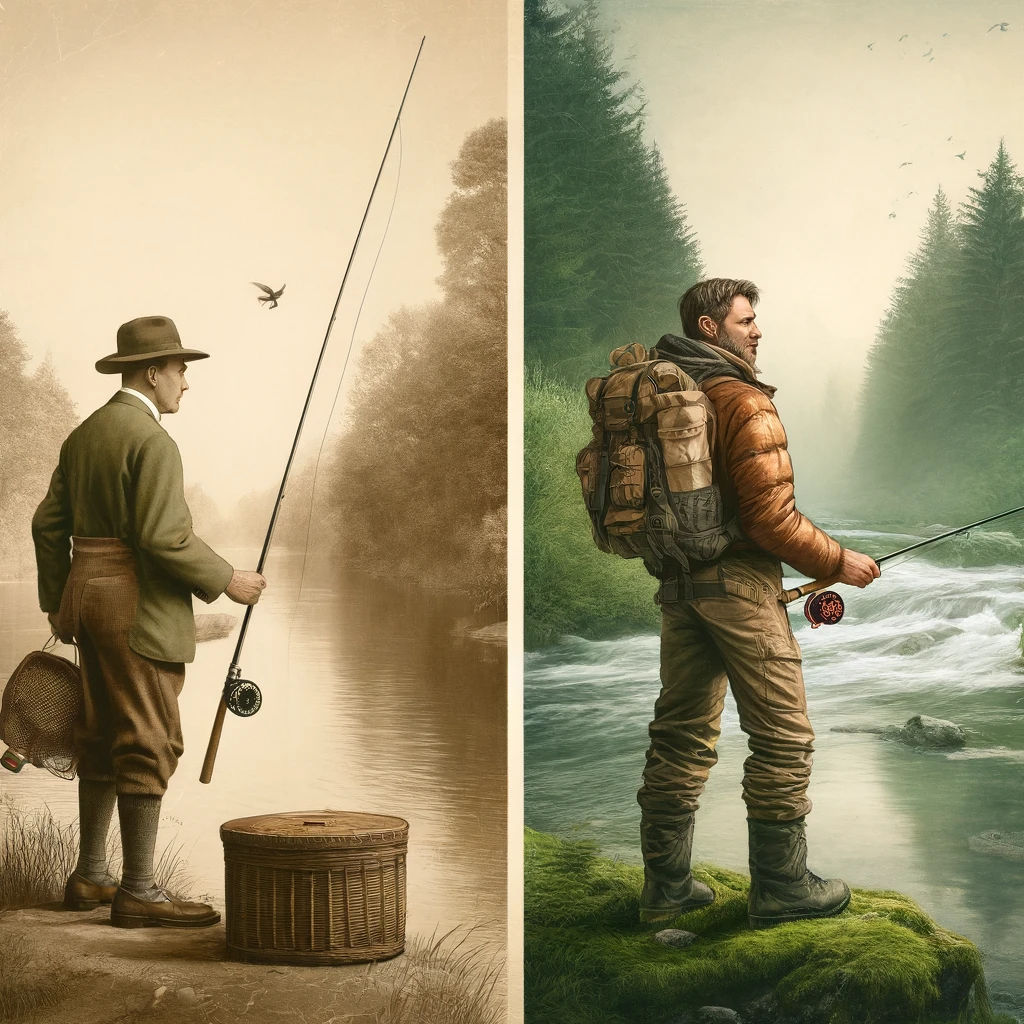
People often ask how to contribute to fish conservation if they are not marine biologists or policy makers. The practical answer is that individual choices influence demand, habitat quality, compliance, and local stewardship. If you fish recreationally, follow regulations exactly, including size limits, possession limits, closed areas, and seasonal closures. Regulations are not arbitrary inconveniences; they are translated biology. Use tackle that reduces injury, keep fish wet during release when possible, minimize handling, and stop fishing when water temperatures make released fish unlikely to survive. I have seen anglers unintentionally harm fish by taking prolonged photos during warm-weather catch-and-release periods. Small behavior changes matter.
Seafood purchasing also shapes conservation outcomes. Look for guidance from credible programs such as the Marine Stewardship Council, Monterey Bay Aquarium Seafood Watch, or national sustainable seafood advisories. No certification system is perfect, but informed buying reduces support for poorly managed fisheries and destructive gear. Ask where seafood came from, how it was caught or farmed, and whether the source is traceable. Supporting responsible aquaculture can help too, especially operations with strong feed management, disease controls, and waste reduction.
Community action is another powerful lever. Participate in river cleanups, wetland restoration days, or local watershed groups. Reduce fertilizer and pesticide runoff from lawns and gardens, because storm drains often carry those pollutants straight to fish habitat. Maintain septic systems, dispose of fishing line properly, and never release aquarium species or live bait into natural waters. If you live near shorelines, advocate for living shorelines, riparian buffers, and stormwater controls rather than hard infrastructure that strips habitat value. Citizen science projects, including fish counts, water quality monitoring, and invasive species reporting, help agencies fill data gaps. Finally, vote and speak up. Public comment periods for fishery rules, dam removals, water withdrawals, and coastal development decisions genuinely affect outcomes. Conservation improves when informed citizens engage early, not after a collapse becomes obvious.
Common myths, tradeoffs, and how to think like a conservationist
One persistent myth is that fish populations are so productive that they will always bounce back if left alone for a short time. Some do recover quickly, especially short-lived species with high reproductive rates, but others do not. Long-lived fish that mature late, such as many groupers, sharks, and sturgeon, can take decades to rebuild after severe depletion. Another myth is that hatcheries solve conservation problems. Hatcheries can support fisheries or supplement imperiled runs in specific contexts, but they do not replace intact habitat, and poorly managed releases can create genetic and ecological risks for wild fish.
There are tradeoffs in nearly every conservation decision. Closing an area to fishing can protect spawning grounds while causing short-term economic pain for fishing communities. Removing a dam can restore migration but may affect reservoirs, power production, or local preferences. Aquaculture can reduce pressure on some wild stocks yet introduce disease, escape, feed, and habitat concerns if poorly regulated. Good conservation acknowledges these realities instead of pretending every measure is painless. What matters is transparent decision-making grounded in evidence.
Thinking like a conservationist means focusing on systems, not isolated symptoms. Ask what stage of the life cycle is under pressure. Is a species failing because adults are overharvested, because juveniles lack nursery habitat, because warming water exceeds thermal limits, or because migration routes are blocked? The right answer depends on the mechanism. It also means recognizing uncertainty without using it as an excuse for delay. Fisheries science is probabilistic, but uncertainty usually strengthens the case for precaution. If managers wait for perfect data, populations can cross thresholds that are expensive or impossible to reverse. The most effective conservation mindset is practical: protect habitat, reduce avoidable mortality, support monitoring, and adapt policy as new evidence appears.
Understanding fish populations changes conservation from an abstract environmental slogan into a set of concrete, effective actions. Fish populations are defined by abundance, reproduction, age structure, and habitat use, and they decline when harvest, habitat damage, pollution, climate stress, or invasive species push mortality beyond recovery. The strongest conservation programs combine stock assessment, harvest rules, gear standards, habitat restoration, and enforcement. Just as important, they rely on public cooperation. From my experience, the biggest gains often come when science and everyday behavior align: anglers handle fish responsibly, consumers choose traceable seafood, residents reduce runoff, and communities defend wetlands, rivers, reefs, and estuaries before damage becomes severe. That is why fish conservation is not only a government task. It is a shared responsibility built on informed choices. If you want to help, start with one step today: check your local fishery regulations, support one habitat project, or change one buying habit toward sustainable seafood. Small actions, repeated widely, give fish populations the room they need to recover and thrive for generations.
Frequently Asked Questions
What is a fish population, and why does it matter for conservation?
A fish population is a group of fish from the same species that live in a specific area and reproduce often enough to share a common gene pool. That definition matters because conservation works best when people understand that not all fish of the same species are managed the same way. For example, one population of a species may be healthy in one region while another is declining in a nearby river, lake, estuary, or coastal zone. Looking at fish populations rather than just species in general helps scientists, fishers, and policymakers make more accurate decisions about harvest limits, habitat restoration, and long-term protection.
Fish populations are essential because they support entire aquatic ecosystems. They help move energy through food webs, balance predator-prey relationships, and contribute to waterway health. They also matter directly to people. Healthy fish populations support commercial and small-scale fisheries, recreational angling, tourism, cultural traditions, and food security for communities around the world. When populations decline, the effects can spread quickly, leading to ecosystem instability, economic losses, and reduced access to affordable protein. Conservation focuses on keeping populations abundant, genetically diverse, and resilient enough to withstand pressures such as overfishing, pollution, habitat loss, and climate change.
What are the biggest threats to fish populations today?
Fish populations face multiple pressures at the same time, and that is one reason conservation can be complex. Overfishing remains one of the most visible threats. When too many fish are removed too quickly, especially breeding adults, populations may not have time to recover. Unsustainable harvest practices can also alter age structure, reduce reproductive capacity, and make populations more vulnerable to disease and environmental change. Bycatch, which is the accidental capture of non-target species, adds further stress to already pressured ecosystems.
Habitat degradation is another major driver of decline. Fish depend on healthy spawning grounds, nursery habitats, migration routes, wetlands, reefs, seagrass beds, and clean river systems. Dams, shoreline development, dredging, deforestation, and wetland destruction can fragment or eliminate these habitats. Pollution compounds the problem. Agricultural runoff, plastic waste, oil contamination, heavy metals, and untreated sewage can reduce oxygen levels, disrupt reproduction, and damage food sources. Climate change is intensifying many of these impacts by warming waters, shifting ocean chemistry, altering currents, increasing extreme weather events, and changing the timing of migration and spawning. In many places, invasive species and disease outbreaks also put native fish populations under additional strain.
How do scientists know whether a fish population is healthy or in decline?
Scientists evaluate fish populations by combining field observations, catch data, habitat assessments, and long-term monitoring. One key measure is abundance, or how many fish are present in a given area. Researchers also look closely at population structure, including the age and size of fish. A healthy population usually includes a mix of juveniles and mature adults, which suggests that spawning is happening successfully and younger fish are surviving. If surveys show very few large breeding adults or poor recruitment of young fish over time, that can be an early warning sign of decline.
Scientists also study reproductive success, growth rates, mortality, migration patterns, and genetic diversity. Methods can include net sampling, acoustic surveys, underwater cameras, tagging programs, environmental DNA testing, and analysis of fishery landings. Habitat quality is equally important, because even if fish are still present, damaged spawning grounds or blocked migration routes may indicate serious future risk. These assessments are then used to model trends and estimate whether a population is stable, rebuilding, or falling below sustainable levels. Good conservation decisions rely on this kind of evidence-based monitoring because fish populations can change gradually at first, then rapidly if pressures are ignored.
What can individuals do to help conserve fish populations?
Individuals can make a meaningful difference, especially when many small actions add up. One of the most practical steps is to choose seafood responsibly. Buying species from well-managed fisheries, avoiding products linked to destructive harvest methods, and paying attention to seasonal and local guidance can reduce pressure on vulnerable populations. Recreational anglers can contribute by following catch limits, respecting closed seasons, using appropriate gear, handling fish carefully during catch-and-release, and never moving live bait or species between waterways. These habits help reduce unnecessary mortality and prevent the spread of invasive organisms and disease.
Beyond fishing choices, people can support fish populations by protecting water quality and habitat in everyday life. Reducing fertilizer and pesticide use, disposing of chemicals properly, limiting plastic waste, and participating in shoreline or river cleanups all help maintain healthier aquatic environments. Supporting wetland restoration, dam removal where appropriate, sustainable watershed planning, and local conservation organizations can have long-lasting benefits. Citizen science also plays an important role. Reporting fish sightings, participating in community monitoring projects, and staying informed about local conservation issues can strengthen data collection and public support for science-based management. Even conversations matter, because public awareness often shapes the policies that determine whether fish populations recover or continue to decline.
Why is conserving fish populations important for ecosystems, economies, and future generations?
Conserving fish populations is about much more than protecting a single resource. Fish are central to aquatic ecosystems, and when populations are stable, they help maintain ecological balance across rivers, lakes, estuaries, and oceans. Predatory fish regulate prey numbers, forage fish feed birds and marine mammals, and many species play roles in nutrient cycling that affect the health of entire habitats. When populations collapse, those relationships can unravel, sometimes in ways that are difficult and expensive to reverse. Conservation helps preserve biodiversity and keeps ecosystems functioning in ways that support both wildlife and people.
The economic importance is equally significant. Fisheries and aquaculture support millions of jobs worldwide, from harvesters and processors to market vendors, tourism operators, and restaurant workers. Coastal and inland communities often depend on reliable fish populations for income, cultural identity, and food access. Conservation protects that stability by promoting sustainable use rather than short-term depletion. For future generations, healthy fish populations mean continued access to nutritious food, recreational opportunities, and resilient natural systems. In simple terms, conservation is an investment in long-term abundance. It helps ensure that today’s choices do not leave tomorrow’s communities with degraded ecosystems, weakened local economies, and far fewer options for recovery.