Fly fishing ethics shape every decision on the water, from where an angler steps to how a fish is released, and they determine whether rivers stay healthy enough to support wild trout, salmon, grayling, bass, and the broader web of life that depends on clean, functioning habitat. In practical terms, fly fishing ethics means applying moral judgment and field-tested best practices to angling behavior so that recreation does not damage fish populations, wildlife, private property, or the experience of other people. I have spent enough dawns on crowded tailwaters, tiny spring creeks, and wind-beaten stillwaters to know that ethics are not abstract ideals discussed only in club meetings; they are visible in boot prints along spawning gravel, in fish handled too long for a photograph, and in the difference between a riverbank left cleaner than it was found and one littered with tippet clippings and coffee cups.
Ethics matter because fly fishing is often promoted as a close-to-nature sport, yet closeness alone does not equal stewardship. A person can admire a trout stream while still stressing fish during high water temperatures, trampling redds during spawning season, or crowding another angler through impatience. The core ethical questions are simple: Does this action reduce unnecessary harm? Does it protect habitat? Does it respect wildlife, landowners, and fellow anglers? If the answer is no, the action needs to change. These questions sit alongside regulations, but they are not the same thing. The law sets the minimum acceptable standard. Ethics ask more from us, especially when enforcement is absent and ecological damage can occur long before a ticket is written.
For modern anglers, ethical fly fishing also intersects with conservation science. Fisheries biologists have documented how water temperature, dissolved oxygen, fight duration, air exposure, and handling technique affect post-release survival. Organizations such as Trout Unlimited, Keep Fish Wet, Bonefish & Tarpon Trust, and the Atlantic Salmon Federation have translated those findings into practical guidance that any angler can use. The result is clear: catch-and-release is only as ethical as the method behind it. A fish that swims away immediately is not always a fish that survives. Respecting nature and wildlife therefore requires more than good intentions. It requires informed habits, consistency, and the humility to stop fishing when conditions make success likely but survival uncertain.
This article explains the essential principles of fly fishing ethics in plain terms: how to minimize fish stress, protect habitat, interact responsibly with birds and mammals, navigate access and crowding, and support long-term conservation. If you want a direct answer to the question, “What is ethical fly fishing?” it is this: ethical fly fishing means pursuing fish in ways that prioritize ecosystem health over personal convenience, achievement, or social media content. That standard is demanding, but it is also what keeps the sport credible and the waters we love productive for future seasons.
Protecting Fish Through Responsible Catch and Release
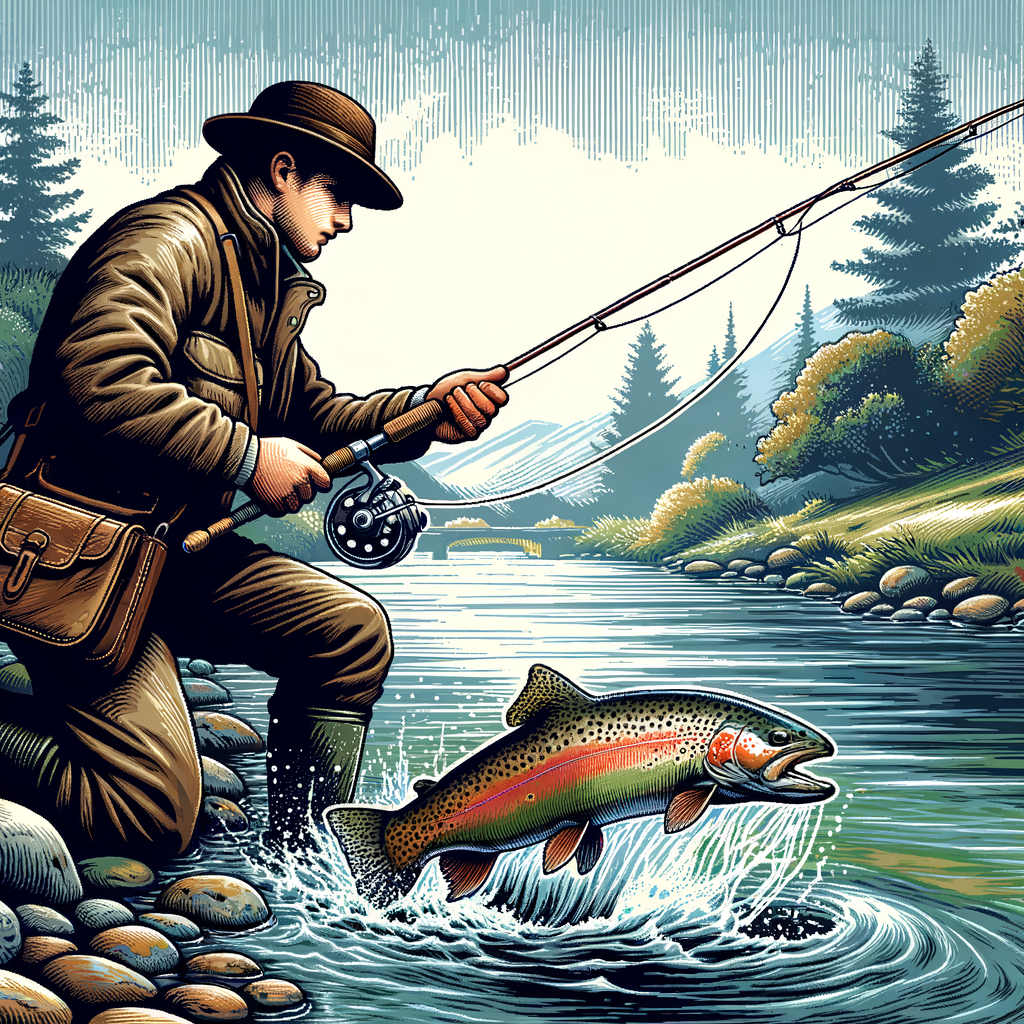
The most immediate ethical responsibility in fly fishing is reducing harm to the fish itself. In my own fishing, this starts before the first cast, with tackle choices matched to species, water size, and current speed. Using an undersized rod or weak tippet can make a fight feel dramatic, but prolonged fights build lactate, increase exhaustion, and reduce post-release recovery. On warm summer rivers, that extra minute matters. Ethical catch and release means landing fish efficiently, using barbless or de-barbed hooks when regulations allow, and choosing patterns that are less likely to be deeply swallowed. For many trout and grayling situations, a single barbless hook is the clearest low-impact option.
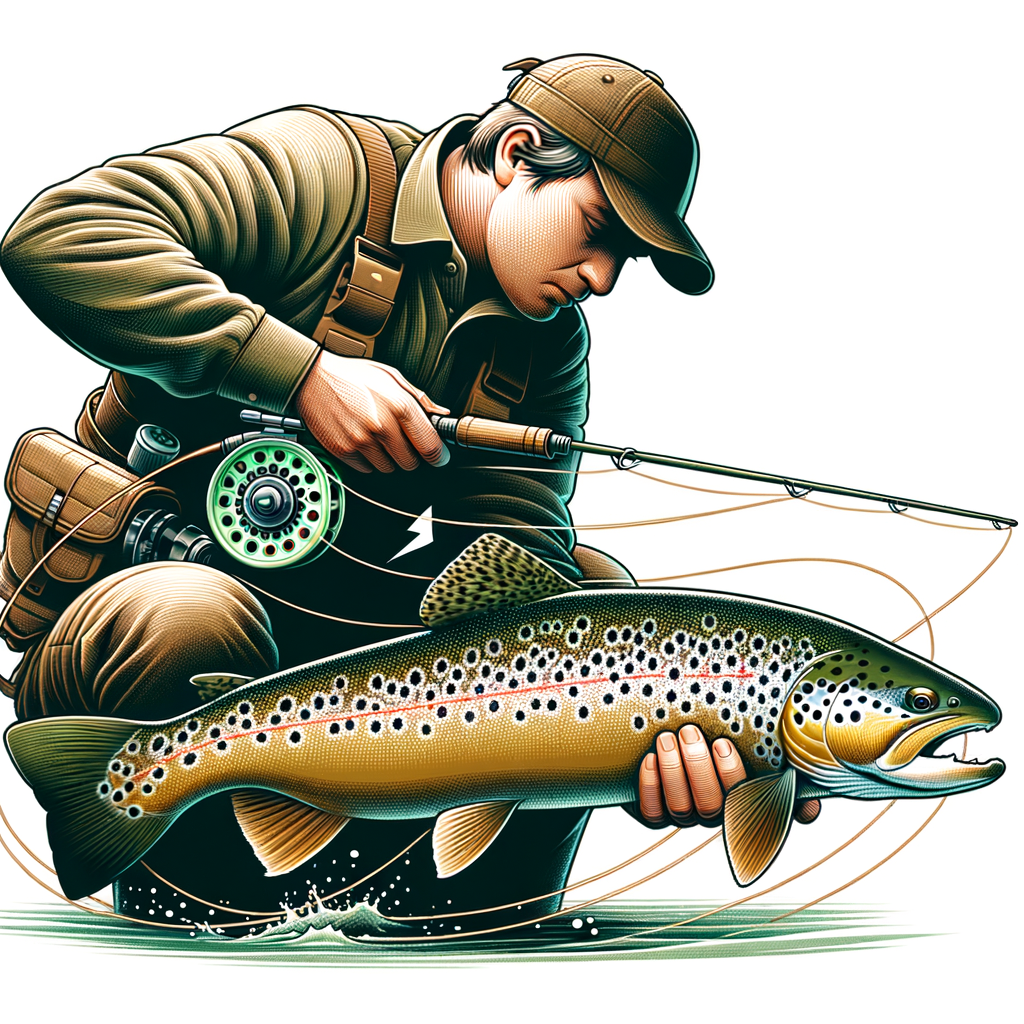
Handling is where many anglers unintentionally fail. Scientific guidance from Keep Fish Wet and multiple fisheries agencies emphasizes three fundamentals: keep fish in the water as much as possible, wet your hands before touching them, and avoid squeezing the body or gill area. Trout and salmon are protected by a delicate mucus layer that reduces infection risk; dry hands, rough nets, and extended contact with hard surfaces damage that protection. A rubber or silicone landing net is far better than old knotted mesh because it reduces fin abrasion and tangling. If a hook can be removed while the fish remains submerged, that is usually the best-case release.
Water temperature deserves direct attention because it is one of the most important ethical thresholds in freshwater fly fishing. As water warms, dissolved oxygen declines while fish metabolism rises, making recovery harder after capture. Many trout anglers use 68 degrees Fahrenheit, about 20 degrees Celsius, as a practical caution point, with some choosing to stop earlier on sensitive waters. Tailwaters and spring creeks may stay cooler, but freestones can become dangerous by late morning during heat waves. An ethical angler carries a thermometer, checks conditions, and is willing to quit even when fish are feeding. The short-term sacrifice protects the fishery better than any online statement about conservation.
Photographs are another pressure point. One fast image may be reasonable, but repeated lifts for different angles are not. The best standard is simple: net the fish, prepare the camera first, lift only briefly if at all, and support the fish horizontally. Never hold a large trout vertically by the jaw, and never drag fish onto dry rocks or grass for a hero shot. If revival is needed, hold the fish upright in moderate current until it regains balance and swims away under its own power. Pumping it back and forth aggressively is outdated and can damage gills. The ethical goal is not proof of capture; it is survival after release.
Respecting Habitat, Seasons, and the Wider Ecosystem
Ethical fly fishing extends beyond fish handling to habitat protection, because damaged habitat eventually means fewer fish regardless of how carefully they are released. One of the clearest examples is avoiding spawning redds. Trout and salmon redds often appear as clean, light-colored patches of gravel in shallow riffles and tailouts where eggs incubate after spawning. Wading through them can crush eggs and disturb the next generation before it hatches. On some rivers, I simply avoid wading in likely spawning areas during key months and fish from the bank or skip the reach entirely. That is a practical expression of respect, not an inconvenience.
Bank erosion is another overlooked issue. Repeated entry and exit at unstable points breaks vegetation, widens trails, and increases sediment in the water. Fine sediment can smother invertebrate habitat and spawning gravel, reducing the food base and reproductive success of fish. Ethical anglers use established access points, avoid cutting switchbacks, and refrain from scrambling down vulnerable banks just to reach one promising seam. The same principle applies to anchoring boats in shallow vegetation, dragging craft over fragile shorelines, or launching where signage clearly directs people elsewhere. Small acts multiplied across a season become significant ecological pressure.
Insects, amphibians, and riparian plants also deserve attention because healthy fisheries depend on entire ecosystems. Aquatic insects such as mayflies, caddisflies, and stoneflies are not just hatches to imitate; they are indicators of water quality and central links in the food web. Careless streamside behavior, including chemical contamination, discarded monofilament, and trampling of vegetation, reduces habitat complexity that shelters these organisms. On stillwaters and warmwater systems, nesting birds, frogs, and shoreline mammals can be disturbed by repeated close approach. An ethical angler notices nesting areas, gives wildlife space, and avoids casting at fish that are visibly guarding spawning sites if doing so would compromise reproduction.
Seasonal closures and local regulations usually reflect biological realities, and ignoring their intent while technically following the rule often misses the ethical point. If a river is open but fish are staging tightly before spawning, or if a lake is experiencing winter stress under low oxygen conditions, restraint may still be the right choice. The best anglers I know read agency updates, talk to local shops and guides, and adapt to conditions rather than forcing a trip because travel was booked months earlier. Conservation credibility comes from behavior when nobody is watching and when catching fish would still be possible.
Wildlife Interactions, Access Etiquette, and Shared Water
Respecting nature in fly fishing includes all wildlife, not only target species. Waterbirds, otters, beavers, moose, bears, and even livestock can be affected by angler behavior. Tippet and leader material are especially dangerous when left streamside because birds can ingest or become entangled in them. I carry a small waste container in my vest solely for clipped mono and fluorocarbon, and that habit should be standard practice. Lead split shot, where still legal, presents another concern because lost lead can poison waterfowl. Non-toxic alternatives such as tin or tungsten are better choices, and many anglers now use tungsten putty or weighted flies to avoid that risk altogether.
Crowding is the social side of ethics, and it often determines whether a day on the water feels collaborative or combative. Good stream etiquette starts with space. On rivers, never step in directly above another angler and fish down through their water. On lakes, do not anchor inside casting range of someone already working a shoreline. Ask before crossing, communicate clearly at access points, and remember that guiding clients, beginners, and local regulars all deserve the same baseline respect. The phrase “first come, first served” is not perfect, but it is usually better than assuming your schedule, social media audience, or travel budget gives you priority.
Access ethics are equally important. Much fly fishing depends on a patchwork of public rights of way, easements, club leases, and private land permissions. Gates left open, fences climbed carelessly, crops trampled, and parking areas blocked can cost entire communities valuable access. Ethical anglers know the local rules, ask permission when needed, and leave places better than they found them. That includes picking up litter that is not theirs, closing livestock gates, avoiding loud behavior near homes, and respecting no-entry zones around restoration projects. Once landowners lose trust in anglers, access is difficult to regain, and the damage extends far beyond one individual’s bad choice.
| Ethical situation | Best practice | Why it matters |
|---|---|---|
| Warm water trout fishing | Check temperature and stop near 68°F or earlier on stressed waters | Reduces post-release mortality caused by low oxygen and high metabolic stress |
| Fish handling | Use rubber nets, wet hands, and keep fish submerged during unhooking | Protects slime coat, gills, and recovery capacity |
| Spawning season | Avoid redds and do not target actively spawning fish | Prevents egg loss and reproductive disruption |
| Shared access | Give space, communicate, and use established entry points | Protects habitat and preserves a respectful angling culture |
| Waste management | Pack out tippet, hooks, and all litter | Prevents wildlife entanglement and streambank pollution |
These standards are not complicated, but they require discipline. They also improve the fishery experience. Rivers with good etiquette are less tense, more productive, and easier for newcomers to enjoy. Waters with strong access relationships and cleaner banks are more likely to remain open. In that sense, ethics are not a restraint on fly fishing; they are the operating system that keeps the sport functional.
Conservation, Stewardship, and the Ethics of Angler Influence
At its highest level, fly fishing ethics means moving from low-impact recreation to active stewardship. That shift happens when anglers understand that license fees, excise taxes on equipment in some jurisdictions, conservation memberships, and volunteer labor all contribute to fishery health. Habitat restoration projects like riparian planting, barrier removal, culvert replacement, and large woody debris installation are not abstract policy wins; they directly improve spawning success, juvenile cover, floodplain connectivity, and summer temperature resilience. I have helped on river cleanups and habitat days where a few hours of work changed how I viewed every future trip. Once you have planted willows or hauled trash out of side channels, careless behavior by other anglers becomes impossible to ignore.
Ethics also apply to information sharing. In the digital era, one viral post can overwhelm a fragile creek or small stillwater that was never equipped for heavy pressure. Posting exact locations, especially for rare fisheries or small wild trout streams, can accelerate bank erosion, fish stress, and conflict with landowners. That does not mean secrecy for its own sake. It means using judgment. Share techniques, hatches, and conservation issues freely, but think carefully before geotagging sensitive water. Many experienced anglers now blur backgrounds, name only a region, or wait until conditions change. Protecting a place sometimes means limiting your own online recognition.
Guides, outfitters, clubs, and experienced anglers carry special ethical responsibility because beginners copy what they see. If newcomers watch respected anglers beach fish for photos, ignore redds, or boast about catching trout in dangerously warm water, those habits spread quickly. The opposite is also true. Demonstrating knotless net use, quick releases, and access courtesy sets a standard that lasts. Fly shops and guide services are powerful educational channels because they connect technique to local conditions. A simple conversation about water temperature thresholds, invasive species cleaning protocols, or private land boundaries often prevents harm before it happens.
Stewardship now includes biosecurity. Invasive species and aquatic pathogens can move on felt soles, boots, nets, boats, and waders. New Zealand mud snails, didymo, whirling disease concerns in some regions, and invasive plant fragments all show how mobile anglers can unintentionally transport ecological problems between watersheds. Cleaning, draining, and drying gear is an ethical necessity, not a bureaucratic extra step. Many jurisdictions recommend Check, Clean, Dry protocols, and they work when followed consistently. If you fish multiple waters in a trip, this practice is as important as changing flies.
Ultimately, ethical fly fishing is a test of values under temptation. The temptation might be one more cast in hot water, a shortcut across private land, a dramatic photo, or the urge to post an exact location for attention. Each choice either strengthens or weakens the future of the resource. Anglers who understand that truth become more than participants in a sport. They become credible advocates for healthy rivers, abundant fish, accessible public water, and a culture that treats wildlife as living systems rather than props.
Conclusion: The Standard Worth Keeping
Fly fishing ethics can be summarized in one sentence: pursue fish in a way that leaves the water, the wildlife, and the angling community no worse off for your presence. In practice, that means using appropriate tackle, releasing fish quickly and carefully, watching water temperatures, avoiding spawning habitat, packing out every scrap of line, respecting access rules, and giving other anglers room. It also means recognizing that nature is not a backdrop for achievement. Rivers and lakes are working ecosystems, and fish are vulnerable animals subject to stress, disease, heat, habitat loss, and cumulative pressure from thousands of small human decisions.
The long-term benefit of ethical fly fishing is not only healthier fish populations, though that alone would be enough. Ethical behavior protects public trust in anglers, preserves access relationships with landowners, supports restoration efforts, and keeps the sport aligned with the conservation values it often claims to represent. Regulations will always matter, but the future of many fisheries depends just as much on voluntary restraint and informed judgment. The best anglers are rarely the ones who simply catch the most fish. They are the ones who understand when to stop, where not to step, what not to post, and how to leave a place stronger than they found it.
If you want to improve as a fly angler, start by tightening your ethics before you change your fly box. Carry a thermometer, use a rubber net, learn to identify redds, clean your gear between waters, and support one local conservation project this season. Those actions are practical, measurable, and immediately useful. More importantly, they honor the wild resources that make fly fishing possible in the first place. Respect nature and wildlife consistently, and your time on the water will mean more than a successful day; it will contribute to the future of the fishery itself.
Frequently Asked Questions
What does fly fishing ethics really mean in practice?
Fly fishing ethics is the day-to-day application of respect, restraint, and responsibility on the water. It goes beyond simply following local fishing regulations. Laws establish the minimum standard, but ethical angling often asks more of a person. In practice, it means considering how every action affects fish, habitat, wildlife, landowners, and other anglers. An ethical fly fisher avoids trampling spawning beds, handles fish in ways that reduce stress and injury, gives other anglers space, packs out trash, and treats private property boundaries seriously. It also means making good decisions even when no one is watching, such as choosing not to fish water that is too warm for trout survival or avoiding repeated casts to visibly stressed fish.
Ethics also includes awareness of the larger ecosystem. Healthy rivers and lakes support far more than game fish. Aquatic insects, amphibians, birds, mammals, and streamside vegetation are all part of the same living system. Ethical anglers understand that careless wading, bank erosion, litter, and poor fish handling can create ripple effects beyond a single catch. In that sense, fly fishing ethics is about stewardship. It reflects the idea that enjoyment of wild places carries an obligation to protect them so future anglers, and the wildlife that depend on those waters, can continue to thrive.
How can I practice catch-and-release in the most humane and responsible way?
Responsible catch-and-release starts before a fish is hooked. Tackle choices matter. Using appropriately sized rods, tippet, and flies helps land fish quickly, reducing exhaustion. Barbless hooks or pinched barbs make hook removal easier and generally reduce handling time and injury. Once a fish is hooked, the goal should be to bring it in firmly and efficiently rather than prolonging the fight for sport. Overplaying a fish can lead to severe physiological stress, especially in warm water or strong current, where recovery becomes more difficult.
When handling the fish, keep it in the water as much as possible. Wet your hands before touching it to protect its slime coating, which serves as an important barrier against disease and infection. Avoid squeezing the fish or holding it by the jaw unless the species and situation truly allow for safe support. Trout, salmon, and grayling in particular should be cradled gently with proper body support. If a photo is taken, it should be quick, prepared in advance, and done with the fish held low over the water in case it slips. The less air exposure, the better. A good rule is that if the fish is out of water long enough for the angler to fumble with gear, pose repeatedly, or search for a camera, it is out too long.
Release is just as important as landing and handling. If the fish needs revival, hold it upright in moderate current and allow it to regain balance and strength on its own. Do not force it back and forth aggressively. Watch for signs of recovery, such as steady gill movement and the ability to maintain position. In difficult conditions, the most ethical choice may be to stop fishing altogether. During periods of high water temperature, low flows, or intense pressure, even well-intentioned catch-and-release can result in delayed mortality. Ethical anglers recognize that releasing a fish is not automatically harmless; the objective is to minimize stress so the fish has a strong chance of survival after it swims away.
Why is respecting fish habitat just as important as respecting the fish themselves?
Fish depend on habitat for every stage of life, so protecting the places they live, feed, spawn, and shelter is essential to ethical fly fishing. A trout stream is not just a ribbon of water. It includes gravel beds where eggs develop, undercut banks that provide cover, submerged woody structure, cool tributaries, insect-rich riffles, and healthy streamside vegetation that stabilizes banks and moderates water temperature. If anglers focus only on the fish they catch and ignore the condition of the habitat, they miss the foundation that makes a fishery possible in the first place.
In practical terms, respecting habitat means wading carefully and selectively. Avoid stepping on redds, which are spawning nests often visible as clean, disturbed patches of gravel in shallow water. Disturbing these areas can crush eggs or disrupt reproduction. It also means entering and exiting streams at durable access points rather than trampling fragile banks and vegetation. Repeated bank damage leads to erosion, sedimentation, and degraded water quality, all of which harm aquatic life. Boaters and wade anglers alike should be mindful of anchoring, dragging gear, and cutting through shallow spawning or nursery areas.
Habitat ethics also extends beyond direct physical contact. Leaving monofilament, tippet clippings, food wrappers, or other trash behind can injure wildlife and spoil the experience for everyone. Even noise and unnecessary disturbance can affect birds, mammals, and the sense of solitude many people seek outdoors. Ethical fly fishers often go a step further by participating in conservation efforts, supporting stream restoration, reporting pollution, and advocating for sound water management. Protecting habitat is not separate from fishing ethics; it is one of its central responsibilities.
What is the proper etiquette when sharing water with other anglers, guides, and landowners?
Good stream etiquette is a major part of fly fishing ethics because rivers are shared spaces, and poor behavior can damage both relationships and the quality of the experience. One of the most basic principles is giving people room. Do not crowd another angler, step into water they are clearly fishing, or cast over water they are working through methodically. If you are unsure about someone’s direction of travel or intended water, ask politely. A short conversation can prevent conflict and shows respect. On popular rivers, patience and communication matter just as much as technical skill.
When fishing from a boat, raft, or drift craft, boaters should avoid floating directly through actively fished runs if there is a reasonable way to pass without disrupting wade anglers. Likewise, wade anglers should understand navigational realities and remain courteous. Guides and clients also share responsibility for setting a good example, both in fish handling and in how they interact with others. Loud behavior, racing to access points, or treating water as though it belongs to whoever arrives first with the most confidence reflects poorly on the sport and contributes to tension on busy fisheries.
Respect for private property is equally important. Not every accessible-looking bank is public, and assumptions can lead to trespass issues that threaten access for everyone. Ethical anglers learn local access laws, stay within legal corridors, close gates if they pass through them with permission, and never leave litter or damage fences, crops, or roads. If permission is granted by a landowner, treat that trust seriously. A courteous, responsible angler helps preserve access opportunities, while a careless one can close them. In many places, the future of fly fishing access depends on anglers consistently behaving like good guests and good neighbors.
How do weather, water temperature, and seasonal conditions affect ethical fly fishing decisions?
Conditions on the water can dramatically change what ethical fishing looks like. For example, trout and salmon are cold-water species that become highly stressed when water temperatures rise. In warm conditions, dissolved oxygen drops while fish metabolism and stress increase, making catch-and-release much more dangerous. An ethical angler monitors water temperature, understands species-specific thresholds, and is willing to stop fishing when conditions become unsafe. On many trout streams, that may mean fishing only early in the morning during summer heat, or not fishing at all during severe low-flow periods.
Seasonal timing also matters. During spawning periods, fish are particularly vulnerable. Targeting fish on redds or repeatedly disturbing spawning areas may be legal in some places, but it is widely considered unethical because it interferes with reproduction and can damage the next generation of the fishery. High water, drought, extreme cold, and post-storm conditions each bring their own concerns as well. Muddy runoff can make fish more vulnerable to overhandling if they are exhausted in heavy current, while drought can concentrate fish in small refuges where repeated pressure becomes especially harmful.
Ethical judgment means adapting tactics to conditions instead of fishing as though every day is the same. Sometimes that means changing target species, moving to more resilient waters, shortening outings, or putting the rod away entirely. It also means paying attention to local advisories, conservation requests, and temporary closures, whether mandatory or voluntary. The best anglers are not simply the ones who catch fish in every condition. They are the ones who recognize when restraint is the most responsible choice. That mindset is at the heart of respecting nature and wildlife through fly fishing.