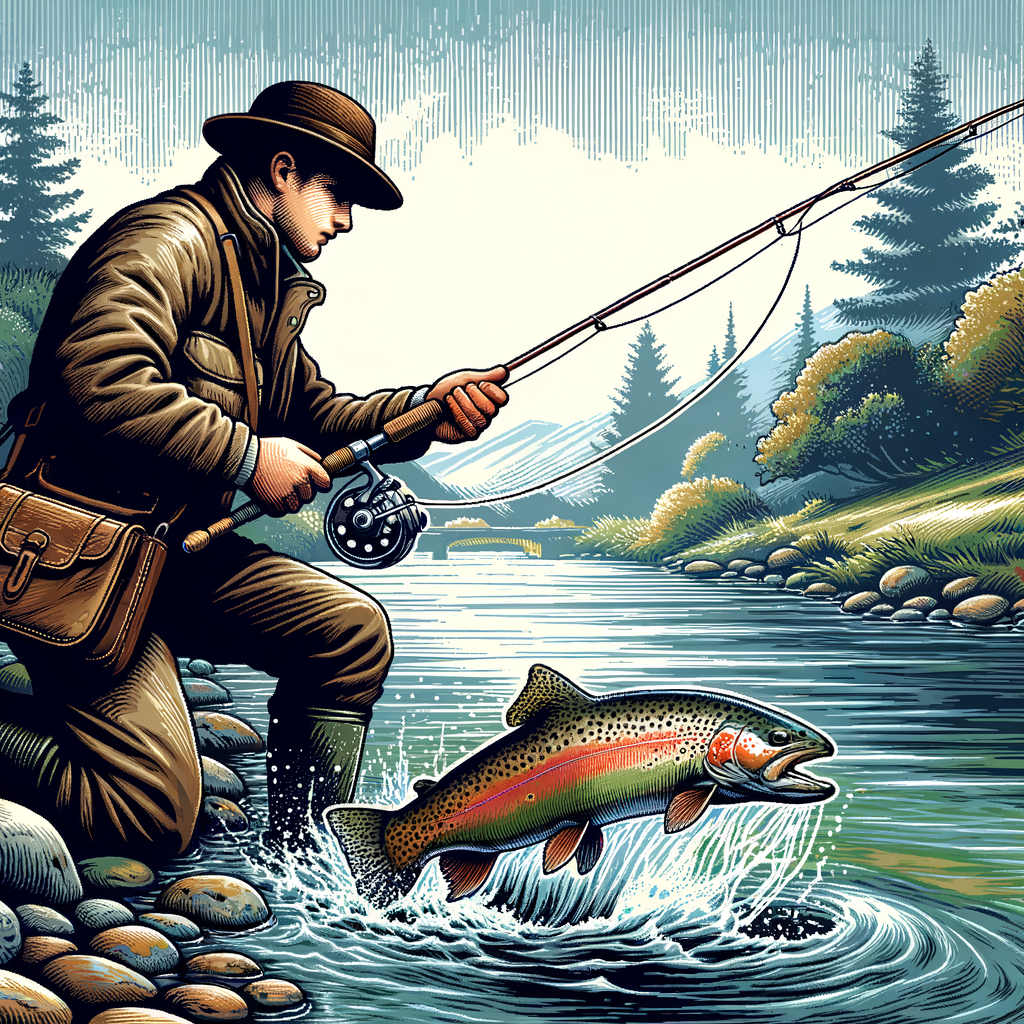
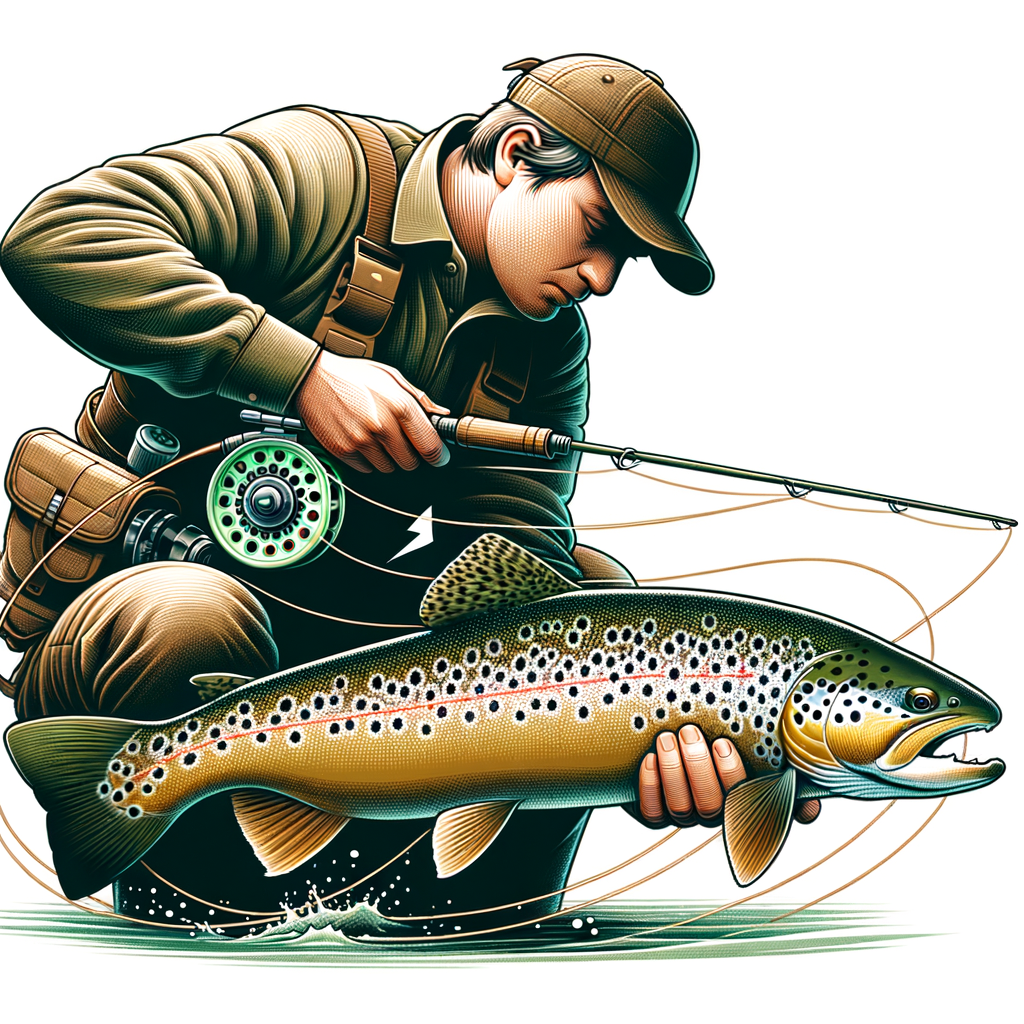
Protecting habitats is one of the most practical ways anglers can safeguard the future of fishing, because healthy water, stable shorelines, and intact food webs determine whether fish populations thrive or decline. In fisheries work, habitat means the full set of physical, chemical, and biological conditions fish need to survive: clean water, oxygen, cover, spawning substrate, migration routes, and dependable prey. Anglers often focus on regulations, stocking, and gear, but habitat protection is the upstream factor that makes every other management tool more effective. When a river loses riparian shade, a lake fills with sediment, or a marsh is fragmented by development, fish do not merely relocate without consequence; growth rates, recruitment, and resilience drop. That matters to recreational anglers, guides, conservation groups, and local economies tied to tackle sales, tourism, and boat access. The encouraging reality is that anglers can influence habitat outcomes directly through on-the-water behavior, volunteer work, advocacy, and better purchasing decisions. I have seen small habitat projects produce measurable gains, from improved bank stability on trout streams to better nursery cover in warmwater ponds. The central question is not whether anglers can help, but how to do it in ways that are effective, credible, and lasting.
Why fish habitat protection matters
Fish habitat protection matters because fish need specific environmental conditions at each life stage, and even minor degradation can interrupt spawning, feeding, shelter, or migration. Salmon require cool, oxygen-rich water and unobstructed passage. Largemouth bass depend on vegetation, woody cover, and stable nursery areas for young fish. Trout often need gravel beds free of excessive fine sediment so eggs receive enough oxygen. In practical terms, habitat quality determines carrying capacity, which is the number of fish a system can support over time. In waters I have monitored with local clubs, anglers often blamed poor catch rates on fishing pressure alone, yet the stronger predictor was habitat simplification caused by bank erosion, stormwater runoff, and loss of aquatic plants. Habitat protection also reduces management costs. A stream with functioning floodplains, vegetated buffers, and shaded banks moderates temperature naturally, supports insect production, and resists extreme runoff events better than a hardened channel that requires constant intervention. For searchers asking, “What is the biggest threat to fish habitat?” the honest answer is cumulative impact: sedimentation, nutrient pollution, dams, shoreline development, invasive species, and warming water interact rather than act separately. Anglers who understand those links become more effective conservation partners.
Threats anglers should recognize on every trip
Anglers can help protect habitats only if they know what damage looks like in the field. The most common warning signs are muddy inflows after rain, undercut banks collapsing from foot traffic, algae blooms fueled by nutrient runoff, disappearing weed beds, and blocked fish passage at undersized culverts or poorly designed crossings. Shoreline hardening is another overlooked problem. Seawalls and riprap can protect property, but they often reduce shallow habitat complexity that young fish use for cover and feeding. Boat wakes, especially in narrow rivers and shallow coves, can accelerate erosion when repeated over time. Litter is the obvious issue, yet abandoned monofilament, soft plastics, and lead tackle are especially damaging because they persist and can be ingested by wildlife. Climate stress compounds everything. Warmer water holds less dissolved oxygen, making coldwater fisheries more vulnerable when streamside trees are removed. During summer, I advise anglers to carry a thermometer because water temperature is a habitat signal, not just a comfort metric. If trout water is pushing into stressful ranges, ethical anglers should shift species, fish early, or skip the trip. Protecting habitats starts with reading the water beyond the location of fish.
On-the-water habits that reduce habitat damage
Everyday angling behavior can either protect habitat or slowly degrade it. The most effective habit is minimizing bank disturbance. Use established access points, avoid trampling fragile vegetation, and do not cut informal paths through riparian buffers, because roots hold soil in place and filter runoff. Wading should be deliberate rather than constant. In spawning seasons, anglers should identify redds and avoid stepping on clean gravel patches where eggs may be incubating. Boaters can protect shallow habitat by trimming motors up in skinny water, avoiding prop scarring in seagrass, and reducing wake near marsh edges, docks, and eroding banks. Tackle choices matter too. Non-lead alternatives such as tin, bismuth, tungsten, and steel reduce the risk of toxic ingestion by waterfowl and other wildlife. Retrieve snagged line whenever possible, and keep a small container for clipped tags, damaged soft baits, and used leaders. Fish handling also connects to habitat protection, because stressed fish released into poor conditions have lower survival. Using rubber nets, keeping fish wet, and shortening fight times are not only ethical catch-and-release practices; they reduce cumulative pressure on populations already coping with degraded habitat. These are small actions individually, but across thousands of angler trips they shape whether a fishery remains resilient.
Volunteer projects that create visible improvements
One of the fastest ways anglers can help habitats is by joining local restoration work with watershed groups, Trout Unlimited chapters, B.A.S.S. Nation clubs, coastal conservation organizations, or state fisheries agencies. Productive volunteer work usually falls into a few categories: riparian planting, in-stream structure installation, litter removal, invasive species control, and monitoring. Riparian planting delivers outsized benefits because native trees and shrubs stabilize banks, add shade, and contribute terrestrial insects that fish eat. In-stream wood placement, when designed with agency oversight, can improve cover, scour pools, and sort spawning gravel. Stream cleanups matter most when they remove persistent debris like line, hooks, tires, and construction waste, but cleanup alone is not restoration if the pollution source remains. I have found that the best projects combine labor with data. Volunteers who document water temperature, turbidity, macroinvertebrates, or vegetation recovery can show whether a project is working. That evidence helps secure grants and landowner support. Anglers often ask, “Do small habitat projects really matter?” Yes, when they address a limiting factor. A half-mile of shaded, stabilized tributary habitat can improve spawning success more than expensive stocking in a system where natural recruitment is being choked by sediment.
How to support better habitat policy and local decisions
Habitat protection is not only a field activity; it is also a policy issue shaped by county boards, drainage districts, state agencies, and federal law. Anglers can influence decisions on stormwater standards, wetland protection, dam removal, culvert replacement, shoreline setbacks, and public access design. The Clean Water Act, state water quality criteria, and fisheries management plans provide the framework, but local implementation determines results. When commenting on a development proposal, anglers are most persuasive when they speak in habitat terms: expected sediment load, loss of wetlands, reduced floodplain connectivity, or barriers to fish passage. Vague complaints carry less weight than specific concerns tied to fish life cycles and water quality standards. Joining advisory groups or attending conservation district meetings may not feel as immediate as fishing, yet those rooms often decide whether a stream buffer is preserved or a marsh is drained. Support for science-based policy should also include realism. Not every dam removal is straightforward, and not every shoreline project can return to a fully natural state. Tradeoffs exist around property rights, flood control, and infrastructure. Credible anglers acknowledge those constraints while still insisting that habitat function be treated as a core management objective, not an afterthought.
Practical actions anglers can take this season
Anglers who want a simple habitat protection plan should focus on actions with direct ecological value and repeat them consistently.
| Action | Why it helps habitat | Example |
|---|---|---|
| Use established access | Reduces bank erosion and vegetation loss | Enter a trout stream only at marked pull-offs |
| Carry a line disposal container | Prevents wildlife entanglement and shoreline litter | Store clipped mono in an old film canister |
| Switch from lead where possible | Lowers toxic exposure for birds and aquatic life | Replace split shot with tin or tungsten |
| Report barriers or pollution | Helps agencies fix habitat problems faster | Send culvert photos to a state fisheries office |
| Volunteer with local groups | Creates measurable restoration capacity | Join a weekend riparian planting event |
These actions work because they align with how habitat actually functions. Better choices at access points, in tackle boxes, and in public meetings are cumulative conservation. They also send social signals. When experienced anglers model good practices, newer anglers usually follow.
Protecting habitats is the most durable investment anglers can make in the future of fishing, because it improves the conditions fish need before a hook ever hits the water. Healthy habitat supports spawning success, juvenile survival, forage production, thermal refuge, and resilience during floods, droughts, and heat. The key lesson is that anglers are not peripheral to conservation. They are often the people who notice blocked culverts first, report fish kills quickly, volunteer in large numbers, and fund restoration through licenses, excise taxes, and donations. Effective habitat stewardship combines personal discipline, local restoration, and policy engagement. Use established access, avoid damaging spawning areas, reduce wake and prop impacts, retrieve line, choose less toxic tackle, and fish responsibly when water temperatures are stressful. Then go a step further by planting buffers, joining watershed groups, tracking habitat conditions, and speaking up when development threatens wetlands, shorelines, or stream corridors. If you want better fishing in a way that lasts, start by protecting the places fish live. Pick one habitat action this week, make it routine, and encourage another angler to do the same.
Frequently Asked Questions
Why is habitat protection so important to the future of fishing?
Habitat protection matters because fish do not thrive on regulations and stocking alone. They depend on healthy lakes, rivers, streams, wetlands, and shorelines that provide the full set of conditions needed to survive and reproduce. That includes clean water, adequate oxygen, stable temperatures, aquatic vegetation, woody cover, gravel or other spawning substrate, safe migration routes, and a dependable food supply. When any of those pieces are damaged, fish populations often decline even if harvest limits are conservative or stocking efforts are increased.
For anglers, this is especially important because habitat quality directly shapes the fishing experience. Healthy habitat supports stronger year classes, better growth rates, more natural reproduction, and greater resilience during drought, floods, heat waves, and other stresses. By contrast, eroded banks, polluted runoff, silted spawning beds, and destroyed shoreline cover reduce the places fish feed, hide, and spawn. Protecting habitat is therefore one of the most practical, long-term ways anglers can help ensure productive fisheries not just for one season, but for years to come.
What are the biggest habitat threats anglers should understand?
Some of the most common threats are sedimentation, polluted runoff, shoreline destruction, invasive species, stream barriers, and the loss of wetlands and aquatic vegetation. Sediment is a major issue because soil washing into the water can bury spawning habitat, reduce water clarity, and smother aquatic insects and eggs. Polluted runoff from roads, lawns, agriculture, and development can carry nutrients, chemicals, oils, and debris into waterways, altering water chemistry and lowering oxygen levels.
Shoreline damage is another widespread problem. Removing native plants, hardening banks, or repeatedly disturbing shallow areas can reduce cover for baitfish and juvenile fish while making banks more vulnerable to erosion. Invasive species can outcompete native plants and animals, change food webs, and damage habitat structure. Barriers such as poorly placed culverts or dams can block fish from reaching spawning or seasonal refuge areas. Wetland loss also has serious consequences, because wetlands help filter water, absorb flood flows, and provide nursery habitat for many species. Anglers who recognize these threats are in a better position to support practical solutions on the water and in their communities.
What can individual anglers do to help protect fish habitat during everyday fishing trips?
Anglers can make a meaningful difference through small, consistent actions. One of the most important is practicing low-impact access. Use established boat ramps, trails, and entry points instead of cutting new paths through bankside vegetation. Avoid trampling spawning areas, dragging boats across shallow vegetation beds, or anchoring in sensitive habitat when better alternatives exist. Properly dispose of fishing line, tackle packaging, bait containers, and any other trash, and if possible, pick up litter left by others as well.
Boat operation also matters. Reduce wake in shallow zones, near marsh edges, and along vulnerable shorelines where wave action can increase erosion and disturb nesting or juvenile fish habitat. Clean, drain, and dry boats, waders, nets, and gear between trips to prevent spreading invasive species and aquatic diseases from one waterbody to another. If using bait, follow local rules and avoid releasing unused live bait into the water. Anglers should also report pollution events, fish kills, illegal dumping, or obvious habitat damage to local authorities or fisheries agencies. These simple habits help protect water quality, reduce unnecessary disturbance, and support healthier ecosystems over time.
How can anglers support habitat conservation beyond their own behavior on the water?
Beyond personal responsibility, anglers can have a strong influence by supporting local conservation work and sound fisheries policy. Volunteering for stream cleanups, riparian planting days, invasive species removal efforts, or habitat restoration projects is one of the most direct ways to contribute. Planting native vegetation along shorelines and streambanks helps stabilize soil, filter runoff, shade water, and create habitat for insects and wildlife that support aquatic food webs. Donations or membership support for trusted conservation groups can also help fund restoration, monitoring, and advocacy.
Anglers can also be effective voices in public decisions that affect habitat. Attending local meetings, commenting on watershed plans, supporting wetland protection, and encouraging better stormwater management can all help prevent damage before it occurs. In many places, land-use decisions upstream determine fishing quality downstream. That means anglers who speak up for buffers, erosion control, culvert upgrades, and responsible development are helping fisheries in a very real way. Sharing habitat knowledge with other anglers, youth, and local communities also matters, because long-term conservation improves when more people understand that fish need functioning ecosystems, not just access and stocking.
How does protecting habitat improve fish populations and fishing quality over the long term?
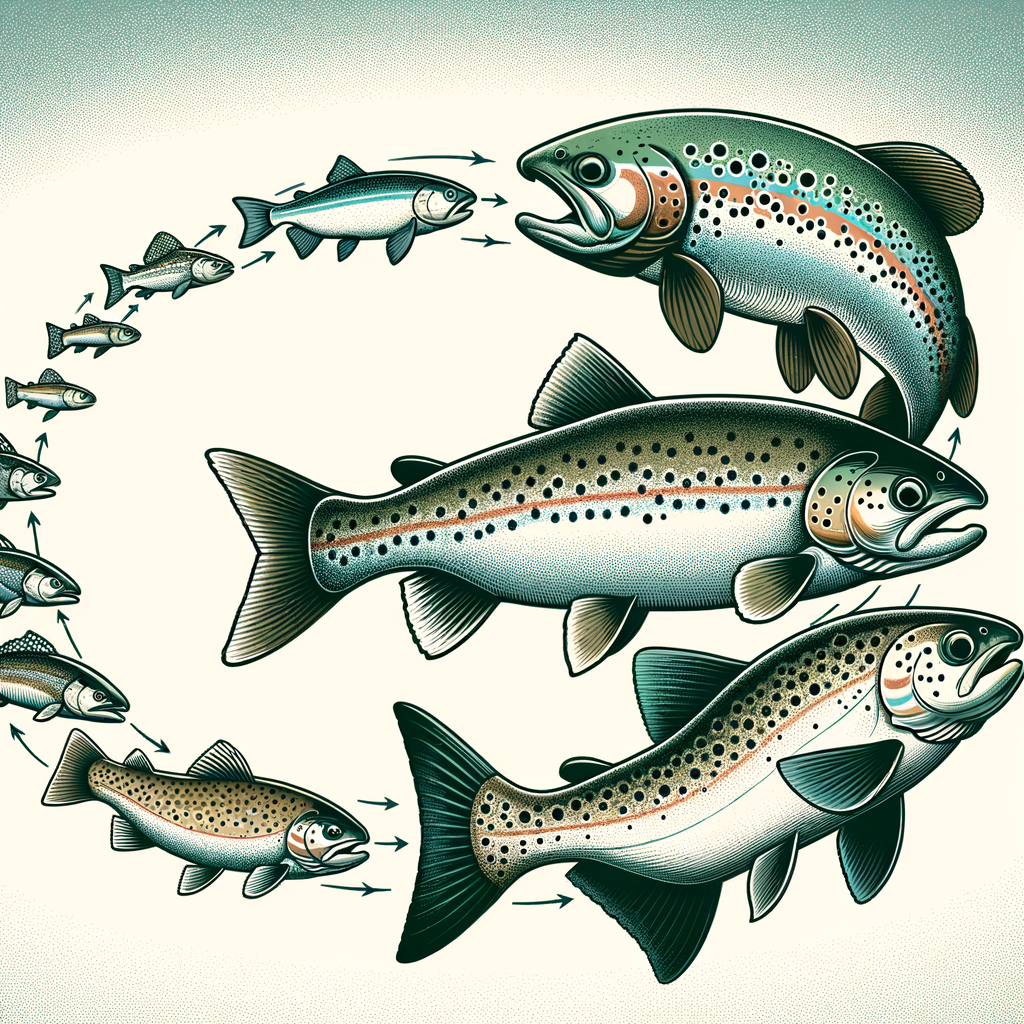
Habitat protection improves fisheries by supporting every stage of a fish’s life cycle. Clean, oxygen-rich water and suitable spawning substrate increase egg survival. Nursery habitat such as wetlands, backwaters, submerged vegetation, and woody cover helps young fish avoid predators and find food. Connected rivers and unobstructed migration routes allow fish to reach spawning grounds, cold-water refuges, and seasonal feeding areas. Healthy insect communities, forage fish populations, and aquatic plants create more stable food webs, which leads to better growth and condition in sport fish.
Over time, these benefits add up to more dependable fishing. Populations with strong natural reproduction are often more resilient than systems that rely heavily on stocking to offset habitat loss. Intact habitat can also buffer fish from environmental stress by moderating temperature, improving water retention, and reducing the effects of floods or droughts. For anglers, that can mean better catch rates, a wider range of size classes, and more consistent fishing across seasons. In short, when anglers help protect habitat, they are not just conserving scenery; they are actively supporting the biological foundation that makes good fishing possible.