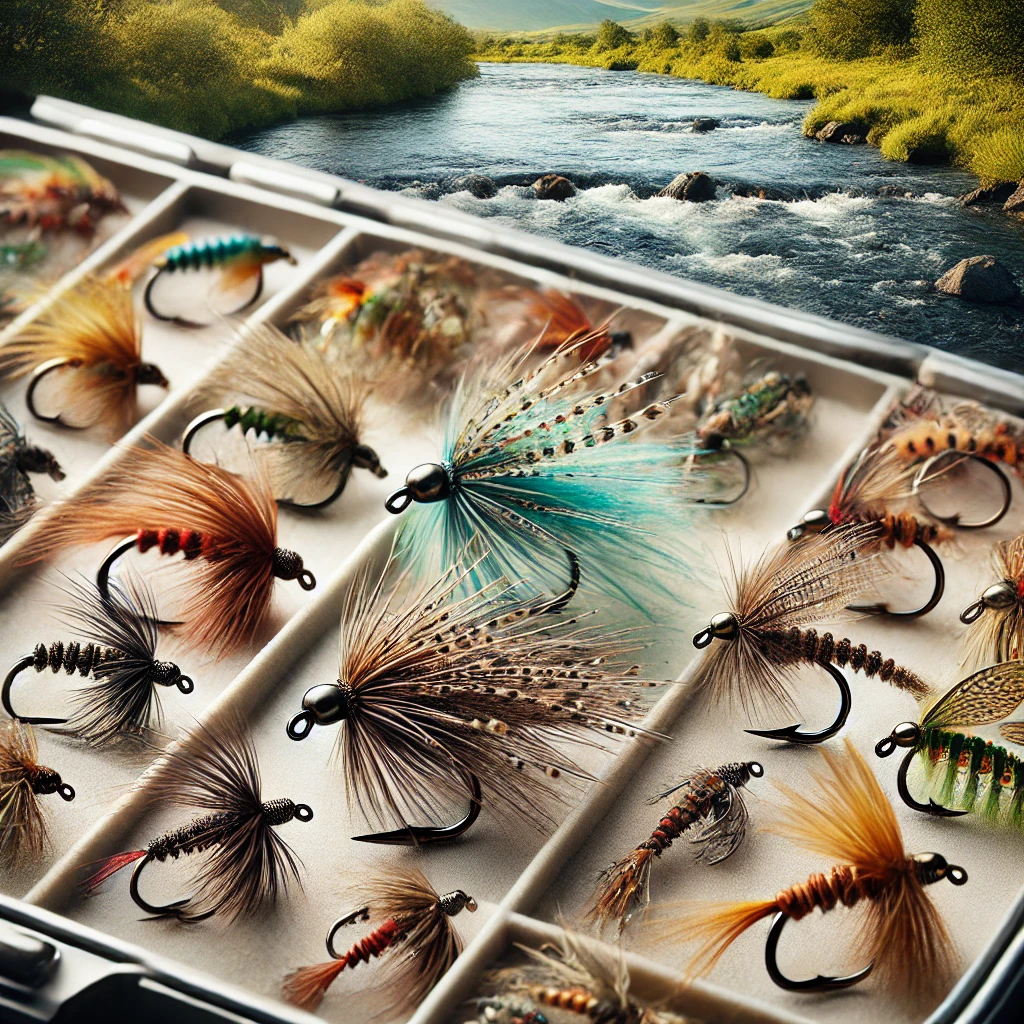
Tying flies for steelhead is not just a pastime but an art form, merging creativity with craftsmanship. Steelhead fishing demands a certain level of expertise, and having the right fly can make all the difference. Traditionally, anglers have relied on classic patterns such as the Skykomish Sunrise or the Green Butt Skunk. However, the evolution of fly tying techniques and materials has given birth to numerous modern patterns that are not only effective but also incredibly visually appealing.
Modern steelhead flies incorporate synthetic materials, innovative designs, and new tying methods to create patterns that can entice even the most elusive fish. Whether you are a seasoned angler or a novice, understanding the nuanced art of modern fly tying can significantly enhance your fishing experience. In this article, we will explore various techniques, materials, and patterns that have taken steelhead fly tying to new heights. From the intricacies of selecting the right hook to the specifics of feather placement, we will cover it all.
Get ready to dive deep into the world of modern steelhead flies. You’ll discover the essential techniques required to tie these flies and learn about the materials that have revolutionized this field. Not only will you leave with a better understanding of how to create effective steelhead flies, but you’ll also gain insights into the artistic process that makes each fly unique.
Modern Materials in Fly Tying
The introduction of synthetic materials has dramatically changed the landscape of fly tying. Unlike traditional materials such as fur and feathers, synthetics offer a versatile, durable, and often more colorful option. One of the most popular synthetics in modern steelhead fly tying is Flashabou. Flashabou adds an irresistible shine to any fly and comes in various colors, making it ideal for creating vibrant patterns.
Another essential modern material is Latex. Latex can be used for constructing realistic bodies and adding buoyancy to your flies. Latex sheets, available in various colors and thickness, can be cut into strips and wrapped around the hook shank. This allows for incredibly lifelike imitations of insects and other prey, adding to the fly’s effectiveness.
Ultra Chenille is also a game-changer, particularly when it comes to adding bulk and texture. This material works well for tying popular nymph patterns, as it mimics the appearance of larvae and other underwater creatures wonderfully. Similarly, synthetic hairs such as EP Fibers (Enrico Puglisi Fibers) have become favorites among modern fly tyers. These fibers are durable and can be easily shaped, making them perfect for adding wings, tails, and other body parts.
With these modern materials at your disposal, the possibilities for creating innovative steelhead flies are virtually endless. Incorporating synthetics allows for more robust, colorful, and effective flies that can withstand multiple catches and castings, giving anglers a significant edge on the water.
Selecting the Right Hook
Every successful fly starts with the right hook, and choosing one for steelhead flies is no small feat. Steelhead are strong, powerful fish with a tendency to put up a good fight, so your hook must be both robust and appropriately sized. Typically, steelhead hooks range from size 2 to size 6, depending on the geographic location and the specific type of water you are fishing.
Gamakatsu and Owner are two brands that many anglers swear by. Gamakatsu’s Octopus hooks, for example, offer a perfect balance of strength and sharpness. Their unique design helps secure a solid hook-up, reducing the chances of the fish escaping. These hooks are also chemically tempered to remain sharp through multiple usages.
When it comes to materials, stick to high-carbon steel hooks that offer a fantastic blend of strength and flexibility. Stainless steel is another good choice, particularly if you’re fishing in saltwater or slightly brackish environments. Bend shapes come into play here as well; for example, a straight-eye or needle-point hook can give you the penetration needed to set the hook securely in a steelhead’s mouth.
Lastly, consider barbless hooks, which may be necessary in catch-and-release fisheries. While they require more skill in keeping the fish on, they make for easier and less harmful releases. By paying careful attention to these details, you’ll ensure your flies are equipped with reliable, effective hooks that can tackle even the most formidable steelhead.

Tying Techniques: From Classic to Contemporary
A fundamental understanding of various tying techniques is crucial in crafting effective steelhead flies. Starting with the basics, traditional techniques like the whip finish and dubbing loops are still highly relevant. Mastering these foundational methods makes it easier to adopt more advanced techniques later.
One modern technique that has gained significant traction is the use of tube flies. Unlike traditional flies tied directly onto hooks, tube flies are constructed on hollow tubes. This allows for the hook to be separate from the fly, which can make for better hook penetration and less damage to the fly itself. Wired over a piece of plastic tubing, the materials are dressed similarly but can slide on the line, offering increased flexibility in catching and landing fish.
Another contemporary technique involves using two or more materials in a tandem arrangement. This can be particularly useful for creating flies that imitate baitfish. The first material could form the body, adding bulk and realism, while the second can consist of flashy synthetic fibers that simulate the movement of fish scales or fins. Mixing materials allows for more dynamic and lifelike patterns.
Intruder patterns are also worth mentioning due to their effectiveness and modern aesthetic. These flies often boast a long, flowing profile, resembling various aquatic creatures. The key to tying intruders is incorporating free-moving parts like ostrich herl or rhea feathers, offering unparalleled movement in the water. The trailing hook adds an extra layer of finesse, improving the chances of a successful hook-up.
Popular Modern Patterns
A few modern fly patterns have risen to prominence in the world of steelhead fishing, establishing themselves as go-to options for many anglers. The first on the list is the Hoh Bo Spey. This pattern incorporates synthetic dubbing and pheasant feathers to create a streamlined yet substantial fly. The addition of UV materials gives it an extra glow that can be irresistible to steelhead, especially in low-light conditions.
Another favorite is the G.P. Shrimp, which mimics the look and movement of shrimp—a common steelhead snack. With pink and orange tones and a mix of natural and synthetic materials, this fly is particularly effective in saltwater or estuarial environments.
The Eggo Intruder is another great example. Using an extended hook and composite loop, this fly mimics a variety of aquatic insects. The trailing materials offer lifelike movement in the water, making it a potent attractor for aggressive steelhead. Its design allows it to maintain its structure even after repeated strikes, making it a durable option for serious anglers.
Finally, the Brick House, a versatile pattern that can be tied in various colors and sizes, serves as a multi-purpose fly that competes well in different seasons and water conditions. With articulated hooks and long-flowing feathers, this fly works wonders in high-pressure areas where steelhead are particularly wary.
Special Considerations for Different Water Conditions
Matching your fly patterns and techniques to the specific water conditions can significantly influence your success rate. In clear water, minimalistic patterns tied with realistic colors tend to perform the best. Think along the lines of olive, black, or tan shades, as these hues closely mimic the prey typically found in clear water settings.
On the other hand, murky or stained water requires more vibrant and flashy flies to grab the attention of the fish. Bright colors such as chartreuse, fluorescent pink, and even combinations with neon hues can make a considerable difference. Similarly, incorporating materials like Flashabou or other shiny synthetics will catch and reflect light, making your fly stand out even in the murkiest of conditions.
Temperature also plays a crucial role in fly selection. In colder waters, steelhead tend to be less active, so flies with slower, more subtle movements can be more effective. Conversely, in warmer waters, an erratic or fast-moving fly might trigger a more aggressive response from the fish.
Lastly, the flow and speed of the water should guide your choice of fly size and weight. In fast-flowing streams or rivers, opting for a heavier, larger fly ensures that it sinks quickly to the desired depth. In slower currents or still waters, lighter, smaller flies are preferable, as they offer a more natural presentation.
Conclusion
The exhilarating world of steelhead fly fishing continually evolves, driven by the advent of modern materials and techniques. By embracing these advancements, anglers can significantly increase their chances of hooking into these spectacular fish. Modern patterns and materials have brought a new dimension to fly tying, blending the old with the new to create innovative and highly effective flies.
Whether you are a seasoned veteran or new to fly tying, understanding and mastering these modern techniques can place you ahead of the game. The fusion of synthetic materials, innovative tying techniques, and versatile patterns allows for an endless array of creative possibilities, each with its unique attributes suited to various fishing conditions.
Always remember that the hook is the foundation of your fly, and selecting the right one can make or break your experience. Utilize forward-thinking techniques like tube flies and tandem material arrangements to bring your creations to life. Experiment with popular modern patterns like the Hoh Bo Spey, G.P. Shrimp, or the Eggo Intruder to see firsthand their effectiveness in the water.
Ultimately, adaptability is the name of the game. Pay close attention to water conditions, adjust your fly choices accordingly, and don’t be afraid to think outside the box. By honing your skills and staying up-to-date with modern trends, you can continue to enjoy the art form of fly tying while consistently bringing home the catch of a lifetime.