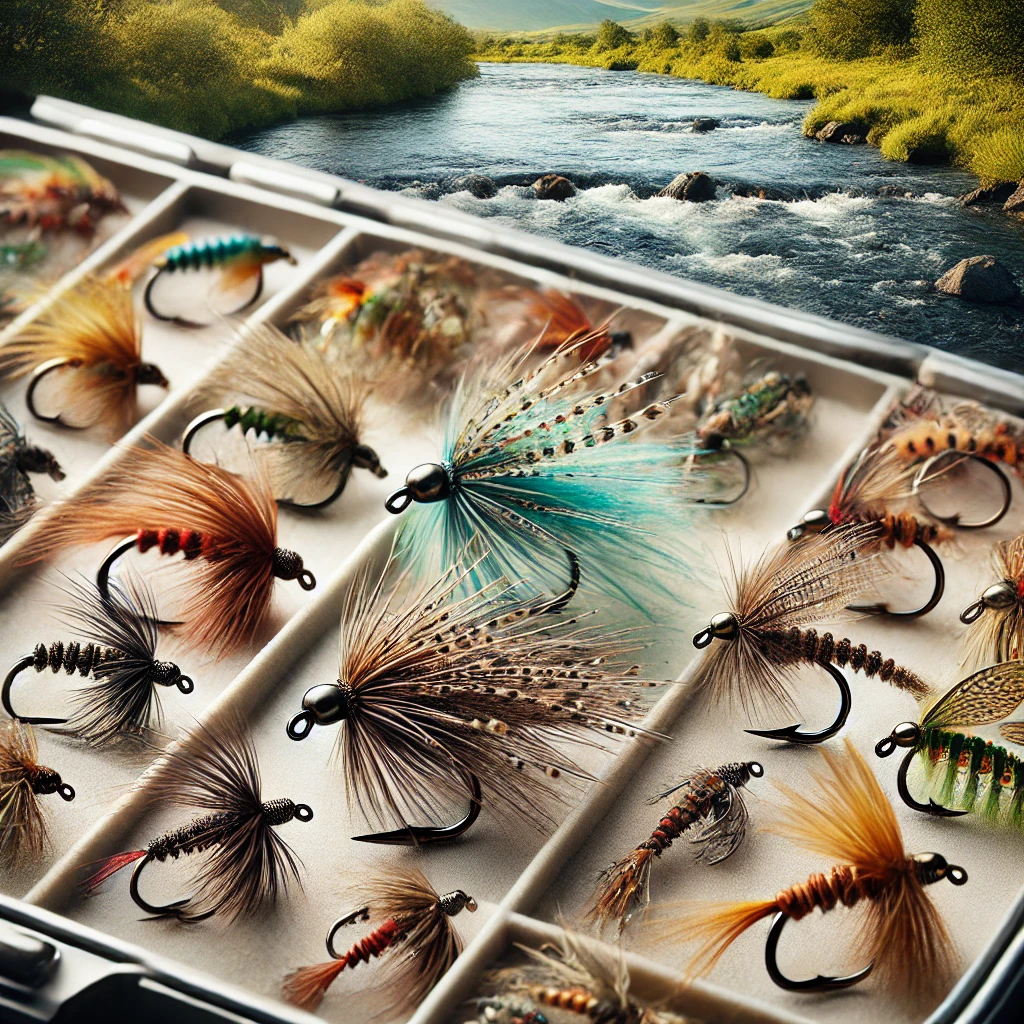
When it comes to fly fishing for salmon and steelhead, nothing excites an angler more than the anticipation of a catch. The beauty of fly fishing lies not only in the scenic rivers and streams but also in the art of fly tying. Crafting the perfect fly requires a blend of creativity, technique, and knowledge of the target species. Salmon and steelhead are not just any fish; they are powerful, elusive, and require specific fly patterns that can tempt them into a strike. In this comprehensive guide, we’ll delve into the intricacies of tying flies for these magnificent fish, exploring essential techniques, patterns, and tips to elevate your fly-tying game.
Understanding the habits and preferences of salmon and steelhead is crucial. These fish have distinct behaviors depending on the season, water conditions, and their migratory patterns. Therefore, the flies you tie must be tailored to these variables. We’ll begin by examining the fundamental materials and tools you’ll need for fly tying. Next, we’ll explore various established patterns that have proven successful over the years. We’ll then dive into specific techniques that can give your flies the lifelike appeal necessary to attract salmon and steelhead. Finally, we’ll provide some advanced tips on customization and innovation in fly tying.
Whether you’re a seasoned fly fisherman or a beginner keen to learn the ropes, this guide aims to equip you with the knowledge and skills needed to create effective, attractive, and durable flies. Let’s get started on this exciting journey into the captivating world of fly tying.
Materials and Tools for Fly Tying
Before you embark on tying flies for salmon and steelhead, it’s essential to have the right tools and materials at your disposal. Quality matters a great deal in fly tying, as a well-crafted fly can endure multiple strikes and maintain its appeal underwater. Here’s a rundown of the fundamental tools and materials you’ll need:
Tools:
- Vise: Keeps your hook securely in place while you work on the fly. Invest in a rotary vise for more versatility.
- Bobbin Holder: Holds the spool of thread, allowing for smooth and controlled wrapping.
- Scissors: Precision scissors are a must for cutting materials cleanly and accurately.
- Bodkin: A needle-like tool useful for separating fibers and applying head cement.
- Whip Finish Tool: Helps in securing the final knot of your fly’s thread wrap.
- Hackle Pliers: Essential for gripping and wrapping hackles without damaging the feathers.
- Hair Stacker: Aligns tips of hair, useful for creating uniform wings and tails.
Materials:
- Hooks: Use different sizes and styles based on the type of fly you’re tying and the target fish.
- Thread: Choose strong, durable thread in various colors. 6/0 or 8/0 thread is a good starting point.
- Feathers: Hackle feathers, marabou, and pheasant tail are commonly used in many flies.
- Fur: Rabbit, elk, and deer hair are excellent for creating lifelike bodies and tails.
- Synthetics: Mylar, tinsel, and synthetic dubbing add flash and durability.
- Beads and Eyes: Add weight and realism to your flies.
- Variegated Materials: Mix natural and synthetic materials for unique textures and appearances.
Having these tools and materials will set the foundation for creating effective fly patterns. Proper organization and a clean workspace will also make your fly-tying sessions more enjoyable and efficient.
Proven Fly Patterns for Salmon and Steelhead
Fly patterns are the blueprint of your flies, and over the years, certain designs have proven to be particularly effective for salmon and steelhead. Here are some tried-and-tested patterns to consider:
1. The Intruder
This pattern is renowned for its lifelike movement and vibrant colors. The Intruder is often used in steelhead fishing due to its large profile and ability to provoke aggressive strikes. The combination of marabou, ostrich herl, and flashabou makes it irresistible in various water conditions.
2. Egg Sucking Leech
A versatile pattern, the Egg Sucking Leech mimics the appearance of a leech with a bright egg at its head. This fly is highly effective during salmon spawning seasons. The contrasting colors and flowing materials create a natural yet enticing look.
3. Silver Doctor
The Silver Doctor is a classic Atlantic salmon fly that has also found success with steelhead. Its combination of silver, blue, and red makes it a visually striking pattern, with silver tinsel and blue hackle providing flash and movement in the water.
4. Comet
This pattern is simple but effective, especially in slower-moving waters. The Comet features a sparse design with a bright chenille body, tinsel ribbing, and a contrasting tail. Its simplicity allows it to be easily customized to match local baitfish or conditions.
5. Green Butt Skunk
Popular among steelhead anglers, the Green Butt Skunk features a black body with a green rear section. This combination, along with its white wing and black hackle, produces a silhouette that stands out in various water conditions, making it a reliable choice.
These patterns, among others, serve as a foundation for your fly-tying endeavors. Experimenting with these and adapting them based on your local waters and fish behavior can yield excellent results.

Essential Fly Tying Techniques
Mastering fly-tying techniques is key to creating durable and effective flies. Here are some essential techniques that every fly tyer should know:
1. Thread Base
Starting with a solid thread base provides a foundation for attaching materials. Begin by securing the thread to the hook shank with tight, evenly spaced wraps. This will give you better control and ensure that materials stay in place.
2. Dubbing
Dubbing involves creating a fluffy body on your fly using natural or synthetic fibers. Twist dubbing material around the thread and wrap it around the hook shank, forming a tapered body. This technique adds bulk and lifelike texture to your flies.
3. Hackling
Hackling introduces movement and profile to your flies. Wrap hackle feathers around the hook shank, ensuring even spacing to create a balanced and natural look. The hackle fibers should be angled slightly backward for a streamlined appearance.
4. Whip Finish
A whip finish secures the thread at the end of your tying. Use a whip finish tool to create a series of wraps that lock the thread in place. It’s essential for ensuring that your fly remains intact even after multiple casts and strikes.
5. Adding Flash
Flash materials like tinsel and flashabou add an attractive shimmer to your flies. Incorporate them sparingly within your tying to catch the light and mimic the scales of baitfish. Adjust the amount of flash based on water clarity and light conditions.
By mastering these techniques, you’ll be able to create flies that not only look good but also withstand the rigors of fishing. Practicing these fundamentals will improve your overall fly-tying proficiency.
Customization and Innovation
Fly tying is as much an art as it is a science. While established patterns and techniques form the backbone of fly tying, customizing and innovating your flies can lead to unique and highly effective patterns. Here are some ways to add a personal touch to your flies:
1. Color Variations
Experimenting with different color combinations can set your flies apart in crowded waters. Don’t hesitate to deviate from traditional colors and try something bold or reflective of local baitfish.
2. Material Substitutions
Swapping out traditional materials for modern synthetics can alter the appearance and durability of your flies. Synthetic fibers often have enhanced durability and can add unique textures and buoyancy.
3. Size Adjustments
Adjusting the size of your flies can make them more effective in different conditions. Larger flies may attract fish in murky waters, while smaller, more subtle patterns can be beneficial in clear water or when fish are wary.
4. Incorporate Natural Elements
Adding elements like fur, feathers, and eyes from local baitfish can make your flies more realistic. Observing local fish prey and mimicking their appearance can boost your success rate.
5. Hybrid Patterns
Combine elements from multiple proven patterns to create hybrid flies. This fusion can lead to innovative designs that are highly effective in specific situations or environments.
Innovation in fly tying requires trial and error. Keep a log of the patterns you create and their performance in various conditions. Over time, this experimentation will refine your skills and lead to a more versatile fly box.
Further Tips and Advice
Now that we’ve covered the basics of fly tying, here are some additional tips to further enhance your fly-tying skills and success:
1. Practice Makes Perfect
Fly tying is a skill that improves with practice. Dedicate time regularly to tying flies, experimenting with new patterns, and refining your techniques. As you become more familiar with different materials and methods, you’ll find it easier to create effective flies.
2. Stay Organized
Keeping your fly-tying materials and tools organized can save you time and frustration. Use storage containers, bins, and labelled bags to keep track of your supplies. A tidy workspace promotes creativity and efficiency.
3. Learn from Others
Joining a local fly-tying group or participating in online forums can provide valuable insights and tips from experienced tyers. Sharing your creations and receiving feedback can accelerate your learning process and introduce you to new techniques.
4. Pay Attention to Water Conditions
Water clarity, flow, and temperature can all affect the success of your flies. Adjust your patterns and techniques based on these factors. For instance, using brighter flies in murky water or smaller, more subtle flies in clear water can increase your chances of a strike.
5. Keep a Fishing Journal
Documenting your fishing trips, including the flies used, water conditions, and fish behavior, can help you identify patterns and improve your future fly-tying efforts. Over time, this journal can become a valuable resource for refining your techniques and designs.
By following these tips and continuously honing your skills, you’ll become a more proficient and successful fly tyer. Remember, the art of fly tying is a lifelong journey, and there’s always something new to learn and explore.
Conclusion
Tying flies for salmon and steelhead is a rewarding endeavor that combines creativity, technique, and a deep understanding of these magnificent fish. Whether you start with established patterns like the Intruder or the Green Butt Skunk, or venture into customization and innovation, the possibilities are endless. With the right materials, tools, and techniques, you can create flies that are not only visually appealing but also highly effective in enticing strikes.
As you embark on your fly-tying journey, remember that practice and experimentation are key. Dedicate time to hone your skills, stay organized, learn from others, and pay attention to the water conditions. By doing so, you’ll be well on your way to crafting flies that will enhance your fly-fishing experiences and lead to memorable catches.
So, gather your materials, set up your vise, and let your creativity flow. The world of fly tying is vast and full of opportunities.