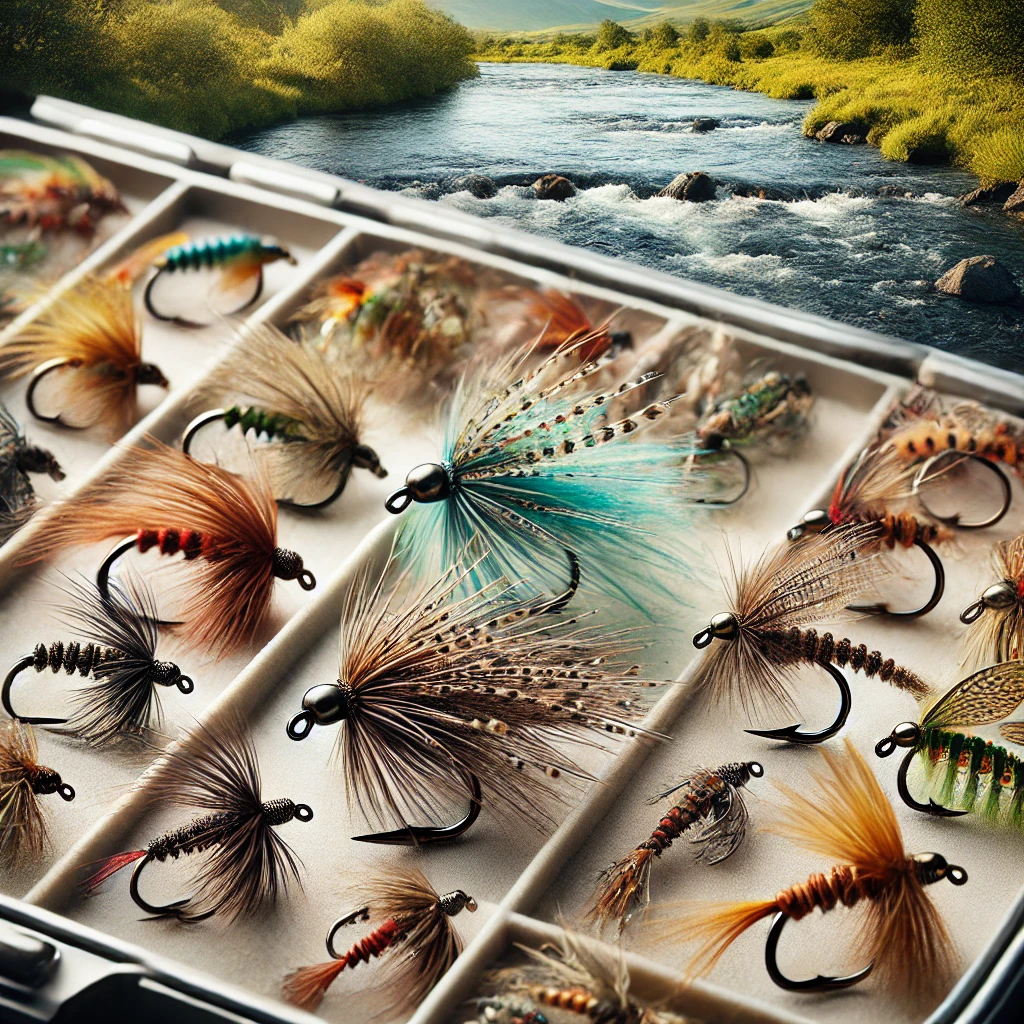
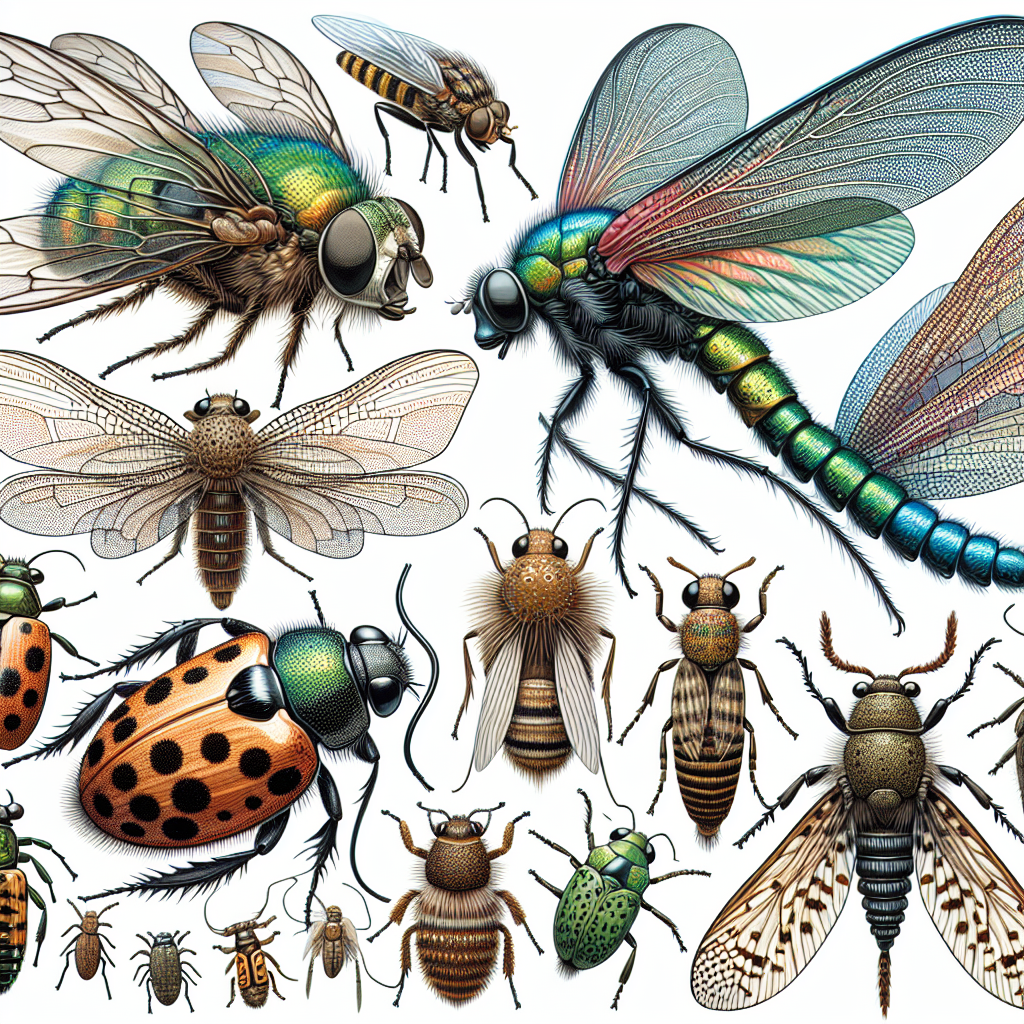
Fly fishing is a symphony of art, skill, and nature, where every component from gear to technique plays a vital role. Among these components, flies are the unsung heroes that can make or break a fishing trip. Terrestrial flies, in particular, are a staple in every fly fisherman’s arsenal. These flies mimic land-based insects such as ants, beetles, and grasshoppers that often end up in the water, becoming irresistible treats for fish.
Tying your own terrestrial flies not only gives you a deeper connection to the sport of fly fishing but also ensures that you have the most effective flies at your disposal. Whether you’re a novice or a seasoned fly tier, mastering these patterns can greatly enhance your fly fishing experience. In this guide, we’ll walk through various types of terrestrial flies, the materials you’ll need, and the step-by-step process of tying them.
The skills you acquire from tying flies are transferable across various fly types, and the satisfaction of catching fish on a fly you tied yourself is unparalleled. So let’s dive in and unravel the world of terrestrial fly tying, starting with the basic essentials you need to get started.
Essential Tools and Materials
Before we delve into the actual fly tying process, it’s crucial to familiarize yourself with the essential tools and materials you’ll need to create effective terrestrial flies. Having the right tools not only makes the task easier but also ensures the durability and attractiveness of your flies.
The must-have tools include a vice to hold the hook firmly, a bobbin to manage the thread, and scissors for cutting various materials. Additionally, you’ll need hackle pliers, bodkin needles, and whip finishers for adding finesse to your creations. Optional tools like a rotating vice can offer more flexibility but aren’t mandatory for beginners.
As for materials, the list can be extensive depending on the type of terrestrial fly you’re aiming to create. Common materials include hooks (sizes 10-20 are ideal for terrestrial patterns), threads (in colors matching the insect you’re imitating), feather hackles, foam sheets, dubbing, and rubber legs. For some specific patterns, you may also need specific materials such as peacock herl, deer hair, or synthetic materials like Antron yarn and chenille.
Once you have gathered all your tools and materials, you’re ready to move on to the actual fly tying process. We will start with a few straightforward patterns suitable for beginners and then gradually move on to more complex designs.
Basic Terrestrial Fly Patterns
Learning basic terrestrial fly patterns serves as a strong foundation for more intricate tying techniques. Let’s start with two essential patterns: the foam ant and the beetle.
Foam Ant
The foam ant is a simple yet effective pattern that mimics the presence of ants on the water surface. Here’s a step-by-step guide:
- Secure a size 14 hook in your vice.
- Wrap black thread from the eye to the bend of the hook.
- Cut a small piece of black foam and tie it onto the hook shank, forming a small bump at the rear.
- Advance the thread to the middle of the hook shank and tie another bump with black dubbing for the ant’s thorax.
- Add a final bump of black foam near the hook eye and whip finish the thread.
- Optional: Add a small drop of head cement for durability.
Foam Beetle
The foam beetle is another staple terrestrial fly and slightly more intricate than the foam ant:
- Secure a size 12 hook in your vice.
- Start your black thread at the hook bend and wrap it to the midpoint.
- Cut a strip of black foam and tie it in at the midpoint, extending over the hook.
- Add black dubbing to cover the hook shank from the bend to the eye, creating a bulky body.
- Pull the foam over the body and tie it off behind the hook eye.
- Trim the excess foam and add a small tuft of white yarn on top for visibility.
- Whip finish the thread and add head cement.

Advanced Terrestrial Fly Patterns
Once you’re comfortable with basic patterns, it’s time to explore more advanced terrestrial flies like the grasshopper and the Chernobyl Ant, both of which are highly attractive to fish.
Grasshopper Pattern
The grasshopper is a classic terrestrial fly that fish can’t resist. Here’s how to tie it:
- Secure a size 10 hook in your vice.
- Tie in yellow thread at the hook bend and wrap to the midpoint.
- Cut a piece of yellow foam and tie it on top of the hook shank, spanning its length.
- Secure rubber legs on each side of the hook, just behind the foam body.
- Wrap yellow dubbing around the shank to form a segmented body.
- Pull the foam over the body, tie it off at the hook eye, and trim the excess.
- Add small amounts of brown dubbing on top for detail and whip finish the thread.
- Optional: Add a drop of head cement for durability.
Chernobyl Ant
The Chernobyl Ant is another high-performing pattern with a unique appearance:
- Secure a size 10 hook in your vice.
- Start with black thread at the hook bend and wrap forward.
- Cut a long piece of black and red foam, and tie them together at the hook bend.
- Wrap the black foam around the hook to form the body, then pull the red foam over it and tie off at the eye.
- Attach rubber legs on each side near the hook bend and halfway up the shank.
- Whip finish the thread and trim any excess materials.
- Add head cement if needed.
Common Mistakes and How to Avoid Them
Tying terrestrial flies can be challenging, especially for beginners. A few common mistakes can compromise the effectiveness of your flies. Here’s how to avoid them:
- Overcrowding the Hook Eye: Leaving little room at the hook eye can make it difficult to attach your fly to the fishing line. Always leave a small gap near the eye when tying the final materials.
- Incorrect Proportions: The proportions of materials should mimic the natural insect. Pay attention to the size and placement of each element to create a realistic appearance.
- Weak Knots: Poorly secured materials can unravel easily. Practice whip finishing and use head cement to secure your knots.
- Ignoring Balance: An unbalanced fly won’t land properly on the water surface. Ensure that the weight and distribution of materials are even.
By avoiding these common pitfalls, you’ll be able to create more durable and effective flies.
Tips for Improving Your Fly Tying Skills
Improving your fly tying skills can take time and practice, but here are a few tips to help you along the way:
Practice Consistently:
The key to mastering fly tying is consistent practice. Dedicate some time each week to tying. Start with simple patterns and gradually increase the complexity as you gain confidence.
Study Natural Insects:
Observe the insects you’re trying to imitate. Note their size, color, and behavior. This will help you create more realistic patterns that attract fish.
Learn from the Experts:
Watch video tutorials or attend fly tying workshops. Learning from experienced tiers can provide valuable insights and techniques that you might not discover on your own.
Use Quality Materials:
Invest in high-quality materials and tools. Quality materials are easier to work with and result in more effective flies.
Be Patient:
Fly tying can be intricate and time-consuming. Take your time and focus on getting each step right. The more patient you are, the better your flies will turn out.
With these tips, you’ll be on your way to becoming a proficient fly tier, capable of creating a wide range of effective terrestrial flies.
Conclusion
Tying terrestrial flies is an art that combines skill, practice, and a keen understanding of natural insects. Whether you’re just starting or looking to improve your techniques, this guide provides a comprehensive overview of the process, from essential tools and materials to basic and advanced patterns. Remember, the satisfaction of catching fish with flies you’ve tied yourself is unparalleled and adds a new dimension to the fly fishing experience.
Consistent practice, keen observation of natural insects, and learning from experts are all critical aspects in mastering the art of fly tying. Whether you’re mimicking ants, beetles, grasshoppers, or more complex patterns like the Chernobyl Ant, the key is to be patient and enjoy the process.
Next time you’re on the water, you’ll appreciate the effort you’ve put into each fly you tie. So grab your vice, gather your materials, and start creating flies that will not only improve your fishing success but also elevate your overall enjoyment of this beautiful sport.