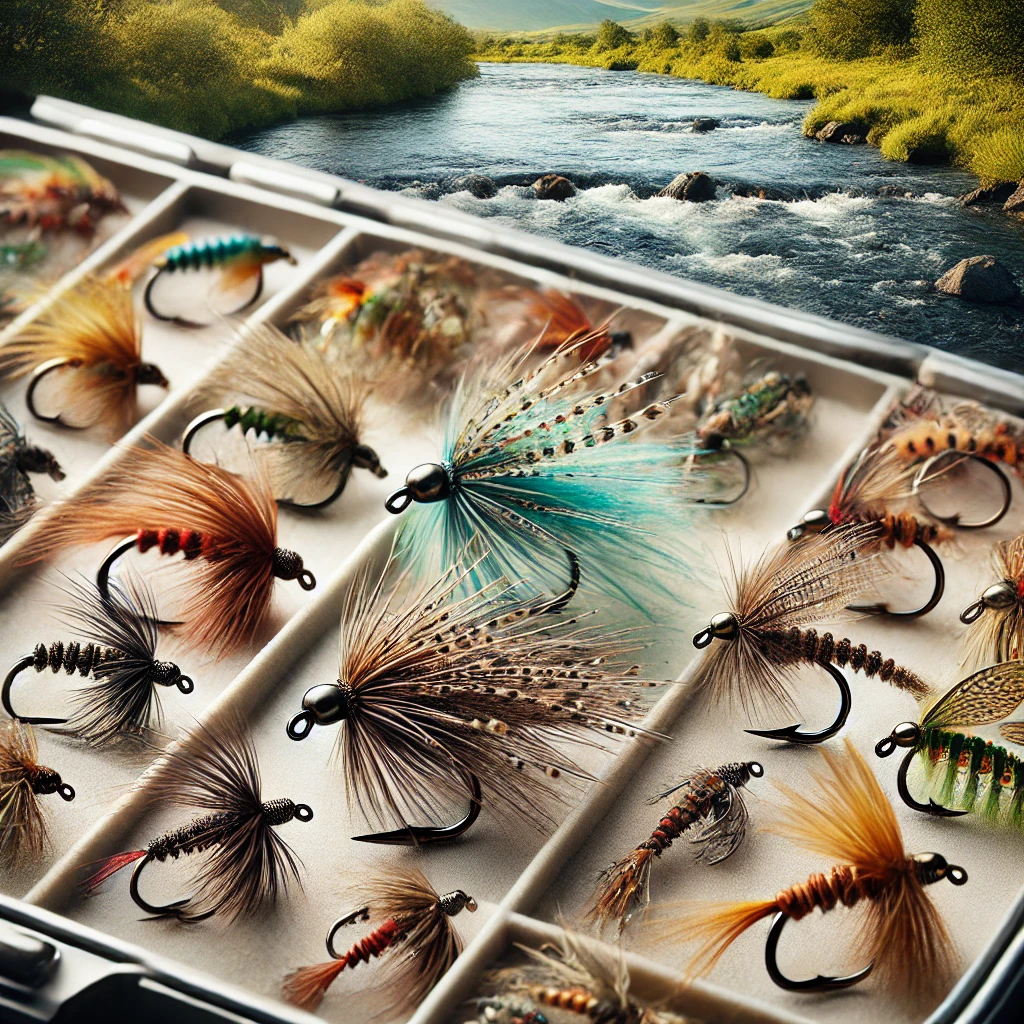
Fly fishing is more than just a sport—it’s an intricate blend of art and technique. Among the various methods and tactics fly fishers employ, tying flies is a fundamental skill. Tandem flies, also known as dual or double flies, offer a unique advantage. By presenting two flies in tandem, anglers can increase their chances of catching fish by mimicking multiple prey. This guide will walk you through everything you need to know about tandem flies, from understanding the basics to mastering the tying techniques.
Whether you’re a novice fly fisher trying to hit the ground running or a seasoned angler looking to refine your skills, learning to tie tandem flies can significantly enhance your fishing experience. This method is particularly effective in situations where fish are feeding heavily and can help you match the hatch—or in simpler terms, replicate the prey that fish are currently feeding on.
By reading this article, you’ll gain an understanding of the different types of tandem flies, the materials needed, and step-by-step instructions on how to tie them. So, grab your vice and tools, because we’re diving into the world of tandem flies.
Types of Tandem Flies
Before delving into the specific techniques for tying tandem flies, it’s essential to understand the different types. Generally, tandem flies can be categorized into two primary types: dry-dry and wet-wet combinations.
Dry-Dry Combinations: This type uses two dry flies, which float on the water surface. The idea is to attract fish that are feeding on insects landing or floating on the water.
Wet-Wet Combinations: This combination employs two wet flies that sink below the surface. These are designed to mimic insects or small fish swimming beneath the water.
Both types offer their unique advantages and can be selected based on the fishing conditions and the type of fish you are targeting. It’s a good idea to experiment with both to see which works best for your particular needs.
The most common tandem setup involves tying a smaller fly as the point fly and a larger one as the trailing fly. This setup can make your presentation more appealing to fish and cover a broader range of feeding behaviors.
Essential Materials
Now that you’re familiar with the types of tandem flies, it’s time to gather the materials. Here is a list of essential items you’ll need for tying tandem flies:
- Hooks: Choose hooks that match the size of the flies you intend to tie. You’ll need multiple sizes for tandem setups.
- Thread: A variety of thread colors and thicknesses can be useful. Opt for durable, non-fraying thread.
- Feathers and Hackle: Quality feathers and hackle contribute significantly to the fly’s appearance and performance.
- Body Materials: Dubbing, chenille, and tinsel are essential for creating the fly bodies.
- Connecting Materials: Use monofilament or wire to connect the two flies. The material should be strong enough to handle the weight of both flies.
- Tools: Vise, bobbin, scissors, bodkin needle, and whip finisher are essential tools for fly tying.
It’s essential to have a well-organized workspace and high-quality materials to ensure that your flies are both durable and effective. Quality over quantity is key in fly tying.
Step-by-Step Guide for Tying Tandem Flies
Now comes the fun part—the actual tying process. For this guide, we’ll focus on tying a dry-dry tandem fly setup. Follow these steps for an effective and attractive tandem fly:
- Mount the Hook: Secure the first hook in your vise and start wrapping the thread from the eye to the bend. This will form the base layer for your fly.
- Attach the Tail (For Dry Fly 1): Tie in a small bunch of hackle fibers at the hook bend to form the tail.
- Create the Body: Use dubbing or other body material to wrap a tapered body towards the hook eye.
- Add Hackle: Tie in a hackle feather and wrap it forward in tight, even turns. Secure it with a few thread wraps.
- Whip Finish: Complete the first fly by whip finishing and trimming the thread.
- Connect the Flies: Use a length of monofilament or wire to connect the hook bend of the first fly to the eye of the second hook. Ensure the length is appropriate to allow natural movement of both flies.
- Repeat for Dry Fly 2: Mount the second hook in your vise and repeat the same steps for creating the second fly.
Remember, practice makes perfect. Your first few attempts might not be flawless, but don’t get discouraged. Each fly you tie will help you improve your skills and get a better feel for the process.
Tuning and Testing Your Flies
Once you’ve tied your tandem flies, it’s time to fine-tune and test them. Follow these steps to ensure your flies are ready for action:
- Check Durability: Tug gently on the connecting material to ensure the flies are securely attached. Any weak points should be reinforced with additional thread wraps.
- Water Test: Place your flies in water to see how they float and move. This will give you an idea of how they will perform in real fishing conditions.
- Adjust Weight: If your flies are not sinking or floating as desired, adjust the materials used. For example, adding a tungsten bead can help a wet fly sink better.
- Practice Casting: Take your tandem flies to a nearby water body and practice casting them. This will help you get a feel for how they behave in the air and water.
Fine-tuning your flies ensures that they perform optimally when you hit the water. This step is crucial for maximizing your chances of success while fly fishing.
Advanced Tips and Tricks
As you become more comfortable with tying tandem flies, you can start incorporating advanced techniques to enhance your flies’ effectiveness. Here are some tips and tricks to consider:
- Experiment with Colors: Vary the colors of the flies in your tandem setup to see what attracts fish the most. Sometimes, contrast can be more effective than uniformity.
- Use Flash Materials: Adding a touch of flash material to your flies can help them stand out and attract more fish.
- Perfect Your Connection: Experiment with different lengths and materials for the connecting line. Longer connections can make the flies move more naturally, while shorter ones offer more control.
- Focus on Proportions: Ensure that both flies in your tandem setup are proportionate to one another. Disproportionate flies can look unnatural and less attractive to fish.
Continually experimenting and refining your techniques is the key to becoming a proficient fly tier. Keep pushing your boundaries and trying new ideas to see what works best for you.
Conclusion
Tying tandem flies is an art that combines creativity, technique, and patience. This guide has provided you with a solid foundation for understanding the types, materials, and methods for creating effective tandem flies. As you practice and refine your skills, you’ll find that the process becomes more intuitive and enjoyable.
The beauty of fly fishing lies in its complexity and the constant learning curve it offers. By mastering the art of tying tandem flies, you add another skill to your repertoire, enhancing your fishing experience and increasing your chances of success. So, whether you’re out on a serene lake or a bustling river, your well-crafted tandem flies will be your trusted companions in your pursuit of the perfect catch.