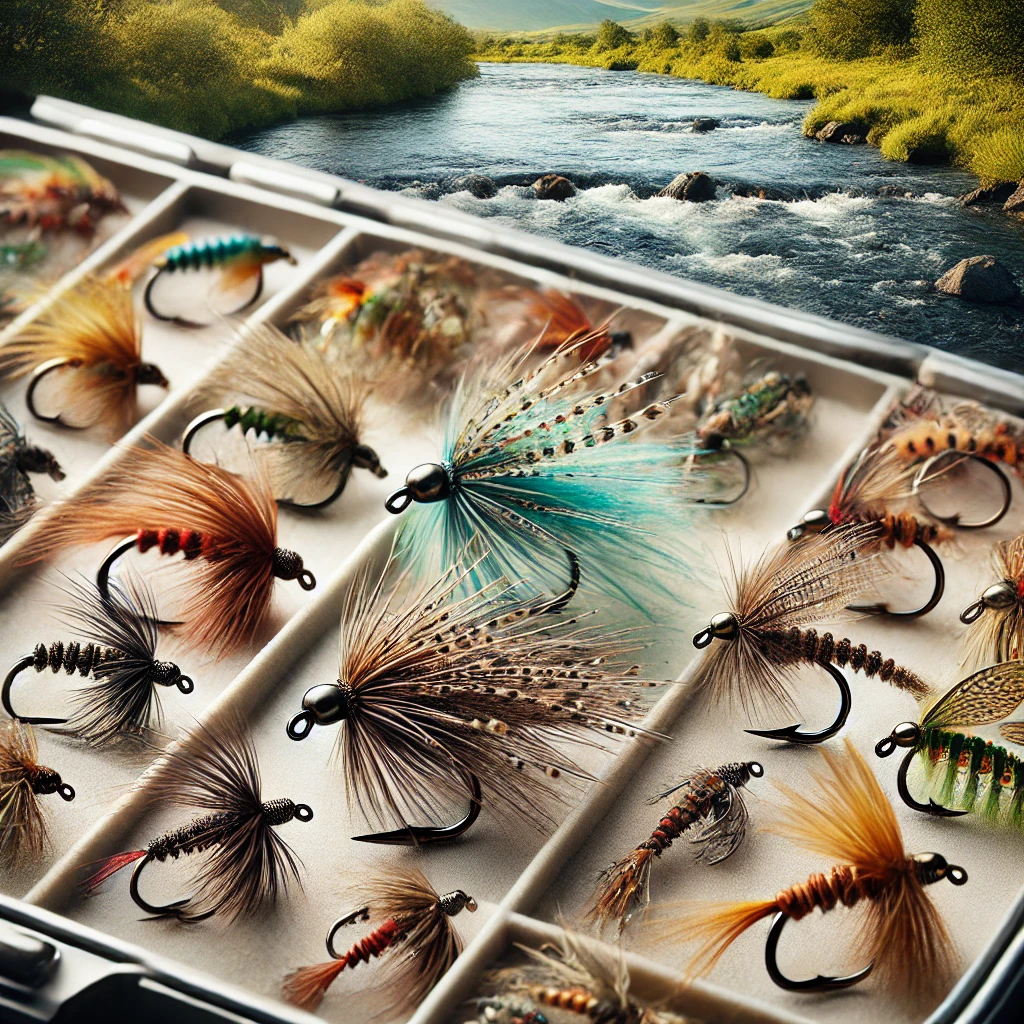
Fly fishing is a captivating and deeply rewarding pursuit, a delicate dance with nature that requires both skill and patience. Among the many types of flies used in fly fishing, the parachute fly stands out due to its unique design and effectiveness. If you’re an avid fly fisherman or an aspiring one, learning how to tie your own parachute flies can be a game-changer. These versatile flies are designed to sit low in the water, mimicking real insects more naturally and enticing fish to bite. Whether you’re targeting trout in a serene mountain stream or bass in a quiet pond, the parachute fly is an essential addition to your fly box.
Tying your own flies adds a layer of personalization and creativity to your fly fishing experience. Not only does it allow you to customize your flies to match the specific conditions and insects in your area, but it also saves money and provides a sense of accomplishment when you catch a fish with a fly you’ve tied yourself. This guide will walk you through the process of tying parachute flies, from gathering materials to mastering the tying techniques.
To get started, you’ll need some basic fly tying tools and materials. A fly tying vise, scissors, bobbin, and whip finisher are the primary tools, along with materials such as hooks, hackle feathers, dubbing, and thread. As you become more experienced, you can experiment with different colors and sizes to match the insects that fish are feeding on in your local waters. But for now, let’s focus on the essentials and break down the step-by-step process of tying parachute flies.
Materials and Tools Needed
To tie effective parachute flies, you’ll need several essential materials and tools. Having the right equipment is crucial to creating durable and lifelike flies that will attract fish. Below is a detailed list of the basic materials and tools you’ll need to get started:
- Fly Tying Vise: This is the most important tool in your fly tying arsenal. It’s used to hold the hook securely in place while you tie the fly. A good quality vise can be adjusted to accommodate different hook sizes and ensures your fly is tied with precision.
- Scissors: Sharp, fine-tipped scissors are necessary for cutting materials with accuracy and detail. A pair dedicated to cutting delicate materials, such as thread and feathers, is essential.
- Bobbin: This tool holds the thread spool and allows you to apply consistent tension as you wrap the thread around the hook. It makes the tying process smoother and more efficient.
- Hackle Feathers: These are used to create the parachute post and legs of the fly. High-quality hackle feathers are crucial for good flotation and a realistic appearance.
- Dubbing: This is a fine material used to create the body of the fly. It can be made from natural or synthetic fibers and comes in a variety of colors to match different insects.
- Parachute Post Material: This can be poly yarn, calf tail, or other buoyant material. It’s used to create the post on which the hackle is wrapped to form the parachute.
- Hooks: The foundation of your fly, the hook size and style depend on the fly you are tying and the fish you’re targeting.
Having these materials and tools on hand will prepare you for the fly tying process. As you gain experience, you’ll discover additional tools and materials that can enhance your fly tying capabilities. Now that we have our toolkit ready, let’s move on to the step-by-step instructions for tying a parachute fly.
Step-by-Step Instructions: Tying the Tail and Body
The first steps in tying a parachute fly involve creating the tail and body. This foundation sets the stage for the subsequent steps, so it’s important to do it correctly. Here’s a detailed breakdown of the process:
- Mount the Hook: Begin by placing the hook in the vise and securing it tightly so it doesn’t move. Adjust the vise to hold the hook securely in the horizontal position.
- Start the Thread: Attach the thread to the hook by wrapping it several times near the bend of the hook. Trim the tag end of the thread to keep it from getting in the way as you tie.
- Create the Tail: Select a few fibers from the hackle feather and align them so the tips are even. Tie these fibers onto the hook shank at the bend using a few tight wraps of thread. The tail should be about the length of the hook shank.
- Dub the Body: Apply a thin layer of dubbing material to the thread by twisting it between your thumb and forefinger. Wrap the dubbed thread around the hook shank to create a tapered body, moving from the tail toward the eye of the hook. Be sure to leave enough space near the eye for the parachute post and hackle wraps.
At this point, you’ve created a solid foundation for your parachute fly. The tail and body are crucial elements that contribute to the overall appearance and effectiveness of the fly. Next, we’ll focus on creating the parachute post and wrapping the hackle.
Step-by-Step Instructions: Creating the Parachute Post
The parachute post is a distinctive feature of this type of fly, providing both visibility and floatation. Creating a sturdy and well-formed parachute post is essential for the fly’s performance. Follow these steps:
- Attach the Parachute Post Material: Using your chosen buoyant material (e.g., poly yarn or calf tail), tie it in at the position where you left off with the body. The material should be tied vertically on top of the hook shank, extending upwards.
- Build Up the Post: Wrap the thread around the base of the parachute post material, creating a sturdy foundation that will support the hackle. Make several wraps both horizontally and vertically to form a secure base.
- Prepare the Hackle Feather: Select a hackle feather appropriate for the size of the fly you’re tying. Strip a small section of fibers from the base of the feather stem, exposing the quill. Tie the feather in at the base of the parachute post, with the shiny side facing down.
Now that the parachute post is in place, you can move on to wrapping the hackle and finishing the fly. A well-constructed parachute post provides the structure needed for the hackle wraps to sit properly, ensuring that the fly floats and mimics a natural insect effectively.
Step-by-Step Instructions: Wrapping the Hackle
Wrapping the hackle around the parachute post is a delicate process that requires precision and patience. This step adds the characteristic ‘parachute’ appearance to the fly, which helps it float on the water’s surface. Here’s how to do it:
- Wrap the Hackle: With the parachute post secured, begin wrapping the hackle feather around the post in tight, even spirals. Use the thread to anchor the tip of the hackle feather before you start wrapping. Make four to six turns around the base of the post, moving upwards with each wrap.
- Secure the Hackle: Once you’ve wrapped the hackle, use the thread to capture the hackle tip by making a few wraps around it near the top of the post. Trim any excess hackle feather to keep it neat.
- Create a Head: Finish the fly by wrapping the thread at the hook eye, forming a small head. Use a whip finisher to create a knot and secure the thread, then trim the thread close to the knot.
At the end of this step, your parachute fly should have a bushy, circular hackle collar that helps it float on the water. The finished fly should be inspected for any loose fibers or threads and given a quick trim if necessary.
Final Touches and Craftsmanship Tips
Though the basic steps for tying a parachute fly are detailed above, there are several final touches and craftsmanship tips that can enhance the quality and durability of your fly. Here are some advanced tips to consider:
- Use High-Quality Materials: Investing in premium materials can make a significant difference. High-quality hackle feathers, durable threads, and realistic dubbing all contribute to a more effective fly.
- Maintain Consistent Tension: Applying even tension while wrapping materials is crucial. This ensures that the fly is tightly bound and less likely to come apart during casting or when being struck by a fish.
- Practice Makes Perfect: Tying perfect parachute flies takes practice. Don’t get discouraged by initial imperfections. Each fly you tie will improve your technique and precision.
- Customization: Once you’re comfortable with the basic technique, experiment with different colors and sizes to create flies tailored to your local fishing conditions. Matching the hatch – that is, imitating the prevalent insects in your fishing area – greatly improves your chances of success.
- Use Head Cement: Applying a tiny drop of head cement to the final knot can increase the fly’s durability. It helps to secure the thread and prevent it from unraveling during use.
Following these tips and continually refining your technique will lead to tying high-quality parachute flies that you’re proud to use and share with fellow anglers.
Conclusion: The Joy of Fly Tying
Tying your own flies, especially parachute flies, is more than just a practical skill; it’s an art form that brings you closer to the essence of fly fishing. Each fly you create carries a piece of your craftsmanship and understanding of the natural world. The parachute fly’s unique design not only mimics the delicate landing of an insect but also enhances your fishing experience by increasing your chances of a successful catch.
As you’ve seen, the process of tying a parachute fly involves a combination of precision, patience, and creativity. From the initial thread wraps to the final hackle placement, each step is crucial in creating a fly that not only looks beautiful but also performs effectively on the water. With practice, you’ll develop a deeper appreciation for the nuances of fly tying and the satisfaction of catching fish with your hand-crafted flies.
Whether you’re new to fly tying or looking to refine your skills, the journey of creating parachute flies will undoubtedly enhance your fly fishing adventures. Embrace the challenges, enjoy the process, and celebrate the moments on the water where your skills and efforts come to fruition. Here’s to many successful fishing trips with your homemade parachute flies!