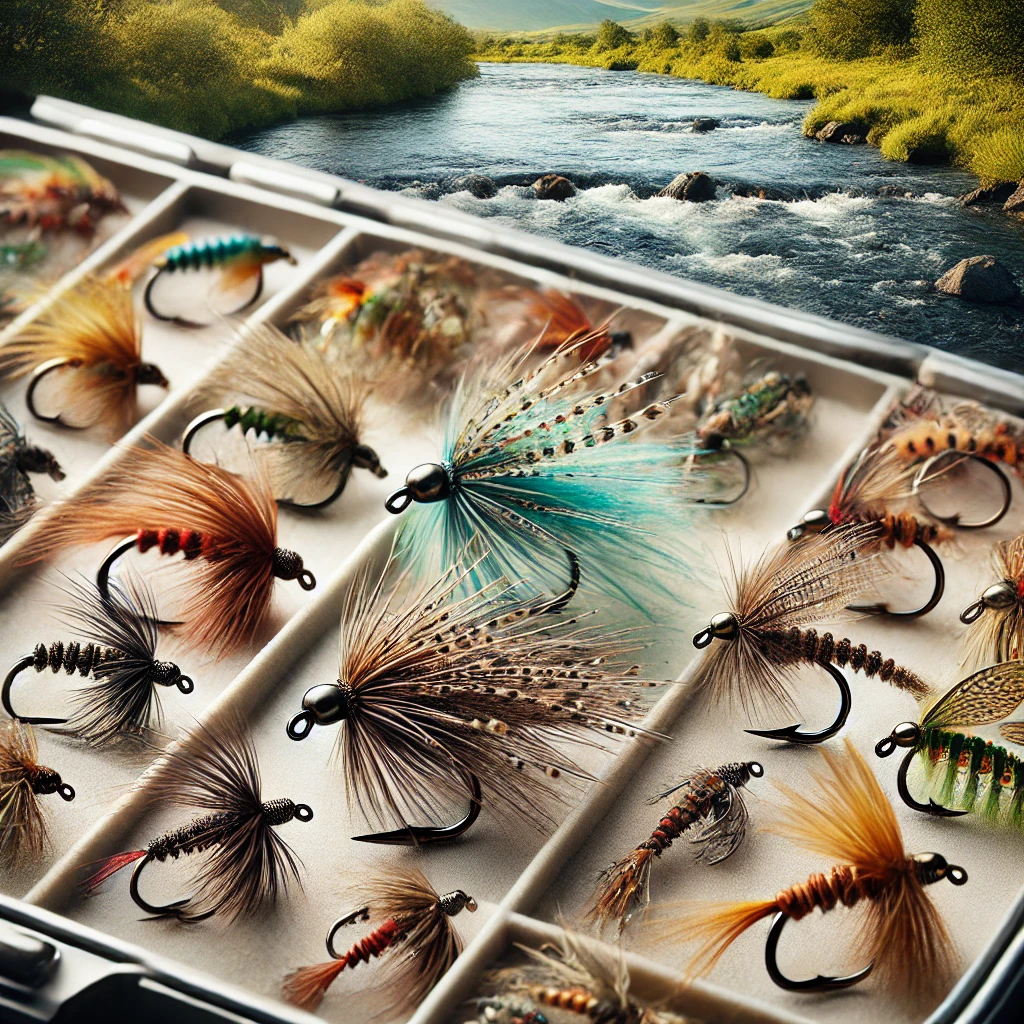
Fly fishing is an age-old practice that blends the intentionality of craftsmanship with the tranquility of the natural world. At the heart of this captivating hobby lies the art of fly tying—a skill that requires patience, creativity, and precision. Fly patterns and tying techniques range widely, but they all strive for one end: to imitate the prey that tempts fish. Among the many techniques used, impressionistic and realistic fly tying stand out for their unique approaches and distinct advantages. Understanding the nuances between these two styles can enhance your fly fishing experience tremendously.
The impressionistic approach focuses on imitation through suggestion rather than exact duplication. Often simpler to create, these patterns rely on broad strokes and general characteristics that resonate with the fish’s perception. On the other hand, the realistic technique aims for intricate, lifelike details that closely mimic actual insects or bait, requiring a higher level of skill and patience. This article delves into these two fascinating techniques, exploring their methods, applications, and the specific scenarios in which each proves most effective.
Impressionistic Fly Tying: The Art of Suggestion
Impressionistic fly tying revolves around capturing the essence of the prey rather than recreating it in painstaking detail. This style leverages broad characteristics such as size, color, and movement to evoke the right cues in the fish’s mind. It’s like the difference between a landscape painted in loose strokes and a photograph; both are compelling, but one leaves more to the imagination.
This technique offers several advantages, especially for beginners. It’s faster and less complicated, allowing anglers to produce flies quickly and with fewer materials. The emphasis is on functionality over form. For instance, a well-tied Woolly Bugger or Adams can be just as effective as more realistic patterns, particularly in murky waters or fast-flowing streams where fine details are less likely to be scrutinized by fish.
Additionally, impressionistic flies can adapt to various situations more flexibly. A single pattern can mimic multiple types of prey, which is invaluable when you’re uncertain about what the fish are attracted to that day. This versatility makes impressionistic fly tying a staple in the arsenal of many seasoned anglers.
Realistic Fly Tying: A Study in Detail
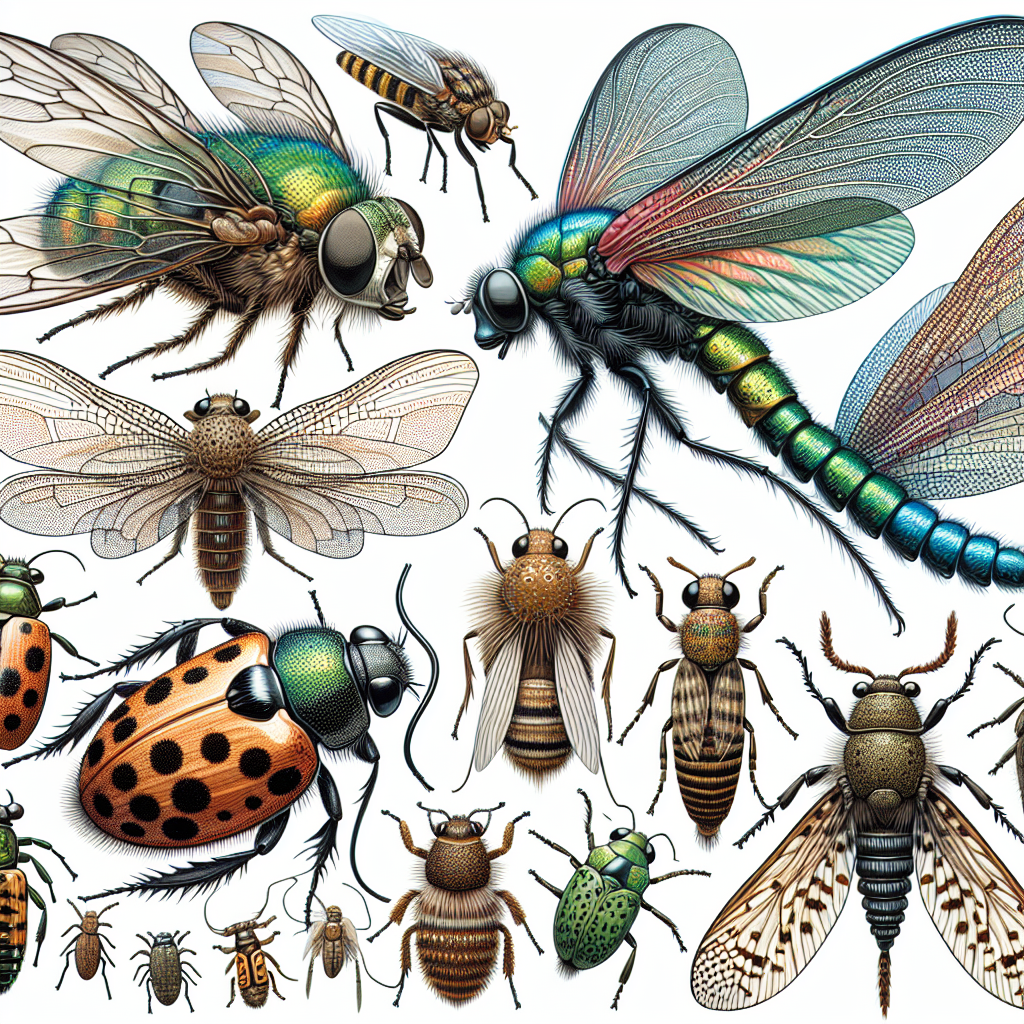
For those who enjoy a meticulous, almost artistic pursuit, realistic fly tying offers a deeply satisfying experience. This technique aims to recreate the prey with high fidelity, focusing on fine details like segmented bodies, exact proportioning, and lifelike coloring. The result is a fly that closely resembles the natural insect or baitfish, often down to the tiniest facet.
Realistic fly patterns are particularly useful in clear waters and pressured fishing environments, where fish have the leisure to inspect their potential meal closely. In these settings, every tiny detail can make the difference between a strike and a pass.
However, realistic fly tying requires advanced skills and a significant time investment. It involves precise cutting, trimming, and binding of various materials to achieve the desired effect. Focusing on realistic patterns also requires a deeper understanding of the aquatic life you’re trying to imitate, such as knowing the exact appearance and behavior of specific insects.

Materials and Tools: Essential Gear for Each Technique
Whether you lean toward impressionistic or realistic fly tying, the materials and tools you use can significantly impact the outcome. For impressionistic fly tying, simplicity is key. Basic materials like chenille, hackle feathers, and dubbing work wonders in creating effective flies. Tools include a standard vise, scissors, bobbins, and bodkin needles.
Realistic fly tying, by contrast, often requires a more extensive array of materials and tools. Synthetic materials, specialized dubbing, and fine hooks are commonly used. Additionally, you’ll need tools such as detailed hackle pliers, magnifying lights, and precision scissors. These allow for the meticulous placement of materials that characterize realistic patterns.
Investing in high-quality tools like a good vise and sharp scissors is beneficial regardless of your chosen technique. These will not only make the process easier but also improve the quality of your flies. Materials can be sourced from fly shops, online stores, or even scavenged from nature, depending on your preference and creativity.
Step-by-Step: An Impressionistic Fly Pattern
Let’s walk through a simple but effective impressionistic fly pattern: the Woolly Bugger.
- Materials Needed: Woolly Bugger hooks, black yarn, hackle feathers, Chenille, and lead wire (optional).
- Step 1: Attach the hook to the vise and secure the lead wire (if using) to the shank for added weight.
- Step 2: Tie in the black yarn to form the body, ensuring it wraps evenly around the hook.
- Step 3: Secure the hackle feather at the base and wind it forward in evenly spaced wraps.
- Step 4: Add a strand of chenille for the tail to complete the fly.
This straightforward pattern is effective in a variety of conditions and can be modified with different colors or materials to suit specific needs.
Step-by-Step: A Realistic Fly Pattern
Now, let’s explore a more intricate realistic fly pattern: the Blue Winged Olive (BWO).
- Materials Needed: BWO hooks, fine wire, olive dubbing, microfibbets, and sofr hackle.
- Step 1: Attach the hook to the vise and secure a thin layer of olive dubbing for the body.
- Step 2: Intertwine fine wire for the abdomen and secure it tightly to form segmented body parts.
- Step 3: Tie in microfibbets to imitate the tail fibers, ensuring they are of equal length.
- Step 4: Wrap the soft hackle around the thorax, ensuring it mimics the wing patterns of a real BWO.
While more complex, this pattern shines in clear waters, offering fish a highly convincing imitation sure to provoke a strike.
When to Use Each Technique
Choosing between impressionistic and realistic fly tying typically depends on the fishing environment and the target species. Impressionistic flies are best suited for murkier waters, fast streams, and when fish are less discriminating—such an environment favors general cues over meticulous details.
Conversely, realistic flies are indispensable in clear waters and pressured environments where fish can afford to be more selective about their meals. Realistic patterns prove their worth in lakes where the depth and clarity give fish the luxury of careful inspection.
Additionally, your personal preference and skill level should play a role in your choice. If you enjoy crafting and have the patience, realistic fly tying can be incredibly rewarding both in terms of the creative process and fishing results. If you prefer quick results and versatility, impressionistic patterns might be more your speed.
Blending Techniques
Interestingly, many seasoned fly tyers have found success in blending both impressionistic and realistic techniques, creating hybrid flies that incorporate the best of both worlds. These flies can be designed to feature general suggestive forms with key realistic details, offering an optimal balance.
For example, a fly might feature a general shape achieved through simpler methods, but add realistic touches to the areas fish are most likely to scrutinize, such as the tail or wings. This hybrid approach allows for versatility and effectiveness in various fishing environments.
Experimentation is key. Fly tying is as much about adapting to new situations as it is about adhering to tradition. Don’t be afraid to mix materials, styles, and techniques to find what works best for you and your local waters.
Conclusion
Fly tying is a nuanced and rewarding aspect of fly fishing, offering endless opportunities for creativity and customization. Whether your preference leans towards the simplicity and versatility of impressionistic patterns or the intricate and satisfying craft of realistic fly tying, both techniques have their unique benefits.
By understanding the specifics of each method, you can choose the right approach for different fishing environments and improve your chances of success on the water. The choice ultimately depends on your fishing context, skill level, and personal preference. Yet, there’s no need to strictly adhere to one style; blending techniques and continuous experimentation often yield the best results.
So pick up your tools, gather your materials, and dive into the world of fly tying. Whether you find joy in the broad, impressionistic strokes or the detailed realism, remember that the ultimate goal remains the same: crafting that perfect fly to net your next big catch. Happy fishing!