Welcome to the art of fly tying! If you’ve always wanted to create your own fishing lures, tie unique flies, or simply enjoy a relaxing hands-on hobby, then fly tying is a perfect activity for you. This comprehensive guide will walk you through the basics and help you get started on your fly tying journey.
Fly tying is a craft that has been honed over centuries, drawing enthusiasts who appreciate the intricate details and the subtle artistry involved. The goal is to create flies that mimic the insects fish feed on, often using materials like feathers, fur, and synthetic fibers. Whether you are looking to catch trout, bass, or any other type of game fish, mastering fly patterns can give you an edge on your next fishing trip.
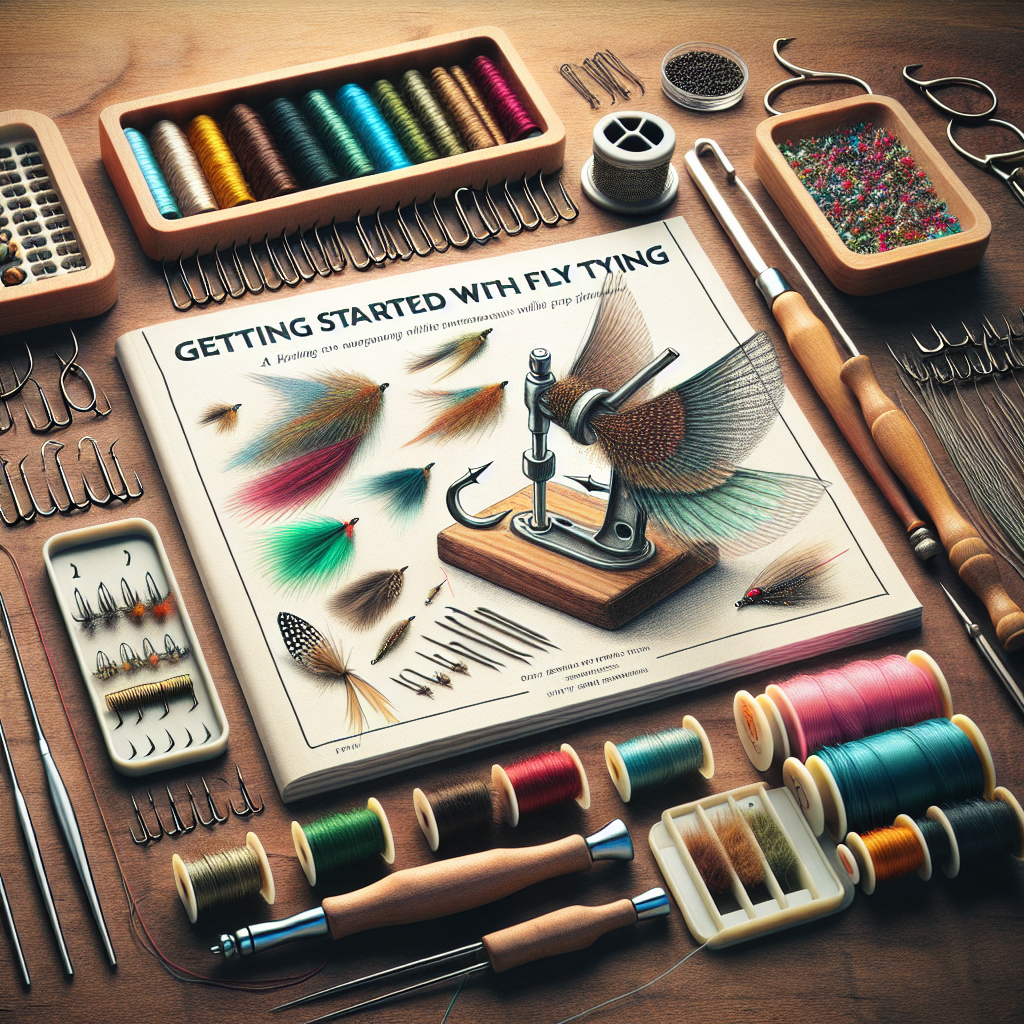
Before diving into fly patterns and tying techniques, it’s essential to understand the tools and materials required. A basic setup includes a vice to hold the hook, scissors, hackle pliers, bobbin holders, dubbing needles, and of course, hooks, threads, and various materials like feathers and tinsel. Investing in quality tools will make the process significantly more enjoyable and the outcomes more satisfying.
Understanding Basic Fly Patterns
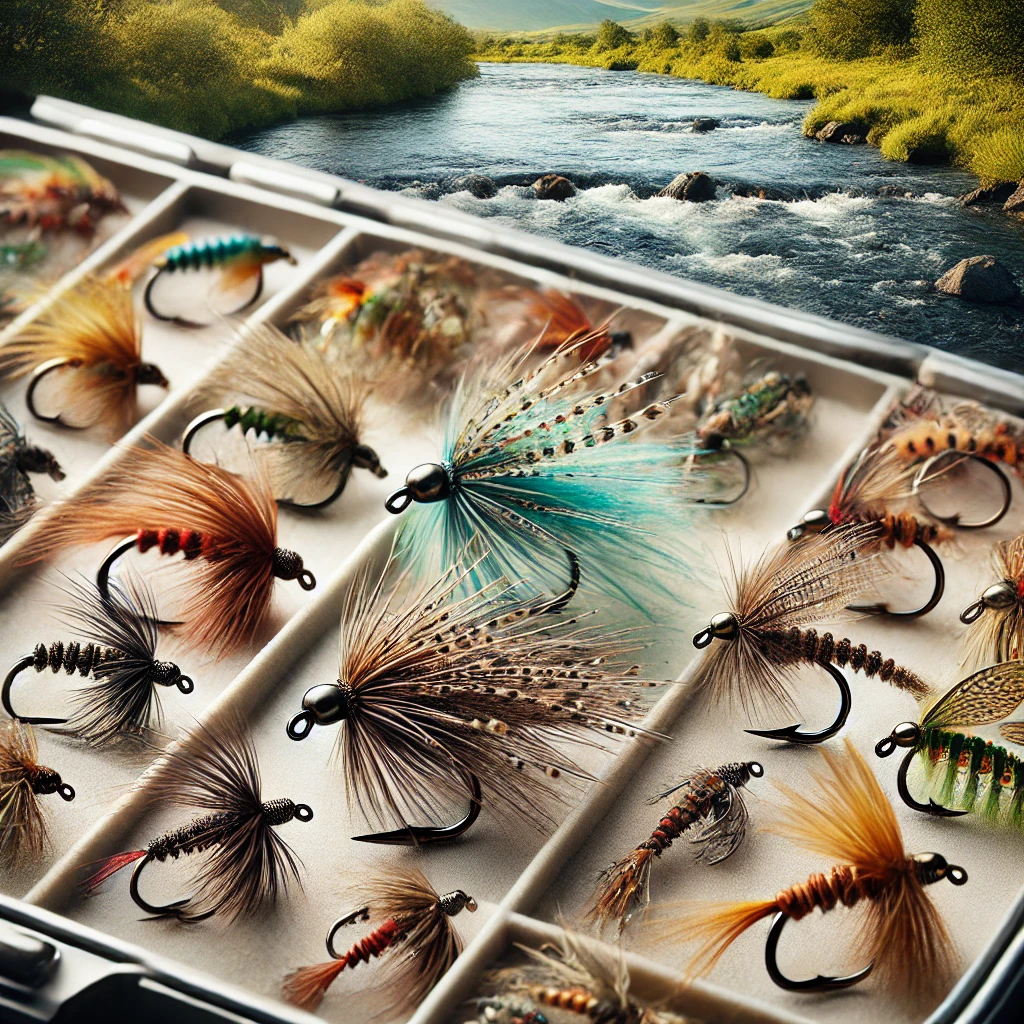
Fly patterns can be broadly categorized into dry flies, wet flies, nymphs, and streamers. Each type has its unique characteristics and is used to imitate different types of prey in various water conditions:
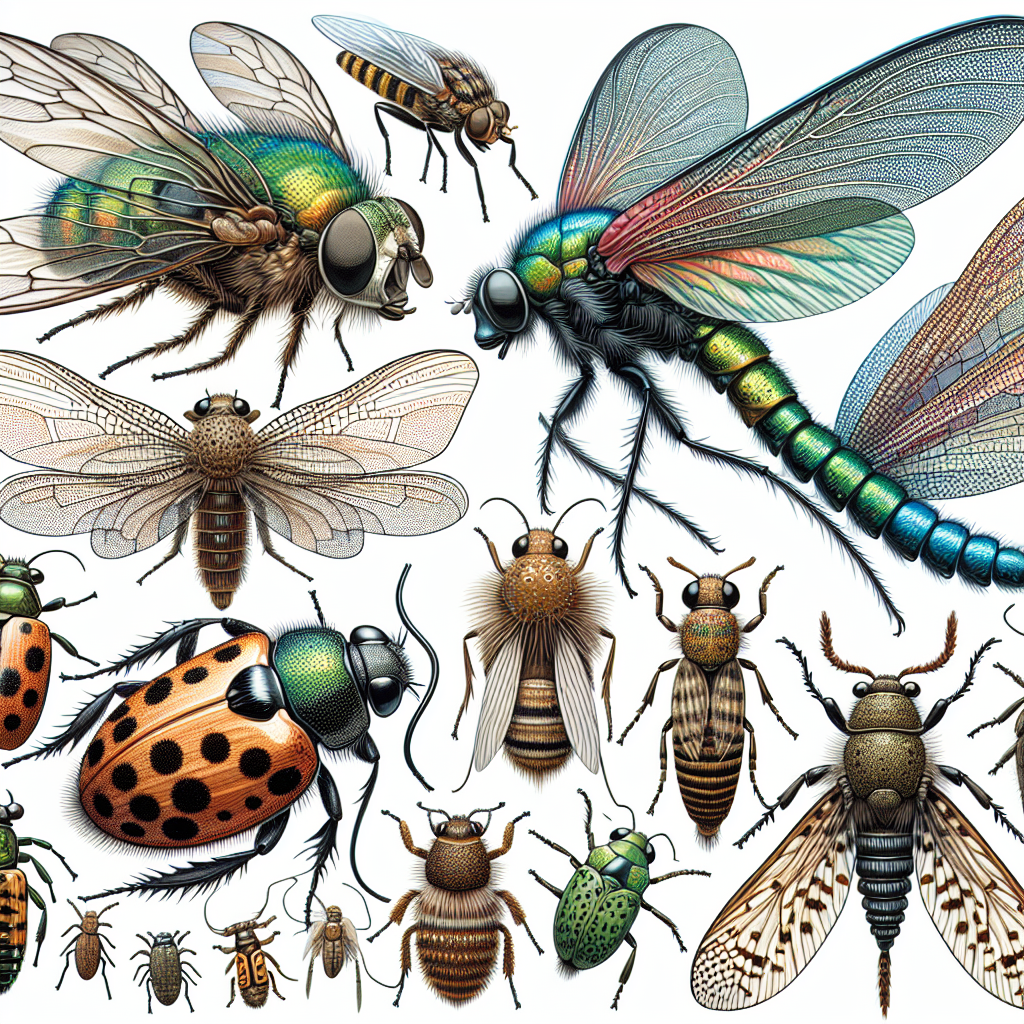
- Dry Flies: These flies float on the water surface and mimic insects like mayflies, caddisflies, and stoneflies. They are probably the most visually exciting category because you can watch the fish rise to take the fly.
- Wet Flies: Designed to sink below the water surface, wet flies are used to imitate submerged insects or larvae. They are effective in faster currents and deeper waters.
- Nymphs: Nymphs represent the juvenile stage of aquatic insects. They sink to the bottom and are especially effective in catching species like trout.
- Streamers: These are larger flies that mimic baitfish, leeches, or other prey items. Streamers can be highly effective for chasing fly fish like bass and pike.
Understanding these basic categories will help you decide which type of fly you need to tie based on your fishing environment and targeted species.
Essential Fly Tying Techniques
Mastering the basics is the first step to becoming proficient in fly tying. Here are some fundamental techniques that every fly tier should know:
1. Thread Control
Proper thread control is essential in fly tying. The thread serves as the building block for securing materials to the hook. Hold the bobbin holder with a relaxed grip and maintain consistent tension. Practicing the whip finish knot will help secure the thread wraps permanently.
2. Dubbing
Dubbing is the process of applying fibers to the thread to create a fuzzy body on the fly. There are various dubbing materials available, both natural and synthetic. Blend the material by rolling it on your fingers before wrapping it around the hook shank. Practice makes perfect when it comes to creating an even and well-proportioned body.
3. Wrapping Hackle
Hackle feathers are wrapped around the hook to imitate the legs or wings of insects. Understanding how to work with both dry fly hackles and wet fly hackles is crucial. The key is to roll and wrap the hackle feather consistently and evenly around the hook.
4. Creating Wings
Positioning and securing wings can be a bit tricky, especially for beginners. Be sure to use the right materials like duck quill feathers or synthetic fibers and tie them in securely with your thread. Aligning the wings properly ensures that your fly looks and performs well in the water.

Choosing Materials for Fly Tying
The materials you choose for tying flies can significantly impact the look and effectiveness of your finished product. Here are some common materials used and tips for selecting them:
Feathers
Feathers are a traditional and widely used material in fly tying. You’ll need hackle feathers, which vary in color and size, for creating wings, tails, and bodies. Quality matters, so invest in capes or saddles that offer consistently sized feathers.
Fur
Fur can be used for dubbing and creating lifelike textures. Common sources include rabbit, mink, and beaver. Blending different types of fur can enhance the appearance and movement of the fly.
Synthetic Fibers
Modern fly tiers often incorporate synthetic materials for added durability and vibrancy. UV flash, tinsel, and silicone legs provide added shine and movement, making them great additions to certain fly patterns.
Threads and Wires
Choosing the right thread is fundamental to the fly’s durability and appearance. Polyester or nylon threads in various colors and thicknesses are typical choices. Fine wire can be used to add weight and structure to the fly.
Hooks
The hook is the foundation of the fly, and selecting the right size and style is crucial. Hooks come in different sizes, shapes, and strengths, so ensure you have a variety aligned with the types of flies you plan to tie.
Advanced Fly Tying Patterns
Once you are comfortable with basic fly tying techniques and materials, you may want to try some advanced patterns that involve more complex steps and materials. Here’s a look at a few:
1. Parachute Adams
This dry fly pattern sits low on the water and is excellent for imitating various insects. It involves a post of synthetic or natural material that acts as a parachute, allowing the fly to ride exceptionally well on the surface.
2. Prince Nymph
This is a classic attractor pattern with a peacock herl body, gold ribbing, and biot tails. It’s effective for a wide range of freshwater species and can be tied in various sizes to match local nymphs.
3. Clouser Minnow
This streamer pattern is popular for imitating baitfish. It usually features weighted eyes and a sleek body that creates a natural swimming action when stripped through the water.
4. Elk Hair Caddis
An excellent dry fly for fast or rough water, the Elk Hair Caddis uses buoyant elk hair for the wing, making it very effective for catching fish that feed on the surface. The addition of palmered hackle adds to its floatation and realism.
By trying these advanced patterns, you’ll hone your skills, expand your knowledge of materials, and increase your success on the water.
Fly Tying as a Therapeutic Hobby
Beyond its practical application in fishing, fly tying can be a deeply therapeutic hobby. Here’s why many people find it so rewarding:
1. Mindfulness
The focused attention required in fly tying promotes mindfulness, helping to reduce stress and anxiety. Each necessary step requires complete focus, making it an ideal way to practice being present.
2. Creativity
Fly tying allows for endless creativity. From color combinations to choosing different materials, the process engages your artistic side and provides a satisfying creative outlet.
3. Patience and Persistence
Learning fly tying fosters patience and persistence. It’s not uncommon to create imperfect flies at first, but with dedication, you’ll perfect your technique, learning to appreciate the process and the progress.
4. Connection to Nature
Creating flies that imitate natural insects deepens your connection to nature. It helps you become more observant and appreciative of the intricate details in the natural world.
Fly tying can be enjoyed solo or as a social activity, sharing tips and techniques with fellow anglers and enthusiasts.
Conclusion
Getting started with fly tying is a journey filled with learning, creativity, and satisfaction. By understanding basic fly patterns and mastering fundamental techniques like thread control, dubbing, and hackle wrapping, you’ll be able to create effective and beautiful flies for your fishing adventures. Equally important is selecting quality materials that suit your intended patterns and target fish species.
This guide has covered the essentials to kickstart your fly tying hobby. Whether you are aiming to create basic dry flies or experiment with complex nymphs and streamers, the joy of catching fish with your own handcrafted flies is unparalleled. So, gather your materials, set up your vice, and start tying. The only limit is your imagination.