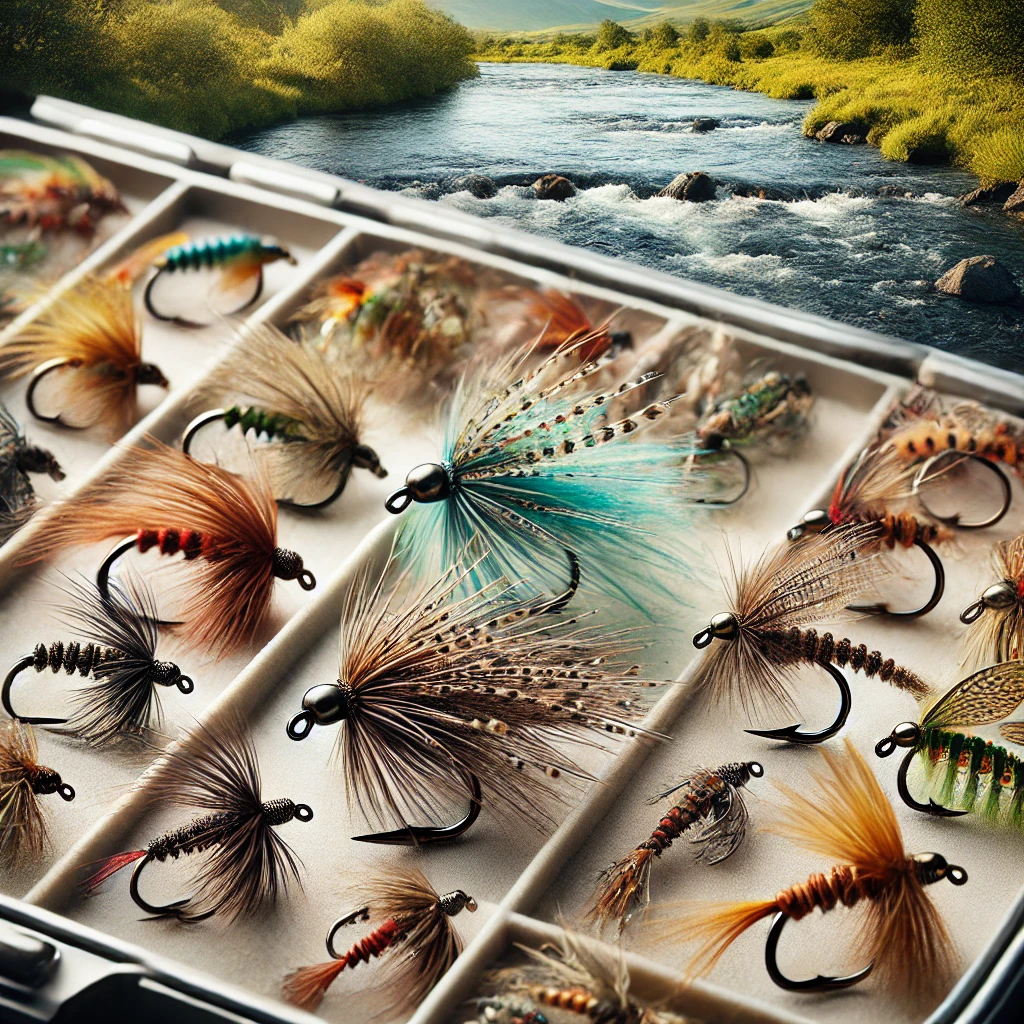
Fly fishing enthusiasts know that the type of fly they use can make all the difference in the world. Among the various fly patterns, the leech fly has proven to be one of the most effective, particularly when targeting predatory fish like trout and bass. Leeches are naturally prevalent in diverse water bodies, making them an excellent choice for fly anglers. This article will serve as a detailed guide, walking you through the various leech fly patterns and the techniques for tying them.
Leech flies are versatile and can be used in numerous fishing conditions. Understanding the basics of fly tying and mastering leech patterns can elevate your fly fishing game significantly. We’ll start with the fundamental materials needed, move through the various fly patterns, and finally, delve into some advanced techniques that will make your fly irresistible to fish.
Materials Needed for Tying Leech Flies
Before we get into the nitty-gritty of tying leech flies, it’s crucial to gather the necessary materials. Here’s a list of what you’ll need:
- Hooks: Opt for streamer hooks in sizes ranging from #4 to #12. The hook size will depend on the water body and the type of fish you aim to catch.
- Thread: A strong threading material, such as 6/0 or 8/0 thread, works best for leech patterns.
- Marabou Feathers: These feathers provide the leech with a lifelike appearance and movement in the water.
- Chenille or Dubbing: These materials help create the body of the leech, giving it both bulk and appeal.
- Lead Wire: This is optional but can add weight to your fly, making it sink more quickly.
- Beads: Used for the head of the fly; bead heads can also add additional weight.
- Super Glue or Head Cement: To ensure your fly is durable and long-lasting.
Starting your fly tying journey with these materials will lay a strong foundation for creating effective leech patterns.
Basic Leech Fly Pattern: The Woolly Bugger
The Woolly Bugger is arguably one of the most versatile and effective leech patterns out there. Here’s a step-by-step guide to tying your own Woolly Bugger:
- Prepare Your Hook: Place a streamer hook in the vice and start the thread behind the hook eye. Wind the thread to the bend of the hook.
- Attach the Tail: Select a marabou feather and tie it in at the bend. The tail should be about the length of the hook shank.
- Add the Body: Tie in a length of chenille at the tail base. Wrap the chenille forward, covering the hook shank, and secure it just behind the hook eye.
- Palmer the Hackle: Tie in a saddle hackle feather by its tip at the tail base. Palmer the hackle forward in evenly spaced turns to cover the body. Secure it at the hook eye.
- Finish the Fly: Form a neat head, whip finish, and apply a small drop of head cement for durability.
The Woolly Bugger imitates a variety of underwater creatures, making it a fantastic choice for both novice and experienced fly anglers.
Intermediate Pattern: The Bunny Leech
The Bunny Leech is another exceptional pattern, ideal for targeting larger fish. This pattern uses rabbit strips to create a more lifelike movement underwater. Follow these steps:
- Hook and Thread: Start by placing your hook in the vice and wrapping a base layer of thread from the eye to the bend.
- Adding Lead Wire: Wrap lead wire around the hook shank to add weight. Secure the lead wire with thread.
- Tail: Cut a Rabbit Zonker strip slightly longer than the hook shank and tie it in at the bend.
- Body: Attach a second, wider strip of rabbit fur at the base of the tail. Wind this forward to form the body, ensuring each wrap overlaps slightly.
- Finish: Secure the rabbit fur at the hook eye, whip finish, and apply head cement.
The Bunny Leech’s natural fur provides a realistic, undulating motion that is highly effective in attracting fish.
Advanced Techniques: Bead-Head Leech
For those looking to take their fly-tying skills to the next level, the Bead-Head Leech offers enhanced weight and realism. Here’s how to create this advanced pattern:
- Start with a Bead: Slide a bead onto the hook and place the hook in the vice.
- Thread Base: Starting behind the bead, wrap a thread base down to the bend of the hook.
- Tail: Tie in marabou feathers just past the bend; the tail should be about the length of the hook shank.
- Add Ribbing: Attach a thin wire ribbing material at the base of the tail to wrap later.
- Body: Dub the thread with long-fibered dubbing material and wind it forward to the bead.
- Hackle: Tie in a soft hackle feather by its tip and palmer it forward over the dubbed body.
- Wrap the Ribbing: Counter-wrap the ribbing wire forward through the hackle and body, securing it at the bead.
- Finish: Whip finish behind the bead and add a drop of head cement for durability.
The Bead-Head Leech’s added weight helps it sink quickly and get to the fish’s level faster, making it incredibly effective in deep waters or fast currents.
Maintaining and Storing Your Leech Flies
Proper maintenance and storage of your flies ensure their longevity and effectiveness. Here are some tips to keep your leech flies in top shape:
- Dry Thoroughly: Always let your flies dry completely before storing them. Damp flies can lead to rust and deterioration.
- Use Fly Boxes: Invest in quality fly boxes with soft foam inserts to keep your flies organized and safe.
- Inspect Regularly: Check your flies for signs of wear and tear. Replace or repair damaged flies to ensure peak performance.
- Store in a Cool, Dry Place: Avoid exposing your flies to extreme heat or moisture, which can damage the materials.
- Avoid Overcrowding: Give your flies some space in the fly box to prevent them from getting crushed or tangled.
By following these storage and maintenance tips, you’ll ensure that your meticulously tied leech flies remain effective for many fishing trips to come.
Conclusion
Mastering leech fly tying techniques can significantly enhance your fly fishing experience. From the basic Woolly Bugger to the intermediate Bunny Leech, and finally, the advanced Bead-Head Leech, each pattern offers unique advantages and challenges. By meticulously selecting your materials and mastering these patterns, you can create flies that not only mimic the natural appearance and movement of leeches but also withstand the rigors of fishing.
Remember, the key to effective fly tying lies in attention to detail and a willingness to experiment. Don’t be afraid to tweak existing patterns or even create your own. Each fishing expedition provides an opportunity to refine your techniques and discover what works best in different conditions. Ultimately, the more you practice, the better you’ll become at creating flies that attract the fish you’re targeting.
Whether you’re a novice just starting or an experienced angler looking to refine your skills, the techniques and tips outlined in this guide will help you master the art of leech fly tying. So gather your materials, set up your vice, and start tying. The fish are waiting.