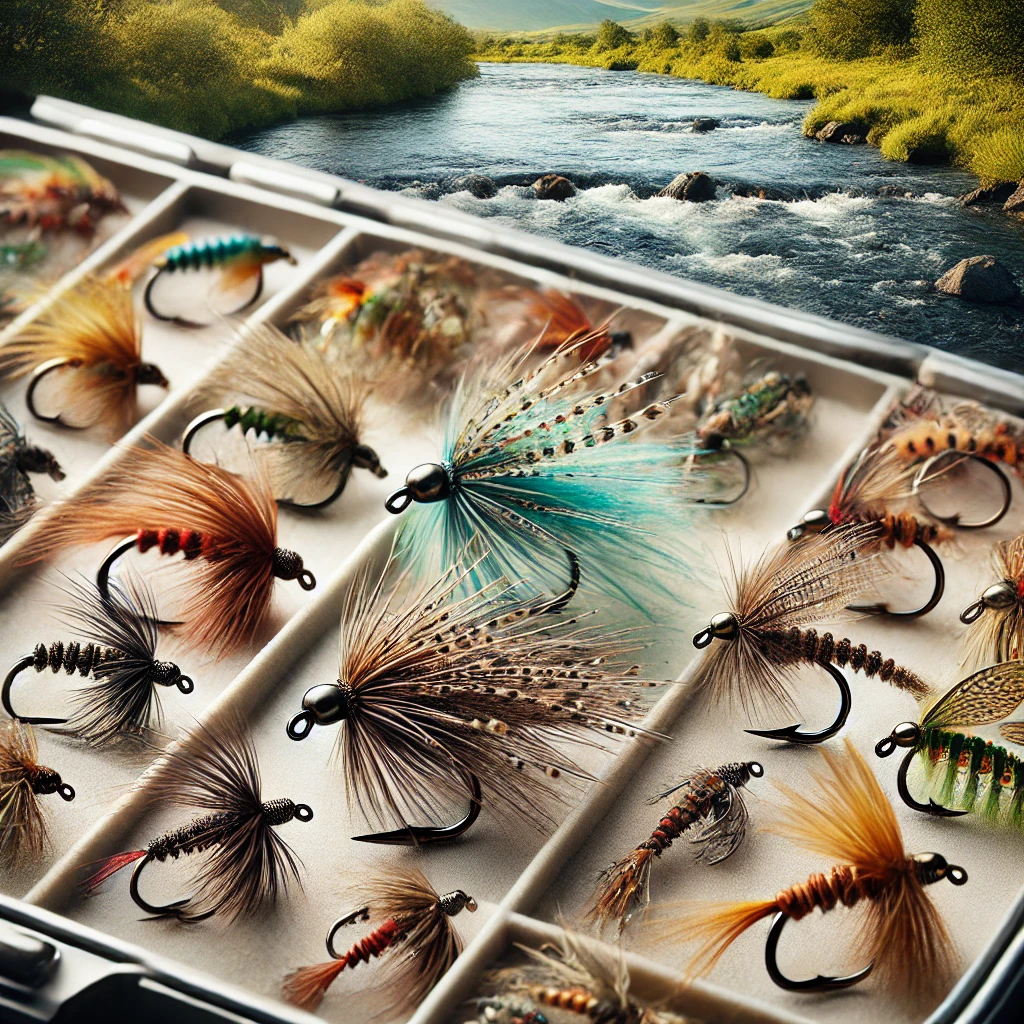
Fly fishing is a captivating sport that combines skill, patience, and an appreciation for nature’s wonders. One of the integral aspects of fly fishing is the art of tying flies, specifically crafting patterns that mimic the shrimp and crab—a category of fly patterns that proves essential for both saltwater and freshwater anglers. Shrimp and crab flies are particularly enticing to a variety of sport fish such as bonefish, permit, and redfish, making them a key part of any angler’s fly box.
When fishing in saltwater flats or estuaries, selecting the right fly pattern can be the difference between a successful day on the water or coming home empty-handed. Mastering the techniques involved in shrimp and crab fly tying will not only broaden your fly repertoire but also improve your chances of catching more fish. There are nuances in the design and materials used in these patterns that effectively simulate the appearance and behavior of natural shrimp and crabs.
In this comprehensive guide, we will delve into the specific materials needed for tying shrimp and crab flies, step-by-step instructions on crafting popular patterns, essential tying techniques, and tips for matching the hatch. Whether you are a beginner looking to get started or an experienced fly tyer aiming to refine your skills, this article will serve as an invaluable resource for enhancing your fly fishing adventures. Let’s dive into the intricacies of creating shrimp and crab flies that will consistently lure fish to your line.
Essential Materials for Shrimp and Crab Flies
Before you start tying, it’s crucial to familiarize yourself with the materials you will need to create lifelike shrimp and crab flies. While the exact materials can vary based on specific patterns and personal preferences, there are some fundamental components that tend to be common in most recipes.
Hooks: Use strong, durable hooks such as the Mustad Shrimp and Crab Hook series. Be sure to choose the appropriate size based on the fish you’re targeting. For example, size 2 or 4 hooks work well for bonefish and permit.
Thread: Fine, strong thread is necessary to ensure that the materials are securely fastened to the hook. A common choice is 6/0 or 8/0 thread in colors like tan, white, or clear to blend seamlessly with natural materials.
Eyes: Shrimp and crab patterns often feature eyes to make them more realistic. Use plastic bead eyes, dumbbell eyes, or even make your own using monofilament and UV resin.
Body Materials: Synthetic materials like EP Fibers, chenille, or craft fur are essential for replicating the translucent and segmented bodies of shrimp and crabs. Adding a bit of flash can mimic the natural light reflection off these critters.
Legs and Antennae: Silicone legs, rubber legs, and pheasant tail fibers are commonly used to create lifelike legs and antennae. Ensure they are proportionate and move naturally in the water.
Weighting: Some patterns may require additional weight to ensure the fly sinks correctly. Use lead wire, dumbbell eyes, or tungsten beads for this purpose.
Popular Shrimp Fly Patterns
Crafting shrimp flies involves both creativity and precision. Let’s explore some popular shrimp patterns that have proven to be effective.
Crazy Charlie
The Crazy Charlie is a classic shrimp pattern that is simple yet highly effective. Here’s how to tie this reliable fly:
- Hook: Size 4-6 saltwater hook
- Thread: White or tan 6/0
- Eyes: Small dumbbell eyes
- Body: Pearl crystal chenille
- Tail: Craft fur or bucktail
- Flash: Pearl Krystal Flash
Step-by-Step Instructions:
- Start by wrapping a base layer of thread on the hook shank.
- Secure the dumbbell eyes near the hook eye using figure-eight wraps.
- Attach the craft fur or bucktail fibers to form the tail, approximately twice the length of the hook shank.
- Add a few strands of Krystal Flash to the tail for added attraction.
- Wrap the chenille forward to form the body, stopping just short of the eyes.
- Finish off with a whip finish and add a touch of head cement to secure the thread wraps.
Gotcha Shrimp
The Gotcha Shrimp is another must-have pattern known for its effectiveness on bonefish.
- Hook: Size 4-6 saltwater hook
- Thread: Pink 6/0
- Eyes: Bead chain eyes
- Body: Pearl braid or diamond braid
- Tail: Pink craft fur
- Flash: Pearl Krystal Flash
Step-by-Step Instructions:
- Wrap a base of pink thread along the shank.
- Secure the bead chain eyes near the hook eye.
- Attach the craft fur tail, ensuring it is about double the hook length.
- Add a few strands of Krystal Flash to the tail for added sparkle.
- Wrap the pearl braid forward to create the body, stopping just before the eyes.
- Finish with a whip finish and a dab of head cement.
Popular Crab Fly Patterns
Crafting crab flies can be a bit more intricate due to their round bodies and multiple legs, but they are extremely rewarding to fish with. Here are a couple of effective crab patterns.
Merkin Crab
The Merkin Crab is a go-to fly for permit and other saltwater species.
- Hook: Size 2-4 saltwater hook
- Thread: Tan 6/0
- Eyes: Medium dumbbell eyes
- Body: Tan and brown yarn
- Legs: Rubber legs
- Shellback: Tan craft fur
Step-by-Step Instructions:
- Start with a base layer of thread along the shank.
- Secure the dumbbell eyes just behind the hook eye.
- Tie in the rubber legs on either side of the hook.
- Wrap the yarn around the shank to create the body, alternating colors to mimic natural crabs.
- Pull the craft fur over the top to form the shellback and secure it just behind the eyes.
- Finish with a whip finish and a touch of head cement.
Raghead Crab
The Raghead Crab is another effective pattern, especially when targeting permit.
- Hook: Size 2-4 saltwater hook
- Thread: Olive 6/0
- Eyes: Plastic bead eyes
- Body: Olive chenille
- Legs: Round rubber legs
- Shellback: Olive craft fur
Step-by-Step Instructions:
- Wrap a base layer of thread along the shank.
- Secure the bead eyes near the hook eye.
- Tie in the rubber legs on either side of the shank.
- Wrap the chenille around the shank to create the body.
- Pull the craft fur over the body to form the shellback and secure it just behind the eyes.
- Finish with a whip finish and add head cement for durability.
Advanced Tying Techniques
While the above patterns are excellent starting points, mastering advanced tying techniques can set your flies apart. Here are some techniques to elevate your shrimp and crab fly tying.
Working with Epoxy and UV Resin
Epoxy and UV resin can be used to create realistic, durable bodies for your shrimp and crab flies. Here’s a brief overview of how to work with these materials:
- Application: Use a bodkin or small brush to apply epoxy or UV resin to the fly body. Ensure even coverage.
- Shaping: Shape the resin with your tool of choice to mimic natural body contours before curing.
- Curing: Use a UV light to cure resin quickly, or allow epoxy to set over time.
- Finishing: Sand or trim excess material to perfect the shape and add a touch of varnish for a glossy finish.
Crafting Realistic Eyes
Natural-looking eyes can make your flies more attractive to fish. Here are some methods for crafting realistic eyes:
- Bead Eyes: Use colored beads to create vivid eyes. Secure them with thread wraps and a dab of glue.
- Monofilament Eyes: Heat the ends of monofilament line to form small, round eyes. Paint them with nail polish or model paint for extra realism.
- UV Resin Eyes: Create eyes by shaping small blobs of UV resin and curing them. Add a touch of black paint for pupils.
Using Markers for Detailing
Markers can add realistic details and coloration to your flies. Here’s how to use them effectively:
- Coloration: Use waterproof markers to add stripes, spots, and other patterns to your flies.
- Blending: Blend colors for a more natural look by using lighter and darker shades of the same color.
- Detailing: Add fine details such as gill lines, mouthparts, and segmentations with precision markers.
Tips for Matching the Hatch
Matching the hatch involves selecting or tying flies that closely resemble the natural prey in the environment where you are fishing. Here are some tips for matching the hatch successfully:
- Observation: Spend time observing the behavior and appearance of natural shrimp and crabs in the fishing area.
- Color Matching: Use materials that mimic the coloration of the local species. Adjust your flies’ color to match water conditions and light levels.
- Size Matching: Ensure your flies are similar in size to the prey species observed in the environment.
- Action: Mimic the movement of natural shrimp and crabs by using strips and pauses when retrieving your fly.
Conclusion
Crafting shrimp and crab flies is a rewarding practice for any angler. By mastering the foundational techniques and experimenting with advanced tying practices, you can create flies that not only look realistic but also perform exceptionally well in the water. Whether you are targeting bonefish, permit, or redfish, these patterns and techniques will undoubtedly enhance your fly fishing experiences. Remember, the key to successful fly fishing is attention to detail—both in tying your flies and in presenting them naturally to the fish. Take the time to perfect your tying techniques, and you’ll be rewarded with more exciting and fruitful days on the water.