Fly tying offers not only a fulfilling hobby but also a deep sense of pride in catching a fish with a fly you crafted yourself. To get started on this exciting journey, you’ll need a well-organized and efficient fly tying station. In this article, I’ll cover everything you need to know to set up your fly tying station, from the basics to advanced tips, ensuring that you’re ready to tie those intricate fly patterns with confidence.
Introduction
Fly tying is an intricate art that brings together creativity, precision, and skill. An effective fly tying station can significantly enhance your tying experience, making it engaging and efficient. Setting up a station might seem daunting, especially for beginners, but with proper guidance, it can be an enjoyable process.
Why is a dedicated fly tying station important? Firstly, it ensures that all your materials and tools are organized and readily accessible. This cuts down on time spent searching for that elusive feather or hooking material, allowing you to focus entirely on the craft. Secondly, a well-organized station can enhance your tying efficiency, ensuring that each fly you create meets your exacting standards. Lastly, having a dedicated space can also serve as a personal retreat, where you can unwind, escape the daily grind, and indulge in your passion for fly fishing.
In this comprehensive guide, we’ll explore various aspects of setting up a fly tying station, addressing tools and materials, organization techniques, lighting, and more. Whether you’re a beginner or an experienced tyer looking to upgrade your station, you’ll find valuable insights herein.
Essential Tools and Materials
Your fly tying station’s foundation lies in the essential tools and materials you’ll require. These include:
- Vise: The heart of your fly tying setup. Opt for a quality vise that holds the hook securely and offers easy adjustment.
- Bobbins: A tool to hold and guide the thread. Ensure you have a couple of these in various sizes for different thread diameters.
- Scissors: Invest in a pair of fine-tipped scissors for precision cutting.
- Whip Finisher: This tool helps in tying a secure knot to finish your fly.
- Dubbing Needle: Useful for applying head cement and manipulating delicate materials.
- Hackle Pliers: Essential for wrapping hackles around the hook shank.
In addition to tools, building a collection of materials is crucial. Feathers, threads, hooks, beads, and dubbing are just the tip of the iceberg. As you progress, you’ll discover specific materials for the patterns you enjoy tying the most.
Organization Techniques
An organized station is pivotal for efficient work. Here are some organization techniques to consider:
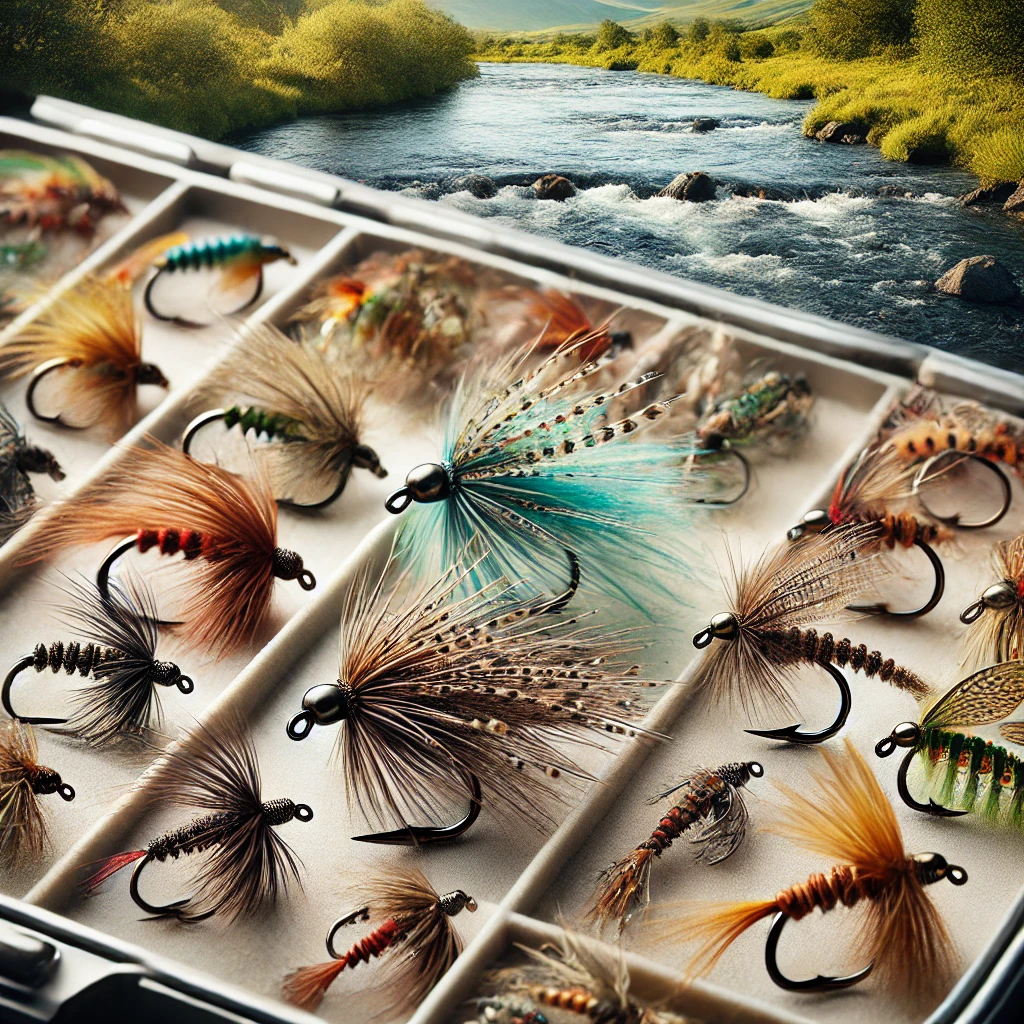
- Compartment Storage Boxes: These are fantastic for organizing smaller items like beads, hooks, and eyes. Labeling compartments can further streamline the process.
- Tool Caddies: Invest in a tool caddy to keep your essential tools like scissors, bobbins, and hackle pliers within arm’s reach.
- Thread Racks: These are great for displaying and categorizing your threads by color and size.
- Material Bins: Use clear plastic bins to store larger materials like feathers and fur. This allows you to quickly identify contents without rummaging through piles.
- Magnetic Strips: Install these on the back wall of your station to hold small metal tools and prevent clutter on your desktop.
Keeping your station clutter-free and having designated spots for every item can drastically improve your tying efficiency and keep you inspired.

Lighting and Magnification
Good lighting is a game-changer in fly tying. Poor lighting can lead to eye strain and hamper the precision required in this delicate craft. Consider these lighting tips:
- LED Lamps: LED lights are bright, energy-efficient, and emit minimal heat. They provide clear visibility without altering the colors of your materials.
- Adjustable Lamps: Choose lamps with flexible necks to direct light exactly where it’s needed.
- Natural Light: If possible, set up your station near a window to take advantage of natural daylight, which is soft and reduces eye fatigue.
- Magnification: A magnifying glass or lamp with an integrated magnifier is invaluable, especially for intricate patterns and small flies.
Combining these lighting options will ensure that you have optimal visibility and can tie flies with greater precision and less strain.
Ergonomics and Comfort
Fly tying can require long hours at your station, making ergonomics crucial for maintaining comfort and preventing strain. Here are a few tips:
- Chair Selection: Choose a comfortable chair with adequate lumbar support. Your chair height should allow your elbows to be at a 90-degree angle when tying.
- Desk Height: The surface should be height-adjustable or at a level where you do not have to bend excessively, reducing neck and back strain.
- Anti-Fatigue Mat: If you prefer standing, consider using an anti-fatigue mat to reduce stress on your lower extremities.
- Regular Breaks: Take regular breaks to stretch and rest your eyes to avoid discomfort and fatigue.
Your body will thank you for investing in a comfortable setup, allowing you to enjoy your tying sessions without physical discomfort.
Inspiration and Personal Touch
Your fly tying station is not just a place to tie flies; it’s a personal sanctuary. Adding personal touches can make it an inspirational workspace:
- Decor: Decorate your station with posters, framed feathers, or photographs of memorable catches to keep you motivated.
- Music or Podcasts: Set up a small speaker or headphones to listen to music, podcasts, or audiobooks while you tie.
- Workshops and Community: Join fly tying clubs or online forums. Engaging with the community can provide new ideas and techniques to incorporate into your practices.
Creating a space that reflects your passion and individuality can transform your tying sessions into a rewarding experience.
Conclusion
Setting up a fly tying station is more than just gathering tools and materials; it’s about creating an efficient, comfortable, and inspiring environment. With the right setup, you can enhance your tying skills, making each session an enjoyable and fruitful experience.
From investing in essential tools and organizing your materials to optimizing lighting and ensuring ergonomic comfort, every aspect of your station plays a critical role. Add your personal touch to make it a space that truly reflects your passion for fly fishing.
Please remember, your journey in fly tying is a personal one. Take the time to experiment with different setups, find what works best for you, and most importantly, enjoy the process. With this comprehensive guide, you’re now equipped to create a fly tying station that meets your needs and helps you produce effective, beautifully-crafted flies.