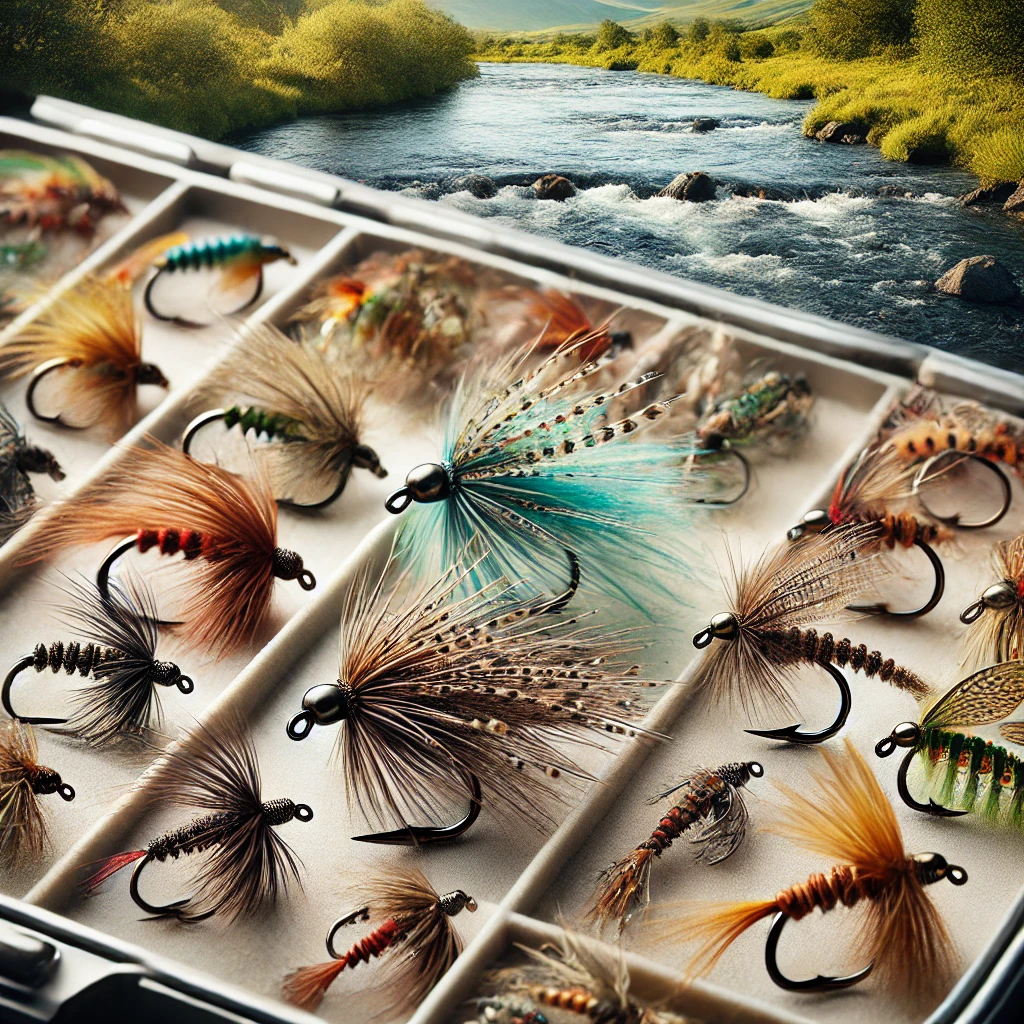
Fly fishing is an art that requires precision, patience, and passion. Whether you are a novice or an experienced fly fisherman, creating your own flies can greatly enhance your fishing experience. In saltwater fly fishing, the stakes are higher, with bigger, stronger, and more aggressive fish. As such, your fly patterns and tying techniques need to be on point. This comprehensive guide will navigate you through the nuances of fly tying for saltwater fishing, providing essential techniques and tips to help you succeed in landing those prized catches.
Introduction
Saltwater fly fishing offers a whole new world of excitement and challenges. The vast variety of saltwater species, combined with unpredictable marine conditions, demand a highly specialized approach to fly patterns and tying techniques. The effectiveness of your flies can make or break your fishing trip. Therefore, learning to create durable, realistic, and enticing flies is crucial.
Fly tying is both a science and an art. The intricate process of selecting materials, understanding fish behavior, and perfecting your tying techniques can be overwhelming. However, with the right guidance, anyone can master this skill. Saltwater fly tying requires robust materials capable of withstanding the harsh environment and the powerful fish that inhabit it. Equally important is the ability to mimic the natural prey of the targeted species, ensuring your fly is irresistible.
In this article, we will delve deeper into essential fly tying techniques for saltwater fishing, starting with the basics and moving on to advanced methods. Whether you are tying for bonefish, tarpon, or striped bass, you will find invaluable advice to enhance your fly-tying repertoire. From choosing the right hooks and materials to mastering specific tying techniques, this guide is your ultimate resource for saltwater fly tying success.
Choosing the Right Hooks and Materials
The foundation of any successful fly is the hook. In saltwater fly tying, the choice of hook is even more crucial. Saltwater fish are often larger and stronger than their freshwater counterparts, requiring hooks that are not only strong but also resistant to corrosion. Stainless steel hooks are a popular choice due to their durability and rust resistance. Additionally, the hook’s size and shape should match the prey you are imitating and the target species.
High-quality materials are essential for creating durable and effective flies. Synthetic materials like EP fibers, Enrico Puglisi fibers, and Craft Fur are favored for their versatility and longevity. These materials can be used to mimic a wide range of marine life, from shrimp and crabs to baitfish. Natural materials like bucktail and marabou are also invaluable in adding lifelike movement and texture to your flies.
When selecting materials, consider the color and texture that best replicate the natural prey of your target species. Flashy materials can attract fish in murky waters, while more subdued colors might be effective in clear conditions. Weight is another crucial factor; using lead-free wire or bead eyes can help your fly sink to the desired depth, making it more accessible to bottom-dwelling fish.
Oftentimes, saltwater environments are harsh, with waves, rocks, and coral capable of wearing down your flies. Always opt for the strongest threads and UV adhesives to ensure your flies remain intact after multiple strikes. Investing in quality materials may seem costly initially, but it pays off by producing flies that are resilient and meticulously detailed.
Essential Tying Techniques
Mastering a variety of tying techniques will allow you to create flies that are both durable and lifelike. Here are some essential techniques for crafting effective saltwater flies:
1. Whip Finish
The whip finish is a fundamental technique used to secure your thread at the end of tying. It ensures that your materials stay in place and that the fly remains durable after multiple casts and catches. Employ a whip finish tool for consistent results and practice until the motion becomes fluid.
2. Dubbing
Dubbing involves applying fur or synthetic materials to the thread, adding bulk and texture to your fly. It can mimic the natural body of various prey, such as baitfish or crustaceans. When dubbing, ensure that the materials are evenly distributed for a realistic appearance.
3. Wrapping
Wrapping materials like thread, wire, or tinsel around the hook shank can provide additional depth and color to your fly. Consistent, even wraps are critical for a professional finish. Use materials that complement the natural colors of the species you are imitating.
4. Feather Hackling
Applying feathers to simulate the movement of fins or wings is an advanced technique but highly effective in adding realism to your flies. Select feathers that exhibit the desired length, flexibility, and color. Secure the feather by its base and carefully wrap it around the hook, ensuring an evenly distributed appearance.
These techniques form the backbone of effective fly tying. As you gain confidence and experience, you can experiment with combining various materials and methods to create your signature patterns. Don’t hesitate to adapt and refine your techniques based on your observations and fishing successes.

Specific Patterns for Saltwater Species
Understanding which fly patterns are effective for particular saltwater species can significantly enhance your catches. Here are some tried-and-tested patterns and the corresponding target species:
1. Clouser Minnow
The Clouser Minnow is a versatile and widely used fly for saltwater species. Originally designed for smallmouth bass, it has proven highly effective for striped bass, redfish, and snook. Its weighted eyes allow it to sink quickly, making it ideal for bottom-dwelling fish. Use natural colors like olive, white, or chartreuse to mimic minnows and other small baitfish.
2. Lefty’s Deceiver
One of the most renowned saltwater fly patterns, Lefty’s Deceiver, is effective for catching a wide range of species, including tarpon, bonefish, and bluefish. Its lifelike profile and movement make it an excellent baitfish imitator. Select colors based on the prevalent baitfish in your fishing area; blue and white or green and white are popular choices.
3. Crab and Shrimp Patterns
For species like permit and bonefish, crab and shrimp patterns are indispensable. These prey are a significant part of their diet, and replicating them accurately can yield impressive results. Use materials like Craft Fur and EP Fibers to create realistic representations, paying close attention to the natural colors and features of crabs and shrimps.
4. Tarpon Toad
The Tarpon Toad is specifically designed for targeting tarpon, known for their powerful strikes and acrobatic battles. Its bulky profile and lively movement in the water make it highly enticing. Experiment with colors like chartreuse, yellow, and black, which are known to attract tarpon effectively.
These patterns provide a solid foundation for targeting various saltwater species. As you gain experience, feel free to modify and innovate your patterns to suit specific fishing conditions and personal preferences.
Advanced Techniques and Tips
Once you’ve mastered the basic techniques, it’s time to explore advanced methods that will take your fly tying skills to the next level. Here are some tips to enhance your flies’ effectiveness and durability:
1. Zonker Strips
Zonker strips are rabbit fur pieces that add incredible movement and lifelike appeal to your flies. They are particularly effective for creating baitfish and eel patterns. Secure the zonker strip firmly to ensure it stays in place during casting and retrieval.
2. Epoxy and UV Resin
Using epoxy or UV resin can significantly increase the durability of your flies. These materials create a hard, protective coating that withstands the harsh conditions of saltwater fishing. Apply resin to the head or body of your fly, curing it with UV light for an instantly hardened finish.
3. Articulated Flies
Articulated flies consist of two or more hook shanks tied together to create a long, flexible fly with enhanced movement. These flies are effective for mimicking large prey like eels or squid. Use articulated joints to add lifelike action to your patterns, captivating aggressive fish.
4. Weed Guards
Weed guards are essential for fishing in areas with heavy vegetation or structure. They prevent your fly from snagging on weeds or debris, allowing for smooth casts and retrieves. Craft weed guards using monofilament or wire, attaching them carefully to avoid interfering with the hook’s effectiveness.
Implementing advanced techniques requires practice and patience. Don’t be afraid to experiment and refine your methods. Over time, you will develop your unique style, producing flies that not only withstand the rigors of saltwater fishing but also outperform commercially available patterns.
Conclusion
Fly tying for saltwater fishing combines creativity, skill, and knowledge. Crafting effective flies requires understanding the behavior and preferences of your target species, selecting the right materials, and mastering a variety of tying techniques. By investing time in honing these skills, you can significantly enhance your fishing success and enjoy the satisfaction of catching fish with flies you’ve created.
Remember that practice is critical. Start with basic patterns and gradually incorporate advanced techniques as you gain confidence. Observe the natural prey in your fishing environment, adapt your patterns accordingly, and constantly seek to improve your methods. The art of fly tying is deeply rewarding, offering endless opportunities for growth and innovation.
Whether you’re targeting bonefish in tropical flats or hunting striped bass along rocky shorelines, well-crafted flies can make all the difference. Equip yourself with the knowledge and skills presented in this guide, and embark on your journey to becoming a proficient saltwater fly tyer. Tight lines and happy tying!