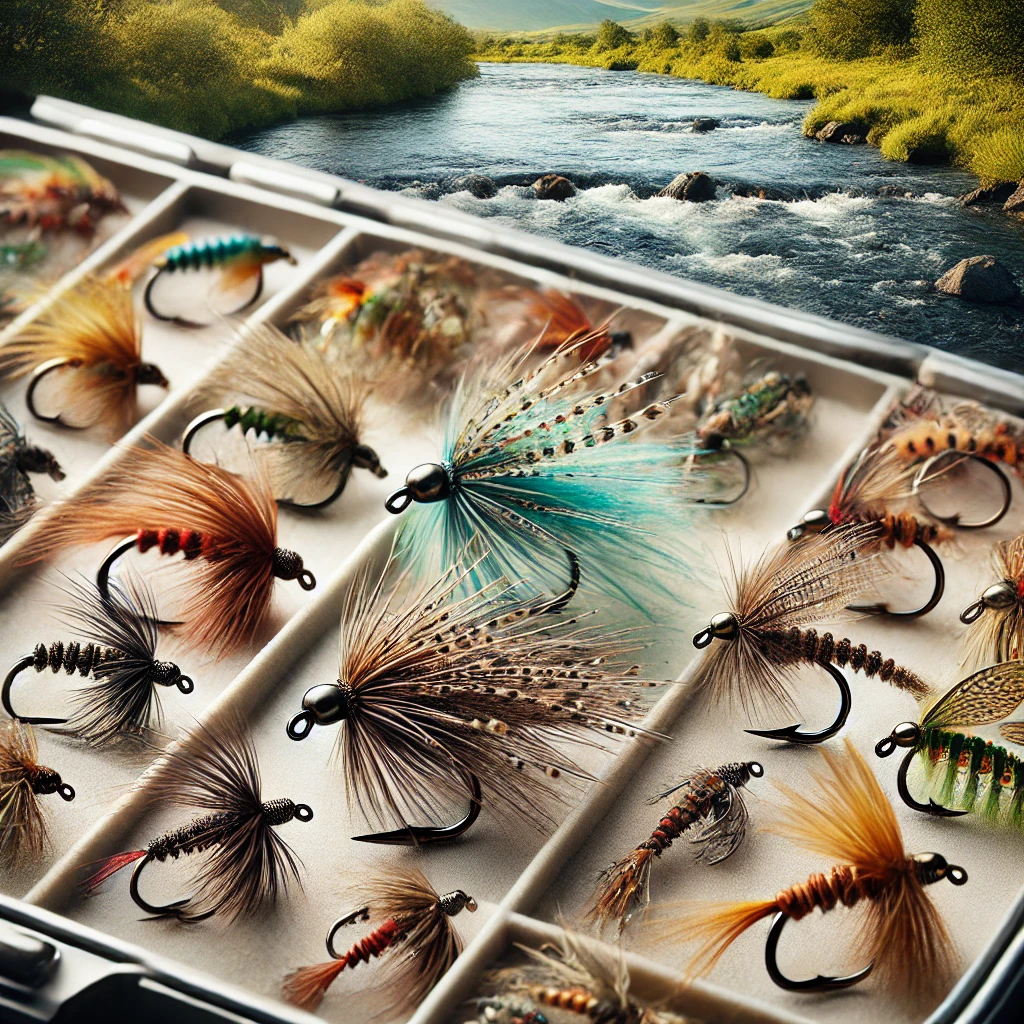
For centuries, fly fishing has been deeply intertwined with nature, utilizing the earth’s resources in an artful dance to capture fish. The use of natural materials such as hair, fur, and feathers has proven indispensable in crafting effective and lifelike fly patterns. These materials can mean the difference between a successful and frustrating day on the waters. Understanding these materials lets anglers mimic the natural prey of fish more accurately, ensuring better results. Whether you’re a seasoned angler or a novice, familiarizing yourself with these natural materials is crucial for a holistic and effective fly fishing experience.
Natural materials differ significantly from synthetic alternatives. They provide a touch of authenticity, mimicking real insect movements and reflections under certain lighting conditions. This article delves into how these materials are harvested, used, and their respective benefits and drawbacks. By understanding the unique qualities of hair, fur, and feathers, you can enhance your fly fishing technique, ensuring your flies are more appealing to fish and environmentally considerate.
Hair in Fly Tying
Hair has long been a staple in the art of fly tying. It offers unique properties, making it suitable for various types of flies. The texture and buoyancy of animal hair make it ideal for floatation and mimicry of certain aquatic insects. Deer hair, for example, is hollow, allowing it to float naturally on the water surface, making it perfect for dry flies.
One of the best-known applications of deer hair is in the crafting of the Muddler Minnow, a fly that has captivated anglers with its versatility and effectiveness. Its design, initially intended to mimic sculpins, has proven successful across various species, from trout to bass. The dense nature of deer hair, when trimmed appropriately, becomes streamlined, ensuring it cuts through the water without unnecessary drag.
Aside from deer hair, elk hair and moose hair are also popular choices because of their buoyancy and durability. These materials allow the flies to be cast repeatedly without losing their form or effectiveness. By selecting the right type of hair, anglers can effectively mimic insects and small creatures, making their flies irresistible to hungry fish.
Fur: Versatility and Natural Appeal
Fur offers versatility like no other material, with each type possessing unique properties that can be used for various fly patterns. Rabbit fur, for instance, is highly sought after for its softness and natural movement in the water, making it indispensable for crafting nymphs and streamers.
The Zonker fly is a prime example of using rabbit fur to craft lifelike, breathable patterns. Its appearance and movement underwater mimic small fish swimming, drawing the attention of predatory species like trout and bass. The natural fibers in fur create turbulence underwater, making the fly look alive, which is crucial for eliciting strikes from wary fish.
For more specialized patterns, muskrat and mink fur tie with subtlety and intrigue. These furs absorb water efficiently and portray an authentic, translucent effect. Their adaptability allows anglers to mimic a range of insect larvae and smaller baitfish, making them perfect for fishing in streams and lakes with diverse aquatic life.
Feathers and Their Elegance in Fly Tying
Feathers hold a special place in fly tying, offering elegance and delicate movement that other materials simply cannot replicate. The range of sizes, colors, and textures available in feathers makes them indispensable in tying various fly patterns. Hackles from roosters and hens are often used to craft dry flies due to their buoyancy and ability to mimic the legs of aquatic insects.
The Adams fly, one of the most popular dry flies, utilizes both grizzly and brown hackle feathers. These feathers offer superb floatation and attractive motion when cast, imitating the fluttering action of mayflies. This pattern’s success is a testament to the effectiveness of feathers in fly fishing.
On the other hand, soft hackle flies make use of softer, limper feathers from game birds like partridge. These feathers lie and move naturally underwater, replicating the behavior of emerging insects, thereby appealing to fish like trout or salmon. These materials’ adaptability allows the angler to create flies that remain lifelike in various fishing conditions.
Comparative Characteristics of Hair, Fur, and Feathers
Understanding the different characteristics of hair, fur, and feathers can significantly enhance one’s fly tying experience. Let’s compare these natural materials in a structured manner:
| Material | Key Features | Common Uses |
|---|---|---|
| Hair | Buoyant, Hollow, Durable | Dry Flies, Streamlined Patterns |
| Fur | Soft, Versatile, Natural Movement | Nymphs, Streamers |
| Feathers | Elegant, Varied Textures, Light | Dry Flies, Wet Flies |
This table provides a clear overview of how each material can be utilized effectively. By matching the right materials to your fly patterns, you create more realistic lures that mimic the genuine appearance and movements of aquatic creatures, increasing your chances of a successful fly fishing trip. Selecting the proper material will depend on the specific environment and target species, but armed with this knowledge, you can make informed decisions in selecting the best materials for your needs.
Sustainability and Environmental Considerations
When using natural materials, sustainability is a critical factor. It’s essential to source materials responsibly to avoid contributing to overharvesting or ecological disruption. Many fly-tying enthusiasts advocate using the byproducts of animal culling or ethically raised animals, which ensures the least harm to the wildlife population.
This approach not only lessens the environmental impact but also supports the tradition of fly fishing, which champions conservation and respect for nature. Engaging with suppliers that provide sustainably-sourced materials can make a significant impact. By doing so, you contribute positively to preserving natural habitats and maintaining the balance necessary for healthy fish populations.
Preservation and Maintenance of Natural Materials
Proper storage and care of natural materials are vital to ensure their longevity. Hair, fur, and feathers are susceptible to deterioration when exposed to excessive light, moisture, or changes in temperature. It’s crucial to store them in a cool, dry place away from direct sunlight, preferably in airtight containers to protect them from pests.
Treating materials with natural oils can also help maintain their luster and flexibility. Regularly inspecting your inventory ensures you catch any potential mold or pest issues before they cause widespread damage. Maintaining these materials not only preserves their quality but also ensures that your fly patterns remain effective over time.
Summary and Call to Action
The use of hair, fur, and feathers in fly fishing presents countless possibilities for anglers seeking to create authentic and effective fly patterns. These materials afford natural movements and appearances that synthetic alternatives struggle to replicate, allowing anglers to forge a deeper connection with their natural surroundings. By understanding the unique properties of each material and how they apply across different fly patterns, enthusiasts can significantly enhance their efficacy on the water.
Furthermore, prioritizing sustainable sourcing and proper maintenance ensures that your fly tying endeavors remain ethical and environmentally attuned. As you continue your fly fishing journey, remember the importance of these natural materials, and consider how using them can elevate both your craft and your conservation efforts. Dive into the rich history and utility these materials offer, and challenge yourself to explore new patterns that captivate both fish and fellow anglers alike.
Your next step is to experiment: gather a selection of hair, fur, and feathers, and begin tying a few patterns featured here, such as the Muddler Minnow, Zonker, or Adams fly. Explore local shops that emphasize eco-friendly practices and seek out courses or communities to enhance your skills. These resources will not only sharpen your technique but also foster a broader appreciation for the sustainable practices that will preserve fly fishing for future generations.
Frequently Asked Questions
1. Why are natural materials like hair, fur, and feathers essential in fly fishing?
Natural materials like hair, fur, and feathers play a critical role in fly fishing because they lend authenticity to the fly patterns that anglers craft to mimic the natural prey of fish. Unlike synthetic materials, which can sometimes look too perfect or artificial, natural materials have innate textures, colors, and movements that replicate what fish naturally hunt. When fish see a fly fashioned from, say, a soft, translucent feather or a piece of silky fur, they’ve more likely to bite, believing it to be a lifelike insect or small animal. Using these natural elements not only enhances the appearance of the fly but also its movement in the water, which is often the key to successful fishing. Furthermore, by understanding how to select and apply these materials effectively, anglers can better match the hatch, meaning they adapt their patterns to reflect the local aquatic life more faithfully, thus optimizing their chances of a catch.
2. How does the choice of material affect the performance of a fly in the water?
The choice of material profoundly impacts how a fly behaves and appears in the water, directly influencing its effectiveness. Natural materials such as feathers and fur have unique properties like buoyancy, translucency, and texture, which translate into naturalistic movement and appearance. For example, feathers can create a realistic, fluttering effect that resembles the wings of emerging insects. They trap air to keep the fly buoyant, mimicking the lightness of a real insect. Hair, particularly from animals like deer or elk, is hollow, aiding in flotation, which is perfect for dry fly patterns that need to float on the water surface. On the other hand, the subtle iridescence and variety of fur can simulate the smooth undulations of an insect’s body or the smoothness of a fish’s scales underwater. The lifelike movement these materials provide increases the fly’s chances of tempting a fish to bite, as the fish are convinced they’re seeing a real meal. Anglers must understand these nuances to choose the right materials for the type of fly and target fish species.
3. What are some common sources of natural materials used in fly tying?
Natural materials for fly tying often come from a variety of sources, primarily from animals and birds. Feather suppliers frequently use birds like roosters for hackles, which are used in dry flies because of their structural integrity and ability to float. Pheasant tail feathers are popular for their pattern and color, which closely match those of various aquatic insects. When it comes to fur, rabbit and mink fur are favored for their suppleness and ability to create buggy, lifelike bodies on nymphs. Tail hair from deer and elk is another common choice, as its buoyancy makes it ideal for creating rugged bodies on flies that need to stay afloat. Additionally, angora and seal fur can be used for dubbing to add a bit of shine and translucency to a fly, helping it catch light like the wings of a real insect. Collecting these materials sustainably and ethically is crucial, ensuring that the balance of nature is preserved even as we engage in this time-honored tradition.
4. How can fly anglers make the best use of these natural materials?
To make the best use of natural materials in fly tying, anglers should focus on understanding the specific qualities and potential of each material type. Recognizing how hair, fur, and feathers behave in water allows anglers to select and tie flies that are not only visually realistic but also perform appropriately for the intended environment and target species. For instance, anglers can choose lighter feathers for delicate, floating dry flies or opt for heavier, absorbent fur to create weighted nymphs that sink. Practice in tying flies is essential, as it provides insights into how materials can be manipulated to achieve desired effects in terms of buoyancy, movement, and color blending. Also, a keen awareness of local aquatic life helps anglers match their flies to mimic the local insect population more effectively, which often results in more strikes. Experimentation with the combination and layering of materials can also bring about unique patterns that are particularly effective, offering a competitive edge to any angler willing to invest the time to learn.
5. Are there any considerations or ethical concerns when using natural materials in fly tying?
Yes, there are ethical considerations that should guide the use of natural materials in fly tying. The first and foremost is ensuring that these materials are sourced sustainably and humanely. This might mean purchasing from reputable suppliers who adhere to regulations regarding wildlife conservation and the humane treatment of animals. Overharvesting can disrupt ecosystems, so it’s vital to be aware of and follow local regulations concerning wildlife and the collection of biological materials. In addition, ethical fly fishing emphasizes catch and release; thus, the use of natural materials should complement an overall approach that minimizes harm to fish and supports ecological balance. Using low-impact techniques and materials whenever possible ensures that fly fishing remains a sustainable and responsible practice. Finally, it’s beneficial for anglers to educate themselves and others about the importance of preserving natural habitats, participating in conservation efforts, and being stewards of the environments in which they fish. The more informed the community is about these issues, the more sustainable this beloved pastime can become.