Fly fishing for bass is a thrilling adventure, offering both excitement and challenge to fishing enthusiasts. The key to successful bass fly fishing lies in the selection and tying of appropriate fly patterns, as these are the lures that will entice bass to strike. Bass are known for their aggressive behavior and strong fight, so having the right fly patterns and tying techniques can make all the difference in your fishing experience.
Introduction
Fly tying is an art that allows anglers to create lures that mimic the natural prey of fish. It’s an essential skill for any serious bass angler, as it provides the flexibility to adapt to various fishing conditions and bass behaviors. In this comprehensive guide, we will delve into the essential fly patterns for bass, explore various tying techniques, and offer insights on how to use these flies effectively. Whether you are a novice or an experienced fly tyer, this article will provide valuable information to enhance your bass fishing outings.
First and foremost, it’s crucial to understand the types of prey that bass typically hunt. Bass are opportunistic feeders, and their diet can include insects, crayfish, small baitfish, and even frogs. This diverse diet means that fly patterns simulating these prey items can be particularly effective. By mastering a few key fly patterns, you can increase your chances of success on the water. Common bass fly patterns include poppers, streamers, crawfish imitations, and various topwater flies.
Investing time in learning and perfecting fly tying techniques can lead to a more personalized and rewarding fishing experience. Not only does it allow you to tailor flies to your specific needs, but it also adds a sense of accomplishment and creativity to your angling pursuits. In this article, we will break down some of the most effective fly patterns for bass, along with step-by-step instructions on how to tie them.
Poppers: The Topwater Delight
Poppers are among the most exciting fly patterns to fish with, particularly for bass. These flies are designed to float on the surface of the water and create a commotion that attracts bass. When a bass strikes at a popper, the sight and sound of the explosive attack can be heart-pounding. To tie an effective popper, you will need some basic materials, including foam or cork for the body, rubber legs, and a strong sharp hook.
Start by securing the hook in the vise and wrapping the shank with thread to create a base. Cut a piece of foam or cork into the desired shape for the popper’s body and securely attach it to the hook. Add some rubber legs on both sides to simulate the movements of an insect or small creature. Finally, use a permanent marker to add some color and realism to the body. Poppers can vary in size and color, allowing you to match the prevalent conditions on the water.
One of the best techniques for fishing with poppers is to use a “pop-and-pause” retrieve. Cast the popper near cover or structure where bass are likely to be hiding. After the initial splashdown, allow the popper to sit motionless for a few seconds. Then, give a sharp strip on the line to create a popping sound and cause the fly to move. Pause again and repeat. This erratic movement mimics the behavior of distressed prey and can trigger aggressive strikes from bass.
Streamers: The Versatile Subsurface Option
Streamers are another essential fly pattern for bass fishing. These flies are designed to imitate baitfish, leeches, or other underwater creatures and are typically fished below the surface. Streamers can be particularly effective when bass are feeding aggressively or when the water is too rough for topwater flies. To tie a streamer, you will need materials such as hackle feathers, synthetic fibers, weighted eyes, and a durable hook.
Begin by securing the hook in the vise and wrapping the shank with thread. Attach weighted eyes near the front of the hook to help the streamer sink and achieve the desired depth. Next, tie in the tail using hackle feathers or synthetic fibers to create a lifelike appearance. Add a body made of chenille or other synthetic materials, and finish the fly with a durable head wrap. Streamers can be tied in various colors and sizes to match the local forage fish.
When fishing with streamers, an effective technique is the “strip-and-pause” retrieve. Cast the streamer and allow it to sink to the desired depth. Retrieve the fly by stripping the line in quick, short bursts, followed by a pause. This action mimics the erratic movements of a fleeing baitfish and can provoke bass to strike. Streamers can be fished in various depths, making them versatile and effective in different water conditions and times of the year.

Crawfish Imitations: Bottom-Dwelling Bait
Crawfish are a staple in the diet of many bass. These bottom-dwelling creatures can be effectively imitated with fly patterns designed to look like a real crawfish. Crawfish imitations can be particularly effective when fishing near rocky or weedy bottoms where these creatures are commonly found. For tying a crawfish pattern, you will need materials such as chenille, rubber legs, squirrel tail, and a sturdy hook.
To tie a crawfish imitation, start by securing the hook in the vise and wrapping the shank with thread. Attach a piece of squirrel tail at the end of the hook to create the tail and body. Add rubber legs on both sides to simulate the crawfish’s legs and claws. Use chenille to create a segmented body, and finish with a realistic head and eyes. The key to an effective crawfish imitation is to make it look natural and lifelike in the water.
When fishing with crawfish imitations, a slow, steady retrieve is often the most effective technique. Cast the fly near rocky or weedy areas and allow it to sink to the bottom. Slowly retrieve the fly with short, gentle strips to mimic the movements of a real crawfish. Keep the fly close to the bottom and be prepared for a subtle strike, as bass often pick up crawfish gently before taking off with them.
Topwater Flies: Excitement on the Surface
Topwater flies offer some of the most exhilarating experiences in bass fishing. These flies are designed to float on the surface and attract bass with their lifelike appearance and action. Topwater flies can imitate various types of prey, including frogs, mice, and large insects. Tying an effective topwater fly requires materials such as deer hair, foam, rubber legs, and a sharp, strong hook.
To tie a topwater fly, begin by securing the hook in the vise and wrapping the shank with thread. Form the body of the fly using materials such as deer hair or foam to create a buoyant, floating structure. Attach rubber legs and other appendages to add realism and motion to the fly. Color the fly with markers or paint to match the appearance of the prey you are imitating.
Fishing with topwater flies requires a different approach compared to subsurface flies. An effective technique is to cast the fly near cover or structure and let it sit motionless for a few seconds. Then, give a gentle twitch or strip to create subtle movements and ripples on the water surface. Repeat this twitch-and-pause retrieve, as it can mimic the natural behavior of frogs or insects and entice bass to strike.
Maintenance and Storage of Tied Flies
Proper maintenance and storage of your tied flies can significantly extend their lifespan and ensure they are always ready for action. After each fishing trip, take the time to inspect your flies for damage or wear. Replace any missing or damaged components, such as feathers, legs, or body materials. Cleaning your flies by removing dirt and debris will also help maintain their effectiveness.
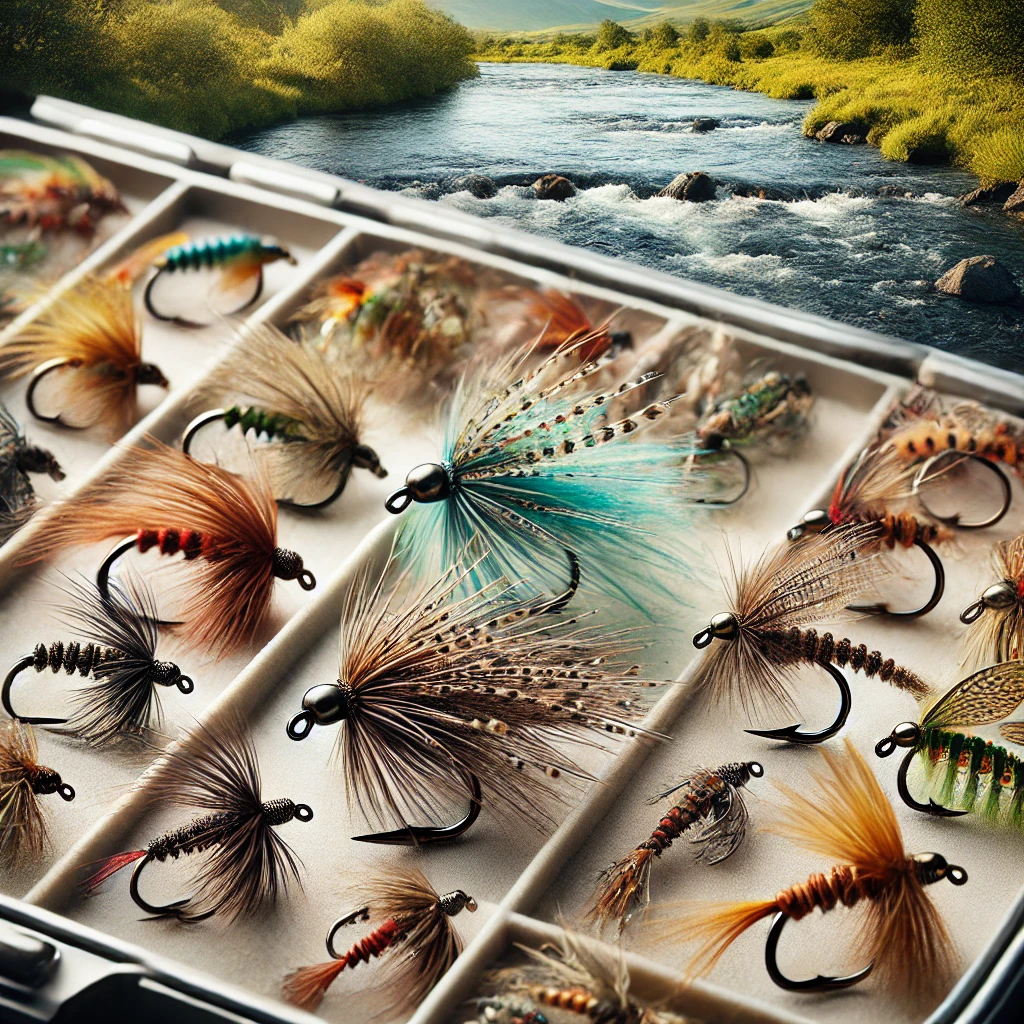
Store your flies in a fly box with individual compartments to prevent them from getting crushed or tangled. Keep the fly box in a cool, dry place to avoid any moisture damage. If you have a large collection of flies, consider organizing them by type and size for easy access during your fishing trips. A well-maintained and organized fly collection will save you time and ensure you have the right fly for any fishing situation.
Conclusion
Tying flies for bass is a rewarding endeavor that can enhance your overall fishing experience. By mastering key fly patterns such as poppers, streamers, crawfish imitations, and topwater flies, you can increase your success on the water. Understanding the behavior and diet of bass, along with using the appropriate tying techniques, can make all the difference in attracting and landing these powerful fish.
The art of fly tying allows for creativity and personalization in your fishing lures. Whether you are crafting a lifelike crawfish or an enticing popper, the effort you put into tying your flies will pay off in the form of exhilarating bass strikes and memorable fishing adventures. Remember to practice and refine your tying skills, as well as maintain and organize your fly collection for the best results.
Ultimately, fly fishing for bass is not just about catching fish; it’s about the entire experience of being in nature, honing your skills, and appreciating the intricate dance between predator and prey. With the right fly patterns and techniques, you can enjoy countless hours of excitement and satisfaction on the water.