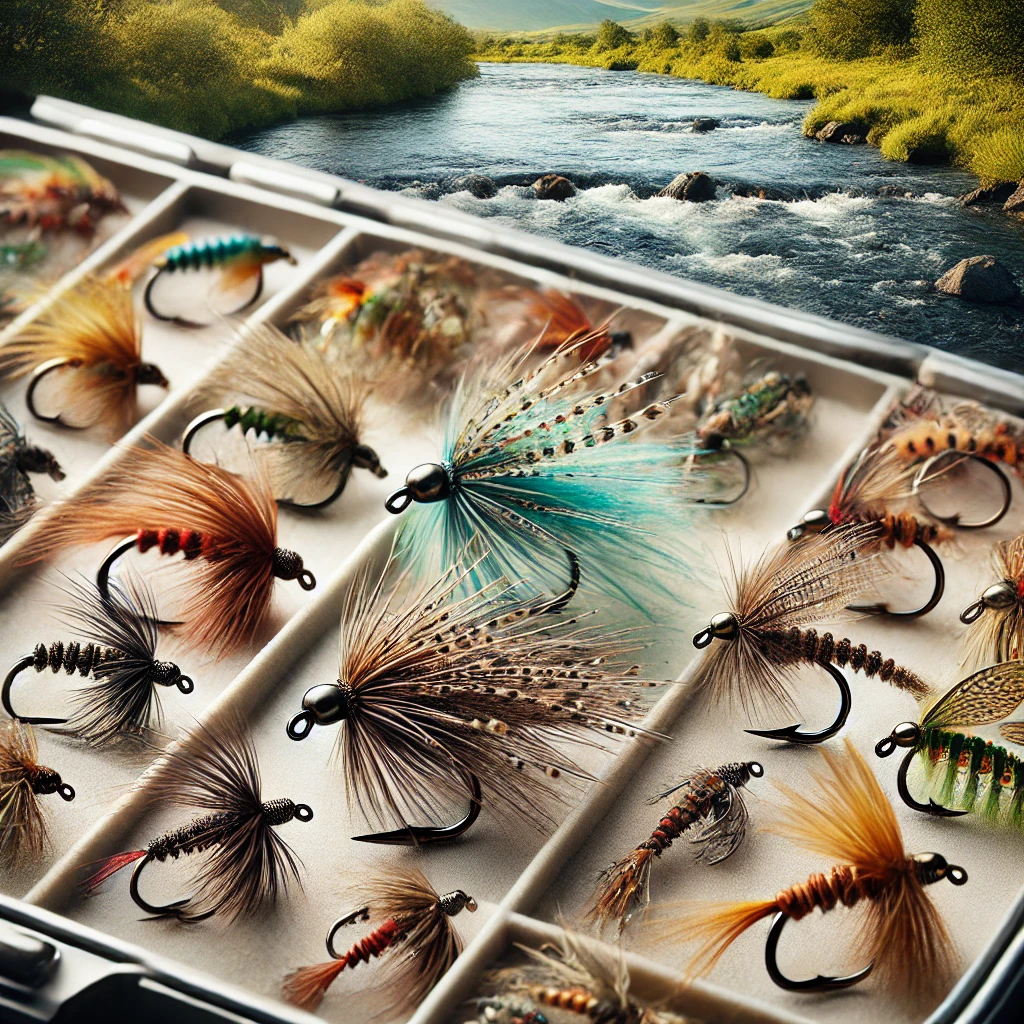
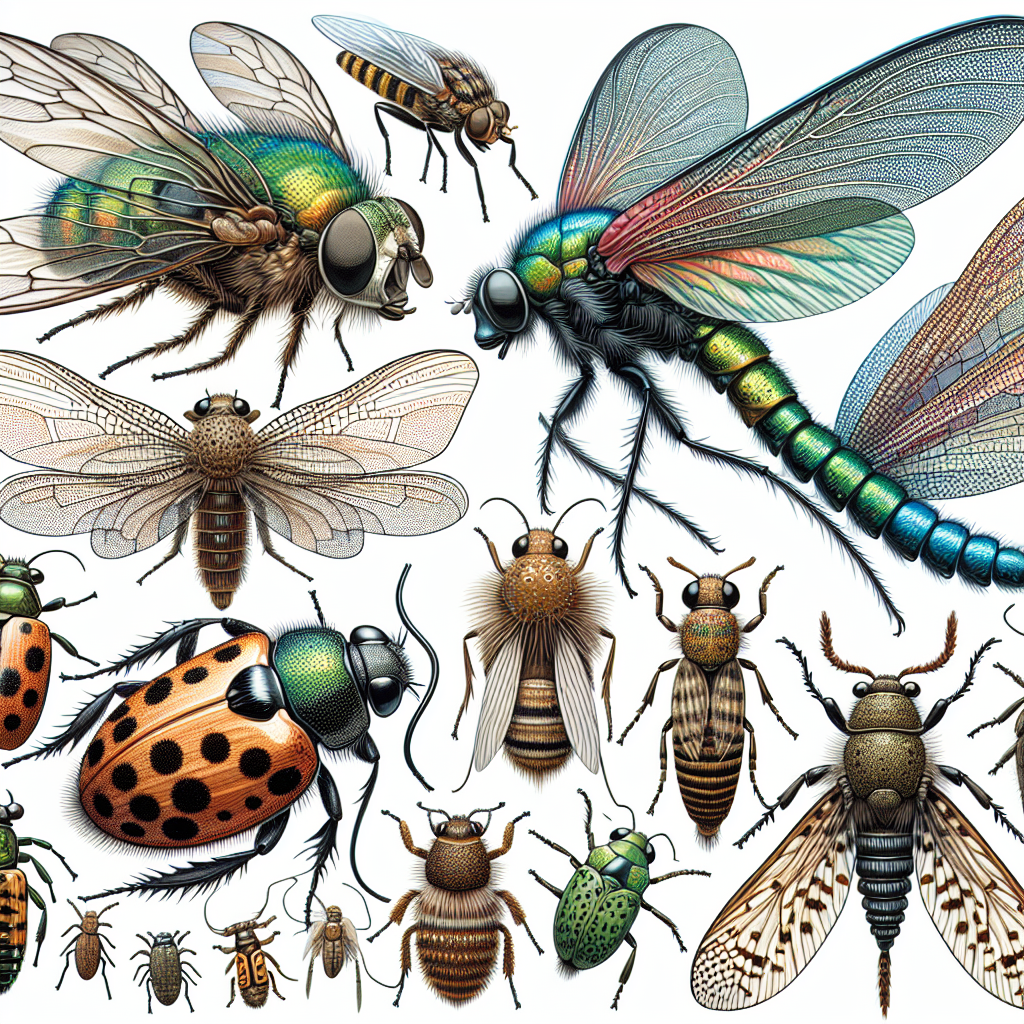
Fly tying is an intricate craft that allows anglers to tailor their fly patterns to match the specific insects found in their local waters. One fly pattern that can dramatically increase your chances of success on the water is the emerger. Emergers are designed to mimic insects that are in the transitional stage between nymph and adult, a phase where they are particularly vulnerable and attractive to fish. In this article, we will delve into the key techniques for tying emergers, exploring materials, patterns, and steps to create effective, fish-catching flies.
Introduction: Understanding Emergers
With fish often zeroing in on emergers, it’s crucial to understand what they are and why they are so effective. An emerger represents an insect during a critical stage in its lifecycle as it surfaces and transitions from an aquatic nymph to an adult. This makes emergers look like easy prey to fish, as they often struggle at or just below the water’s surface. By tying emerger patterns, you can effectively trick fish into biting.
When tying emergers, the key is to strike a balance between buoyancy and submersion. This helps to realistically mimic the natural behavior and appearance of an emerging insect. The materials used, as well as the way they are tied, play a crucial role in achieving this delicate balance. The following sections will guide you through selecting the right materials, understanding essential fly tying techniques, and mastering a few tried-and-true emerger patterns.
Choosing the Right Materials
When it comes to tying effective emergers, the materials you choose are paramount. Here are some of the essential materials you’ll need:
- Hooks: Curved-shank hooks are often preferred for emergers as they mimic the natural shape of an emerging insect.
- Thread: A thin, strong thread, typically in neutral or insect-matching colors, is best.
- Body Materials: Different materials can be used for the body, including dubbing, quills, and biots. Dubbing works well for a more textured and lifelike appearance.
- Wings and Wing Cases: CDC (Cul de Canard) feathers, deer hair, or even synthetic materials can be used to fashion wings and wing cases that will help your fly sit correctly in the water.
- Hackle: Soft hackle helps give the fly a lifelike movement in the water.
Every component plays a crucial role in the effectiveness of the emerger, so it’s worth investing in good quality materials and getting to know how each of them behaves both in and out of water.
Essential Fly Tying Techniques
Mastering the art of tying emergers involves more than just having the right materials; you also need to know how to use them effectively. Here are some key techniques to consider:
- Proportions: Keep in mind the proportions of the insect you are imitating. This includes the size and shape of the body, the length of the wings, and the overall silhouette.
- Thread Control: Employ smooth, even wraps. Tight wraps are crucial to secure the materials but avoid making them too bulky.
- Dubbing: Only use small amounts of dubbing at a time. Build up the body gradually to create a tapered effect that mimics natural insects.
- Wing Positioning: Position the wings to ensure a part of the fly remains visible above the water. This makes the fly look like it’s struggling to break through the surface film.
- Hackling: When adding hackle, keep it sparse to allow for a more natural appearance and better movement in the water.
Practice is essential when it comes to honing your fly-tying techniques. Being meticulous and patient will lead to better, more lifelike emergers.

Classic Emerger Patterns
Now that you have the materials and the techniques down, let’s look at some popular emergers that every fly angler should have in their box:
1. The Klinkhamer
Invented by Hans van Klinken, the Klinkhamer is one of the most effective emergers for trout fishing. It features a curved hook to mimic the natural posture of an emerging insect, and a high-vis wing post for easy spotting.
2. The RS2
The RS2 (Rim’s Semblance 2) is simple yet highly effective. It primarily imitates mayfly emergers, featuring a slender body, biot tail, and a small wing.
3. CDC Comparadun
The CDC Comparadun uses CDC feathers for buoyancy and a realistic appearance, perfect for slower waters where trout have time to scrutinize their prey.
4. The Shuttlecock Emerger
With a CDC wing that sits upright and angled, the Shuttlecock Emerger is excellent for replicating insects caught in the surface film. Its design ensures that part of the fly is submerged while the wing remains visible.
Mastering these patterns will give you a versatile selection of emergers to use in various fishing conditions.
Advanced Tips for Tying Emergers
Once you have a good grasp of the basics, it’s time to refine your skills with advanced techniques. Here are some tips to take your emerger-tying to the next level:
- Blend Your Dubbin: Mixing different colors and textures of dubbing can add a more natural, lifelike quality to your flies.
- Use UV Resin: UV resin can be used to add a subtle shimmer and strengthen delicate parts of the fly, like the wing cases and heads.
- Dropper Rigs: When fishing with emergers, consider using a dropper rig with a dry fly to increase your chances of a catch. The dry fly acts as an indicator and an additional attractor.
- Selective Hook Selection: Experiment with different hook styles and sizes to better match the specific insects emerging in your fishing waters.
- Observe and Adapt: Spend time observing the insects in the local waters and adjust your patterns to closely match them. Being observant can provide insights that can make your flies more effective.
These techniques can help you create more realistic and effective emerger patterns that will entice even the most discerning fish.
Field Testing and Adjustments
Finally, no fly pattern is complete until it’s been tested in the field. Here are some strategies for testing and adjusting your emergers:
- On-Water Testing: Take your emergers to different water bodies and observe how they perform. Note how fish respond to different materials and techniques.
- Log Your Results: Keep a journal of your fishing trips, noting which patterns were successful and in which conditions. This can help you refine your tying techniques and improve specific patterns.
- Solicit Feedback: Share your flies with fellow anglers and ask for feedback. Other perspectives can provide valuable insights and suggestions for improvement.
- Adjust as Needed: Based on your observations and feedback, make adjustments to your patterns. Change materials, tweak proportions, or try new techniques until you find what works best.
Consistent testing and adjustment will help you fine-tune your emerger patterns, leading to more successful fishing expeditions.
Conclusion: Mastering the Art of Tying Emergers
Emergers represent a critical stage in the lifecycle of aquatic insects, and mastering the art of tying these patterns can significantly improve your success as an angler. By understanding the importance of materials, practicing essential and advanced tying techniques, and continually testing and refining your patterns, you can create emergers that effectively mimic the insects fish are targeting.
Whether you’re tying a classic Klinkhamer or experimenting with new materials and techniques, the key is to be patient, meticulous, and observant. Every fly you tie is a learning experience, bringing you one step closer to mastering this rewarding craft. So grab your vice, select your materials, and start tying emergers that will make your next fishing trip unforgettable.