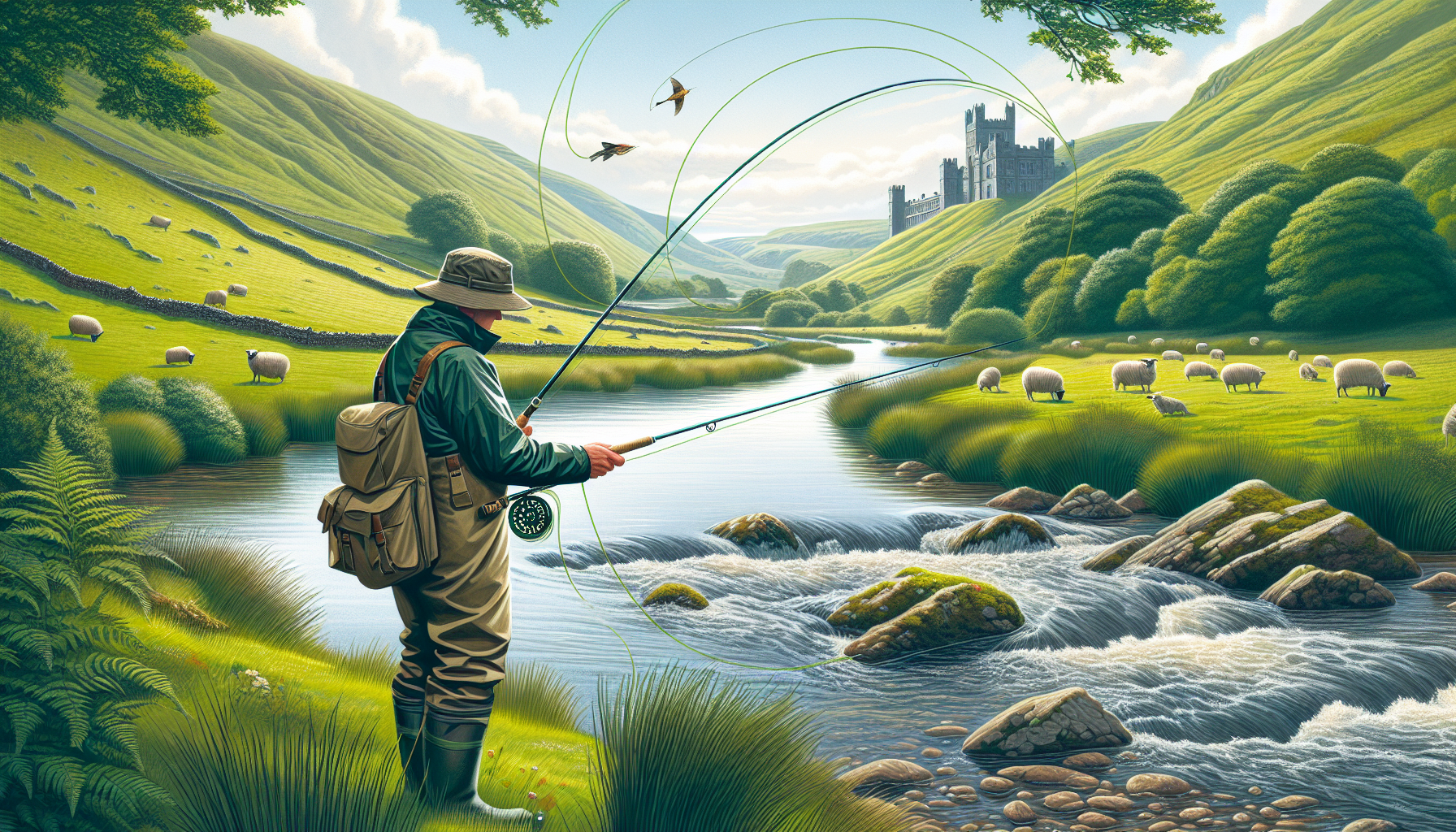
Fly fishing in Wales combines compact geography, exceptional water diversity, and a long angling tradition that makes the country one of Europe’s most rewarding destinations for trout, grayling, salmon, and sea trout. In practical terms, Wales offers freestone rivers, spring-fed stretches, mountain lakes, large natural lakes, and migratory fish systems within a few hours of each other, which is rare even by wider European standards. For anglers planning a broader Fly Fishing Destinations journey across Europe, Wales works as both a standalone trip and a gateway to understanding how British upland fisheries differ from chalkstreams in southern England, salmon rivers in Scotland, or alpine waters on the continent. I have fished Welsh waters in changing wind, peat-stained flows, and sudden summer spates, and the same lesson returns every season: success in Wales depends less on glamorous gear and more on reading water, matching local hatches, and adapting to weather quickly.
Defined simply, fly fishing in Wales means pursuing fish with an artificial fly cast on a fly line, but that basic definition misses the local nuance. Welsh anglers often divide waters by target species and method: wild brown trout on rivers and llyns, stocked rainbow trout on reservoirs, grayling on select rivers, and migratory salmon or sea trout on larger catchments such as the Tywi, Teifi, Dee, and Wye. Techniques vary accordingly, from upstream dry-fly presentations on intimate streams to loch-style boat fishing on lakes and reservoirs, and from lightweight nymphing for summer trout to tube-fly or hairwing approaches for migratory fish. This variety matters for visitors because tackle choice, access planning, and season timing are inseparable from the specific water type. A 9-foot 4-weight that shines on a meadow stream may be underpowered on a windy lake, while a salmon outfit is unnecessary on most upland trout burns.
Wales matters within Europe because it delivers a dense concentration of fishable water under a regulatory and access culture that is comparatively transparent once you understand permits, beats, and local club waters. It also reflects broader European fly fishing themes: conservation of wild stocks, balancing stocked and wild fisheries, the use of catch-and-release on sensitive rivers, and the increasing importance of insect awareness, water temperature, and ethical handling. Searchers often ask whether Wales is good for beginners, whether it is worth visiting over Scotland or Ireland, and what species are realistic to target. The direct answer is yes, especially for anglers who value variety over sheer scale; yes, because Wales offers excellent dry-fly trout fishing, genuine migratory fish potential, and memorable scenery; and trout are the most accessible target, while salmon and sea trout are more specialized and conditions dependent. As a Europe hub page, this article maps the iconic Welsh locations and the core techniques that consistently produce fish.
Why Wales stands out in Europe’s fly fishing map
Wales stands out because it compresses multiple classic fly fishing environments into a relatively small area. In North Wales, Snowdonia and surrounding uplands supply cold, oxygen-rich streams and wild mountain lakes where brown trout are beautifully marked, often small, and highly responsive to weather and insect life. Mid Wales expands into broad river systems and reservoir fisheries, while South and West Wales bring famous sea trout and salmon catchments influenced by Atlantic rainfall patterns. Compared with much of continental Europe, where destination fishing often means larger rivers or managed alpine lakes, Welsh fishing feels intimate and technical. You are frequently casting under tree cover, negotiating uneven banks, or positioning a drift from a boat in crosswind rather than making long, repeated open-water presentations.
From a destination-planning perspective, Wales is also efficient. Anglers flying into Manchester, Birmingham, or Cardiff can reach major fisheries without the long transfers common in Scandinavia or the Alps. The cost structure is broad enough to suit different budgets, from club-controlled day tickets on rivers to premium guided salmon beats and fully serviced reservoir lodges. For a European hub strategy, that makes Wales useful to link mentally and editorially with nearby subtopics such as fly fishing in Scotland, Ireland, and England’s chalkstreams. It fills a specific niche: wild-feeling fishing with serious tradition, but without the intimidating scale or cost that some flagship European destinations carry. The result is a country that rewards anglers who enjoy problem-solving, close observation, and moving frequently to find productive lies.
Iconic Welsh fly fishing locations worth prioritizing
The River Usk is often the best starting point for visitors who want classic Welsh river trout and grayling fishing with established infrastructure. Its upper reaches offer excellent wild brown trout water, while middle and lower sections can hold stronger fish and dependable grayling sport. The Wye, especially upper and middle areas accessible from the Welsh side, is another major name in European fly fishing conversations because of its scale, rich invertebrate life, and reputation for trout, grayling, and migratory species. On both rivers, local associations and controlling bodies make day permits obtainable, and that accessibility matters for traveling anglers who want quality water without committing to a private syndicate.
For migratory fish, the Teifi and Tywi are iconic. The Teifi has a long association with sea trout, known locally as sewin, and fishing it at dusk or after dark with traditional patterns remains one of the most distinctive Welsh experiences. The Tywi has similar prestige, with runs of salmon and sea trout that can produce unforgettable sessions when water levels and fish movement align. In North Wales, the Dee offers salmon history and attractive trout water, while smaller rivers and tributaries across Gwynedd and Conwy provide excellent wild trout fishing in more intimate settings. For stillwaters, Llyn Clywedog, Llyn Brenig, Llyn Trawsfynydd, and Tal-y-llyn are major names, each with its own character in terms of altitude, boat fishing potential, and insect-driven seasons.
| Location | Primary species | Best-known technique | What makes it iconic |
|---|---|---|---|
| River Usk | Brown trout, grayling | Upstream dry fly and nymph | Accessible beats, classic river structure, reliable hatches |
| River Wye | Brown trout, grayling, salmon | Dry fly, Euro nymphing, streamer in higher flows | Large famous catchment with varied water types |
| River Teifi | Sea trout, salmon, trout | Night sea trout flies and low-light presentations | Historic sewin river with strong angling culture |
| River Tywi | Salmon, sea trout | Traditional salmon fly and tube fly methods | Premier migratory fish system in South Wales |
| Llyn Clywedog | Rainbow trout, brown trout | Boat drift, washing line, buzzer tactics | Productive reservoir with competition pedigree |
| Snowdonia llyns | Wild brown trout | Small dries, spiders, light nymphs | Remote scenery and authentic upland trout fishing |
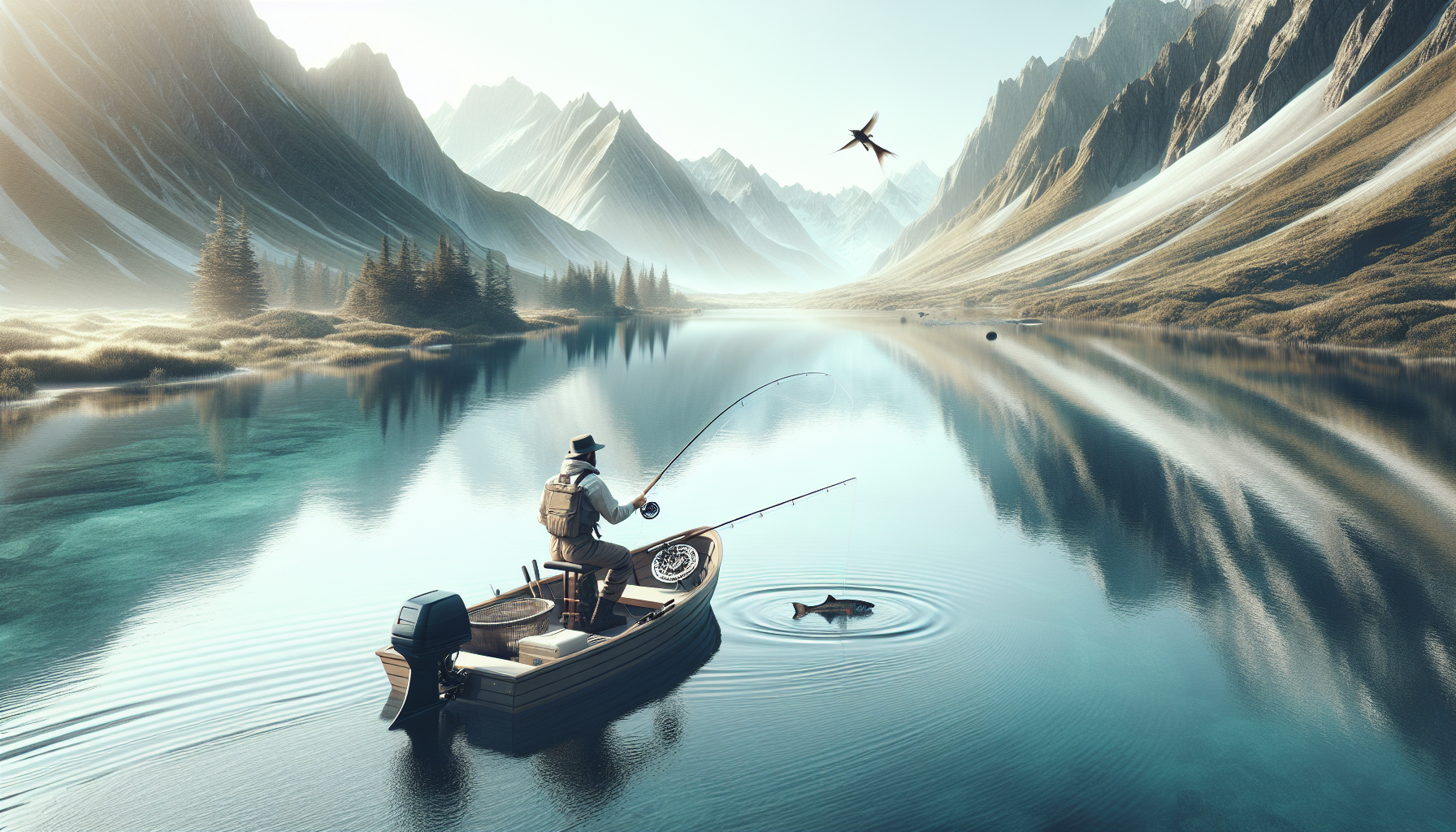
Mountain lakes deserve special emphasis because they are central to Wales’s identity. The llyns of Eryri, formerly marketed as Snowdonia, are not usually about numbers of large fish. They are about stalking wild trout in clear or lightly stained water, timing a hatch of olives or terrestrials, and fishing with stealth in exposed conditions. This is where Wales differs sharply from many stocked European stillwaters. On a calm evening with cloud cover moving over the ridges, a simple size 14 dry can outfish a complicated team. On bright days, the same lake may need small wet flies pulled slowly across drop-offs. These waters teach discipline and observation, and they give visiting anglers a genuine sense of place that is hard to replicate elsewhere in Europe.
Techniques that consistently work on Welsh rivers and lakes
If a visitor asked me for one sentence on how to catch more fish in Wales, I would say this: fish lighter, shorter, and more precisely than you think, then adjust quickly when wind or flow changes. On rivers, the backbone techniques are upstream dry fly, short-line nymphing, and traditional wet-fly fishing. The upstream dry excels during visible rises and hatch activity, especially with olives, sedges, and terrestrial falls. A fly box built around Parachute Adams patterns, F-Flies, small CDC duns, Griffith’s Gnats, and local olive imitations covers most situations. The critical factor is drift quality. Welsh trout often hold in deceptively small current seams, and drag appears quickly in broken water, so line control matters more than fly complexity.
Nymphing is essential when fish are not looking up. On the Usk and Wye, modern contact nymphing or Euro nymphing has become highly effective because it keeps flies in the feeding lane with minimal slack. A slim tungsten nymph paired with a lighter dropper can cover pocket water, glides, and deeper runs efficiently. Grayling especially respond well to precise depth control in cooler months. On smaller upland streams, I often shorten the leader and use a single weighted nymph or a duo setup beneath a dry fly, because overcomplicated rigs snag constantly in rough riverbeds and under bankside vegetation.
Lake fishing in Wales is shaped by wind. On larger waters such as Clywedog or Brenig, drifting from a boat with teams of flies remains the standard. Early season often favors lures, boobies under specific fishery rules, or attractor patterns when trout are feeding aggressively and water temperatures are low. As the season progresses, buzzer fishing, diawl bachs, crunchers, and hopper patterns become more important. The washing-line method, with a buoyant point fly and imitative droppers, is particularly effective when fish patrol higher in the water column. On natural lakes and upland llyns, however, simpler tactics generally outperform competition-style complexity: a pair of traditional wets, a small dry, or a lightly retrieved nymph usually matches the mood of the water better.
For salmon and sea trout, technique must follow conditions. In higher, colored water, larger tubes, Templedog-style flies, and stronger profiles help fish locate the fly. In lower, clearer summer water, downsizing is non-negotiable. Small doubles, low-water singles, or sparse tube flies presented on fine but safe tackle often move more fish than classic large salmon patterns. Sea trout on the Teifi and similar rivers commonly demand low-light timing, and many successful anglers fish into dusk or after dark with measured, controlled swings rather than hurried casting. These sessions are highly atmospheric, but they also require strict attention to local rules, safe wading, and fish handling standards.
When to go, what to pack, and how to fish responsibly
The best time to fly fish in Wales depends on species and method. Spring is excellent for reservoir trout and improving river trout sport as olives and March browns appear. Late spring into early summer is prime for river dry-fly fishing, especially during stable weather and moderate flows. High summer can still be excellent on mountain lakes, evening river sessions, and sea trout fisheries, though bright conditions and low water can make daytime trout selective. Autumn is strong for grayling where permitted and can also produce memorable salmon fishing after rainfall lifts levels. The common mistake is planning only around calendar dates instead of weather patterns. In Wales, rainfall and water temperature often matter more than the month printed on your booking confirmation.
Packing should reflect flexibility. For most trout trips, a 9-foot 4-weight or 5-weight covers rivers well, while a 10-foot 6-weight is useful for reservoir work and indicator or buzzer methods. A 3-weight or short 4-weight is enjoyable on tiny upland streams, but it is a luxury rather than a necessity for first-time visitors. Breathable waders, a wading staff for larger rivers, polarized glasses, layered waterproof clothing, and a compact landing net are essential. Carry flies for olives, sedges, midges, caddis pupae, small streamers, and traditional Welsh wets. If you are extending a Europe itinerary, Wales rewards the angler who packs adaptable tackle instead of destination-specific excess.
Responsible fishing is central to Welsh angling today. Many fisheries follow Environment Agency Wales legacy rules now administered through Natural Resources Wales frameworks and local controlling clubs, with catch limits, hook restrictions, and seasonal protections that should be checked before every trip. Wild fish handling should be quick and deliberate: barbless or de-barbed hooks where appropriate, minimal air exposure, and release in steady water. On warm days, stop targeting trout if temperatures are stressing fish. Respecting access is equally important because much Welsh water runs through working farms, private estates, and fragile upland habitats. Close gates, stay on agreed paths, and support local associations by buying permits properly. If you are building a broader Fly Fishing Destinations plan across Europe, Wales is one of the best places to practice skill-based, conservation-minded angling that improves every future trip. Start by choosing one river, one lake, and one local guide or permit source, then fish the country methodically.
Frequently Asked Questions
What makes Wales such a standout destination for fly fishing compared with other parts of the UK or Europe?
Wales stands out because it compresses an unusually wide range of fishable water into a relatively small area. In a single trip, anglers can move from intimate freestone trout streams to broad salmon rivers, from high mountain llyns to large natural lakes, and from classic grayling water to estuarine systems influenced by sea trout runs. That variety is a major advantage. In many other European destinations, you may need long travel days to experience that level of contrast, whereas in Wales the change in water type, target species, and technique can happen within a few hours.
Another reason Wales is so highly regarded is the quality of its angling tradition. Welsh rivers and lakes have long histories, strong local knowledge, and a culture that respects both wild fish and practical watercraft. For visiting anglers, that means there is usually a deep pool of information available about hatches, river levels, migratory timing, and productive methods. Whether you fish independently or hire a guide, you benefit from generations of accumulated understanding about how Welsh waters behave in different seasons and weather patterns.
The species mix also gives Wales unusual depth as a fly fishing destination. Brown trout are widespread and often beautifully wild, grayling offer technical and rewarding sport on suitable rivers, and migratory fish such as Atlantic salmon and sea trout add another dimension entirely. For anglers who enjoy planning a broader fly fishing journey rather than repeating the same style of fishing each day, Wales offers meaningful diversity without sacrificing authenticity. It is not simply a place with many waters; it is a place with many genuinely different angling experiences.
Which are the most iconic fly fishing locations in Wales, and what is each best known for?
Several Welsh waters are considered iconic, and each is known for a distinct style of fishing. The River Usk is one of the most famous names, especially for trout and grayling, with sections that range from classic dry-fly water to deeper glides where nymphing becomes important. The Wye, particularly in its upper and middle reaches, is another cornerstone river, celebrated for grayling and trout and admired for its scale, variety, and changing character through the season. Both rivers have strong reputations among anglers who appreciate technical river fishing and the chance to adapt between surface and subsurface methods.
The River Taff, River Dee, and Teifi also deserve attention depending on the species and type of water an angler wants. The Dee in northeast Wales is respected for trout and grayling, while the Teifi has long been associated with sea trout and salmon history. For migratory fishing, rivers in west and south Wales often draw anglers who are willing to plan carefully around water height, temperature, and fish movement. Sea trout in particular carry a special mystique in Wales, often requiring evening or night tactics and a very different mindset from daytime trout fishing.
Stillwater anglers should not overlook Welsh lakes, from mountain tarns and upland llyns to larger waters such as Llyn Clywedog and Llyn Brenig. These fisheries can produce excellent trout sport and often call for loch-style techniques, pulling teams of flies, or searching the water when there is little obvious surface activity. The mountain lakes, meanwhile, offer a more intimate and often visually striking experience, where stealth, light tackle, and an understanding of wind lanes and shoreline structure can be more important than distance casting. Together, these rivers and lakes form the backbone of Wales’s reputation: a destination where famous names are backed by genuinely varied and rewarding fishing.
What fly fishing techniques work best in Wales for trout, grayling, salmon, and sea trout?
The best techniques in Wales depend heavily on species, water type, and conditions, but adaptability is the key theme. For river trout, dry-fly fishing can be excellent during hatches of upwinged flies, sedges, and other seasonal insects, particularly on the Usk and Wye systems and on smaller tributaries with clear flows. However, anglers who rely only on dries often miss opportunities. Welsh trout frequently respond well to upstream nymphing, duo setups, or light indicator methods when they are feeding below the surface, especially in faster runs and pocket water. On freestone rivers after rain, a larger or more visible pattern can be more effective than delicate imitation.
Grayling techniques in Wales often center on nymphing, because grayling hold predictably in deeper runs, seams, and glides where they can be targeted with good presentation. Contact nymphing, tight-line approaches, or carefully controlled indicator rigs are all productive depending on depth and current speed. Fine tippet and natural drifts matter, but grayling anglers also benefit from reading the river properly and covering likely holding lies methodically. In colder months, when trout seasons may be closed or limited, grayling become especially important and provide high-quality sport for anglers who enjoy technical subsurface fishing.
For salmon and sea trout, the approach changes considerably. Traditional wet-fly methods, tube flies, and smaller doubles or singles are all part of the Welsh migratory playbook, with fly size and sink rate adjusted to river level and water temperature. After a rise in water, salmon anglers often focus on traveling fish in classic lies, while low, clear conditions may call for smaller flies and more discreet presentation. Sea trout are often targeted in the evening, after dark, or in low-light periods, especially in summer, and this style of fishing places extra emphasis on line control, confidence in known lies, and patience. On lakes, techniques such as washing-line setups, pulled wets, buzzers, and small dries can all be effective, depending on wind, light, and food sources. In Wales, success usually goes to the angler who matches method to water rather than forcing one favorite style everywhere.
When is the best time of year to go fly fishing in Wales, and how much do weather and water conditions matter?
Timing matters enormously in Wales because the fishing is closely tied to rainfall, river height, water temperature, and seasonal insect life. Spring can be excellent for trout as rivers begin to wake up and early hatches encourage surface feeding, although conditions can still be variable and cold snaps may temporarily slow activity. Late spring into early summer is often highly attractive for river trout anglers because fish are feeding more consistently and many waters are at their most balanced in terms of flow, temperature, and insect availability. Summer can also be productive, though low water and bright conditions may require finer tactics, earlier starts, or a shift toward evening fishing.
For grayling, the prime period often extends into the cooler months, when they become a major focus for river anglers. Autumn and winter grayling fishing on the right rivers can be exceptional, particularly when water levels are stable and clarity is good. Because grayling hold in defined lies and feed well in colder conditions, they offer reliable action when other fly fishing options become more restricted. This makes Wales a strong year-round consideration for anglers building a seasonal destination calendar.
For salmon and sea trout, water conditions are especially critical. A fresh rise after rain can transform a difficult river into a very promising one, encouraging fish to run and settle in catchable lies. Conversely, prolonged low summer flows may make migratory fish harder to move and harder to hook, even if they are present. Sea trout anglers often watch not just water levels but also light levels, moon phases, and the timing of evening activity. In practical terms, this means there is no single universal “best month” for all Welsh fly fishing. The best time depends on your target species and your willingness to adapt to weather. Anglers who monitor forecasts and stay flexible often do far better than those who lock themselves into rigid plans.
What should visiting anglers know before planning a fly fishing trip to Wales?
Visiting anglers should start by understanding that Wales is wonderfully accessible, but successful trips still require planning. Different waters may be controlled by clubs, private estates, associations, day-ticket schemes, or syndicates, so permits and access rules vary. Before traveling, it is important to confirm where you are allowed to fish, whether catch-and-release rules apply, what species are in season, and whether certain beats or lakes require advance booking. Hiring a guide for at least part of the trip can be a very smart investment, especially if you want to sample more than one style of fishing or make the most of limited time.
It also helps to prepare for changing conditions. Welsh weather can shift quickly, and rivers respond fast to rainfall in many catchments. Wading gear, quality waterproofs, layered clothing, and a sensible range of rods and lines will make a noticeable difference. For a mixed itinerary, many anglers bring a river rod for trout and grayling, a stronger outfit if salmon or sea trout are on the agenda, and possibly a stillwater setup for loch-style or lake fishing. Fly selection should cover dry flies, nymphs, traditional wets, and species-specific salmon or sea trout patterns rather than focusing too narrowly on one category.
Finally, visitors should appreciate that the best Welsh fly fishing is not always about chasing the most famous name on the map. Smaller tributaries, lesser-known lakes, and well-chosen beats can provide exceptional sport and a more personal experience of the landscape. Wales rewards anglers who approach it with flexibility, curiosity, and respect for local knowledge. If you treat the country not