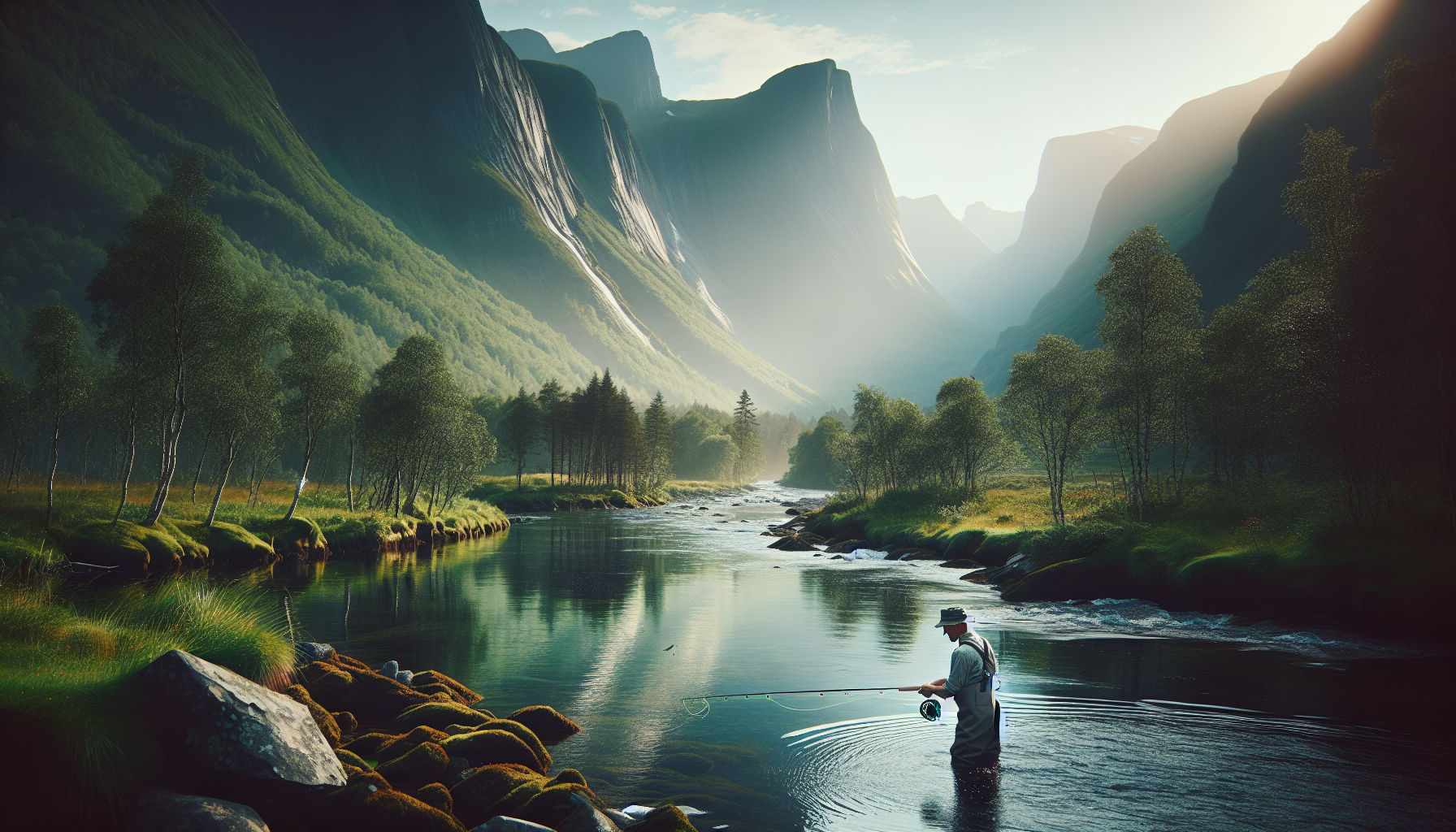
Norway is one of Europe’s most complete fly fishing destinations, combining Atlantic salmon rivers, wild trout lakes, Arctic char waters, and saltwater opportunities within a single country. For anglers planning a serious European fly fishing trip, Norway matters because it offers unusual geographic range, strong local fishing culture, and fisheries managed under clear regional rules. In practical terms, “fly fishing destinations” means the specific rivers, lakes, fjords, and coastal zones where species, access, seasonality, and regulations align to create a worthwhile trip. As a hub within the broader Europe fly fishing destinations topic, Norway deserves special attention because it covers nearly every coldwater scenario an angler might want, from technical dry-fly fishing in mountain streams to swinging large salmon flies through famous spate rivers.
I have planned and evaluated destination fishing content across Scandinavia, and Norway consistently stands out for one reason: variety without sacrificing quality. You can fish legendary salmon systems such as the Gaula, Orkla, and Alta, then shift to highland trout in Hardangervidda or pursue sea-run species along the coast. That breadth is rare in Europe. Norway also rewards anglers who think carefully about timing. Snowmelt, river discharge, sea lice concerns, local quotas, and regional permit systems all influence success. A strong Norway fly fishing plan is not just about picking a famous river; it is about matching target species, water type, and travel window to conditions on the ground.
For searchers asking simple questions, the direct answer is this: the best fly fishing in Norway depends on your target species. Choose Trøndelag and northern rivers for Atlantic salmon, central and southern mountain regions for brown trout, Finnmark and interior plateaus for Arctic char, and the long coast for saltwater sea trout and cod. Most visiting anglers also need to understand two terms immediately. First, a beat is a defined stretch of water allocated by permit, rotation, or lodge agreement. Second, anadromous species are fish such as Atlantic salmon and sea trout that migrate between sea and freshwater. Those concepts shape access, tactics, and legal requirements across Norway.
Norway matters in the European fly fishing landscape because it offers both iconic, high-demand waters and accessible public options. Countries like Iceland may deliver concentrated prestige, and Slovenia may offer famous trout rivers, but Norway wins on scale. There are thousands of lakes, extensive public land, and major river systems that still produce world-class fish. At the same time, anglers should approach Norway with realism. Costs can be high, prime salmon permits can be competitive, and regulations change by river and season. This article serves as a Europe hub page focused on Norway, helping you understand where to go, what each region is known for, how to compare options, and how to build the right next step into detailed destination planning.
Why Norway is a flagship Europe fly fishing destination
Norway is a flagship destination because few places in Europe combine fish diversity, habitat quality, and sheer geographic spread so effectively. The country stretches across latitudes that create major differences in season length, insect activity, water temperatures, and migratory fish timing. Southern valleys can offer productive trout fishing while northern rivers are still stabilizing after runoff. In midsummer, parts of northern Norway provide near-continuous daylight, extending fishing windows in a way many visiting anglers find transformative. That matters operationally: more fishable hours allow better adjustment to hatch timing, river levels, and wind.
Another advantage is habitat integrity. Compared with more densely populated parts of Europe, much of Norway still has low development pressure around key fisheries. Mountain catchments, glacial systems, forest rivers, and coastal inlets remain relatively intact, supporting robust wild fish populations. For Atlantic salmon specifically, Norway is globally important because it retains many of the strongest remaining stocks in the North Atlantic region. Management is not perfect, but national and local authorities actively use quotas, gear restrictions, monitoring, and temporary closures when conservation requires it. For serious anglers, that management culture is a positive signal, not an inconvenience.
Norway also works well as a hub conceptually. If your wider Europe fly fishing research includes Scotland, Iceland, Sweden, Finland, Slovenia, or Spain, Norway often becomes the bridge between classic salmon travel and broader trout exploration. It is one of the few countries where a multi-species itinerary is realistic without feeling forced. I recommend thinking of Norway in four broad destination classes: salmon rivers, alpine and plateau trout waters, Arctic fisheries, and coastal saltwater. Once you sort your trip into one of those classes, route planning becomes much easier, and your permit research becomes more accurate.
Best Norwegian regions for Atlantic salmon fly fishing
For many international anglers, Atlantic salmon are the headline reason to visit Norway. The best-known regions include Trøndelag, Nordland, Troms, and Finnmark, with river reputations shaped by run size, average fish size, accessibility, and tradition. The Gaula and Orkla in Trøndelag are among the best-known salmon systems in Europe. Both have long histories, structured beats, and periods when good numbers of fish move through. The Gaula has been especially famous for large salmon, while the Orkla is often praised for varied holding water and broad appeal across angler skill levels. Booking quality water on prime dates, however, usually requires planning well in advance.
Farther north, rivers such as the Alta, Reisa, Lakselva, and Målselva carry enormous prestige. Alta, in particular, is one of the world’s classic Atlantic salmon fisheries, known for large fish, strict management, and highly regulated access. It is not a casual budget option, but it represents the upper end of destination salmon angling. Lakselva in Finnmark is often discussed because it can offer productive fishing with more varied access models. River character matters here. Some waters favor classic Spey casting with larger flies and sink tips during higher flows; others reward smaller flies, floating lines, and more delicate presentations as levels drop and temperatures rise.
The key operational question is not simply “Which is the best salmon river in Norway?” but “Which salmon river fits my timing, casting ability, and budget?”
| Region or river type | Best fit for anglers | Typical advantages | Main considerations |
|---|---|---|---|
| Trøndelag classics like Gaula and Orkla | Anglers seeking proven salmon waters with lodge or beat structure | Strong reputation, established access systems, good travel links | High demand, premium pricing, variable annual returns |
| Northern prestige rivers like Alta | Experienced destination anglers prioritizing trophy potential | Historic status, large fish, rigorous management | Very limited access, high cost, strict rules |
| Northern mixed-access rivers like Lakselva | Independent travelers wanting flexibility | Broader trip styles, strong scenery, less formal than elite beats | Longer travel, weather exposure, changing local regulations |
In plain terms, southern and central famous rivers are easier to integrate into a first Norway salmon trip, while the far north rewards anglers willing to handle logistics, weather swings, and stronger seasonality. Always verify local conservation status before booking. Some rivers impose mandatory catch-and-release periods, female salmon protection rules, or daily bag limits that can change quickly.
Top trout and Arctic char waters across Norway
Norway is far more than salmon, and many experienced European anglers quietly consider its trout fishing underrated relative to the publicity surrounding anadromous rivers. Brown trout are distributed widely, from forest streams and limestone-influenced rivers to giant upland lake systems and windy alpine tarns. Hardangervidda is the most famous broad trout landscape. This enormous mountain plateau contains countless lakes and streams, many with naturally reproducing wild trout. It is not one single fishery but a network of opportunities best approached with maps, weather awareness, and realistic walking plans. In productive summer windows, dry-fly fishing can be excellent, especially when terrestrials, caddis, or mayflies bring fish to the surface.
Other strong trout regions include Valdres, Hallingdal, and parts of Innlandet, where rivers and lakes support both resident and migratory trout forms. The Hemsila is often cited among Norway’s premier technical trout rivers, known for selective fish and clear water. On pressured rivers like that, long leaders, controlled drifts, and careful wading matter more than constantly changing flies. I have found that anglers coming from small-stream backgrounds often adapt well, while dedicated salmon anglers sometimes need a day to slow down and refine presentation. Norway rewards both styles, but trout fishing demands precision.
For Arctic char, look north and inland. Finnmark, Troms, and high-elevation waters elsewhere in the country hold char in lakes and connected systems where cold, clean water persists through summer. Char are especially attractive for anglers building exploratory trips because they occupy visually dramatic environments and often respond well during short feeding windows. Wind, light angle, and water temperature influence char behavior sharply. Productive methods include small streamers, nymphs, buzzer-style patterns on stillwaters, and sparse dries during surface activity. If your Europe destination research extends to Sweden or Finland, Norway’s char appeal lies in combining these fisheries with major salmon and coastal options in one itinerary.
Coastal and fjord fly fishing opportunities
Norway’s coastline is an overlooked asset in the Europe fly fishing conversation. Sea trout are the main attraction for many shore-based fly anglers, especially in southern and western coastal areas where current, structure, and forage create reliable feeding zones. While Denmark often receives more international attention for sea trout, Norway offers excellent water for anglers who can read kelp edges, tidal movement, current seams, and shallow spring temperature shifts. Productive coastal fly fishing usually revolves around baitfish imitations, shrimp patterns, and patient coverage of transition areas where rock, sand, eelgrass, and current meet.
Saltwater fly opportunities also extend to cod, coalfish, pollack, and other marine species that will readily attack larger streamers around reefs, channels, and drop-offs. In northern Norway especially, saltwater sessions can complement freshwater itineraries when rivers are high, colored, or temporarily less favorable. This is one reason Norway functions so well as a destination hub page under Europe: a weather-disrupted river trip does not necessarily become a lost trip. You can pivot to protected coastal areas, estuaries where legal, or nearshore boat-based options with local guides. That resilience is valuable for international visitors operating on limited travel days.
Regulations are important here as well. Sea-run fish protections, local closed zones near river mouths, and species-specific rules can vary. Always check municipality guidance, river-mouth exclusion areas, and marine harvest regulations before fishing. If the goal is conservation-minded catch-and-release fly fishing, communicate that clearly with local guides or hosts because practices and expectations differ by region.
When to go, what to pack, and how to plan access
The best time for fly fishing in Norway depends entirely on species and latitude. Salmon seasons often begin in early summer, but the highest-quality windows vary by river, snowpack, and run timing. Trout fishing generally improves after runoff and can remain productive into early autumn, with high summer bringing peak terrestrial and lake opportunities in mountain regions. Sea trout along the coast are often excellent in cooler periods, particularly spring and autumn, when water temperatures and bait movements align. Northern travel adds another dimension: long daylight in June and July expands opportunity, while weather can still be cold and unstable.
Packing should be deliberate, not generic. For salmon, most anglers need double-handed rods matched to river size, floating heads, sink tips, waders built for cold water, and flies covering tube, hairwing, and smaller low-water categories. For trout, bring a versatile 4- to 6-weight setup, longer leaders, dries, nymphs, and compact streamers. For coastal work, a 6- to 8-weight with corrosion-resistant reel components is practical. I strongly advise carrying layered insulation, waterproof outerwear, polarized glasses for both river reading and safety, and a compact net where regulations allow. In Norway, weather can shift from bright sun to hard rain and wind in a few hours.
Access planning is where many first-time visitors make mistakes. Norway uses a mix of national fishing fee requirements for anadromous waters, local permits sold through platforms such as inatur.no, private beats, landowner associations, and lodge-controlled access. Never assume that open-looking water is fishable without permission. Read beat maps carefully, understand rotation rules, and verify whether catch reporting is mandatory. The most efficient planning sequence is simple: choose species, choose region, check typical water timing, confirm permit structure, then book lodging close enough to adapt daily. If you are building a broader Europe fly fishing shortlist, use this Norway hub as the branch point into detailed articles on salmon rivers, trout plateaus, northern char waters, and coastal sea trout systems.
Norway earns its place near the top of any serious Europe fly fishing destinations list because it combines depth, scale, and flexibility better than almost any competitor. Atlantic salmon rivers give it global status, but the country’s real strength is diversity: wild brown trout across mountain plateaus and valleys, Arctic char in cold northern systems, and meaningful coastal fly fishing when inland conditions shift. That range lets anglers match trip style to skill level, budget, and season rather than forcing one famous river into every plan. It also makes Norway an ideal hub within a larger European destination strategy.
The practical lesson is clear. Start with species, then narrow by region, timing, and access model. If you want classic salmon heritage, focus on Trøndelag or the far north. If you prefer technical trout fishing, look to upland lakes, rivers, and plateau systems such as Hardangervidda and Hemsila. If you value backup options and exploratory days, include coastal water in your route. Throughout the process, respect regulations, monitor local conservation updates, and book permits before flights whenever possible. Norway rewards anglers who plan carefully and fish adaptively.
Use this page as your Norway hub under the broader Fly Fishing Destinations Europe cluster, then move into detailed regional guides for specific rivers, trout districts, and seasonal strategies. The better your research now, the better your days on the water will be.
Frequently Asked Questions
What makes Norway such a standout fly fishing destination in Europe?
Norway stands out because few countries offer the same breadth of fly fishing in one place. An angler can target Atlantic salmon in famous rivers, wild brown trout in mountain lakes and streams, Arctic char in northern waters, and even sea-run species or coastal fish along fjords and saltwater shorelines, all within a single national trip. That geographic range matters because it allows travelers to build a more varied itinerary instead of committing to only one style of fishing. In practical terms, Norway’s fly fishing destinations include salmon rivers in central and northern regions, stillwaters in alpine terrain, remote Arctic systems, and productive coastal areas where cold, clean water supports healthy fish populations.
Another reason Norway matters is the strength of its fishing culture and the way its fisheries are managed. Rules are typically organized at the regional, river, or water-specific level, which means anglers usually know exactly what permits are required, what methods are allowed, and what seasonal restrictions apply. That structure is useful for traveling fly fishers because it makes planning more predictable. Add in dramatic scenery, relatively low population density in many fishing areas, and access to both iconic and lesser-known waters, and Norway becomes one of Europe’s most complete destinations for anglers who want quality fishing as well as variety.
Which types of fly fishing waters can anglers explore in Norway?
Norway offers a remarkably broad mix of water types, and that variety is one of its biggest advantages. The best-known category is the Atlantic salmon river. These rivers draw international attention because they give anglers a chance to fish classic runs, pools, and glides for migratory salmon using traditional and modern fly techniques. Depending on the river, fishing may involve larger flies in higher water, smaller patterns in clear summer flows, or careful presentation in regulated beats where timing and water conditions are critical.
Beyond salmon, Norway has extensive trout and char opportunities. Wild brown trout thrive in lakes, mountain tarns, forest waters, and freestone streams, with many fisheries rewarding anglers who enjoy dry-fly fishing, nymphing, or small streamer work. Arctic char are especially appealing in northern and high-altitude regions, where cold, clear water creates the kind of environment this species favors. In some areas, anglers can also pursue sea trout in coastal or estuarine systems. Saltwater fly fishing adds another layer, particularly in fjords and along the coast, where species and tactics can differ significantly from freshwater fishing. For visiting anglers, this means Norway is not just a “salmon destination”; it is a country where rivers, lakes, fjords, and coastal zones all contribute to a much more complete fly fishing experience.
When is the best time to plan a fly fishing trip to Norway?
The best time depends entirely on the species and the type of water you want to fish. For Atlantic salmon, many rivers have defined seasons that often begin in late spring or early summer and continue into summer or early autumn, but exact opening dates and productive periods vary widely by river. Early season fishing may bring stronger flows and fresh-running fish, while midsummer can offer more stable conditions but also clearer water and more selective fish. In northern regions, daylight hours can be exceptionally long during summer, giving anglers a great deal of flexibility.
For trout and Arctic char, summer is often the key window, especially after ice-out in mountain and northern waters. Early summer can be excellent as fish become active after winter, while mid- to late summer may produce strong hatches and sight-fishing opportunities in lakes and streams. Coastal and saltwater fishing can also be highly seasonal, shaped by water temperatures, bait movement, and local species behavior. The most important point is that “best time” in Norway is highly location-specific. Before booking, anglers should match their travel dates to the exact river, lake, or coastal zone they intend to fish and confirm current seasonal rules, local conditions, and any year-to-year management changes.
What permits, regulations, and local rules should fly fishers expect in Norway?
Norway is known for having clear but often highly localized fishing rules, and anglers should take that seriously when planning a trip. In many cases, you will need more than one authorization. Salmon and sea trout waters commonly require a national or government fishing fee in addition to a local permit for the specific river or beat. Trout lakes, inland streams, and other freshwater fisheries may have their own local licenses, often sold by landowners, associations, or area managers. These permits can be limited by day, zone, beat, or season, so access is not always uniform even within the same watershed.
Regulations may also cover catch-and-release practices, daily bag limits, gear restrictions, hook rules, disinfection requirements, and mandatory reporting of fish landed. Some waters are strictly fly-only, while others allow multiple methods. In salmon fisheries, beat rotation systems and booking procedures are common, particularly on well-known rivers. Because rules can change from one location to the next, the safest approach is to verify everything directly with the official manager of the water you plan to fish. That includes checking whether there are conservation measures in place, whether fish health protocols apply, and whether recent environmental conditions have triggered temporary restrictions. Anglers who prepare carefully tend to find Norway straightforward, but assumptions can lead to mistakes, especially for visitors unfamiliar with regional management systems.
How should anglers choose the best fly fishing destinations in Norway for their skill level and goals?
The right destination depends on what kind of trip you want to build. If your primary goal is to pursue Atlantic salmon on world-renowned water, then choosing a river with a strong salmon tradition, established beat structure, and clear access rules makes sense. These rivers can be ideal for anglers who want a classic Scandinavian salmon experience, but they may also require more advance booking, more focused technique, and a larger budget. If instead you want variety and less pressure, inland trout lakes, smaller streams, and northern char waters may offer a more flexible and often more approachable trip. These fisheries can be especially rewarding for anglers who enjoy covering water, reading insect activity, and mixing dry flies, nymphs, and streamers.
Skill level matters too. Beginners may do best in accessible trout waters or with a guide on a river where local knowledge shortens the learning curve. Intermediate anglers often appreciate destinations that combine several water types, allowing them to adapt to weather and fish activity. Advanced fly fishers may specifically seek technical salmon beats, remote char systems, or coastal opportunities that require a more specialized approach. Budget, mobility, and comfort with changing weather should also shape your decision. Norway’s fishing landscape is broad enough that there is no single “best” destination for everyone. The smarter approach is to match species, season, regulations, access, and travel style to your actual priorities. That is usually what turns a good Norway trip into a memorable one.