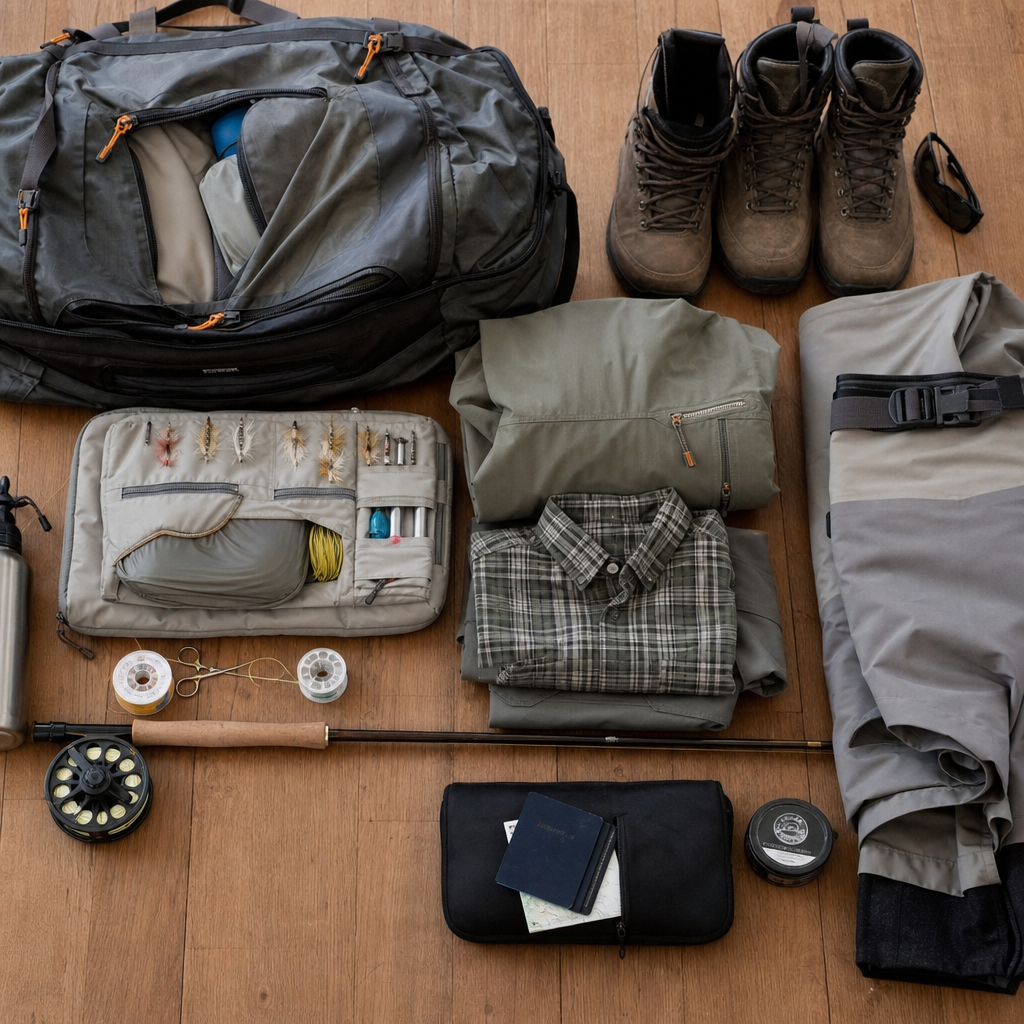
Packing tips for fly fishing abroad can determine whether an international trip begins with confidence or with expensive, stressful problems at the airport, customs desk, or riverbank. For anglers traveling beyond their home country, packing is not just about fitting gear into a duffel. It is the process of matching tackle, clothing, documents, medication, and contingency items to airline rules, border regulations, climate, and the target species. In practical terms, smart packing protects rods from damage, keeps essential equipment accessible, reduces baggage fees, and prevents delays caused by prohibited items or missing paperwork.
I have packed for hosted trips to Patagonia, DIY saltwater travel in the Caribbean, and lodge-based programs where one missing fly line could cost a full fishing day. The lesson is consistent: the best international fly fishing travel systems are simple, documented, and redundant only where failure would be trip-ending. That matters because overseas angling usually involves multiple transfers, changing weather, language barriers, and limited access to specialty gear once you arrive. A traveler headed to Iceland for Arctic char needs a different packing plan than someone chasing giant trevally on outer atolls, but both benefit from the same core principles: know the airline limits, divide critical gear intelligently, protect what is fragile, and bring records for what may be questioned. As a hub for tips for international travel, this guide covers the packing strategy that supports destination-specific planning, local regulations research, and species-focused tackle selection.
Start with a destination-specific packing plan
The best packing list starts with the fishery, not the suitcase. Before I lay out a single reel, I confirm six variables: species, season, average air temperature, water temperature, expected wading depth, and transfer complexity. Those details shape every decision after that. A trout week in Chile often means layers, rain protection, stud restrictions on some boats, and compact boxes of nymphs and streamers. A tropical flats trip may require sun gloves, hard-sided sunglasses storage, tropical fly lines, and strict limits on corrosion-prone metal tools. This is why a generic fly fishing packing list fails so often abroad.
Build your plan around a written checklist grouped by category: documents, carry-on fishing essentials, checked tackle, clothing, electronics, health items, and emergency replacements. I recommend listing exact quantities next to each item. For example, “3 leaders 9 ft 3X, 3 leaders 9 ft 5X” is better than writing “leaders.” If a bag is delayed, that precision helps you identify what was lost and what can be borrowed. It also speeds repacking between legs of a trip. Many anglers use Google Sheets, Notion, or a simple Notes app checklist, but a printed copy in your passport wallet is still useful when your phone battery dies in transit.
Think in modules. A rod tube module, wading module, boat bag module, and travel document module are easier to inspect than one giant pile of gear. Modular packing is especially valuable when moving through small domestic airports overseas, where staff may ask to weigh individual pieces and where baggage repacking on the floor is common. The more tailored your list is to the destination, the fewer unnecessary items you carry and the lower your chance of missing something essential.
Understand airline, security, and customs rules before you pack
International fly fishing travel is often disrupted by assumptions about what security agents and airline staff will allow. Policies vary by carrier, route, and country, so verify rules directly with the airline and the relevant security authority before departure. Rod tubes, reels, flies, nippers, forceps, and fly lines may be accepted as carry-on by one airline and challenged by another. U.S. travelers usually review Transportation Security Administration guidance, while European departures may involve local airport security interpretations that are stricter in practice than the written rule. The safest approach is to print or save policy screenshots for rod tubes, tackle, batteries, and sharp tools.
Customs is separate from security, and anglers sometimes overlook that distinction. Some countries require declaration of outdoor equipment if it has been used in freshwater elsewhere, largely to reduce invasive species transfer. New Zealand, for example, is known for careful biosecurity inspection. Mud on boots, felt soles, or organic residue on nets can lead to cleaning requirements, delays, or confiscation. If a destination prohibits certain materials, remove them before you leave. Clean, dry, and inspect every piece of gear with the same discipline you would use to prevent spreading didymo or whirling disease at home.
Duty rules also matter when carrying expensive tackle. A camera body, premium reels, or multiple rods can look commercial if questioned. I travel with a gear inventory that includes brand, model, and serial number where applicable, plus purchase receipts for high-value items. This protects you when re-entering your home country and helps substantiate ownership if luggage is lost or an insurance claim is required. Travel insurance that specifically covers sporting equipment is worth reviewing before any big-ticket expedition.
Pack critical fishing gear in carry-on and protect the rest methodically
If losing an item would cancel fishing on day one, it belongs in your carry-on whenever rules allow. In my experience, that usually means one versatile rod, one reel, one fly box, leaders, tippet, polarized glasses, medication, travel documents, and one technical fishing outfit. Checked baggage can catch up; the opening morning on the water cannot. A 9-foot 5-weight four-piece rod for trout or an 8- or 9-weight flats setup can function as your insurance policy depending on the trip. Even on specialized expeditions, having one fishable outfit with line already mounted is the single most useful redundancy you can create.
Use protective systems rather than loose packing. Rods should travel in rigid tubes with labeled contact information both outside and inside. Reels belong in padded cases, and fly boxes should be secured so hooks do not spill during inspection. For checked bags, place hard items at the perimeter and compress soft clothing around vulnerable gear. Wader buckles, pliers, and chargers can crack lenses or dent reels if they shift. Packing cubes help, but dry bags are often better because they add weather resistance during transfers in skiffs, pickup trucks, or open luggage carts.
Weight distribution matters as much as protection. Wading boots, for example, are dense and can push a checked bag over 23 kilograms, the common 50-pound economy limit, very quickly. Split heavy gear across bags if you and a partner are traveling together. I also recommend using a small digital luggage scale. It costs little, prevents check-in surprises, and makes the night-before shuffle far easier. The table below shows a practical carry-on versus checked-bag approach that works across most destinations.
| Item category | Carry-on | Checked bag | Reason |
|---|---|---|---|
| Primary rod and reel | Yes | Backup only | Protects first-day fishing if luggage is delayed |
| Flies, leaders, tippet | Yes, if permitted | Duplicates | Small, essential, hard to replace in remote locations |
| Waders and boots | No, usually | Yes | Bulky and heavy, but clean them thoroughly for inspection |
| Tools with sharp edges | Usually no | Yes | Security restrictions vary and are often enforced conservatively |
| Medication and documents | Always | No | Must remain accessible and secure throughout travel |
Choose versatile tackle and avoid overpacking specialty gear
Most anglers overpack flies first, then clothing, then redundant tackle. The cure is to build around proven ranges instead of every possible scenario. For trout abroad, two rods often cover most conditions: a 4- or 5-weight for dries and general nymphing, and a 6- or 7-weight for streamers, wind, or larger water. For saltwater, a 7- or 8-weight plus a 10- or 12-weight usually covers bonefish and permit on one end, or heavier species on the other. The exact spread depends on the destination, but the principle holds: pack by function, not by fear.
Fly selection should also be disciplined. Ask the lodge, outfitter, or local guide for current patterns, sizes, and hook styles, then build around confidence flies in the stated ranges. A hundred well-chosen flies beat three hundred random ones. In Patagonia, for example, beetles, Chubby-style attractors, Perdigons, and articulated streamers may solve most situations. On flats fisheries, crab patterns, baitfish, shrimp imitations, and a few weed guards in destination-specific colors usually matter more than carrying every pattern you own. Use slim waterproof boxes and label them by use case, such as “windy nymph rigs” or “turtle grass permit.”
Lines and leaders deserve more thought than many anglers give them. A spare spool or extra fly line is often more valuable than a third rod because lines fail, crack, or prove wrong for the conditions. Tropical lines and coldwater lines are not interchangeable in hot climates; coatings can wilt or tangle badly if mismatched. Bring enough leaders and fluorocarbon or nylon tippet to avoid depending on lodge stock, which may be limited or expensive. When packing tips for international travel, this is one of the most consistent truths: consumables disappear faster than hardware.
Pack clothing and personal essentials for comfort, safety, and local conditions
Clothing for fly fishing abroad should be built on layers and drying speed, not volume. Merino wool or technical synthetics outperform cotton because they regulate temperature better and dry overnight in hotel bathrooms or lodge mud rooms. For cold-weather destinations, pack a waterproof shell with a reliable hood, insulating midlayers, finger dexterity-friendly gloves, and extra socks in sealed bags. For warm climates, focus on UPF-rated hoodies, lightweight woven pants, sun gloves, buffs, and ventilated rain protection for squalls. Neutral colors can be useful in clear, shallow water where bright garments may flash.
Footwear is where experienced travelers separate convenience from regret. Wear your heaviest shoes on the plane, and pack the pair that would be hardest to replace. If you need felt-free boots for local regulations, verify that before departure. Some destinations or outfitters prefer rubber soles to reduce invasive species risks and simplify cleaning. Pack blister treatment, spare laces, and insoles if you know your feet are particular. On remote trips, a small foot-care kit can save more fishing time than an extra fly box.
Do not neglect non-fishing items. Prescription medications should stay in original containers, with copies of prescriptions when traveling through countries that scrutinize controlled substances. Bring adapters compatible with local voltage and plug types, plus a compact power bank within airline battery rules. Sunscreen, lip protection, insect repellent, and a basic first-aid kit are easier packed at home than sourced in a village shop after arrival. If you wear prescription glasses, carry a backup pair. If you fish with contacts, bring more than you think you need. The farther the destination is from a major town, the more personal essentials become mission-critical gear.
Prepare for delays, damaged bags, and remote logistics
The final layer of packing is contingency planning. International fishing itineraries often include an overnight gateway city, a charter flight, a boat transfer, or a rough road segment. Each transition creates another opportunity for delay. Pack one change of clothes and enough toiletries in carry-on to function for at least twenty-four hours without checked luggage. Add an AirTag or similar tracker to each checked bag and rod tube. These trackers do not prevent loss, but they give you actionable information when an airline says a bag is “in the system.”
Before departure, photograph every bag, its contents, and the exterior luggage tags. Email yourself the inventory and keep copies offline. On arrival, inspect rod tubes, reels, and boots immediately rather than discovering damage the next morning at the dock. If something is missing, file the airline report before leaving the airport. Delayed baggage claims become harder once you depart for a remote lodge or liveaboard. I also advise sending your outfitter a concise pre-trip gear summary and asking what can be borrowed locally. Knowing that a lodge has spare 6-weights or loaner boots changes what you truly need to carry.
Finally, leave room in your luggage. Wet gear, gifted flies, local clothing, and unavoidable repacking chaos on the return leg all demand space. A foldable duffel can help, but the better approach is to pack less from the start. Efficient packing for fly fishing abroad is not minimalist for its own sake. It is a way to travel smoothly, fish sooner, and protect expensive equipment under real-world conditions. Use this hub as your base for broader fly fishing destinations planning, then pair it with destination-specific articles on regional regulations, seasonal timing, and species tackle lists. Build a written checklist, verify the rules, divide critical gear intelligently, and pack with the first day of fishing in mind. That one habit will improve almost every international angling trip you take.
Frequently Asked Questions
What should I pack first for an international fly fishing trip?
Start with the items that are hardest to replace and the most important for entering the country and actually fishing once you arrive. That means your passport, visas if required, flight details, travel insurance information, fishing licenses or lodge confirmations, prescriptions, and any medical documents should be organized before you think about flies or waders. From there, focus on mission-critical tackle: rods, reels, fly lines, leaders, tippet, the specific flies needed for your destination, and any specialty gear tied to the target species. If you are traveling for trout in a cold mountain environment, your list will look very different from a warmwater saltwater trip for bonefish or peacock bass, so packing should always be built around the fishery first.
It also helps to divide your gear into three categories: must-have items, hard-to-replace items, and comfort items. Must-have items include documents, medications, eyewear, basic clothing, and enough fishing gear to complete the trip. Hard-to-replace items may include properly matched fly lines, large-arbor reels with the correct backing, boots in uncommon sizes, and custom-tied patterns. Comfort items include extras like camp shoes, duplicate tools, and nonessential accessories. If baggage is delayed or restricted, having this structure helps you decide what belongs in your carry-on and what can go in checked luggage. Smart packing begins with priorities, not with trying to fit everything you own into one bag.
How do I protect fly rods, reels, and tackle when flying internationally?
Fly rods should always be packed with airline handling in mind, not with the hope that baggage crews will be gentle. Multi-piece rods should go into durable rod tubes with secure caps, and those tubes should either travel in a carry-on if airline policies allow or be placed inside a hard-sided checked bag for added protection. Before you leave, verify carry-on length rules with every airline on your itinerary, especially if you have connecting international flights, because one carrier may allow rod tubes in the cabin while another may force a gate check. If your rods are expensive or essential to the trip, assume that checked baggage may be dropped, stacked, or delayed, and pack accordingly.
Reels should be protected from impact, sand, and moisture by using padded reel cases, and spare spools should be kept separate so they do not scratch or damage each other in transit. Flies, leaders, tippet, tools, and electronics should be organized into compact cases or zip pouches so they can be inspected easily without creating a mess at security checkpoints or customs. It is also wise to separate your core fishing setup between carry-on and checked luggage. For example, carry one outfit’s worth of essentials with you if possible, including one rod, one reel, key flies, sunglasses, and a few terminal items. That way, if your checked bag is delayed, you still have enough gear to fish immediately or get through the first day without scrambling to replace everything in an unfamiliar country.
What fly fishing gear should go in my carry-on versus checked luggage?
Your carry-on should hold the items that would be expensive, difficult, or trip-threatening to lose. This usually includes documents, wallet, medications, prescription glasses, sunglasses, phone chargers, camera gear, and at least part of your fishing kit if airline rules permit. Many traveling anglers place one rod tube, one reel, fly boxes, leaders, tippet, and a change of essential clothing in their carry-on so they can still fish if checked baggage goes missing. A delayed duffel is inconvenient; a delayed duffel containing every rod, every line, every fly, and your wading gear can derail the trip entirely.
Checked luggage is better for bulky clothing, waders, boots, extra reels, tools that may raise security concerns, and backup tackle. Keep in mind that airport security rules vary by country, so forceps, nippers, hook sharpeners, and larger fly boxes may be treated differently depending on where you are flying. To avoid problems, pack sharp tools and anything potentially questionable in checked baggage unless you have confirmed current rules. It is also smart to distribute critical items across bags instead of putting all your reels in one case or all your warm layers in one duffel. Redundancy is one of the best packing strategies for international fishing travel because it reduces the impact of one lost bag, one wet compartment, or one baggage inspection that leaves things poorly repacked.
How can I prepare for customs, airline rules, and international regulations when packing?
Preparation starts well before departure. Research airline baggage limits, oversize policies, and carry-on restrictions for every leg of your trip, because regional carriers often have stricter rules than long-haul international airlines. Weigh your bags at home, measure rod tubes, and leave a little margin for souvenirs or wet gear on the return trip. Then look into the destination country’s entry requirements, including passport validity rules, visa policies, vaccination recommendations, and any customs declarations related to medications, outdoor equipment, or animal-based products. Some countries are especially strict about food, untreated materials, and contaminated gear, so never assume the rules are the same as at home.
For fly anglers, one often-overlooked issue is biosecurity. Boots, waders, nets, and other gear that has been used in freshwater environments may need to be thoroughly cleaned and dried before travel to prevent the spread of invasive species or fish diseases. In some regions, felt soles may be restricted or discouraged, and in others, bringing certain natural materials can trigger questions at customs. Keep receipts for expensive gear, and if you are carrying high-value tackle, consider photographing serial numbers and contents before departure. A simple folder containing passport copies, itinerary, insurance details, lodge contacts, gear inventory, and emergency numbers can make customs checks, baggage claims, and insurance claims much easier if something goes wrong.
What clothing, medical supplies, and backup items should I pack for a fly fishing trip abroad?
Clothing should be selected for the actual fishing conditions, not just the average weather forecast. Think in systems: sun protection, insulation, rain protection, and quick-drying layers. A tropical saltwater trip may require lightweight long-sleeve shirts, sun gloves, a neck gaiter, flats boots, and aggressive sun protection, while a trip to a cold river system may demand thermal base layers, waterproof outerwear, wool socks, and insulated backup clothing. Because weather can shift quickly, especially near mountains, coastlines, or remote rivers, your best approach is to pack versatile layers rather than one heavy item. Quick-drying fabrics are especially useful because they are easier to wash, easier to re-wear, and much more practical if luggage arrives late or gear gets soaked.
Medical and backup supplies deserve more attention than many anglers give them. Bring all prescription medications in original containers, along with copies of prescriptions and a basic kit that matches your destination. Depending on where you are going, that may include blister care, pain relief, antihistamines, anti-diarrheal medication, motion sickness remedies, electrolyte packets, insect repellent, sunscreen, lip balm, and waterproof bandages. If you wear contacts or prescription glasses, pack spares. If you rely on specific footwear, pack backup laces and consider insoles. Small contingency items such as zip bags, waterproof pouches, a universal power adapter, spare charging cables, headlamps, and a compact repair kit for waders or luggage can solve problems that otherwise eat up fishing time. The goal is not to overpack randomly. It is to pack intelligently so minor disruptions stay minor.