Fly fishing in Bolivia rewards anglers who want something rarer than a crowded trout stream: vast protected waters, native gamefish that hit with violence, and wilderness so intact that every cast feels exploratory. In this South America fly fishing hub, Bolivia stands out because it combines Amazon basin jungle rivers, high Andean lakes, and remote tributaries where golden dorado, pacu, yatorana, and trout can all be targeted in the same country. When I plan or evaluate South America trips for serious anglers, Bolivia consistently ranks as one of the most distinctive destinations because its fisheries are less developed than Argentina or Chile, yet they deliver genuine trophy potential and a stronger sense of expedition.
Fly fishing in Bolivia generally means two very different experiences. The first is warmwater jungle fishing in the lowlands, especially in the Bolivian Amazon and the headwaters that drain national parks. Here, the headline species is golden dorado, an apex predator known for explosive takes, hard runs, and aerial fights. The second is coldwater fishing in the Andes, where trout inhabit lakes and rivers at altitude. Understanding that split is essential because tackle, timing, travel logistics, and physical demands change dramatically between regions. A jungle dorado week requires aggressive flies, stout leaders, and mobility around structure, while an Andean trout trip demands attention to weather, elevation, and more technical presentations.
Why does Bolivia matter within a broader South America fly fishing itinerary? Because it fills the gap between polished destination fishing and true frontier angling. Argentina offers iconic trout rivers and established lodges. Chile brings scenic Patagonian diversity. Brazil is synonymous with peacock bass and some dorado water. Bolivia contributes something different: protected ecosystems such as the Pluma region near Madidi National Park, a high ratio of native fish to angling pressure, and opportunities to fish waters that still feel scientifically and culturally significant. For travelers building a South America fly fishing plan, Bolivia is the place to prioritize if your goal is native species, remote access, and destination variety rather than convenience alone.
Bolivia also matters because access is improving without the resource being fully saturated. Specialist outfitters now run structured programs with local guides, mothership operations, and conservation agreements, but many fisheries remain difficult enough that success still depends on preparation. That balance is attractive. You can reach world-class water with support, yet still experience the uncertainty and reward that define the best adventure fishing. The sections below cover the premier fly fishing locations in Bolivia, how they fit within South America, what species to expect, when to go, and the practical tips that make the difference between a memorable week and a frustrating one.
Why Bolivia Is a Standout South America Fly Fishing Destination
Bolivia earns its place among the best South America fly fishing destinations for one reason above all: concentration of wild, lightly pressured native fisheries. In practical terms, that means fish often behave naturally, hold in obvious structure, and respond aggressively when conditions line up. On jungle rivers, I have found that fish are less conditioned than in heavily trafficked destination waters. A clean cast to a logjam, seam, or undercut bank can trigger immediate eats from dorado that have not seen dozens of flies each week. That advantage matters, especially for traveling anglers investing significant time and cost in a remote trip.
The country’s geography is another major strength. Bolivia spans lowland Amazon drainage, Yungas transition zones, and high-altitude Andean systems. Few South America fly fishing destinations offer that much ecological range inside one national border. This lets anglers match trip style to preference. If you want jungle power fishing with sinking lines and articulated streamers, Bolivia delivers. If you want dry-fly trout fishing at elevation, it can do that too. For destination planners, that diversity makes Bolivia an excellent hub within a longer South America circuit that might also include Patagonia, Tierra del Fuego, or Brazilian warmwater rivers.
Conservation value is part of the appeal. Several premier fisheries are tied to indigenous territories, protected areas, or tightly managed access programs. That does not guarantee perfect outcomes, but it often means habitat quality is excellent and angling pressure is intentionally capped. In an era when many famous waters face crowding, extraction, or infrastructure growth, Bolivia’s best rivers still benefit from limited access. For anglers who care about fish populations and habitat integrity, that is not a marketing detail; it is a core reason to choose the country.
Premier Fly Fishing Locations in Bolivia
The most famous fly fishing in Bolivia is in the Tsimane lodges area, particularly the Pluma, Itirizama, Upper Secure, and Agua Negra systems in the Bolivian Amazon. These rivers flow through extraordinarily healthy jungle habitat and are globally recognized for sight-oriented and structure-based dorado fishing. Water is often clear enough to read current lines, woody cover, and ambush zones. Dorado hold near submerged timber, cut banks, and confluences, then smash large streamers stripped fast or swung through feeding lanes. Pacu and yatorana add variety, making each day tactically interesting rather than repetitive.
The Pluma River is often treated as the flagship because of its consistency, visual appeal, and density of classic holding water. It offers intimate channels, woody structure, and enough clarity that anglers can watch follows and adjust retrieves in real time. The Secure tends to fish bigger and can produce truly heavy dorado, while the Itirizama gives technical variety through side channels and changing water types. Agua Negra is particularly attractive to anglers who want less repetitive casting and more mixed-species opportunity. In all four systems, the quality of the experience depends on reading water quickly and delivering accurate casts at short to medium range.
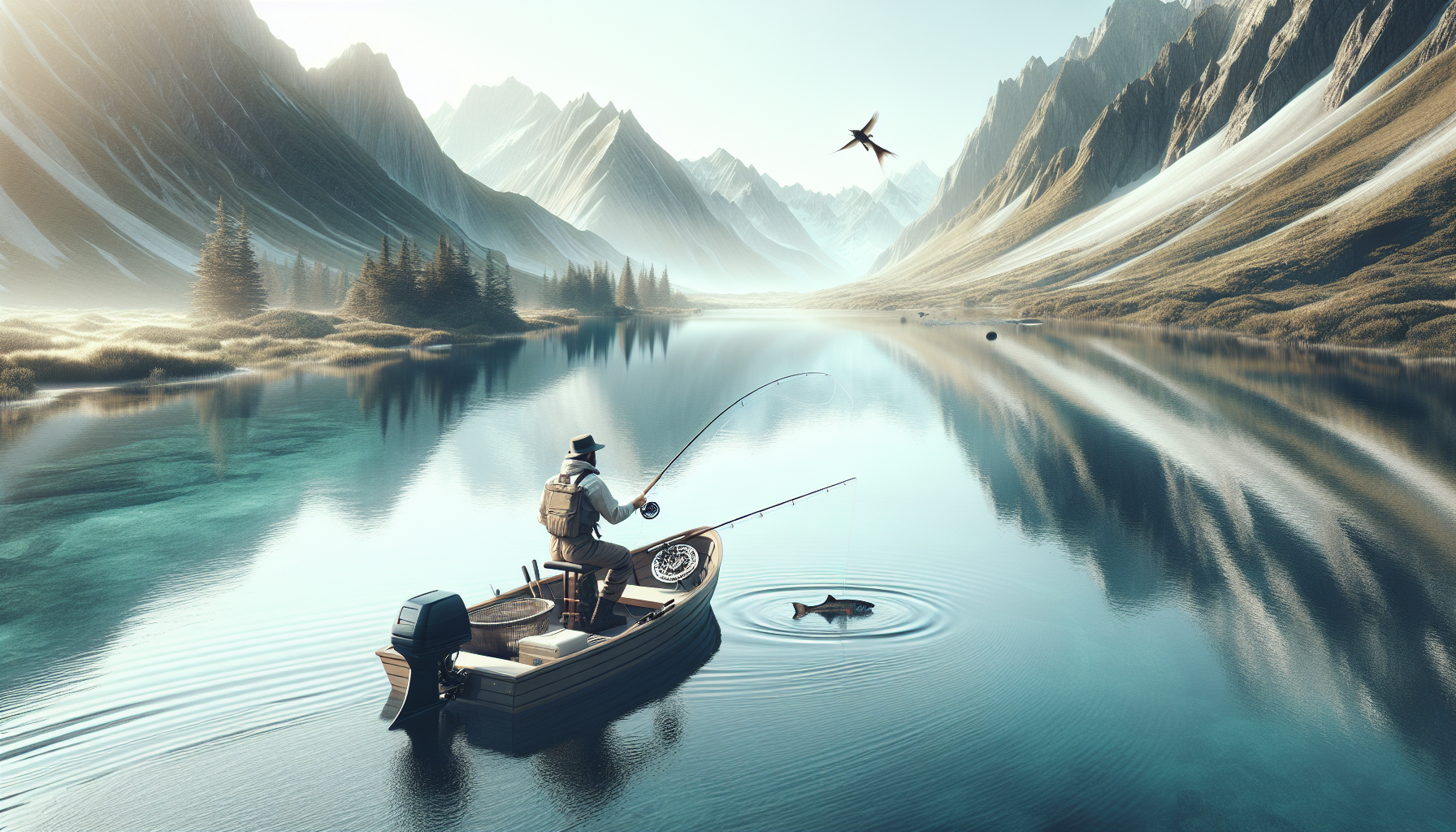
Outside the jungle, Lake Titicaca and nearby Andean waters represent the main coldwater alternative. Titicaca is better known culturally than as a pure fly fishing trophy destination, but it supports trout and offers a radically different Bolivian angling setting. Smaller highland lakes and rivers near La Paz, Cochabamba, and other Andean zones can also produce trout, often in scenic but weather-sensitive conditions. These waters are not the reason most international anglers first think of Bolivia, yet they are valuable for travelers combining cultural touring with fishing or for those who prefer a lighter tackle experience after a demanding jungle week.
| Location | Main Species | Best For | Style |
|---|---|---|---|
| Pluma River | Golden dorado, pacu, yatorana | First-time jungle anglers wanting consistent action | Accurate streamer casting to wood and banks |
| Upper Secure | Golden dorado | Anglers chasing larger fish | Power fishing larger structure and deeper runs |
| Itirizama | Golden dorado, mixed jungle species | Technical anglers who like varied water | Short precise casts, reading channels and seams |
| Agua Negra | Dorado, pacu, yatorana | Mixed-species days and tactical variety | Streamers, occasional fruit or imitative approaches |
| Lake Titicaca region | Trout | Travelers combining fishing with Andes touring | Nymphs, streamers, and opportunistic dries |
Target Species, Tactics, and Essential Gear
Golden dorado are the primary reason most traveling fly anglers visit Bolivia. They are not related to saltwater dorado or mahi-mahi; they are large South American characins built for ambush predation in current. A standard setup is an 8- or 9-weight fast-action rod, a tropical floating line or short aggressive sink-tip, and a leader terminating in wire or heavy bite tippet. Flies are usually large streamers tied on strong hooks, often with deer hair, synthetic heads, flash, and contrasting profiles in black, purple, orange, yellow, or natural baitfish tones. Retrieve speed matters. Dorado often commit when a fly accelerates near cover.
Pacu deserve special attention because they change the rhythm of a Bolivia trip. Although related to piranha, they often feed on fruits, seeds, and vegetation, which means they can be highly selective. On some rivers, guides present berry, nut, or terrestrial-inspired patterns under overhanging trees where natural food drops into the current. Pacu can be difficult to hook cleanly and surprisingly strong once connected. Yatorana, another prized jungle species, will attack streamers and surface patterns with spectacular energy, giving anglers additional opportunities between dorado targets.
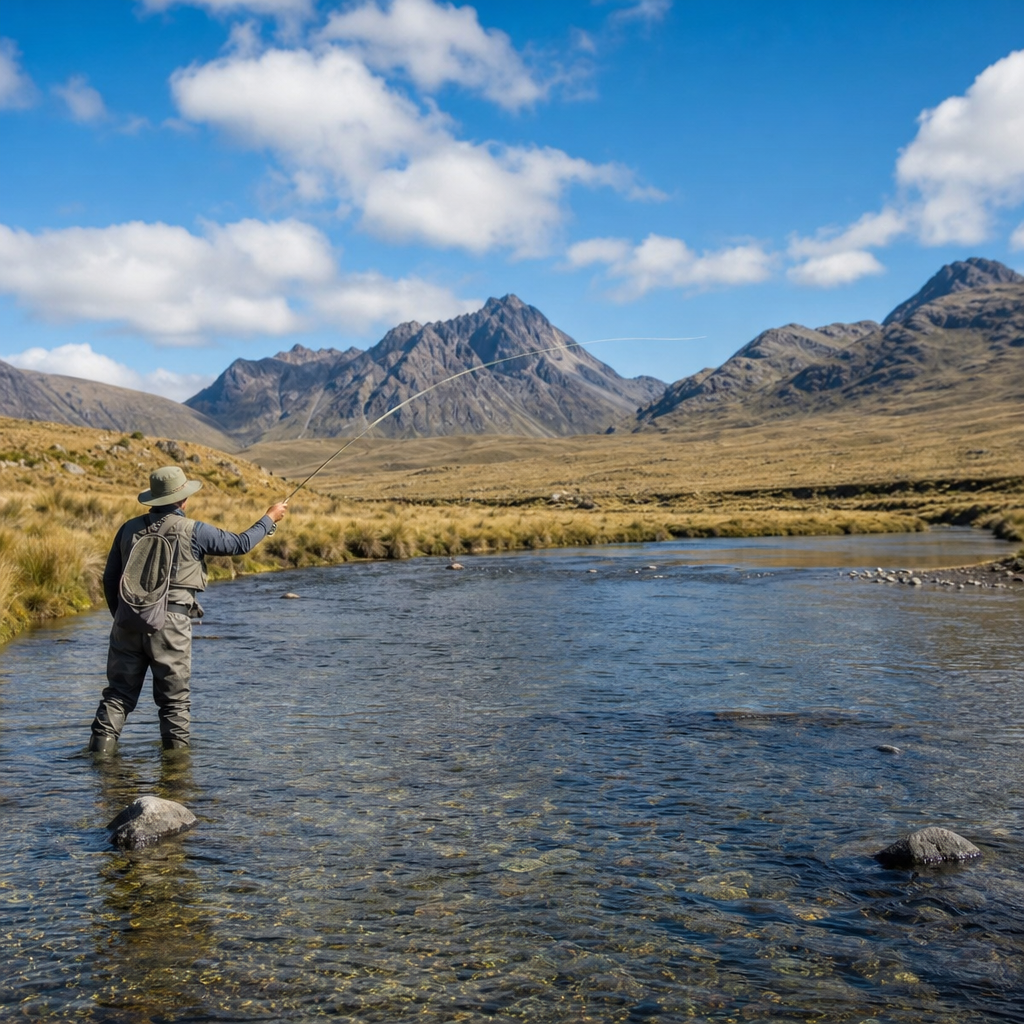
For Andean trout, a 4- to 6-weight setup covers most situations. Bring floating lines, long leaders, tungsten nymphs, small streamers, and attractor dries. The challenge is not only fooling fish but adapting to altitude, wind, and rapidly changing light. In both jungle and highland fisheries, quality gear matters more than excess gear. I advise anglers to pack a backup rod, corrosion-resistant pliers, tropical fly boxes, and genuinely tough rain protection. Bolivia is not the place to discover that a bargain reel drag, weak split rings, or cheap hooks fail under pressure.
Best Time to Go, Access, and Trip Planning Tips
The best fly fishing in Bolivia usually aligns with the dry season and periods of stable, wadable water, especially for jungle rivers. For many dorado-focused operations, prime timing falls roughly from May through October, though exact conditions vary by drainage and annual rainfall. Lower, clearer water improves casting angles, fish visibility, and access to structure. During higher water, fish can spread into flooded margins, making them harder to locate consistently. Any planning conversation should begin with water level history, not just calendar dates.
Access is a defining part of the trip. Most top jungle programs require flights into Santa Cruz or La Paz, connections to regional airstrips, and then overland or boat transfers. Travel days are long, and weather can affect timing. That is normal, not a sign of poor organization. Build buffer days into international itineraries and use luggage that can survive wet landings, rough loading, and repeated transfers. Soft duffels generally work better than rigid suitcases. Pack flies, lines, medications, and one full fishing outfit in your carry-on whenever possible.
Health and safety preparation should be treated seriously. Depending on the region, travelers may need advice on vaccinations, insect protection, sun exposure, hydration, and altitude acclimatization. Jungle heat is draining, while Andean fishing can impose significant elevation stress on anglers arriving from sea level. Good operators brief this thoroughly, but individual preparation matters. Break in wading boots early, practice casting large flies before arrival, and understand that a Bolivia trip rewards functional fitness. You do not need to be an endurance athlete, yet you should be comfortable climbing banks, stepping around timber, and fishing effectively in heat or thin air.
How Bolivia Fits Into a South America Fly Fishing Hub
As a South America fly fishing hub, Bolivia should be viewed alongside Argentina, Chile, Brazil, Peru, and Colombia rather than in isolation. Argentina and Chile dominate trout conversations because of Patagonia’s scale, infrastructure, and lodge network. Brazil leads warmwater publicity with peacock bass and portions of the Paraná-Paraguay dorado range. Colombia and Peru attract anglers for peacock bass, payara, and Amazon diversity. Bolivia’s comparative advantage is native jungle fishing in exceptionally protected headwaters, plus the ability to pair that with authentic Andean travel. It is less polished than the biggest markets, but often more original.
That positioning matters for content planning and trip planning alike. Someone researching fly fishing destinations in South America is usually asking a sequence of practical questions: Which country is best for dorado? Where can I find the most remote fishing? Can I combine a family or cultural trip with serious angling? Is Bolivia suitable for beginners? The clear answer is that Bolivia is best for anglers who value native fish, wilderness, and guided expedition structure. It can suit strong intermediate casters and ambitious beginners, but complete novices will enjoy it more if they practice beforehand and choose operations experienced with instruction.
If you are building out a broader South America fishing plan, Bolivia connects naturally to nearby destination research. Compare it with Patagonia for trout-focused itineraries, with Brazil for tropical predator trips, and with Peru for Amazon exploration. Used that way, Bolivia becomes more than a single destination page; it becomes the central reference for anglers deciding where native species, conservation-oriented access, and true expedition character fit within their South America fly fishing goals.
Fly fishing in Bolivia is exceptional because it offers something increasingly scarce in global angling: real exploration supported by enough infrastructure to make the journey feasible without diluting the wildness. The country’s premier waters, especially the Pluma, Itirizama, Upper Secure, and Agua Negra systems, have earned their reputation through consistent golden dorado fishing, healthy habitat, and limited pressure. Add Andean trout options and Bolivia becomes one of the most varied fly fishing destinations in South America, not just a niche jungle play.
The practical lesson is simple. Match the region to your goals, travel in the right water window, bring durable gear, and choose operators with proven logistics and conservation ties. If your priority is trophy trout with maximum comfort, other countries may fit better. If your priority is explosive native fish in protected rivers, Bolivia belongs near the top of your list. For anglers researching fly fishing destinations across South America, start here, then map Bolivia against your preferred species, budget, and travel style. Done well, a Bolivia trip is not just another booking; it is the benchmark adventure that reshapes what destination fly fishing can feel like.
Frequently Asked Questions
What makes Bolivia such a unique destination for fly fishing in South America?
Bolivia stands apart because it offers an unusually wide range of fly fishing environments within one country, and each one fishes very differently. In the lowlands, anglers can explore Amazon basin rivers and jungle tributaries that hold aggressive native species such as golden dorado, pacu, and yatorana. In the high country, there are Andean lakes and cold-water systems where trout become the focus. That combination is rare. Instead of booking one trip for jungle predators and another for mountain trout, anglers can potentially experience both on a single Bolivia itinerary, depending on logistics, season, and region.
Another reason Bolivia feels special is the sense of remoteness. Many fisheries are protected, lightly pressured, and surrounded by intact habitat, so the experience is often as memorable as the fishing itself. You are not simply working through a line of well-known pools with other anglers in sight. In many areas, every cast feels exploratory, which is increasingly hard to find in the modern fly fishing world. For anglers who value wild landscapes, native fish, and the feeling of being somewhere genuinely off the standard circuit, Bolivia delivers an experience that is much more adventurous than a typical destination fishery.
Which fish species should anglers target when fly fishing in Bolivia?
The headline species for many visiting anglers is golden dorado, and for good reason. Dorado are explosive predators known for savage takes, aerial fights, and a willingness to crush large streamers. They are the fish that often define jungle fly fishing in Bolivia. Depending on the system, anglers may target them along structure, current seams, tributary mouths, and shallow ambush zones where baitfish are vulnerable. They demand stout tackle, sharp hooks, and a disciplined strip-set because they hit hard and move fast.
Beyond dorado, Bolivia offers impressive diversity. Pacu are one of the most intriguing species in the country because they often require a very different approach. While dorado reward aggressive predator tactics, pacu can be selective and technical, frequently associated with fruit, nuts, and opportunistic feeding patterns that call for precise presentations. Yatorana add yet another dimension, giving anglers a hard-fighting native gamefish that is highly regarded in jungle systems. In the Andean regions, trout become the main quarry, especially for anglers who enjoy nymphing, dry-fly opportunities, and stillwater tactics in dramatic mountain scenery. That mix of warmwater power and cold-water finesse is exactly what makes Bolivia such a compelling fly fishing destination.
Where are the premier fly fishing locations in Bolivia?
Bolivia’s premier fly fishing locations generally fall into two broad categories: tropical lowland river systems and high-altitude Andean waters. The jungle fisheries in the Amazon basin are among the most celebrated, especially remote rivers and tributaries where native species thrive in relatively undisturbed conditions. These waters are often accessed through specialized lodges, outfitted camps, or expedition-style trips, and they are the places most closely associated with trophy dorado and other native gamefish. In these environments, the quality of habitat matters enormously, and Bolivia’s protected and lightly pressured systems are a major reason serious anglers look there.
The Andean side of the country offers a completely different but equally valuable experience. High lakes, reservoirs, and mountain streams can provide productive trout fishing in spectacular scenery. These fisheries may appeal to anglers who want to balance a jungle-focused trip with a few days in cooler, higher-elevation water, or who simply prefer trout tactics and mountain landscapes. The best location for any angler depends on goals: if the priority is explosive jungle predators and remote wilderness, lowland river systems are usually the top choice; if the goal is technical trout fishing or a mixed-species itinerary, Andean waters should be part of the plan. Working with an experienced local outfitter is often the smartest way to match region, season, access, and target species.
What gear and fly patterns work best for fly fishing in Bolivia?
Gear depends heavily on the fishery, but for jungle species such as golden dorado, anglers should come prepared with strong, dependable tackle. Fast-action rods in the 8- to 10-weight range are common for dorado, paired with reels that have smooth, durable drags and tropical-rated fly lines suited to warm conditions. Leaders need to be tough, and bite protection is often essential because dorado can destroy light material quickly. Many anglers bring wire or heavy shock tippet systems based on guide recommendations. Streamer boxes should include baitfish patterns, flashy profiles, bulky flies that push water, and durable tied materials that can survive repeated violent strikes.
For pacu and other more selective species, the fly selection can become more specialized. Depending on the fishery, that may include fruit imitations, smaller presentations, or patterns designed to match local food sources more subtly than a standard predator setup. For trout in the Andes, a more traditional kit makes sense: 4- to 6-weight rods, floating lines, nymphs, streamers, and dry flies tailored to local insect activity and lake or stream conditions. One of the best practical tips for Bolivia is to ask your outfitter for a current, location-specific packing list rather than relying on generic South America advice. Water levels, fish behavior, and regional differences can change what is effective, and the right local input can save both luggage space and frustration.
When is the best time to go fly fishing in Bolivia, and what practical tips help make a trip successful?
The best time to go depends on the region and species you want to target. In jungle systems, seasonal water levels are often one of the biggest variables affecting access, fish location, and presentation style. Lower, clearer water can make some rivers easier to read and fish more effectively, while higher water may open up habitat but complicate access or spread fish out. In trout regions, cooler seasonal patterns and local weather play a bigger role. Because Bolivia includes dramatically different ecosystems, there is no single universal “best month” for the entire country. The smart approach is to choose the target species first, then identify the region and season that line up best with that fishery.
As for practical tips, preparation matters. First, work with a reputable outfitter or guide service that knows local conditions, logistics, and access requirements. Bolivia’s top fisheries are often remote, and good planning is essential. Second, be ready for physical and environmental contrasts. A single trip can involve jungle heat, insects, sun exposure, travel by boat, and potentially high-altitude conditions if Andean fishing is part of the itinerary. Bring quality sun protection, rain gear, wading or boat footwear suited to the terrain, and a well-thought-out medical and travel kit. Third, practice the fundamentals before you go: accurate casting, fast line management, strip-setting, and fighting hard fish from awkward angles all pay off. Finally, stay flexible. In a wild destination like Bolivia, the anglers who do best are usually the ones who embrace changing conditions, trust the guide, and appreciate that the adventure is part of the reward.