Fly fishing in England blends chalkstream tradition, wild upland rivers, estate lakes, and accessible reservoirs into one of Europe’s most varied angling landscapes. For anglers planning a destination trip, England deserves a central place in any Europe fly fishing guide because it offers famous dry-fly water, dependable stillwater sport, and regional styles shaped by centuries of fishery management. In practical terms, fly fishing means presenting an artificial fly with a weighted line rather than a lure or bait, while terms such as chalkstream, spate river, stocked reservoir, and catch-and-release describe the main environments and rules you will encounter. I have planned and fished English trips across Hampshire, Derbyshire, Yorkshire, and the West Country, and the biggest surprise for first-time visitors is how much variety fits into a relatively compact country. One morning can mean delicate presentation to rising brown trout on a clear spring creek; the next can involve pulling lures for hard-fighting rainbow trout on a windswept reservoir. That range matters for European travel planning. England is easy to reach from major hubs, rail links are strong, guiding standards are high, and fisheries usually publish clear rules online, making it simpler than many destinations where access is uncertain. For searchers asking where to fly fish in England, the short answer is this: head to southern chalkstreams for classic trout, northern rivers for wild fish and scenery, reservoirs for consistent sport, and managed lakes for beginners or mixed-skill groups. As a hub within the broader Fly Fishing Destinations topic, this article also frames England within Europe. Compared with Iceland’s premium salmon model, Slovenia’s alpine freestones, or Spain’s technical limestone rivers, England stands out for heritage, infrastructure, and the sheer concentration of fishable day-ticket and guided options. If you want a European destination where tradition and practicality meet, England is the benchmark.
Why England stands out in Europe for fly anglers
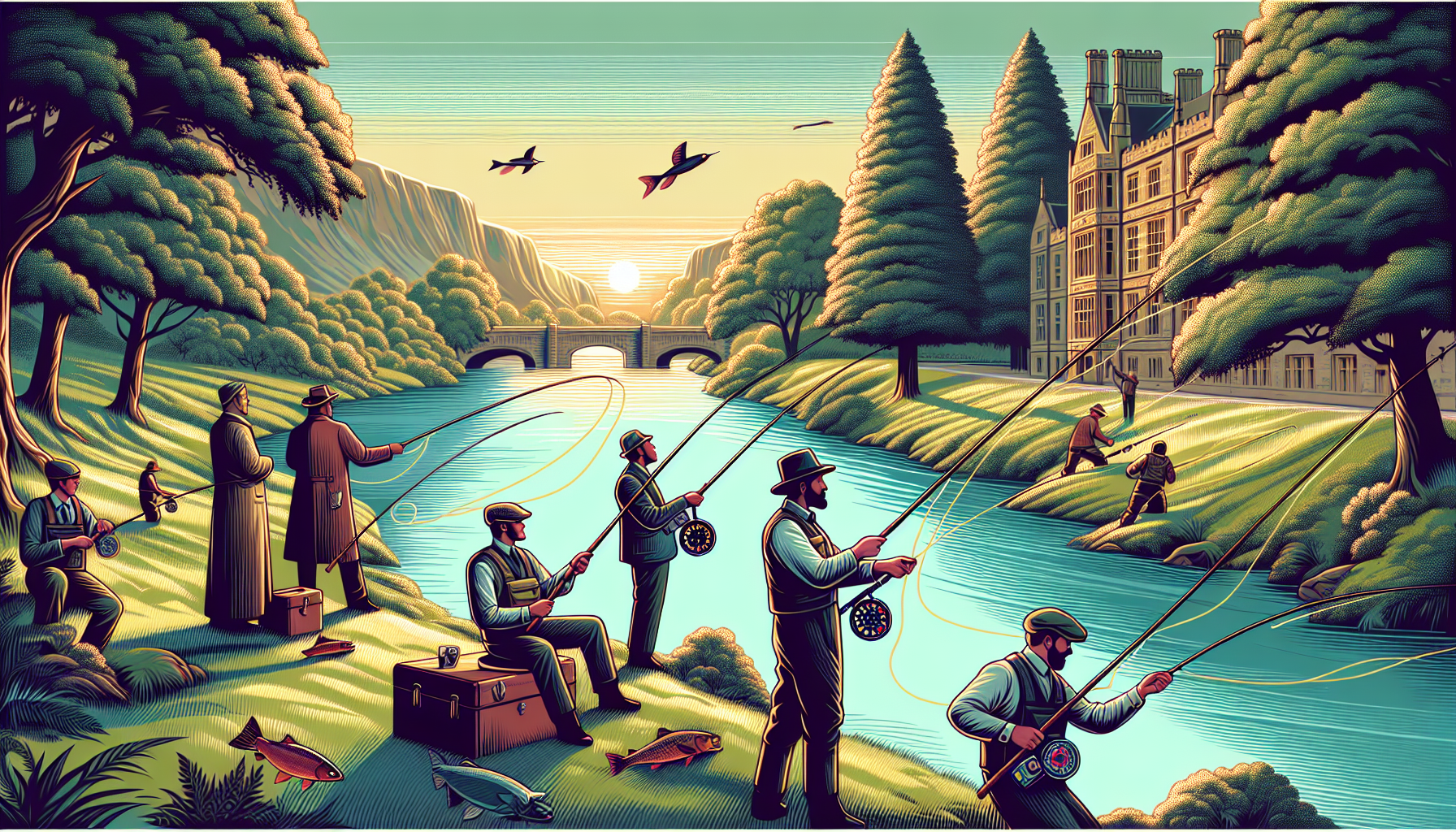
England’s reputation starts with the chalkstreams, especially the Test, Itchen, Avon, Frome, and Wylye. These rivers rise from chalk aquifers, which filter water naturally, producing exceptional clarity, stable temperature, rich weed growth, and dense insect life. That combination supports selective trout feeding and the classic upstream dry-fly methods associated with Frederic Halford and the late nineteenth-century English school. In plain terms, chalkstreams often deliver elegant, visible fishing: sighting fish, matching hatches, and making one careful cast count. Only a small percentage of the world’s chalkstreams are in England, which is why visiting anglers place them high on European bucket lists.
England also excels beyond chalk. The Derbyshire Wye and Dove offer intimate limestone river fishing; Yorkshire’s Ure, Wharfe, and Nidd mix wild trout water with beautiful dales scenery; and the Lake District, Northumberland, and the West Country provide moorland becks, migratory fish rivers, and rugged stillwaters. For reliable numbers, reservoirs such as Rutland Water, Grafham Water, Chew Valley, Blagdon, Carsington, Draycote, and Rutland’s neighboring venues have developed highly professional boat and bank fishing operations. Many are stocked strategically, host competitions, and maintain catch reports that help anglers time a visit. For a traveling fly fisher, that transparency is valuable. It reduces guesswork and increases the chance of productive days, especially outside peak river hatch periods.
Another advantage is access structure. In much of Europe, prime river beats can be private, difficult to book, or controlled through local clubs with opaque guest policies. England has private beats too, but booking platforms, estate websites, tackle shops, and guide services have made access far easier. Day tickets, half-day lessons, stocked water sessions, and hosted chalkstream packages are common. Beginners can start on a managed fishery with tuition, while experienced anglers can reserve named beats with known hatches, beat maps, and fishery rules. That tiered system is one reason England works as a hub destination within Europe: it serves novices, improvers, and specialists equally well.
Best fly fishing spots in England
The River Test in Hampshire is the iconic answer to “where is the best fly fishing in England?” It is the spiritual home of modern dry-fly trout fishing, with carriers, ranunculus weed, and famously exacting brown trout. Prime beats can be expensive, but the experience is unmatched when mayfly, olive, or sedge activity brings fish up. Nearby, the River Itchen offers equally revered chalkstream fishing, often with strict presentation rules and careful fishery etiquette. If you want the classic English experience, these rivers are the headline venues.
The Hampshire Avon, along with the Wiltshire Wylye and Dorset Frome, gives anglers a slightly broader menu. These rivers can produce trout and grayling, and some sections are more attainable than the top Test and Itchen beats. Grayling, in particular, extend the season and reward light nymphing when trout seasons close. I often recommend these rivers to European visitors who want chalkstream character without focusing only on marquee names.
In central and northern England, the Derbyshire Wye and Dove are essential. They are smaller, intimate rivers where stealth matters. Wild brown trout dominate, hatches can be intense but localised, and presentation is close-range and precise. Yorkshire’s rivers, including the Ure and Wharfe, offer similarly rewarding fishing with a strong club culture and scenic value. These waters may not carry the global branding of the Test, but they provide some of the most satisfying wild trout fishing in England.
For stillwater anglers, Rutland Water is the flagship destination. It is one of Europe’s great fly fishing reservoirs, known for boat fishing, buzzer hatches, season-long sport, and large rainbows. Grafham Water, Chew Valley, Blagdon, Draycote, and Carsington each have their own personality, but all are proven choices for anglers who want dependable action, guide services, and quality facilities. These venues are ideal for travelers with limited time because weather, stocking strategy, and fish density combine to create consistency.
| Region | Best-known waters | What to expect | Best for |
|---|---|---|---|
| Southern England | Test, Itchen, Avon, Wylye, Frome | Chalkstreams, dry-fly tradition, trout and grayling | Classic river anglers |
| Midlands | Rutland, Grafham, Draycote, Carsington | Large reservoirs, stocked rainbows, boat and bank fishing | Reliable sport and beginners |
| North and Dales | Wye, Dove, Ure, Wharfe, Nidd | Wild trout, limestone and freestone character, technical presentation | Experienced river anglers |
| West Country | Frome, Exe tributaries, Taw systems, stocked lakes | Mixed fisheries, scenic trips, trout with some migratory options | Variety and regional travel |
When to go and what you can catch
The best time for fly fishing in England depends on species and water type. For trout rivers, spring through early autumn is the core season, with mayfly usually peaking from late May into June on many southern chalkstreams. During this window, large ephemeral insects trigger some of the most visual dry-fly fishing of the year. Summer brings terrestrials, sedges, and spinner falls, but low, clear conditions can make fish highly selective. Early season often favors nymphs and small olives; high summer rewards fine tippet, careful positioning, and accurate first casts.
Grayling extend the calendar substantially. On many rivers they become the main target in autumn and winter, and they are one reason England remains relevant in European fly fishing itineraries outside standard trout months. A visitor who misses summer can still enjoy excellent cold-weather nymphing on the Avon, Itchen systems where permitted, and many Derbyshire or Yorkshire waters. Reservoir fishing can be productive from opening day through late autumn, with fry-feeding periods, buzzer hatches, and wave conditions dictating tactics. Rainbow trout dominate many stillwaters, while brown trout and occasionally tiger trout or blue trout appear depending on fishery policy. On some rivers and lakes, pike on the fly have also become a serious shoulder-season option.
If your main goal is a high-likelihood first fish, choose a reservoir or quality stocked lake in spring or autumn. If your goal is heritage and technique, target southern chalkstreams from May through July. If you prefer wild fish and fewer formalities, northern rivers can be superb from late spring into early autumn, especially after favorable water levels. Matching your destination to your objective is more important than chasing a single “best” month.
Essential tactics, flies, and gear for English waters
For chalkstreams, a 4- or 5-weight rod around 8.5 to 9 feet covers most situations. A floating line, long leader, and accurate dry-fly presentation are central. Carry patterns for blue-winged olives, large dark olives, mayfly, sedges, midges, and terrestrials, plus slim nymphs and small shrimp or caddis larva imitations where rules allow subsurface methods. On clear English rivers, drag is the enemy. The cast itself matters less than line control, approach angle, and keeping false casts off the fish. Many visiting anglers fail because they wade too quickly or cast from directly behind visible trout. On these waters, patience catches more fish than distance.
For reservoirs, use a 6- or 7-weight rod, a range of floating, intermediate, and sink-tip lines, and proven patterns such as buzzers, diawl bachs, blobs, damsels, boobies, and baitfish imitations. Methods vary from static dries over buzzer feeders to pulling lure teams on the drift. Boat positioning, drogue use, and reading wind lanes are major skills. If you have never fished an English reservoir, hire a guide for one session. The learning curve shortens dramatically when someone explains how local anglers fish the hang, the figure-of-eight retrieve, and depth changes over specific banks or points.
Clothing and accessories matter more than many travelers expect. Polarized glasses are indispensable on rivers. Lightweight waders suit spring and autumn; in summer, some beats prefer minimal disturbance and careful bank fishing. Carry forceps, debarbing pliers, quality netting, and a fish-friendly net. Many English fisheries have precise hook rules, catch limits, and beat rotation systems. Read them before arrival. Good angling etiquette is part of successful fishing here, not an optional extra.
Planning your trip: access, rules, costs, and local knowledge
England is straightforward to organize if you break the trip into access, accommodation, transport, and fishery type. Access usually falls into three categories: premium private beats, club or association waters with guest access, and commercial fisheries with open booking. Chalkstream estates may charge several hundred pounds or considerably more per rod per day on famous water, while club-controlled rivers and stocked lakes can be dramatically cheaper. Reservoir day tickets are often the best value for visiting anglers who want quality fishing without elite river pricing.
Licensing is also simpler than many assume. You may need an Environment Agency rod licence for freshwater fishing in England and Wales, but fishery-specific permits are separate and always required. Check season dates carefully. Wild brown trout rivers generally have fixed seasons, while many stocked lakes operate year-round or on extended calendars. Catch-and-release is common, but not universal. Some fisheries permit kill tickets or bag limits, especially on stocked waters. Barbless or debarbed hook policies are increasingly common. These details affect both compliance and results.
Local knowledge is the force multiplier. A half-day with a guide on the first day often saves two days of avoidable mistakes. Guides help with fly choice, but more importantly they decode access points, productive drifts, fishery culture, and unspoken etiquette. They also place England within a wider European itinerary. Travelers combining England with Scotland, Ireland, Slovenia, or the Pyrenees often use England as the technical trout leg of a broader trip because logistics are easy and instruction quality is high. For deeper planning, connect this page to destination-specific content on chalkstreams, English reservoirs, and wider Europe fly fishing routes.
Conclusion
Fly fishing in England earns its reputation because it delivers substance, not just history. The country offers world-famous chalkstreams, excellent wild trout rivers, highly efficient reservoirs, and a booking system that makes a European fishing trip genuinely manageable. If you want classic dry-fly culture, choose the Test, Itchen, Avon, or Wylye. If you want wild fish and scenic intimacy, head for Derbyshire or Yorkshire. If you want dependable action and strong facilities, book Rutland, Grafham, Chew, Blagdon, Draycote, or Carsington. The best destination is the one aligned with your goals, budget, and preferred style.
The core tip is simple: fish England deliberately. Match season to species, pick waters that suit your experience level, respect local rules, and invest in guidance when fishing technical rivers for the first time. That approach consistently produces better results than chasing prestige alone. As a hub page within the Europe section of Fly Fishing Destinations, England is the ideal starting point because it combines tradition, variety, and accessibility better than almost anywhere else on the continent. Use this guide to narrow your region, compare river and stillwater options, and build your next European fly fishing itinerary with confidence. Start by choosing one chalkstream day and one reservoir day, and you will understand exactly why England remains a benchmark destination.
Frequently Asked Questions
What are the best places to go fly fishing in England?
England offers an unusually wide range of fly-fishing destinations, and the best choice depends on the kind of experience you want. For classic chalkstream fishing, the River Test and River Itchen in Hampshire are the most famous names. These waters are closely associated with traditional dry-fly angling and are prized for their clear flows, abundant weed beds, and selective trout. They are often seen as iconic destinations for anglers who want to experience the historic heart of English fly fishing. The River Avon and other southern chalkstreams also provide excellent opportunities, sometimes with a slightly different character and access model.
If you prefer a wilder setting, northern and western upland rivers in places such as Yorkshire, Cumbria, and the Peak District offer a very different style of fishing. These rivers are often smaller, faster, and more varied in structure, with pocket water, riffles, and runs that reward accurate casting and a mobile approach. Wild brown trout are a major draw here, and many anglers enjoy the sense of exploration that comes with these less manicured environments. In these regions, fly fishing can feel more intimate and technical, especially when reading changing currents and matching modest insect life.
Stillwater anglers are also exceptionally well served in England. Reservoirs such as Rutland Water, Grafham Water, Chew Valley Lake, and Blagdon Lake are widely respected for dependable sport, boat fishing opportunities, and strong populations of stocked trout. These fisheries can be ideal for visiting anglers because they often provide clear rules, hire boats, local advice, and a realistic chance of success even when river conditions are difficult. Estate lakes and smaller managed fisheries add another layer of variety, often giving anglers easier access, quieter surroundings, and a chance to refine tactics on intimate water. In short, England’s best fly-fishing spots range from world-famous chalkstreams to rugged freestone rivers and highly productive reservoirs, making it one of Europe’s most versatile angling destinations.
When is the best time of year to fly fish in England?
The best time to fly fish in England depends heavily on the type of water you plan to fish and the species or conditions you are targeting. On trout rivers, spring through early autumn is generally the main season, with late spring and early summer often considered especially productive. During this period, water temperatures are favorable, insect life becomes more consistent, and trout tend to feed actively on the surface or just below it. Chalkstreams can be particularly rewarding in late spring, when hatches become more reliable and dry-fly fishing comes into its own. Summer can still be excellent, especially in the morning and evening, although bright sun and low flows may make fish more cautious in some locations.
Upland rivers often respond differently to the seasons and weather. Early season fishing can be productive when flows are healthy, while summer may bring excellent sport during overcast conditions or after a lift in water level. In very low and clear conditions, fish can become wary, so stealth and lighter presentation become more important. Autumn can offer attractive scenery and occasional strong fishing, but local season dates always matter, and many trout rivers close before winter to protect spawning fish. Checking specific fishery calendars is essential rather than relying on a single nationwide assumption.
Stillwaters and reservoirs often provide the longest and most dependable fishing windows. Spring is widely regarded as one of the strongest times, as trout are active after winter and often feed confidently in cooler water. Autumn is another standout period, especially on larger reservoirs, where fish may concentrate and feed hard before temperatures drop. Summer can still produce very good fishing, but anglers may need to adapt by fishing deeper, changing retrieve speed, or focusing on low-light periods. If you are planning a destination trip and want flexibility, late spring and early autumn are usually excellent choices because they provide a strong balance of river and stillwater possibilities across England.
Do I need a licence or special permission to fly fish in England?
Yes, in most cases you will need both the legal right to fish and permission to access a specific fishery. For freshwater fishing in England, anglers generally need a valid Environment Agency rod licence, which covers legal fishing for freshwater species in eligible waters. This is a basic requirement, but it does not by itself grant access to any river, lake, reservoir, or beat. In practice, most fly-fishing in England is controlled through day tickets, club memberships, syndicates, hotel beats, or private arrangements. That means you must also obtain permission from the fishery owner or manager before you cast a line.
This two-part structure is important for visiting anglers to understand. A famous chalkstream may require advance booking for a specific beat and date, sometimes with relatively high prices reflecting exclusivity, fishery management, and limited rod numbers. In contrast, a reservoir may operate through a straightforward permit system available online or at the lodge, often with options for bank or boat fishing. Smaller trout fisheries, estate lakes, and angling club waters can vary widely in their rules and access methods. Some are welcoming and easy to book, while others are highly regulated or available only to members and guests.
You should also expect fishery-specific rules covering permitted flies, catch-and-release policies, bag limits, hook types, wading access, and boat safety. Some chalkstreams emphasize traditional upstream dry-fly methods on certain beats, while reservoirs may allow a broad range of lures, nymphs, and teams of flies under defined rules. Because regulations differ from one venue to another, it is best to verify requirements directly with the fishery before traveling. Taking a few minutes to confirm licences, permits, and local regulations will help you avoid problems and ensure your trip runs smoothly.
What tackle and flies should I bring for fly fishing in England?
A practical starting setup for England is to match your tackle to the water type rather than trying to use one outfit for every situation. For chalkstreams and small to medium rivers, a 4-weight or 5-weight rod in the 8.5- to 9-foot range is often ideal. This kind of outfit handles dry flies, light nymphing, and delicate presentation well, which is important on clear water where trout can be selective. On larger rivers or when fishing mixed methods, a 5-weight or 6-weight gives a little more versatility. For reservoirs and larger stillwaters, many anglers step up to a 6-weight or 7-weight rod, which is better suited to longer casts, wind, heavier flies, and fishing from a drifting boat.
Lines should be chosen with the same practical mindset. A floating line is essential and will cover a surprising amount of fishing, especially on rivers and for much of the season on stillwaters. If you plan to fish reservoirs seriously, intermediate or sinking lines may also be useful, particularly during warmer periods when trout hold deeper. Leaders and tippets should reflect water clarity and fish behavior. On chalkstreams, finer leaders and careful turnover matter, while on larger stillwaters you may need more robust setups for long casts, stronger winds, and multiple-fly rigs where permitted.
As for flies, bring a balanced selection rather than an oversized box full of obscure patterns. Dry flies such as mayfly imitations, parachutes, sedges, and general upwing patterns are important on rivers. Nymphs in natural colors, including pheasant-tail and hare’s-ear style patterns, are dependable across much of the country. On stillwaters, buzzers, damsel nymphs, blobs, lures, and small baitfish-style patterns can all be relevant depending on season and fishery rules. The exact fly choice always depends on local conditions, so one of the smartest decisions you can make is to check recent catch reports or speak with the fishery staff before you fish. Local advice often matters more than carrying dozens of complicated options.
What tips will help a visiting angler succeed when fly fishing in England?
The most useful tip is to approach England as a collection of distinct fly-fishing traditions rather than as one uniform destination. Chalkstreams, upland rivers, estate lakes, and reservoirs all demand different tactics, pacing, and expectations. On chalkstreams, stealth, observation, and precise presentation are often more important than covering huge amounts of water. Trout in these clear, fertile systems can inspect a fly closely, so careful wading, longer leaders, and attention to rise forms can make a major difference. On upland rivers, by contrast, mobility and quick decision-making tend to matter more. Fish are often found in likely lies near current seams, broken water, and undercut banks, and a well-placed cast delivered efficiently can outperform prolonged overthinking.
For stillwaters and reservoirs, success often comes from being adaptable. Depth, retrieve speed, and drift direction can matter just as much as fly choice. Visiting anglers sometimes make the mistake of sticking with one method too long, when the better approach is to change line density, vary retrieve patterns, or move to a new area of the water. On large reservoirs, paying attention to wind lanes, weed beds, drop-offs, and recent fishery reports can dramatically shorten the learning curve. Hiring a guide or boatman for at least part of the trip can also be a smart investment, especially on famous waters where local knowledge saves time.
Finally, give careful thought to planning and etiquette. Book well in advance for sought-after chalkstreams, check seasonal rules and access details, and carry