Fly fishing the Snake River rewards anglers with a rare combination of scale, trout habitat, and regional variety, making it one of the defining experiences in Western freshwater fishing. The Snake is not a single, uniform river; it is a vast watershed running through Wyoming, Idaho, Oregon, and Washington, with each reach offering different currents, insect life, access conditions, and fish behavior. When anglers talk about the Snake River, they usually mean several famous sections: the South Fork near Irwin, the Jackson Hole stretch below Jackson Lake Dam, Hells Canyon on the Idaho-Oregon border, and smaller walk-and-wade tributary-influenced reaches that feed the larger system. Understanding those distinctions is the first step to fishing it well.
In practical terms, fly fishing the Snake River means matching techniques to water type. Broad riffles call for dry-dropper rigs, deep runs reward nymphing, and under low light the banks can produce streamer eats from larger trout. The river matters because it supports native Yellowstone cutthroat in some areas, wild rainbow and brown trout in others, and one of the West’s most recognizable float-fishing cultures. I have fished this system in both forgiving summer hatches and difficult shoulder-season flows, and the same lesson holds every time: success comes from choosing the right section, reading current seams carefully, and respecting how quickly conditions can change with dam releases, wind, and water temperature. For anglers planning iconic Western trips, the Snake belongs at the top of the list because it combines scenery, access, and legitimate technical fishing in one watershed.
Why the Snake River stands out among iconic fly fishing waters
The Snake River stands out because few destinations offer such a broad range of trout water under one name. The South Fork Snake River in eastern Idaho is the best-known fly fishing section, and for good reason. This tailwater fishery below Palisades Dam supports strong populations of cutthroat, rainbow, brown, and mountain whitefish, while annual hatches of salmonflies, golden stones, pale morning duns, caddis, and blue-winged olives create long windows of dry-fly opportunity. The river’s structure also helps anglers. Long gravel bars, side channels, woody banks, and foam lines create obvious feeding lanes that are easier to interpret than the featureless flats common on some larger Western rivers.
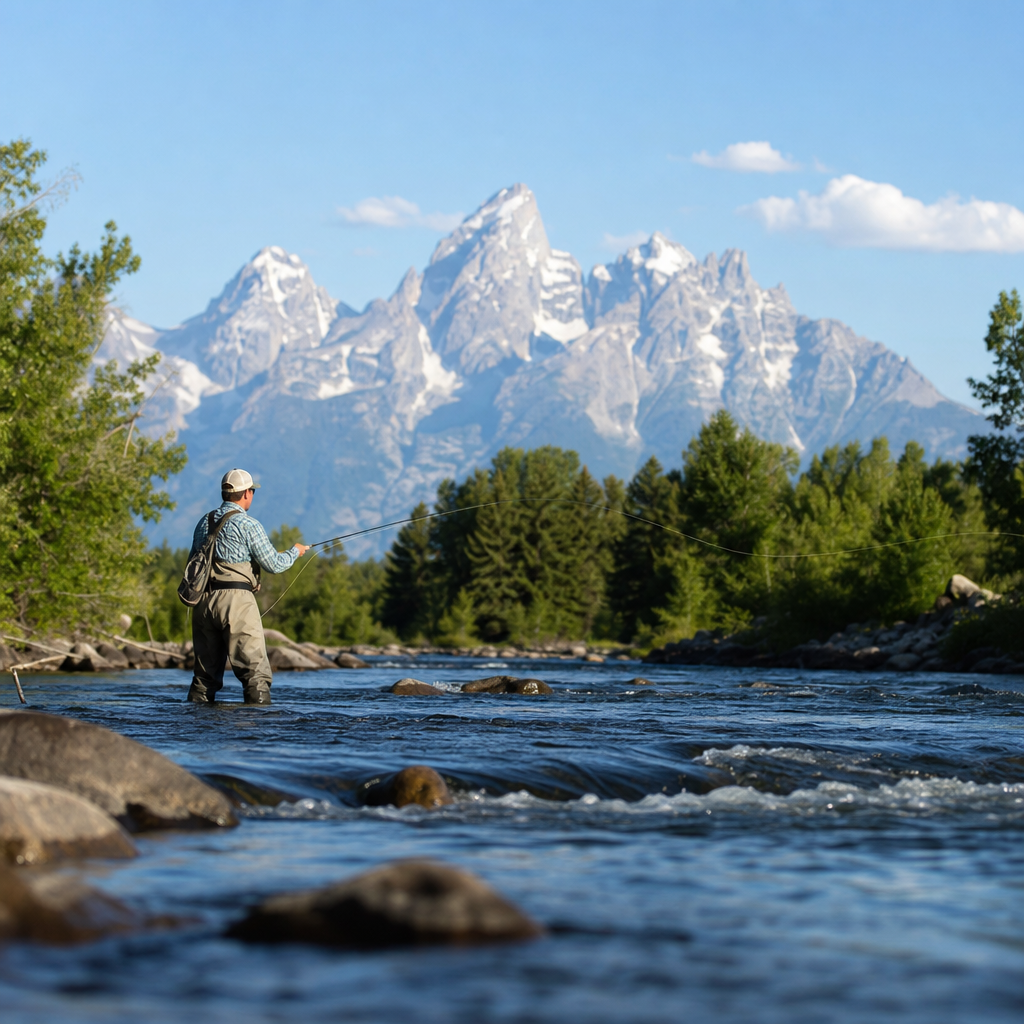
The Jackson Hole reach is different. Above the Idaho line, the Snake flows through a scenic valley backed by the Teton Range, and anglers often target fine-spotted cutthroat with attractor dries, hopper patterns, and small droppers in summer. Fish density may be lower than on the South Fork, but the visual experience is unmatched, and this stretch is central to the mythology of Western drift-boat fishing. Farther downstream, Hells Canyon shifts the conversation again. Here, the river becomes bigger, warmer, and more diverse, with opportunities for trout in selected seasons and highly regarded smallmouth bass fishing in others. As a hub for iconic waters, the Snake matters because it teaches a useful truth: a famous river is rarely one fishery. It is a chain of distinct ecosystems that require different plans.
For trip planning, anglers should start by identifying the experience they want. If the goal is classic dry-fly trout fishing from a drift boat, the South Fork is the first choice. If scenic floating with cutthroat on attractor patterns sounds better, the Jackson area delivers. If the priority is solitude, canyon scenery, or mixed-species fishing, lower reaches deserve attention. This destination works as a hub because it links naturally to more specific planning topics such as South Fork hatch timing, Jackson Hole float seasons, Western drift boat techniques, and coldwater versus warmwater tactics on major river systems.
Best spots for fly fishing the Snake River
The best spots on the Snake River depend on season, target species, and whether you plan to float or wade. For most trout anglers, the South Fork between Palisades Dam and Menan is the anchor section. Popular launches include Palisades Creek, Byington, Spring Creek, and Lorenzo. The upper river near the dam often fishes well during summer because cold releases moderate water temperature and keep trout active. Mid-river sections with cottonwood-lined banks and side channels can be excellent during salmonfly and golden stone periods, when fish slide toward edges to intercept large dries. Lower stretches may become more productive later in the season when flows stabilize and terrestrial fishing improves.
The Snake River near Jackson, including the braided and scenic water in Grand Teton country, is famous for floating anglers casting from rafts or drift boats to cutbanks, grassy banks, and riffle corners. These fish often respond to chubby-style attractors, foam hoppers, and smaller nymph trailers. It is less forgiving than some anglers expect. Afternoon wind is common, and bright conditions can push trout into softer shelves and undercut banks. Careful boat positioning matters here as much as fly choice. In my experience, anglers who cast quickly and accurately to first targets catch far more fish than those repeatedly false-casting over visible holding water.
Smaller access points and tributary-influenced zones throughout the watershed can be productive for walk-and-wade anglers, but they require more homework. Public access maps from state agencies, USGS flow data, and local fly shops are essential. On a river this large, a difference of a few hundred cubic feet per second can change wading safety dramatically. The most consistent advice is simple: if you are new to the Snake, hire a guide for at least one day on your first trip. A good guide shortens the learning curve by teaching launch logistics, seasonal holding water, and productive lead lengths under local conditions.
| Section | Primary Species | Best Season | Best Method | Notes |
|---|---|---|---|---|
| South Fork Snake | Cutthroat, rainbow, brown | June through October | Dry-dropper, nymphs, streamers | Premier float fishery; hatch-rich tailwater |
| Jackson Hole reach | Fine-spotted cutthroat | July through September | Attractor dries, hoppers, light droppers | Scenic floating; wind can affect presentation |
| Hells Canyon | Smallmouth, seasonal trout | Spring and fall | Streamers, poppers, nymphs | Larger water; mixed-species opportunity |
| Upper tributary-influenced sections | Cutthroat, rainbow | Late spring through fall | Walk-and-wade dry fly and nymphing | Access varies; check flows and regulations |
Best techniques for different seasons and water conditions
The most effective Snake River techniques change with runoff, hatch timing, and water clarity. During high water in late spring and early summer, trout often hold near banks, inside seams, and softer water adjacent to main current. That is when large stonefly nymphs, San Juan Worms, and heavy two-fly nymph rigs become practical choices. Weight matters more than fly elegance in these conditions. If the bottom is not occasionally ticking, the rig is probably too light. Indicators should be adjusted constantly rather than set once and ignored. Many visiting anglers fish too shallow and drift over fish that are pinned tight to slow edges.
Once flows drop and insect activity builds, the Snake becomes one of the West’s classic dry-dropper rivers. On the South Fork, salmonfly and golden stone periods can produce memorable surface takes, but the real key is not assuming fish will rise all day. Mornings may favor nymphs, midday can bring big dry opportunities along grassy banks, and evenings often improve caddis or PMD activity in riffled water. A foam stone or chubby attractor paired with a perdigon, pheasant tail, or smaller stonefly nymph is a reliable searching setup. On the Jackson reach, lighter dry-dropper combinations often work better, especially when targeting cutthroat in gentler side channels and edges.
Late summer and early fall belong to terrestrials and streamers. Hopper fishing can be excellent when bankside grasses are active, especially on breezy afternoons. Accurate casts tight to undercuts and root wads matter more than distance. Streamers come into play during overcast weather, after flow changes, and whenever larger browns begin showing aggression in fall. I prefer articulated patterns in olive, black, or white on sink-tip lines for deeper banks and ledges, but unweighted streamers can be better in shallow side channels where fish are willing to move. The core principle is to let water type dictate presentation speed. Fast strips suit active fish in broken current; slower swings and pauses produce more follows and eats in colder water.
Hatches, fly patterns, and trout behavior on the Snake
Matching the hatch on the Snake River starts with knowing the seasonal sequence. Salmonflies and golden stones draw the most attention because they create visual, bank-oriented fishing and can move larger trout into surprisingly shallow lies. Yet anglers who focus only on headline bugs miss consistent windows. Pale morning duns, caddis, yellow sallies, and blue-winged olives often fish longer and more predictably. On many summer days, trout may ignore a giant foam dry but confidently eat a size 16 caddis pupa or a small mayfly nymph under it. That is why experienced Snake River guides carry broad boxes rather than betting everything on one famous hatch.
Behavior changes by section. Cutthroat in the Jackson Hole reach are often willing to rise to attractors even when no obvious hatch is underway, especially in softer banks and riffle transitions. South Fork rainbows and browns can be more selective in heavily floated water, particularly during bright afternoons after repeated boat traffic. In those conditions, longer leaders, reduced flash, and cleaner drifts make a measurable difference. Trout on the Snake feed according to current speed as much as food type. If the river is pushing hard, they will favor soft edges, inside shelves, and seam lines where they can hold with minimal energy while intercepting drifting insects.
Productive fly boxes usually include chubby Chernobyls, water walkers, salmonfly dries, golden stone patterns, elk hair caddis, PMDs, parachute Adams, perdigons, rubber-leg stones, pheasant tails, zebra midges, and a compact selection of articulated streamers. Hook quality matters on this river because heavy current exposes weak wire and poor knots quickly. Barbless hooks are increasingly common by choice even where not required, but anglers should review state and section-specific regulations before fishing. The most practical approach is to build a modular system: large attractors for searching, small nymphs for confirmation, and streamers when fish stop rising or weather turns.
Gear, access, regulations, and trip planning
A 9-foot 5-weight is the standard Snake River trout rod, but it should not be the only rod in camp. I like a 6-weight for larger dries, windy afternoons, and sink-tip streamer fishing, especially on the South Fork where boat fishing and broad bank shots are common. Floating lines cover most summer scenarios, while a short sink tip helps on deeper streamer runs. Leaders should range from stout 2X or 3X for foam dries and big nymphs to 4X or 5X for technical mayfly fishing. Wading boots with strong support are important because cobble bars can be unstable, and personal flotation devices are not optional on float days.
Access depends heavily on section. The South Fork is fundamentally a float fishery, and many of its best runs connect between launches rather than beside convenient roadside pullouts. Jackson area access can also favor floating, though some bank opportunities exist in public corridors. Because the Snake crosses jurisdictions, regulations vary. Idaho Fish and Game, Wyoming Game and Fish, and local federal land rules may all matter depending on where you launch, land, and fish. Season dates, native fish protections, and permitted guiding areas should be checked before travel. Water conditions should be monitored through USGS gauges, Bureau of Reclamation release information, and local shop reports rather than relying on a generic forecast.
The best trips are planned around timing, not just calendar gaps. If you want salmonflies, aim for the moving window that follows flow and temperature trends rather than assuming the same week is perfect every year. If you want lighter pressure and strong terrestrial fishing, late August into September is often excellent. Book shuttles, boats, and guides early for peak periods. Then use this article as your hub: branch next into detailed pages on South Fork Snake hatches, Jackson Hole float tactics, drift boat etiquette, and Western river safety so every part of the trip is built on current, section-specific information.
Fly fishing the Snake River is special because it offers more than a famous name. It gives anglers several distinct iconic waters under one watershed, each with its own species mix, seasonal rhythm, and tactical demands. The South Fork delivers classic hatch-driven drift fishing. The Jackson Hole reach offers cutthroat in a landscape that feels inseparable from the history of Western fly fishing. Lower and canyon sections broaden the experience with mixed-species opportunities and a different style of water reading. That variety is the main benefit of learning the Snake well: one destination can support repeat trips for years without feeling repetitive.
The clearest path to success is straightforward. Choose the section that matches your goals, watch flows closely, fish techniques that fit current speed and season, and carry flies that cover headline hatches and everyday food sources. Respect access rules, use local reports, and do not underestimate wind, cold water, or changing releases. Anglers who approach the Snake as a system rather than a single spot consistently fish it better.
If this is your next fly fishing destination, start by narrowing your target section and travel window, then build your plan around access, hatches, and boat strategy. The Snake River rewards preparation, and few iconic waters give back more once you understand how each reach really fishes.
Frequently Asked Questions
What are the best sections of the Snake River for fly fishing?
The best section of the Snake River depends on the kind of experience you want, the species you are targeting, and how comfortable you are with different water types. When most anglers talk about premier Snake River fly fishing, they are usually referring to the South Fork of the Snake in eastern Idaho, the Henry’s Fork system nearby, and the Jackson Hole area of the main Snake in Wyoming. The South Fork is especially famous for healthy populations of wild cutthroat trout, productive dry-fly fishing, broad riffles, side channels, and classic Western float water. It is often considered one of the most reliable trout fisheries in the region because it combines insect diversity, strong fish numbers, and long stretches of excellent habitat.
The Snake River through Jackson Hole offers a different but equally memorable experience. This reach is known for stunning scenery, Snake River fine-spotted cutthroat trout, and strong summer dry-fly opportunities. It is a favorite for anglers who want a mix of visual fishing, boat access, and iconic Western landscapes. Farther downstream, sections in Idaho, Oregon, and Washington can provide everything from warmwater species to steelhead and migratory fisheries, depending on the season and exact location. Because the Snake is such a large and varied watershed, there is no single “best” spot for everyone. If your priority is classic trout water, the South Fork and the upper Wyoming and Idaho reaches are the most widely recommended starting points.
What trout species can you catch in the Snake River, and how do they behave?
Fly anglers on the Snake River most often pursue cutthroat trout, brown trout, and rainbow trout, although the exact mix varies by section. In many of the river’s best-known trout reaches, native cutthroat are the signature fish. These trout are especially popular because they are willing surface feeders during the right windows, often rising confidently to dry flies during hatches or terrestrial periods. In the upper Snake and South Fork, cutthroat commonly hold along banks, in riffle seams, near undercut structure, and in softer feeding lanes beside faster current. Their behavior can make for exciting visual fishing, particularly in summer when grasshoppers, stoneflies, and mayflies are active.
Brown trout tend to be more selective about holding water and often prefer deeper structure, undercut banks, logjams, and transition zones where they can feed efficiently while staying protected. They may become more active during lower-light periods, cooler weather, and shoulder seasons. Rainbow trout, where present, are often strong fighters and can be found in runs, riffles, and oxygen-rich moving water. Across all species, behavior on the Snake is shaped by water temperature, insect emergence, angling pressure, and river flow. Understanding where fish position themselves in relation to current is often more important than simply knowing which species are present. On a river this large, fish are constantly balancing food availability with energy conservation, so reading seams, drop-offs, eddies, and bank structure is a major part of consistent success.
What fly patterns and techniques work best on the Snake River?
The most effective Snake River fly fishing techniques usually revolve around matching the season and the specific reach you are fishing. Dry-dropper rigs are among the most versatile setups on many trout sections of the Snake, especially in late spring through early fall. A buoyant dry fly such as a chubby-style stonefly, hopper, or large attractor can serve as both an indicator and an imitation, with a nymph suspended below to target fish feeding subsurface. This approach works well because Snake River trout often shift between surface and subsurface feeding throughout the day, and a dry-dropper covers both possibilities efficiently.
During major hatches, dedicated dry-fly fishing can be outstanding. Stoneflies, caddis, pale morning duns, yellow sallies, and terrestrials all play important seasonal roles depending on the section. In summer, hopper-dropper fishing can be especially productive along grassy banks, side channels, and cutbanks where trout expect larger food items to fall into the water. Nymphing is often the best choice when fish are not looking up, particularly during cooler mornings, post-front conditions, or higher flows. Patterns such as pheasant tails, hare’s ears, stonefly nymphs, caddis larvae, and various attractor nymphs are standard producers. Streamers can also be very effective for larger trout, especially in off-color water, during overcast weather, or when targeting aggressive fish near structure.
Presentation matters as much as pattern choice. On the Snake, drag-free drifts are critical, especially in braided current seams and varied flow speeds. Anglers who can mend effectively, manage line on moving water, and place flies tight to productive structure usually outperform those who simply cast at obvious water. In larger float sections, covering water methodically from a drift boat or raft is often the most efficient strategy, while walk-and-wade anglers tend to do best by slowing down and thoroughly fishing transition water rather than only obvious fast riffles.
When is the best time of year to fly fish the Snake River?
The best time to fly fish the Snake River depends on the section, runoff timing, and the type of fishing you enjoy most. In general, late spring through early fall offers the broadest range of opportunities on the Snake’s trout waters. However, runoff is a major factor in Western rivers, and conditions can change quickly. In many upper basin sections, spring can begin well, then become difficult as snowmelt raises flows and reduces clarity. Once runoff subsides, usually in early to mid-summer depending on snowpack and location, the river often enters one of its most productive periods. This is when insect activity becomes more consistent, access improves, and fish spread into classic feeding water.
Summer is a favorite season for many anglers because it brings reliable dry-fly action, terrestrial fishing, and longer fishing windows. This is prime time for floating famous sections like the South Fork and upper Snake. Early fall is another excellent period, with cooler water temperatures, fewer crowds in some areas, and strong trout feeding behavior before winter. Browns may become more aggressive, and fish in general can be less selective during certain conditions. Winter fishing is more limited and section-specific, but some reaches can still be productive for anglers willing to adjust tactics and focus on the warmest part of the day.
Rather than choosing dates based only on the calendar, it is smart to check current flow levels, water temperatures, hatch reports, and local guide updates. A week that looks ideal on paper can fish poorly if runoff lingers or weather changes suddenly. The Snake is a dynamic system, and the best anglers treat timing as a moving target shaped by snowpack, releases, temperature, and insect activity.
Do you need a guide or drift boat to fish the Snake River successfully?
No, you do not absolutely need a guide or a drift boat to fish the Snake River successfully, but both can be major advantages depending on the section. Some reaches of the Snake offer decent bank access and wadable side channels, allowing skilled walk-and-wade anglers to find productive water on their own. That said, many of the river’s most famous trout stretches are large, broad, and best covered from a drift boat or raft. Floating opens up miles of productive banks, islands, braids, and seams that are difficult or impossible to reach effectively on foot. On a river system known for scale and changing water, mobility often translates directly into better fishing.
Hiring a guide is especially helpful for first-time visitors because local knowledge matters a great deal on the Snake. A good guide can help you understand launch logistics, productive seasonal sections, safe navigation, current insect activity, and subtle presentation adjustments that suit the day’s conditions. This is particularly valuable on a river where one section may fish best with dry flies along grassy cutbanks while another demands nymphing deeper transition slots. Guides also help anglers avoid wasting time on marginal water and can tailor the trip to skill level, whether you are learning basic mending or fine-tuning advanced dry-fly presentations.
If you prefer fishing independently, success is still very possible with preparation. Study access points, understand local regulations, check flows before you go, and match your expectations to the water you can safely and legally reach. For many anglers, a hybrid approach works best: fish with a guide on the first day to learn the river, then explore more confidently on their own afterward. On a destination fishery as diverse as the Snake River, that can be the fastest way to shorten the learning curve and make the most of your trip.