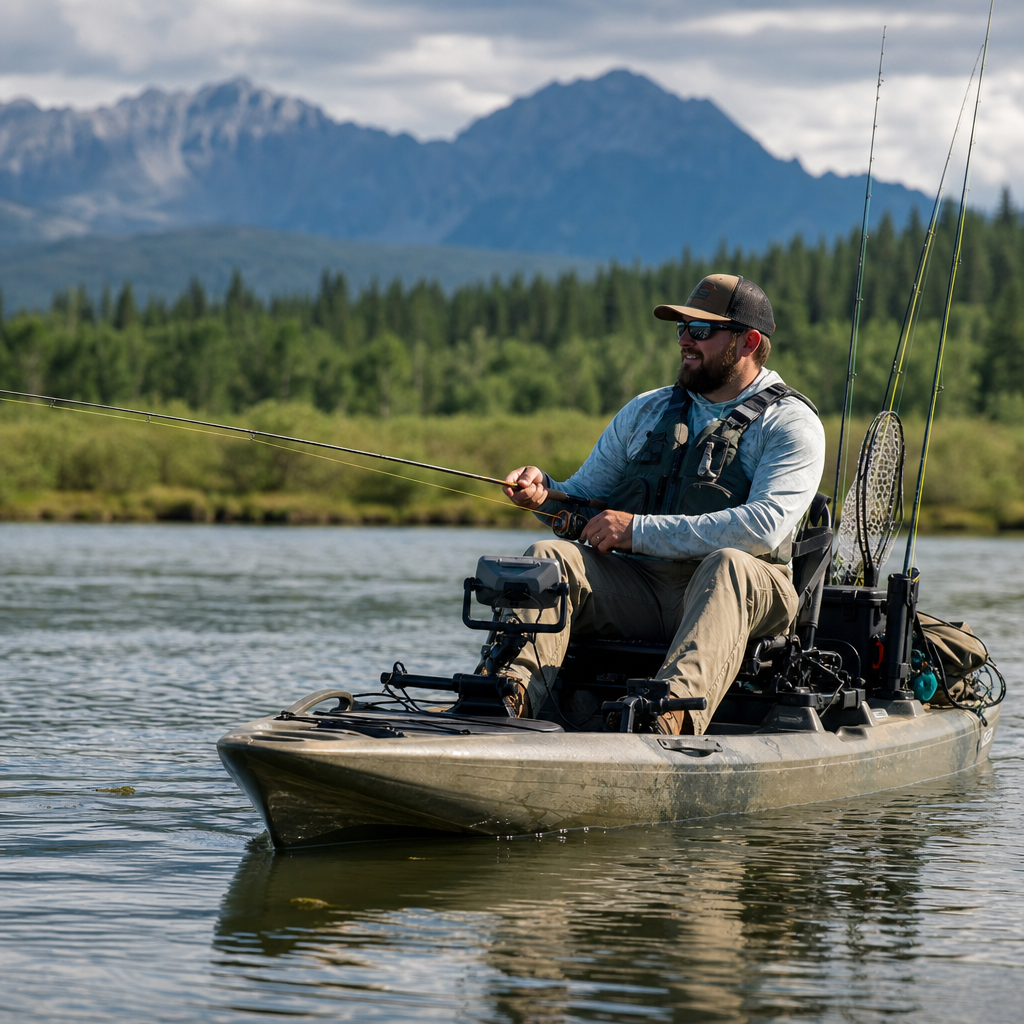
Choosing the best fly fishing kayaks for 2025 comes down to one question: which boat lets you cast, manage line, and reach productive water with the fewest compromises. A fly fishing kayak is not just a standard sit-on-top with rod holders. It is a platform built around standing stability, open deck layout, quiet positioning, gear access, and efficient hull design for lakes, ponds, rivers, marshes, and inshore flats. In practical terms, the right model helps you make cleaner presentations, track better in wind, and land fish without fighting your own setup. That matters because fly anglers ask more from a kayak than many conventional anglers do. Loose fly line catches on cleats and crate corners, false casting needs room, and fish often demand stealth at close range. After testing fishing kayaks in current, chop, and shallow backwaters, I have learned that comfort alone is not enough. The best models balance primary stability for standing, secondary stability for edging, smart rigging, reliable seating, manageable weight, and propulsion that matches the water you fish most. This guide covers the best fly fishing kayaks for 2025, what features actually matter, and how each type fits different anglers, budgets, and fisheries.
What Makes a Kayak Good for Fly Fishing
The best fly fishing kayak starts with deck design. Fly line must move freely, so a clean standing area matters more than an overloaded accessory package. Recessed tracks beat protruding mounts, flush hatches are better than raised lids, and molded footwells should not trap line. Width is the next major factor. Most dedicated fly fishing kayaks run roughly 34 to 40 inches wide because that beam makes standing and sight fishing realistic for average anglers. Hull shape matters just as much. Pontoon-style and tunnel hulls create excellent initial stability, while more refined hybrid hulls improve glide without becoming twitchy. In my experience, beginners often overvalue absolute width and undervalue seat height and hull efficiency. A 38-inch kayak that paddles like a barge can be more tiring than a better-designed 35-inch platform that still feels secure.
Propulsion is another decision point. Paddle kayaks are lighter, quieter, and simpler to maintain. Pedal kayaks excel when wind pushes you off target, when you need hands-free micro-adjustments while stripping line, or when covering large reservoirs and tidal water. Motor-ready kayaks continue to grow in popularity, especially for anglers who need range or fish large open water. The tradeoff is cost, transport complexity, and sometimes added deck clutter. Seating also separates average models from serious fishing platforms. A framed seat with multiple height positions supports long days better than basic molded seating, and the higher position improves visibility while still allowing secure paddling. Finally, look at capacity. Manufacturers list total capacity, but practical fishing capacity is lower once you add your body weight, tackle, anchor system, crate, electronics, safety gear, and possibly a small cooler. A kayak loaded close to its limit becomes sluggish and wet, which hurts both performance and confidence.
Best Fly Fishing Kayaks for 2025: Top Picks by Use Case
For all-around fly fishing performance in 2025, the Bonafide SKF117 stands out because it was built specifically around stand-up sight fishing. Its open bow deck, line-friendly layout, elevated seating, and strong stability profile make it one of the most complete fly-focused platforms on the market. The Jackson Bite FD is a top choice for anglers who want pedal drive capability without stepping into the heaviest class of kayaks. It balances approachable handling with enough deck space and standing confidence for bass ponds, river edges, and protected inshore water. If paddling efficiency matters most, the Wilderness Systems Recon 120 HD and Radar 115 remain strong crossover options because they pair fishable decks with proven hull designs and flexible propulsion choices.
For budget-minded buyers, the Perception Outlaw 11.5 continues to deserve attention. It is not the fastest hull, but it offers remarkable stability, a clean standing area, and straightforward rigging at a price often lower than premium competitors. For larger anglers or anyone carrying heavy loads, the NuCanoe Unlimited and Frontier 12 offer huge deck space, high capacity, and customization flexibility. They feel more like microskiffs than traditional kayaks, which can be ideal for fly fishing on calm water. In rivers, especially where shoals and current demand quick maneuvering, shorter paddle platforms such as the Bonafide RS117 or Jackson Coosa series can be easier to control than long, pedal-driven boats. There is no single best fly fishing kayak for every angler. The right choice depends on where you fish, whether you stand often, how far you travel, and how much complexity you want to manage at launch and landing.
Key Features to Compare Before You Buy
When comparing equipment reviews, I use a short list of features because flashy accessories rarely matter as much as core design. Stability comes first, but test how the kayak behaves both flat and on edge. Some boats feel solid when stationary yet become unpredictable when you shift to cast or net a fish. Deck layout is second. Look for uninterrupted standing zones, low-profile hardware, and horizontal rod storage that keeps expensive fly rods protected during transport or while passing under branches. Seat adjustability is third. A high seat is useful for visibility and comfort, but a lower position can improve paddling efficiency and control in wind. Weight and transport are fourth. Many premium fishing kayaks now exceed 100 pounds rigged, and some pedal models go far beyond that. If you fish alone and launch on unimproved banks, that number matters every trip.
Rigging flexibility should also be judged carefully. Track systems from YakAttack, Scotty, and Railblaza make it easy to mount fish finders, camera arms, and anchor accessories without drilling. But fly anglers should resist over-rigging. Every added mount can become a line trap. Storage quality matters more than sheer quantity. Bow hatches are useful, yet frequently accessed tackle should live beside the seat, not buried inside the hull. Rudder systems can improve boat control in wind and current, especially on longer paddle kayaks. Pedal drives should be checked for draft, reverse capability, maintenance needs, and shallow-water behavior. Finally, consider warranty support and dealer network. Brands such as Hobie, Old Town, Wilderness Systems, Jackson, Bonafide, and NuCanoe generally have stronger accessory ecosystems and replacement part availability than small import labels. That support becomes important when a seat frame cracks, a rudder cable frays, or a pedal unit needs service in peak season.
| Kayak Model | Best For | Main Strength | Main Tradeoff |
|---|---|---|---|
| Bonafide SKF117 | Dedicated fly anglers | Open, line-friendly stand-up deck | Premium price |
| Jackson Bite FD | Hands-free positioning | Pedal drive versatility | Heavier than paddle-only models |
| Perception Outlaw 11.5 | Budget buyers | Excellent stability per dollar | Slower hull speed |
| NuCanoe Unlimited | Customization and capacity | Massive deck space | Less nimble in current |
| Bonafide RS117 | Rivers and mixed water | Manageable size and maneuverability | Less deck room than larger platforms |
Paddle, Pedal, or Motor: Which Setup Works Best
Paddle kayaks remain the smartest choice for many fly anglers, especially on rivers, small lakes, and shallow marshes. They are lighter, simpler, and usually quieter at close range. A paddle also keeps the deck cleaner because there is no drive well or pedal unit to work around. For anglers who frequently beach on gravel bars or drag over logs, paddle models are simply easier to live with. Pedal kayaks shine on big water. If you fish windy reservoirs, tidal creeks, or inshore bays, being able to hold position while both hands manage rod and line is a genuine advantage. Reverse is especially valuable around docks, grass edges, and mangrove lines where a fish can pull you out of position quickly. That said, pedal systems add weight, cost, and maintenance. Propeller drives typically draft more water than paddles, while fin drives can handle weeds well but still require attention in shallows.
Motorized setups are increasingly common, especially on models designed around stern mounts or bow motors with GPS anchoring. On large lakes, a motor can turn a fishing kayak into a realistic alternative to a small jon boat. I have seen anglers use motorized NuCanoe and Old Town platforms to cover miles of shoreline efficiently while still casting from a stable deck. But motors change the ownership equation. You need batteries, wiring, registration in many states, and a plan for safe transport. They also reduce the simplicity that draws many people to kayak fishing in the first place. For most fly anglers, the choice is straightforward: paddle for simplicity and shallow access, pedal for boat control and range, motor only when your water is large enough to justify the added system weight and expense.
Best Choices for Different Waters and Fishing Styles
On small ponds and electric-only lakes, almost any stable paddle kayak can work, but shorter models around 11 to 12 feet are usually easiest to launch, turn, and store. Bass fly anglers targeting banks, docks, and weed edges benefit from moderate length, quick acceleration, and enough stability to stand for accurate short casts. On larger reservoirs, longer hulls and pedal drives become more attractive because they track better and reduce fatigue during long moves between coves. In rivers, hull shape and rocker matter more than headline features. A wide, flat platform may feel superb on still water yet become cumbersome in current seams, shoals, or technical turns. River anglers should prioritize maneuverability, secure seating, and easy reentry over maximum deck size.
Saltwater fly fishing adds another layer. In marshes and back bays, draft becomes critical. You want a hull that floats shallow and remains stable when you shift your weight to sight fish or push pole. Corrosion resistance also matters. Stainless hardware, sealed bearings in pedal units, and simple wash-down procedures are worth paying for. If redfish, snook, or striped bass are your targets, rod management becomes especially important because longer fly rods are awkward in wind and around structure. Open horizontal storage and protected staging beside the seat make a real difference. Trout anglers on stillwaters often care more about paddling efficiency, anchor compatibility, and comfort for long drifts. Matching the kayak to the fishery is the difference between a platform that feels natural and one that constantly asks for workarounds.
How to Build a Fly-Friendly Kayak Setup
The best equipment reviews should not stop at the hull because setup determines on-water performance. Start with line management. A stripping basket is not always necessary, but a clear deck certainly is. Remove unnecessary mounts, bungee hooks, and crate corners from the standing zone. Use gear tracks for only the accessories you truly need. A compact anchor trolley is useful on lakes and slow rivers, while stakeout poles are often better in shallow marshes and protected flats. For electronics, a small fish finder such as a Garmin Striker, Humminbird Helix, or Lowrance Hook Reveal is often enough. Large screens can crowd the cockpit and catch line. Net placement matters too. Mount it where you can reach it one-handed without turning fully around.
Safety and comfort deserve equal attention. A properly fitted personal flotation device designed for paddling is essential, especially with elevated-frame seats that can affect balance during reentry. Good footwear improves standing confidence on wet decks, and a leash for paddle or push pole prevents small mistakes from ending a trip. In cooler months, immersion risk should guide clothing decisions; dry suits or paddling-specific outer layers are not overkill in cold water. Finally, test your casting setup before the season starts. Stand, strip line, turn, sit, and reach for tools in the driveway or at a calm launch. Small adjustments to seat position, accessory placement, and deck organization often matter more than buying another gadget. A clean, intentional setup almost always outperforms a heavily rigged one.
Buying Advice, Value, and Final Recommendations
The best fly fishing kayaks for 2025 are the ones that solve your real fishing problems instead of adding new ones. If you want a purpose-built platform for standing and sight casting, start with the Bonafide SKF117. If hands-free positioning on bigger water matters more, look hard at a pedal option such as the Jackson Bite FD or comparable models from established fishing brands. If value is your top priority, the Perception Outlaw 11.5 remains one of the smartest buys because it delivers genuine fishability without premium pricing. Larger anglers, tinkerers, and those considering power upgrades should keep the NuCanoe Unlimited high on the list. River anglers and mixed-water paddlers will usually be happier in a lighter, more maneuverable platform than in the biggest boat they can afford.
As a hub for equipment reviews, this guide should help you narrow the field before diving into model-specific comparisons, propulsion deep dives, and accessory roundups. Focus on stability, deck cleanliness, transport reality, and how you actually fish most weekends. A kayak that is easy to launch, simple to rig, and comfortable to stand in will get used more often than a feature-loaded platform that stays in the garage. Shortlist three models, arrange a demo if possible, and evaluate them with your fly fishing habits in mind. That approach leads to better decisions, better days on the water, and a kayak you will still trust after the 2025 new-model buzz fades.
Frequently Asked Questions
What makes a kayak specifically good for fly fishing in 2025?
A great fly fishing kayak is built around how fly anglers actually fish, not just how paddlers move across the water. The biggest difference is stability. Fly anglers often need to stand, rotate their body for backcasts, strip line at their feet, and set the hook with a clear, balanced stance. That means the best fly fishing kayaks for 2025 generally have wider, more confidence-inspiring hulls that feel steady when you shift weight, cast in different directions, or fight fish beside the boat.
Deck layout is just as important. Fly line has a way of finding every cleat, bungee, latch, and loose piece of gear on a cluttered deck, so a true fly fishing platform favors clean footwells, open standing areas, and smart gear placement. Recessed tracks, flush-mounted accessories, and reachable storage all help reduce tangles and keep your focus on presentation instead of line management. In many of the best newer models, manufacturers are paying more attention to low-profile rigging and flatter deck sections specifically because fly anglers need unobstructed space.
Positioning and hull efficiency also matter. A kayak can be very stable, but if it is slow, noisy, or hard to control in wind, it becomes less effective on the water. The best options balance stability with enough glide and tracking to cover water efficiently on lakes, ponds, marshes, rivers, and even inshore flats. Features like pedal drives, effective rudder systems, and well-designed hulls help anglers hold casting position, adjust on the drift, and make repeated presentations without constantly putting the rod down to correct the boat.
In short, a fly fishing kayak for 2025 should help you cast cleanly, manage line easily, access productive water quietly, and fish comfortably for long sessions. It is less about having the most accessories and more about having the right platform for accurate, efficient fishing.
Is a pedal kayak better than a paddle kayak for fly fishing?
For many anglers, a pedal kayak can be a major advantage because it keeps your hands free and makes boat control much easier. That matters in fly fishing, where small positioning changes can make the difference between a clean shot at a cruising fish and a missed opportunity. With a pedal drive, you can move forward slowly, maintain your angle to structure, correct for wind, and stay on fish without constantly switching between paddle and rod. On lakes, reservoirs, marshes, and protected inshore water, that hands-free control is a real asset.
Pedal kayaks are especially useful when covering larger areas or fishing in conditions where wind tries to push you off a seam, shoreline, or grass edge. They also help reduce fatigue over a long day because your legs do the work of propulsion while your upper body stays fresher for casting. For anglers who like to stand and sight fish, many modern pedal models also offer excellent standing stability, making them strong all-around choices.
That said, paddle kayaks still have important advantages. They are usually lighter, simpler, easier to transport, and often less expensive. They also tend to excel in shallow rivers, skinny backwaters, and places with submerged wood, rocks, or vegetation where a pedal drive can become a liability. If you fish technical water, launch in tight spots, or want a kayak that is easier to car-top and carry, a paddle model may actually be the better fly fishing choice.
The best option depends on where and how you fish. If your priority is hands-free positioning, efficient travel, and fishing bigger or windier water, a pedal kayak often comes out ahead. If you value simplicity, lighter weight, shallow-water access, and easy transport, a paddle kayak may be the smarter buy. Neither is universally better, but for many anglers in 2025, pedal power is becoming increasingly appealing because of how much it improves boat control while casting.
How much stability do I really need in a fly fishing kayak?
You need enough stability to fish confidently, not just enough to float comfortably. That distinction matters. A kayak may feel stable while sitting still at the launch, but fly fishing puts different demands on a boat. You might stand up, turn to make a backcast, reach for line, strip-set hard, or lean to land a fish. A good fly fishing kayak should remain predictable and composed through all of those movements, especially if standing is part of your normal approach.
There are two aspects of stability to consider: primary and secondary stability. Primary stability is the initial “flat” feeling when you first step into or stand on the kayak. Secondary stability is how the kayak behaves when it begins to tip or lean. For fly fishing, both matter. Strong primary stability helps you stand and cast with confidence, while solid secondary stability helps prevent surprises when you shift your weight, fight a fish to the side, or encounter boat wake and chop.
More stability usually means a wider hull, but there is always a tradeoff. Extremely wide kayaks can feel like docks on the water, yet they may be slower, heavier, and harder to paddle over distance. The goal is to find a model stable enough for your skill level and fishing style without sacrificing too much efficiency. If you mostly sit and cast on calm water, you may not need the widest platform available. If you plan to stand often, sight fish, or fish windy open water, higher stability becomes far more valuable.
For most anglers shopping for the best fly fishing kayaks in 2025, stability should be treated as a priority feature, not a luxury. Confidence on the platform improves casting, line control, safety, and overall enjoyment. A kayak that lets you fish naturally and focus on the water rather than your balance is almost always the better choice.
What features should I prioritize to prevent fly line tangles and improve casting efficiency?
If line management is a top concern, start with deck simplicity. Fly line tangles happen when line catches on raised hardware, protruding mounts, exposed bungees, tackle clutter, or rough surfaces around your feet. The best fly fishing kayaks are designed with cleaner standing areas, fewer snags, and more thoughtful gear integration. A relatively open bow area, uncluttered footwell, and low-profile accessory placement can make a huge difference in how smoothly you fish.
A good standing platform is another major factor. A flatter, more open deck gives you room to move, strip line, and reset your stance without stepping into molded recesses or crowded cockpit features. Some anglers also prefer removable or integrated traction pads because they improve footing while reducing noise and helping line slide more cleanly than it might across busy deck contours. The less chaos around your feet, the easier it is to manage slack and shoot line efficiently.
Gear access should also be intentional. You want essential items close at hand, but not placed where they interfere with casting. Storage hatches, side pockets, and tackle staging areas should keep tools organized without turning the deck into an obstacle course. Rod holders are useful, but their placement matters. On a fly fishing kayak, anything that sticks up near your casting path or stripping area can create problems. Many experienced anglers rig their kayak more minimally than expected for exactly this reason.
Finally, boat control features contribute directly to casting efficiency. A kayak that tracks well, drifts predictably, and responds easily to corrections lets you spend more time presenting the fly and less time fixing your position. Rudders, pedal drives, anchor trolleys, and stakeout systems can all help, depending on the water you fish. The best overall setup is one that combines a clean deck with easy positioning, because smooth line handling and accurate casting depend on both.
How do I choose the best fly fishing kayak for lakes, rivers, marshes, and inshore flats?
The best approach is to match the kayak to the water you fish most often, rather than chasing a model that claims to do everything equally well. Different environments place very different demands on hull design, propulsion, draft, maneuverability, and storage. A kayak that feels perfect on a calm lake may be frustrating in a shallow river, while a nimble river boat may not offer the speed or tracking you want for larger open water.
For lakes and ponds, look for a kayak with a good blend of stability and efficiency. You may need to cover water to reach weed edges, points, drop-offs, or suspended fish, so glide and tracking become more important. A pedal drive can be especially helpful here, particularly when wind picks up and you need to hold position while casting. Standing stability still matters, but so does the ability to move comfortably over distance.
For rivers, maneuverability, manageable weight, and shallow-water capability move much higher on the list. Paddle kayaks often make more sense in current, around rocks, and in tight channels where simplicity is an advantage. You want a hull that responds quickly, drafts reasonably shallow, and can handle changing flows without feeling cumbersome. Stability remains important, but river anglers may accept a little less barge-like steadiness in exchange for better control and easier transport.
For marshes and inshore flats, quiet movement, shallow draft, and wind management are critical. These environments reward kayaks that can slip into skinny water, pole or paddle quietly, and maintain position without excessive hull slap or constant correction